
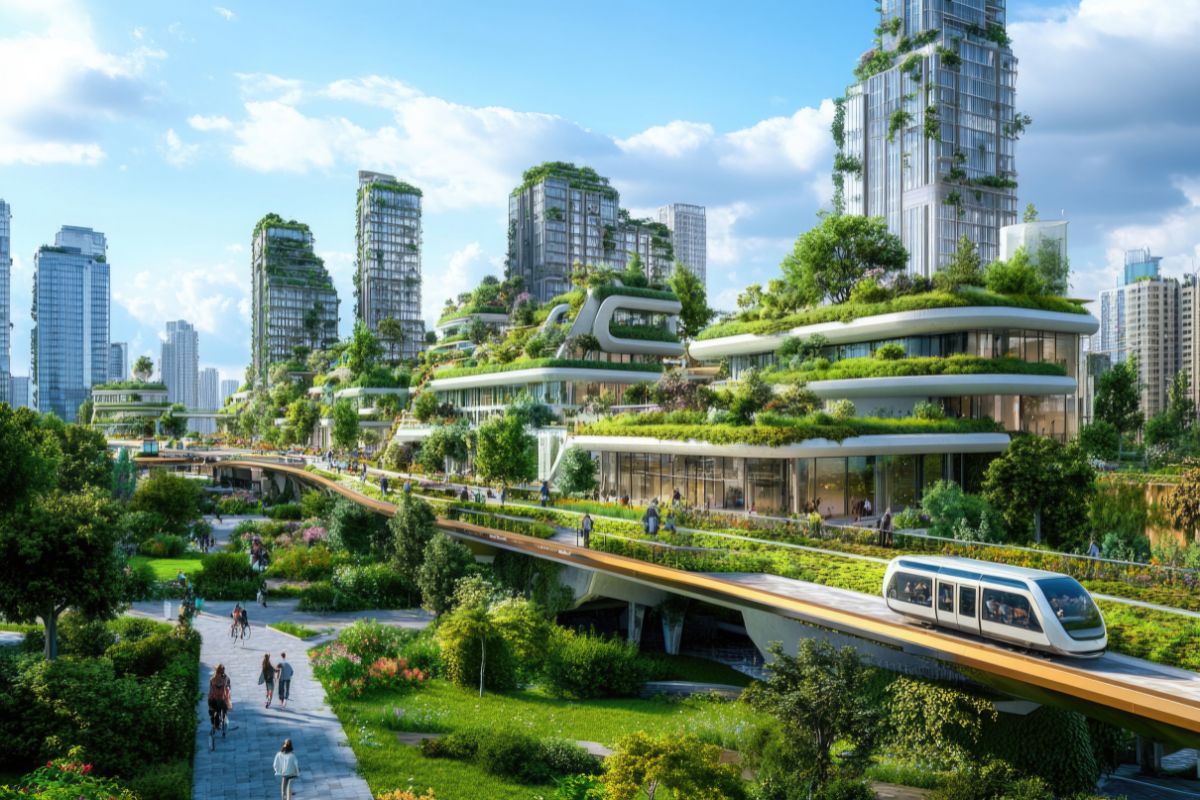
Cities around the world are undergoing one of the most transformative shifts in modern urban planning, the rise of the 15-minute community, also known as the micro-city. This concept promises a future where everything you need, your job, healthcare, education, transit, groceries, recreation, and social spaces, is no more than a short walk or bike ride away. As global populations surge and urban challenges intensify, micro-cities are emerging as a sustainable, human-centered alternative to traditional metropolitan sprawl.
The 15-minute city model is not just a planning trend; it reflects a deeper cultural evolution. People increasingly crave convenience, community, well-being, and environmental responsibility. By 2030, experts predict that micro-cities could become the backbone of urban development, influencing policy, infrastructure, business models, and the way we connect with each other. This blog explores how this revolution began, what makes it so powerful, and why it may redefine the future of urban living.
The Origins of the 15-Minute City Concept
Although the idea appears modern, its roots can be traced to earlier urban planning philosophies. In the early 20th century, cities like Paris, Amsterdam, and Barcelona were designed with human-scale neighborhoods, walkable, dense, and socially connected. Over time, however, automobile culture reshaped cities, stretching them outward into mega-suburbs, increasing commute times, and disconnecting people from their communities.
The modern resurgence began with Professor Carlos Moreno at the Sorbonne University in Paris, who popularized the phrase “15-minute city.” He envisioned urban districts where residents could access all vital services in under 15 minutes by walking or cycling. Paris embraced the idea under Mayor Anne Hidalgo, transforming roads into bike lanes, creating local service hubs, and reimagining public spaces. Since then, cities from Melbourne to Portland have launched their own 20-minute or 15-minute neighborhood strategies.
This evolution has sparked what many now call the micro-city revolution: a global movement toward more localized, hyper-efficient, human-scale communities.
The Essence of a Micro-City: What It Really Means
A micro-city is not a small city; it’s a big city broken into smaller, self-sufficient ecosystems. Each micro-city or 15-minute district includes:
- Essential services (grocery stores, pharmacies, clinics)
- Education (schools, libraries, training centers)
- Workspaces (offices, co-working hubs, local entrepreneurship zones)
- Public transport links (bus stops, metros, shared mobility options)
- Green and leisure spaces (parks, gyms, cultural centers)
- Public administration (municipal services, digital kiosks)
The focus is not just proximity, but quality. A 15-minute community works when services are accessible, affordable, inclusive, and designed with residents’ real needs in mind.
Why the Micro-City Model Is Taking Over the World
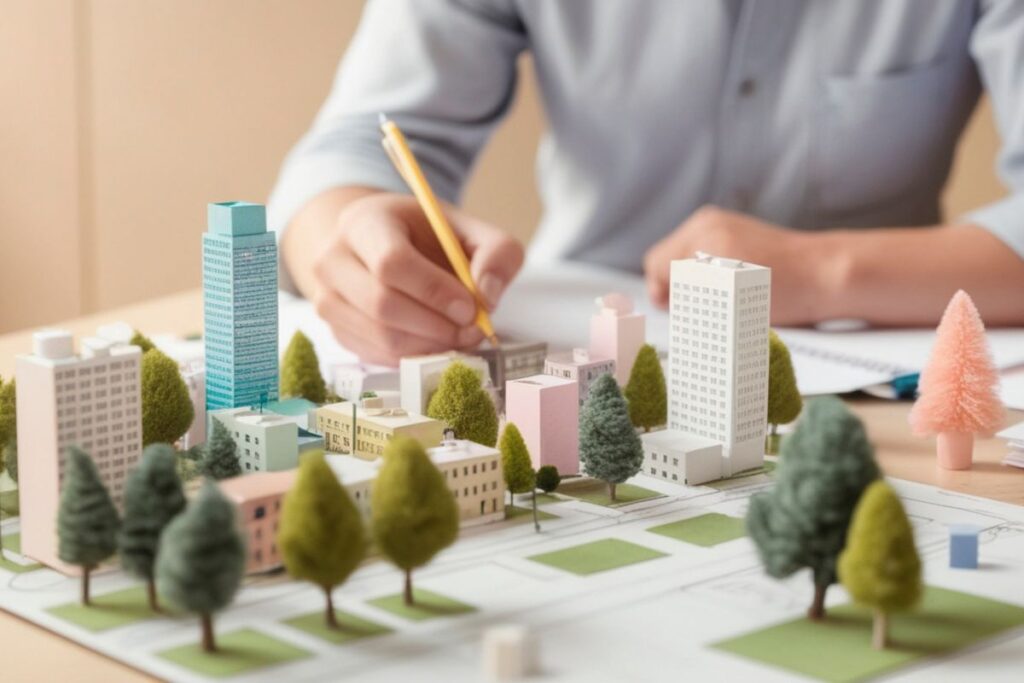
1. The Demand for Human-Centered Urban Living
People increasingly want cities that make life easier. Long commutes, traffic congestion, pollution, and stress have pushed residents to demand more livable, community-driven solutions. Micro-cities prioritize people over cars and convenience over chaos.
2. The Shift to Remote and Hybrid Work
The rise of remote work has fundamentally changed how people use cities. With fewer daily commuters, local neighborhoods have become the hubs of everyday life. Residents expect nearby cafés, co-working spaces, fitness centers, and childcare facilities, creating organic demand for micro-city infrastructure.
3. Sustainability and Climate Urgency
Urban areas are responsible for over 70% of global CO₂ emissions. Micro-cities reduce reliance on cars, promote cycling and walking, and encourage green energy solutions. This transformation helps cities meet climate goals while improving resident well-being.
4. Economic Resilience Through Localization
Micro-cities strengthen local economies by fostering neighborhood businesses. When residents shop, dine, and engage locally, money circulates within the community, supporting small enterprises and reducing economic vulnerability.
The Anatomy of a Successful 15-Minute Community
To function effectively, a micro-city must integrate several key pillars:
1. Dense but Livable Design
Density is essential, but it must be human-scaled. Mixed-use buildings, compact housing, and smart zoning reduce distances while ensuring comfortable living.
2. Mobility Without Cars
Pedestrian-first design is the foundation. This includes:
- Broad sidewalks
- Dedicated bike lanes
- Mobility hubs with bicycles, e-scooters, and shared cars
- Reduced car zones or car-free streets
Cities like Copenhagen and Amsterdam prove that when walking and biking are safe and convenient, people happily embrace non-car living.
3. Social Infrastructure
A micro-city thrives when it has strong social roots:
- Community centers
- Playgrounds
- Outdoor seating
- Cultural zones
- Community gardens
These elements boost social interaction, trust, and a sense of belonging.
4. Digital Integration
Smart technology enhances micro-city functionality:
- Local apps for community updates
- Smart parking and traffic monitoring
- Digital public service kiosks
- Free Wi-Fi in public spaces
- Data-driven infrastructure planning
Digital tools create seamless everyday experiences.
Real-World Micro-Cities: Global Examples Shaping the Future
1. Paris, France:
Paris pioneered the model. Bike lanes replaced car lanes, schoolyards became shared community spaces, and local shops were revitalized. Today, Paris continues to transform urban life through hyper-local design.
2. Melbourne, Australia:
Melbourne’s 20-minute neighborhood strategy focuses on improving walkability, access to essential services, and public transport connections. Several pilot suburbs have already seen increased business growth and improved resident satisfaction.
3. Singapore:
Singapore builds master-planned micro cities with integrated housing, parks, transit links, and retail clusters. Districts like Punggol and Tengah are global benchmarks for sustainable and self-contained living.
4. Barcelona, Spain:
Barcelona’s “superblocks” reorganize streets into pedestrian-first zones with green spaces, playgrounds, and local commerce. Traffic is rerouted, creating mini-districts free from noise and pollution.
5. Portland, USA:
Portland promotes 20-minute neighborhoods by encouraging mixed-use zoning, bike infrastructure, and community spaces. The city is known for strong public engagement during planning.
How the Micro-City Revolution Transforms Daily Life
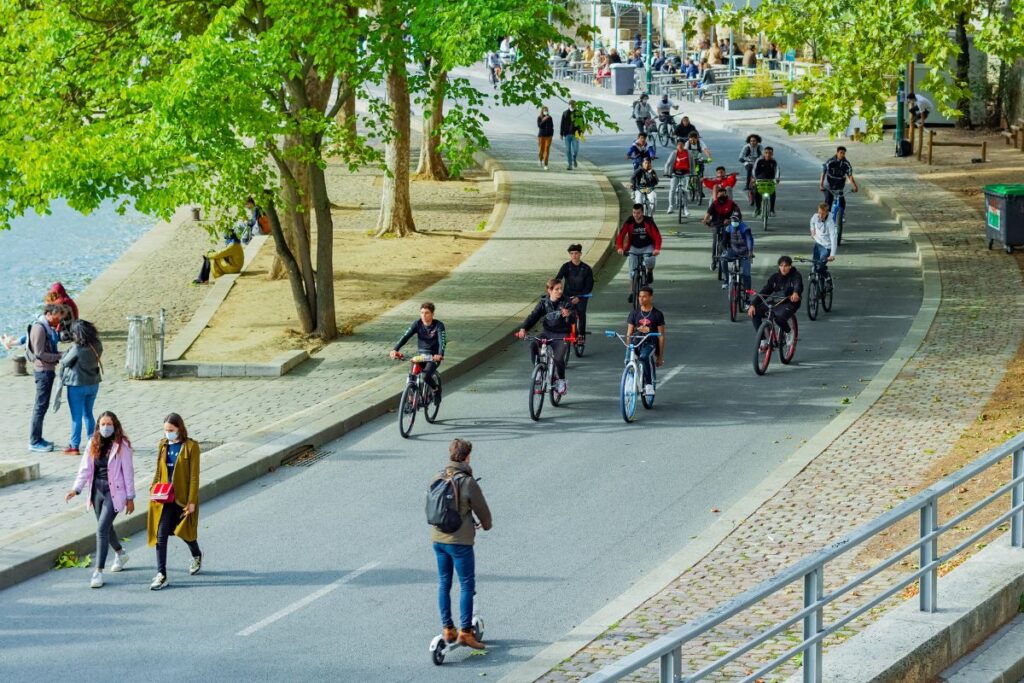
1. Healthier Lifestyles:
Walking and cycling become natural parts of daily life, reducing obesity and improving cardiovascular health. Reduced pollution ensures cleaner air and fewer respiratory issues.
2. Stronger Social Connections:
With more interactions occurring locally, neighbors become acquaintances, and acquaintances become friends. Studies show that strong social networks reduce stress and increase life satisfaction.
3. More Time, Less Stress:
When everyday needs are nearby, people reclaim hours otherwise spent commuting. This time can be reinvested into family, hobbies, fitness, or personal development.
4. Safer, Quieter Neighborhoods:
Reduced traffic means fewer accidents, safer streets, and quieter environments, ideal for children, seniors, and families.
5. Economic Stability:
Local businesses thrive in micro-cities, creating jobs and retaining wealth within the community.
Challenges of the 15-Minute City Model
While the micro-city revolution is promising, it comes with real challenges:
1. Equity and Inclusion:
Wealthier districts may receive more investment, creating unequal micro-city quality across a city. Ensuring affordability and accessibility is critical.
2. Urban Planning Complexity:
Transforming existing cities requires large infrastructure changes, zoning adjustments, and political alignment. Not all cities have the resources.
3. Resistance to Change:
Car-dependent cultures may resist pedestrianization or reduced parking. Behavioral shifts take time.
4. Risk of Gentrification:
Improving local amenities can lead to rising rents and displacement unless policies protect vulnerable residents.
The Role of Technology in Micro-City Success
The intersection of digital innovation and urban design is key to scalable 15-minute communities. Technologies include:
- Smart traffic management
- Sensor-driven energy usage
- AI for urban planning simulations
- Digital citizen feedback platforms
- Smart waste management
- Real-time public transport apps
Tech helps cities optimize resources and adapt dynamically to resident needs.
Micro-Cities and the Future of Work
With remote and hybrid work reshaping global labor patterns, micro-cities will dramatically influence workspace design:
- Local co-working centers will become community anchors.
- Startups will emerge near residential clusters.
- Companies may adopt distributed office networks instead of large centralized HQs.
- Worker well-being will improve thanks to reduced commuting stress.
Micro-cities align with the work-life balance priorities of Generation Z and Millennials, characteristics that will define the workforce by 2030.
What Micro-Cities Mean for Business and Retail
Local commerce becomes the engine of micro-city economies. Key trends include:
- Rise of hyper-local delivery models
- Growth of community-based retail markets
- Co-working cafés and hybrid spaces
- Suburban and inner-city entrepreneurial activity
- Digital marketplaces for neighborhood businesses
Brands may tailor products to micro-districts, creating hyper-targeted, community-specific offerings.
A Vision for 2030: The Cities We Are Moving Toward
By 2030, micro-cities could become the dominant model for urban life. Cities may no longer be defined by size but by the quality of connected local ecosystems. We may see:
- Car-free districts as the new norm
- Local economy accelerators integrated into residential hubs
- Greener public spaces replacing parking lots
- AI-optimized local transport systems
- Better health outcomes and reduced loneliness
- Communities designed for children, seniors, and people of all abilities
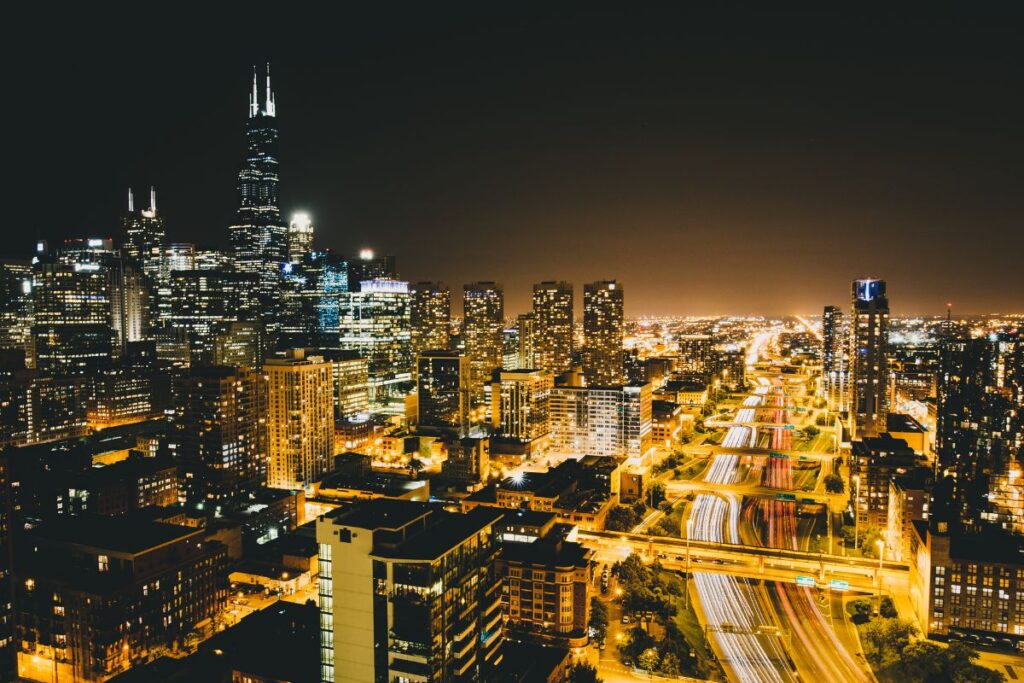
The shift is not just physical, it’s psychological. People will begin to reconnect with their neighborhoods as extensions of their identity.
Conclusion: The Micro-City Is Not the Future, It Is the Present
The 15-minute community represents a bold yet practical revolution in how we design, inhabit, and experience cities. As urban populations grow and sustainability demands increase, micro-cities offer a blueprint for healthier, more resilient, and more human-centered living.
This model empowers residents, strengthens local economies, and protects the environment, all while creating vibrant, connected communities. The micro-city revolution is more than an urban planning initiative; it’s a cultural transformation redefining the meaning of modern life.
If cities continue embracing this model, the future of urban living will be walkable, inclusive, green, and deeply communal. And in a fast-moving world, that kind of proximity to services, nature, opportunity, and each other may be the greatest luxury of all.