
Dollar Slips as Treasury Concerns Weigh on U.S. Currency

The U.S. dollar slipped on Friday, trading near a three-month low against the euro as investors remained concerned about the U.S. Treasury’s plans to expand its purchases of longer-dated government debt. Treasury Secretary Scott Bessent indicated that the government could increase its Treasury buybacks further, following the department’s recent announcement that it would at least double purchases of longer-term debt. The strategy is aimed at easing pressure on bond yields, but investors remain skeptical about its effectiveness. Long-term U.S. Treasury yields have risen sharply this week, with the 30-year yield reaching its highest level since 2007. Analysts have pointed to concerns over the U.S. fiscal outlook, increased government debt issuance, geopolitical tensions and uncertainty surrounding Federal Reserve policy. The rise in Treasury yields has also created additional pressure on the dollar. While the Treasury seeks to contain borrowing costs, markets are increasingly concerned that fiscal pressures could instead be reflected in a weaker U.S. currency. The dollar index remained close to recent lows, while the euro strengthened toward its highest level since May. Sterling also continued to gain against the dollar, reflecting broader weakness in the greenback. Yen Strengthens on Inflation Data The Japanese yen gained against the dollar after data showed that Japan’s core consumer inflation accelerated in July. The stronger inflation figures have reinforced expectations that the Bank of Japan could raise interest rates, providing support to the yen. Markets are now closely watching upcoming central-bank signals, particularly the Federal Reserve’s Jackson Hole symposium, where investors will look for further clues about the direction of U.S. monetary policy. Market Outlook The dollar’s near-term direction will likely depend on a combination of U.S. Treasury yields, Federal Reserve policy expectations, fiscal concerns and global interest-rate differentials. For forex traders, continued weakness in the dollar could keep major currency pairs such as EUR/USD, GBP/USD and USD/JPY in focus, while shifts in U.S. yields could remain a key driver of currency-market volatility.
National Weather Service confirms tornado struck Atlantic Beach on Long Island

Tornado Strikes Long Island’s Atlantic Beach, Causing Extensive Damage The National Weather Service (NWS) confirmed Friday that a tornado touched down in Atlantic Beach, Long Island, on Thursday evening, after moving ashore from the ocean. According to the NWS, radar data, video footage of the waterspout coming ashore, and reports of damage near the Sun and Surf Beach Club confirmed the tornado’s touchdown. The tornado caused extensive damage to local beach clubs, including the Sun and Surf Beach Club. Officials said approximately 50 cabanas were damaged or destroyed. One person suffered a minor head injury but did not require medical treatment. Nassau County officials said there were no serious injuries, and the county’s state of emergency, declared following Thursday’s severe storms and flooding, was lifted Friday morning. The NWS also reported another circulation farther east that may have produced a waterspout near Atlantic Beach and the Five Towns area, although no damage had been linked to that event. The tornado was the first confirmed tornado in Nassau County since 2021. Officials said the storm developed quickly, moving from the ocean onto land, while emergency crews responded to flooding and storm-related incidents across the area. The affected beach clubs, including Sun and Surf and Silver Point, are expected to remain temporarily closed while officials assess the damage. Images: Tornado/waterspout and storm damage in Atlantic Beach, New York.
Oil Set to Surge as Iran Strikes Rattle Global Markets
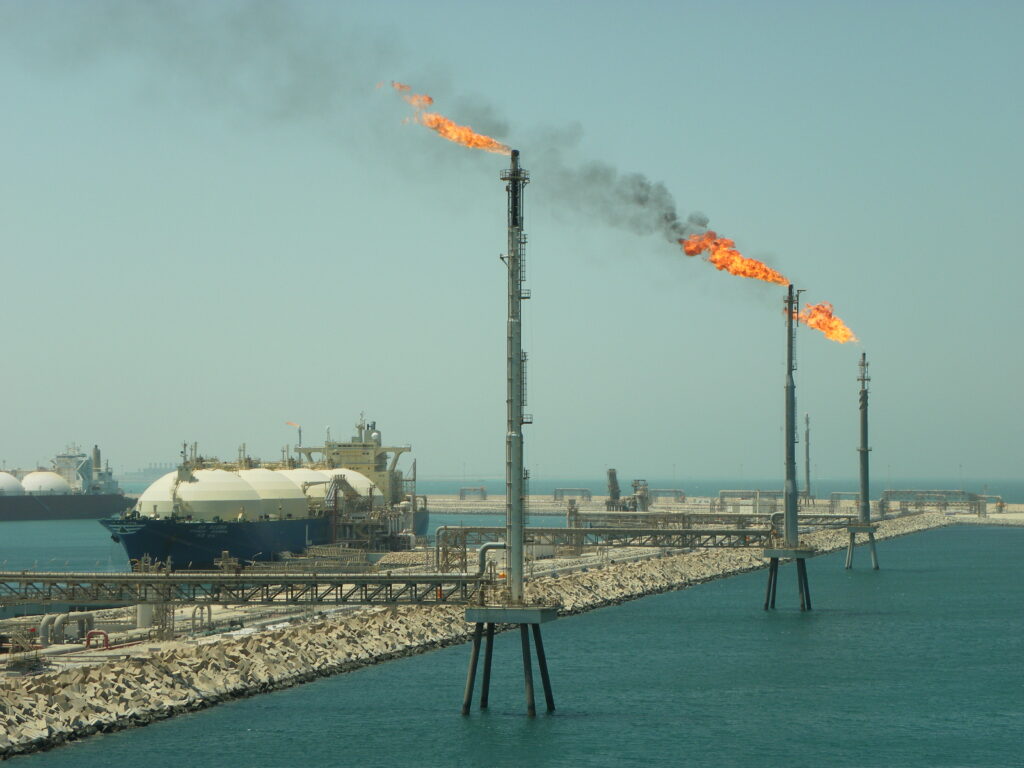
A sharp rise in oil prices looks increasingly likely as conflict involving Iran sends shockwaves through global energy markets. Traders are bracing for volatility after military escalation and the effective closure of the Strait of Hormuz, a vital artery for global oil supply. Early trading signals suggest a significant jump when markets reopen, with investors preparing for ripple effects across fuel costs, inflation and global equities. Strait of Hormuz at the Centre of the Storm At the heart of the crisis lies the Strait of Hormuz, through which roughly 20 per cent of global oil flows. Reports indicate Iranian forces warned vessels against transit, effectively halting traffic through the narrow waterway. Around 500 billion dollars worth of energy trade passes through the strait each year. Tankers carrying crude, liquefied natural gas and refined products have reportedly anchored offshore, waiting for clarity amid rising insurance costs and security fears. Even partial disruption threatens to choke supply chains, with knock on effects for fertilisers, chemicals and food prices. Oil Prices Poised for a Sharp Climb Weekend market data from broker IG suggests US crude could surge by as much as 11 per cent. That would push prices above 74 dollars a barrel, the highest level since mid 2025. Analysts at Barclays believe prices could climb towards 80 dollars if supply disruption deepens. Meanwhile, strategists at Royal Bank of Canada warn that 100 dollar oil is no longer unthinkable under prolonged escalation. A surge in crude typically feeds directly into pump prices. In the UK, the AA has already flagged rising petrol costs, warning that geopolitical tensions may push fuel bills higher for households. Stock Markets Face a Jolt Equity markets are expected to react swiftly. London’s FTSE 100 is projected to open lower after hitting record highs last week. Investors are rotating into traditional safe havens such as gold and government bonds. Across the Gulf, market reactions have been immediate. Several regional exchanges fell sharply, while some countries halted trading entirely amid what officials described as exceptional circumstances. Shipping disruptions are compounding investor anxiety. Ports across the region have suspended operations, while insurers are rapidly repricing maritime risk in the conflict zone. OPEC+ Attempts to Calm Markets In a bid to stabilise prices, OPEC+ agreed to raise output by more than expected in April. The increase of 206,000 barrels per day aims to offset supply fears. Yet the effectiveness of the move remains uncertain. Much of the group’s spare capacity sits with major Gulf producers such as Saudi Arabia and the United Arab Emirates. Both rely heavily on Gulf shipping routes now under strain. Even if production rises, transporting additional barrels may prove difficult until maritime security improves. Shipping and Insurance Risks Rise Attacks on vessels in the region have already been reported, pushing war insurance premiums sharply higher. The UN’s maritime safety body has urged ships to avoid affected waters, underlining the seriousness of the threat. Higher insurance costs and rerouted cargoes could disrupt global trade beyond energy markets, affecting manufacturing and commodity supply chains. A Broader Economic Threat The implications extend far beyond oil. Higher energy costs tend to drive inflation and squeeze consumer spending. Central banks may face renewed pressure as they balance growth concerns with persistent price risks. For motorists, businesses and governments alike, the coming weeks may prove decisive. If the strait remains constrained, the world could face a fresh energy shock at a time when many economies are already fragile. Markets will now watch one variable above all others. Whether the Strait of Hormuz reopens swiftly or remains a geopolitical choke point may determine the next phase of the global economic story.
US and Iran Hold Crucial Geneva Talks to Avoid Conflict
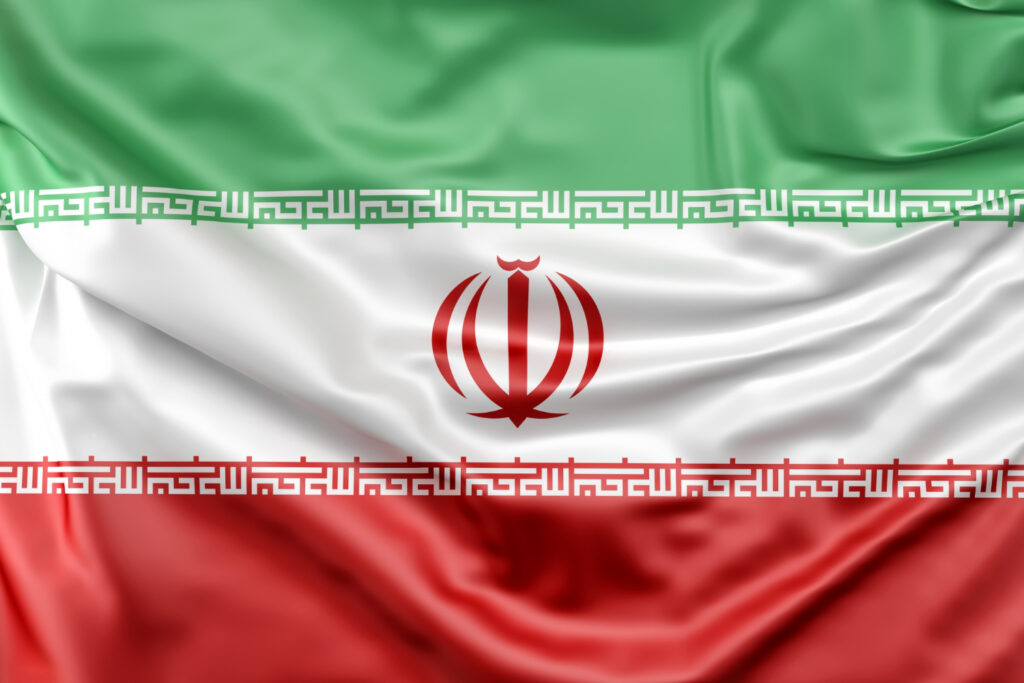
Geneva will host another round of indirect negotiations between the United States and Iran following the last two rounds held in Vienna last month. The United States considers this meeting essential to avoid an escalation into conflict. President Trump suggested that if the United States does not negotiate a new nuclear deal with Iran, then the U.S. could potentially initiate military action against Iran. Conversely, Iran has made it clear that they would retaliate against any act of aggression from the United States. The U.S. has been increasing its military presence in the Middle East since President Trump took office by deploying thousands of troops, aircraft carriers, warships, and fighter jets to the area. Rising Tensions Over Nuclear Programme Iran’s nuclear programme is the primary point of contention in the negotiations. For an extended period, both the US. and Israel have accused Iran of attempting to construct nuclear weaponry, while Iran insists that its nuclear operations are exclusively designed to conduct commercial/peaceful activity. However, because of enriched uranium to levels near weapons-grade, there have been increased suspicions about Iran. Last year, the US, in a coordinated effort with Israel, struck three of Iran’s nuclear facilities; Trump’s administration claimed they were destroyed, but Iran continues to deny all access to verify these claims from the international community. Iran has also stated it would not completely cease uranium enrichment; however, it has been somewhat flexible to the possibility of making concessions related to its uranium enrichment programme. One area in which negotiations may occur is the creation of a regional organisation to supervise the uranium enrichment programme. In addition, Iran possesses an abundant supply of highly enriched uranium, which will likely also be included in the negotiations. Military Threats and Political Pressure President Trump has expressed a preference for a diplomatic resolution but has not ruled out the possibility of limited military action. Recent reports suggest that he may consider targeted strikes against Iran’s Revolutionary Guard Corps (IRGC) or its nuclear facilities if negotiations fail to produce meaningful results. However, Iran has warned that any such action would trigger retaliation against U.S. military bases in the region and against Israel. At the same time, Iran is seeking the removal of economic sanctions as a central condition of any agreement. Tehran has made it clear that it will not accept restrictions on its missile programme or its support for allied groups across the region. This remains a major sticking point in the talks. Both countries are facing pressure from domestic political groups as well as from international stakeholders who are closely monitoring developments. The situation remains highly uncertain, and it is unclear whether the negotiations will lead to a mutually acceptable agreement or further escalation of tensions.
US Tariff Dispute Deepens After Supreme Court Ruling, EU and India Seek Clarity
In the United States, there has been an ongoing controversy since the Supreme Court invalidated President Donald Trump’s procedure for implementing several types of tariffs. The Supreme Court, by a 6 to 3 ruling, ruled that Trump cannot claim the International Emergency Economic Powers Act as the basis for imposing “reciprocal” tariffs on a number of countries. The tariffs Trump imposed ranged between 10% and 50%. Having been a little while since the ruling had taken place, Donald Trump reacted very strongly to it, calling it “un-American” and promising that his administration would impose import duties at a statutory maximum rate of 15%. He also instituted a 10% global tariff on all imported goods. He also criticised some members of the court and said he was unhappy with their ruling. Europe and Australia React The European Union voiced deep concerns. According to Bernd Lange (Chairman of the European Parliament’s Trade Committee), he was going to recommend otherwise and suspend the process for approving the Turnberry Agreement. The EU stated that the current situation is “pure chaos”. They urged the US to follow the terms of the 2018 trade agreement with Europe, reminding the US that in their view “a deal is a deal”. There has been a reaction from the country of Australia regarding the newly introduced 15% tariff on imported goods. According to an official statement from the Government of Australia, there are a number of options available under the law that may be applied to benefit and safeguard their economy. With the continuing trade tensions between the countries involved, US Trade Representative Jamieson Greer stated that to date, no individual countries have terminated their trade agreements with the United States. What It Means for India The developments being closely monitored by India will determine whether or not the proposed reciprocal tariff of 18% that would apply to Indian goods will still be in effect following the Supreme Court ruling. Instead of remaining at 25%, the previous tariff rate may also be decreased to 15%. According to India’s ministry of commerce. They are assessing the circumstances and their potential impact on the two countries’ bilateral relationship. As stated earlier, the US and India have expressed a continued commitment to negotiate a mutually agreeable interim trade agreement, taking into account changes in the law that recently occurred in both countries.
“Bitcoin to Zero” Searches Hit Record in the U.S.

Throughout February, there had been an unprecedented increase in interest concerning the term “bitcoin zero” on Google, which peaked at the time that the price of Bitcoin had approached $60,000 as it fell over 50% from its all-time high reached in October. As prices decline, oftentimes there will be an increase in fear. When fear increases, people begin to question whether the asset will potentially go to zero, which would be reflected in an increase in search trends. Similar price drop patterns occurred in Russia in 2017 & 2018 and were marked by a corresponding increase in local-level U.S. search activity. When these spikes were matched with U.S. dollar-approximated levels (U.S.$1,200 per mt), there were subsequent increases in both value and volume of U.S.-traded water, indicating potential reversals. On the other hand, however, at 4/24/21 14:40 ET, nobody can properly determine if prices will be moving down or back up, given there is already a known history between the two countries. Global Data Tells a Different Story While throughout the world this situation is being viewed differently than in the United States, searches for that term peaked globally in August and have steadily declined since then, with global interest this month significantly below the August peak level. These results indicate that the level of panic in the United States concerning this situation appears to be greater than the panic that is being expressed globally. This discrepancy may be explained by multiple possibilities. Recent US-centric news such as trade tensions, Iran-related issues and weak domestic stock markets might be having a direct impact on the American investor base. On the other hand, Asian and European markets appear to be responding relatively calmly to the decline in Bitcoin’s value as a result of the lack of association between these financial headlines with anything covered by either Asian or European media. Why Search Data Isn’t Perfect It is also important to understand how Google Trends works. The platform does not show the exact number of searches. Instead, it uses a scale from 0 to 100, where 100 represents the highest level of interest during a selected time period. Additionally, it is essential that you understand how Google Trends works. Although the platform does not show you the number of searches that are being conducted, it does use a scale of 0-100 (where 100 is the highest amount of interest during your selected time frame) in order to give you an idea of how much interest there is in a topic or term over a certain period of time. A year ago the number of users of Bitcoin was significantly less than today. Therefore, a search of 100 today does not correlate with the number of users at that time. It only shows the current volume of searches is higher than recent activity in general. Investors feel more fearful today than ever (specifically in the U.S.). While spikes in searches can indicate the end of a market cycle, they aren’t an absolute predictor of price reversals.
US Tariff Dispute Deepens After Supreme Court Ruling, EU and India Seek Clarity
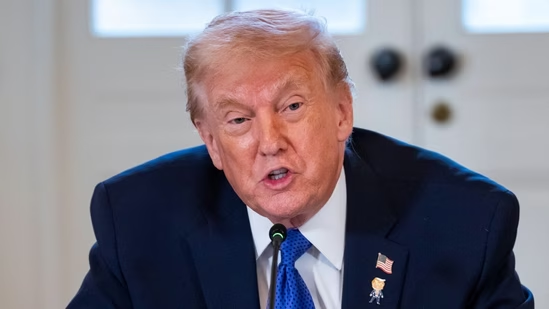
In the United States, there has been an ongoing controversy since the Supreme Court invalidated President Donald Trump’s procedure for implementing several types of tariffs. The Supreme Court, by a 6 to 3 ruling, ruled that Trump cannot claim the International Emergency Economic Powers Act as the basis for imposing “reciprocal” tariffs on a number of countries. The tariffs Trump imposed ranged between 10% and 50%. Having been a little while since the ruling had taken place, Donald Trump reacted very strongly to it, calling it “un-American” and promising that his administration would impose import duties at a statutory maximum rate of 15%. He also instituted a 10% global tariff on all imported goods. He also criticised some members of the court and said he was unhappy with their ruling. Europe and Australia React The European Union voiced deep concerns. According to Bernd Lange (Chairman of the European Parliament’s Trade Committee), he was going to recommend otherwise and suspend the process for approving the Turnberry Agreement. The EU stated that the current situation is “pure chaos”. They urged the US to follow the terms of the 2018 trade agreement with Europe, reminding the US that in their view “a deal is a deal”. There has been a reaction from the country of Australia regarding the newly introduced 15% tariff on imported goods. According to an official statement from the Government of Australia, there are a number of options available under the law that may be applied to benefit and safeguard their economy. With the continuing trade tensions between the countries involved, US Trade Representative Jamieson Greer stated that to date, no individual countries have terminated their trade agreements with the United States. What It Means for India The developments being closely monitored by India will determine whether or not the proposed reciprocal tariff of 18% that would apply to Indian goods will still be in effect following the Supreme Court ruling. Instead of remaining at 25%, the previous tariff rate may also be decreased to 15%. According to India’s ministry of commerce. They are assessing the circumstances and their potential impact on the two countries’ bilateral relationship. As stated earlier, the US and India have expressed a continued commitment to negotiate a mutually agreeable interim trade agreement, taking into account changes in the law that recently occurred in both countries.
‘Grey’s Anatomy’ Star Eric Dane Dies at 53 After Courageous ALS Battle

Eric Dane, best known for his role as Dr. Mark Sloan on Grey’s Anatomy, has died at the age of 53 after battling ALS. His representative confirmed that he passed away peacefully, surrounded by his wife and two daughters. Dane had publicly shared his diagnosis of amyotrophic lateral sclerosis in 2025. Over the past year, he became a strong voice for ALS awareness while continuing to work in Hollywood despite serious physical challenges. A Brave Fight Against ALS ALS, also known as Lou Gehrig’s disease, is a rare and progressive condition that affects nerve cells in the brain and spinal cord. Over time, patients lose muscle control. Dane revealed that he had lost the use of his right arm as the disease progressed. Even as his physical strength declined, Dane remained determined. Speaking at public events, he said he wanted to keep working as long as he could. “I still have my brain and my speech,” he shared in one appearance. “I’m grateful I can still work in any capacity.” He also became an advocate, using his platform to raise awareness and push for more research funding. The Legacy of ‘McSteamy’ Dane first appeared on Grey’s Anatomy in 2006 as Dr. Mark Sloan, quickly earning the nickname “McSteamy.” His character became a fan favorite for his charm, confidence and emotional depth. He was a series regular from Seasons 3 to 8 and returned briefly in 2021. His on-screen romance with Lexie Grey and close friendship with Derek Shepherd made him one of the show’s most memorable stars. After leaving the series, Dane led the TNT drama The Last Ship and later appeared in HBO’s Euphoria. In one of his final performances, he portrayed a firefighter diagnosed with ALS on NBC’s Brilliant Minds — a role that deeply moved cast and crew. Tributes and Family Dane is survived by his wife, actress Rebecca Gayheart, and their daughters, Billie and Georgia. Colleagues and fans have described him as brave, generous and deeply committed to his family. In one of his final public messages, Dane said he hoped to see his daughters grow up and promised to “fight until the last breath.” Though his life was cut short, Eric Dane leaves behind a powerful legacy — not just as a beloved television star, but as a courageous advocate who faced a devastating illness with honesty and strength.
Supreme Court Shocks Washington: 4 Big Fallout Risks After Trump Tariffs Are Struck Down
The U.S. Supreme Court has overturned a large portion of former President Donald Trump’s emergency tariffs, creating political and economic shockwaves across Washington. The decision removes a major revenue source that was expected to generate nearly $2.5 trillion over the next decade. Trump had strongly defended the tariffs, calling them essential for economic leverage and national security. Now, with the ruling in place, serious questions are being raised about federal spending, global trade negotiations, and billions of dollars in refunds. Here are four major issues to watch. 1. Massive Refunds Could Take Over a Year One of the biggest challenges is refunding companies that paid tariffs under the now-invalid policy. Businesses had already filed lawsuits seeking repayment. Estimates suggest the government may need to return up to $175 billion. Treasury Secretary Scott Bessent said refunds will not happen overnight. Payments could be spread out over months and may even take more than a year. While the Treasury has funds available, processing such a large amount will be complicated and slow. 2. A Huge Hole in the Federal Budget The ruling could leave a massive gap in federal finances. The Congressional Budget Office had projected tariffs would raise $2.5 trillion over ten years and reduce interest payments on national debt by $500 billion. Without that revenue, lawmakers may face tough choices. Spending plans tied to tariff income may now require spending cuts, new taxes, or increased borrowing. Fiscal watchdog groups warn the deficit could grow even larger. 3. Trump May Use Other Laws to Reimpose Tariffs The decision does not completely block future tariffs. The administration could rely on other trade laws, including the Trade Expansion Act or Trade Act provisions related to national security or unfair trade practices. However, Trump has argued those options are slower and less flexible than the emergency powers he previously used. Any new tariffs could face legal challenges again, keeping uncertainty alive for businesses and global markets. 4. Global Trade Tensions May Rise Again Foreign leaders reacted carefully to the ruling. Some worry the U.S. could introduce new tariffs under different legal tools. Canada and the United Kingdom have already signaled concerns about possible future trade pressure. Trump had previously warned of “payback” from countries and companies if tariff leverage disappeared. That statement adds tension to ongoing trade talks. Markets and foreign governments are now watching closely to see what comes next. The ruling may have ended one chapter of Trump’s tariff strategy, but the trade battle appears far from over.
Trump Weighs Potential Iran Strikes, Decision Still Pending
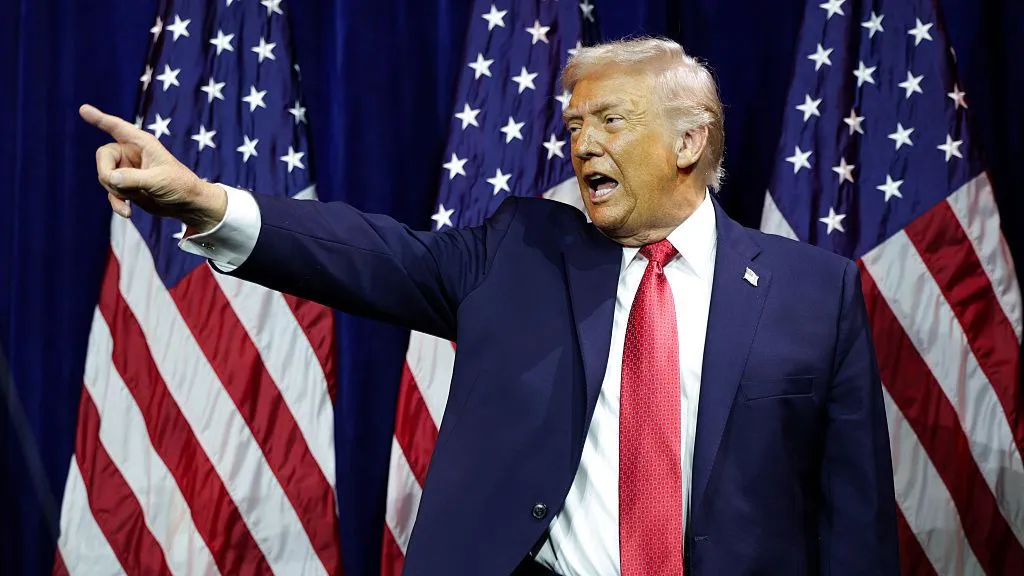
Top U.S. national security officials have informed President Donald Trump that the military is prepared for possible strikes on Iran as soon as this weekend. Sources familiar with the discussions told CBS News that while planning is underway, no final decision has been made, and any military timeline may extend beyond Saturday. Officials, speaking on condition of anonymity, described conversations at the White House as fluid, with ongoing deliberations over the risks of escalation and the broader consequences of restraint. Diplomacy Still on the Table On Thursday, Trump addressed the state of negotiations with Iran, stating, “We’re either going to get a deal or it’s going to be unfortunate for them.” He estimated that a resolution could take up to 10–15 days, signaling urgency in ongoing diplomatic efforts. White House Press Secretary Karoline Leavitt emphasized that diplomacy remains the administration’s first option. Speaking to reporters, she noted that while there are “many reasons and arguments that one could make for a strike against Iran,” no decision has been made and coordination with allies, including Israel, has not been confirmed. Strategic Personnel Movements Over the coming days, the Pentagon is temporarily moving some personnel out of the Middle East, primarily to Europe or the U.S., ahead of potential U.S. operations or retaliatory action by Iran. One official stressed that such repositioning is standard practice and does not indicate an immediate attack. Leavitt cited a successful operation in June targeting Iran’s nuclear facilities as part of the administration’s strategic record, adding, “Iran would be very wise to make a deal with President Trump and with his administration.” Carrier Groups and Regional Posture The U.S. has already deployed the USS Abraham Lincoln aircraft carrier group to the region. A second carrier group, the USS Gerald Ford, is en route, currently off the coast of West Africa. These deployments are intended to strengthen U.S. military readiness as negotiations continue. Iran’s Supreme Leader, Ayatollah Ali Khamenei, responded with an AI-generated post depicting the Gerald Ford at the bottom of the ocean. In the message on X, he warned of “weapons more dangerous than the warship itself,” signaling Tehran’s own military posture. Ongoing Nuclear Negotiations Diplomatic talks between Iranian and American negotiators took place Tuesday in Geneva, Switzerland, focusing on Iran’s nuclear program. Discussions lasted several hours, and while progress has been reported, significant gaps remain, according to Leavitt. She indicated that Iran is expected to provide further details in the coming weeks, with follow-up consultations yet to be scheduled. Historical Context of U.S.-Iran Tensions The backdrop to current tensions includes last year’s military strikes jointly conducted by the U.S. and Israel against Iran’s nuclear facilities. Intelligence assessments suggested these strikes caused substantial damage to Iran’s enrichment program, which had been ramped up following the U.S. withdrawal from the 2014 nuclear deal. The International Atomic Energy Agency noted that Iran was enriching uranium to 60% purity—just short of weapons-grade levels—making the situation particularly sensitive. During a December meeting at Mar-a-Lago, Trump reportedly expressed support for potential Israeli strikes on Iran’s ballistic missile program if a bilateral deal could not be reached. Iranian authorities have issued warnings to pilots in the southern region of the country regarding rocket activity, further heightening regional tension. Balancing Risk and Decision-Making The administration faces a complex set of calculations, weighing the potential for escalation against the necessity of maintaining strategic deterrence. All military forces slated for deployment to the region are expected to be in place by mid-March, providing the U.S. with operational flexibility as negotiations continue. Secretary of State Marco Rubio plans to meet Israeli Prime Minister Benjamin Netanyahu in roughly two weeks to discuss the evolving situation, highlighting the ongoing coordination with allies. Next Steps As of now, no timeline has been officially confirmed for action. The White House continues to monitor developments closely, balancing the readiness of U.S. forces with the possibility of a negotiated settlement. Trump and his team appear determined to keep diplomatic channels open while signaling a willingness to act if Iran fails to reach an acceptable agreement. The coming days may prove decisive in determining whether the administration leans toward military action or achieves a breakthrough in nuclear negotiations, underscoring the high stakes of U.S.-Iran relations in early 2026.