
McDonald’s Plans Protein-Forward Menu Amid Growing Weight Loss Drug Use

Protein is rapidly becoming a top trend in the food industry, and McDonald’s is taking notice. CEO Chris Kempczinski recently discussed the company’s interest in expanding its protein-focused menu to appeal to customers using GLP-1 (glucagon-like peptide-1) medications, such as Ozempic and Wegovy. These drugs, approved for weight loss in 2021, have surged in popularity in the U.S., with use among adults more than doubling between 2024 and 2025, according to a Gallup National Health and Well-Being Index survey. During a Feb. 11 earnings call, Kempczinski acknowledged the growing number of customers adopting GLP-1 medications. “We’re certainly spending a lot of time and paying close attention to it,” he said. Despite this trend, he noted that McDonald’s has not yet seen any significant impact on sales, emphasizing that protein remains highly relevant to these consumers. GLP-1 Medications and Changing Eating Habits GLP-1 drugs help users manage weight by prolonging feelings of fullness, which can lead to reduced calorie intake, less snacking, and diet modifications. Experts recommend sufficient protein consumption for users, as rapid weight loss can result in muscle loss. Kempczinski highlighted that McDonald’s menu already includes “great protein offerings,” ranging from chicken strips and fish options to snack wraps and sausage biscuits. While the company is not currently testing entirely new protein products, it is exploring ways to expand and adapt its menu based on evolving customer preferences. McDonald’s “Protein-Forward” Menu Executive Vice President and Chief Restaurant Experience Officer Jill McDonald reinforced the brand’s protein focus, stating, “We have a number of items on the menu that customers who are on GLP-1 are enjoying. We do have a history of staying close to customers, and innovating and adapting our menu as required.” Snack wraps, a longstanding protein-rich option, will return to menus at participating restaurants nationwide on July 10, signaling the company’s commitment to meeting customer demand for protein-forward choices. Jill McDonald also noted that McDonald’s is continuing to experiment with new ideas that align with customer needs and preferences. The Protein Trend Across the Industry McDonald’s move reflects a broader trend in the food industry. From Target focusing on wellness foods to Starbucks and Dunkin’ adding protein drinks, companies are responding to growing consumer interest in protein. Other chains, like Subway, have introduced Protein Pockets, while Chipotle launched a High Protein Menu featuring a 4-ounce cup of meat. The momentum is further supported by updated dietary guidance. On Jan. 7, U.S. Secretary of Health and Human Services Robert F. Kennedy Jr. released new dietary guidelines recommending higher protein intake and reduced consumption of sugar and ultra-processed foods. “As Secretary of Health and Human Services, my message is clear: Eat real food,” Kennedy said. Looking Ahead McDonald’s is closely monitoring how GLP-1 medications will shape customer habits. As more consumers adopt these drugs, the fast-food giant expects shifts in eating patterns that may influence menu innovation. While the specifics of a GLP-1-focused menu remain undisclosed, the company emphasizes that any expansion will be led by customer feedback and demand. Kempczinski concluded that McDonald’s is “fortunate” that protein appeals to a wide range of consumers, including those using GLP-1 drugs. By focusing on protein-forward offerings, the company aims to remain relevant in a market increasingly influenced by health-conscious decisions and weight management trends. As the popularity of GLP-1 medications grows, McDonald’s appears poised to balance indulgence with nutrition, catering to customers seeking protein-rich options without compromising convenience or taste.
Trump’s Immigration and Job Approval Ratings Decline in Latest Poll
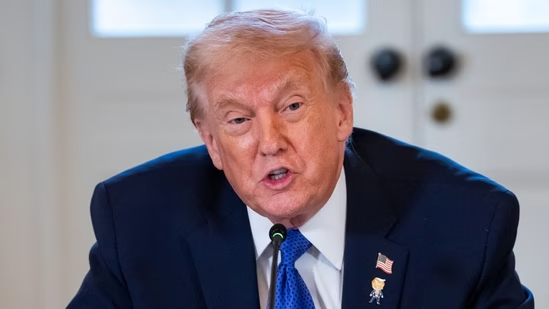
A new national survey shows that President Donald Trump is facing falling support, especially on immigration. Immigration has long been one of his strongest political issues. During his campaign and early months back in office, many supporters praised his strict border policies and deportation plans. However, the latest numbers suggest that public opinion may be shifting. The findings come from a recent poll conducted by Reuters and Ipsos. The results show a noticeable drop in approval ratings compared to the start of his current term. Immigration Approval Falls to 38% According to the Reuters/Ipsos survey conducted between February 13 and 16, only 38% of Americans approve of President Trump’s handling of immigration. At the beginning of his term, that number stood at 50%. This means his approval rating on immigration has dropped by 12 percentage points. The poll was based on a random sample of 1,117 adults from across the United States. The margin of error is plus or minus 3 percentage points. While there was also a slight drop in January, that earlier change was not considered statistically significant due to the margin of error. However, the current decline appears more noticeable. Immigration has often been viewed as one of Trump’s strongest issues. His campaign promises focused heavily on border security, deportation efforts, and stricter enforcement. Many voters who supported him believed he would take strong action to reduce illegal immigration. For a long time, public opinion on immigration was more favorable toward him compared to other issues such as the economy. Decline Among Male Voters One of the most striking parts of the poll is the drop in approval among men. In early 2025, nearly half of male voters approved of Trump’s immigration policies. Now, that number has fallen to 41%. This decline is important because male voters have traditionally been a strong support base for him. Losing ground among this group could signal broader concerns about how immigration policies are being carried out. Some observers believe that recent events may have influenced public opinion. A few days before the poll, President Trump announced that his administration would end an immigration enforcement operation in Minnesota. The operation had drawn attention after federal agents shot and killed two U.S. citizens. The incident sparked criticism and raised questions about enforcement methods. While it is difficult to measure the direct impact of this event on polling numbers, it may have contributed to changing public views. Overall Job Approval Remains Low The same Reuters/Ipsos poll shows that Trump’s overall job approval rating is also at 38%. This number has not changed since the end of January. However, compared to the beginning of his term, when he had a 47% approval rating, it represents a clear decline. Other polling averages show similar patterns. Data compiled by The New York Times and RealClearPolitics indicate that Trump has faced below-average approval ratings since returning to the White House. According to RealClearPolitics data from early February, Trump received 42% positive evaluations and 55% negative evaluations. This results in a net approval rating of minus 13 points, which is one of the lowest net scores of his current term. A negative net approval means that more people disapprove of his performance than approve of it. Comparing Immigration to Other Issues While immigration once stood out as one of Trump’s strongest areas, the latest data suggests that support is weakening. In the past, even when his overall job approval was low, immigration remained a relative strength. Many voters believed he was more decisive and firm on border security than other political leaders. Now, with immigration approval matching his overall approval rating at 38%, the issue no longer appears to give him a clear advantage. This shift may affect political strategy moving forward. If immigration support continues to decline, it could change how his administration communicates its policies and priorities. What the Numbers Mean Going Forward Polls represent public opinion at a specific moment in time. They can change depending on events, economic conditions, and political developments. The margin of error also reminds readers that small changes should be viewed carefully. Still, a 12-point drop from 50% to 38% is significant. It suggests that some voters who once supported Trump’s immigration policies may now have concerns. Whether this decline continues or stabilizes will depend on future actions and public response. For now, the latest survey paints a clear picture: President Donald Trump’s approval ratings on immigration and overall job performance have fallen compared to the start of his term. As new policies and events unfold, these numbers will likely remain closely watched by both supporters and critics across the country.
US Tax Refund 2026: How to Check IRS Refund Status Online
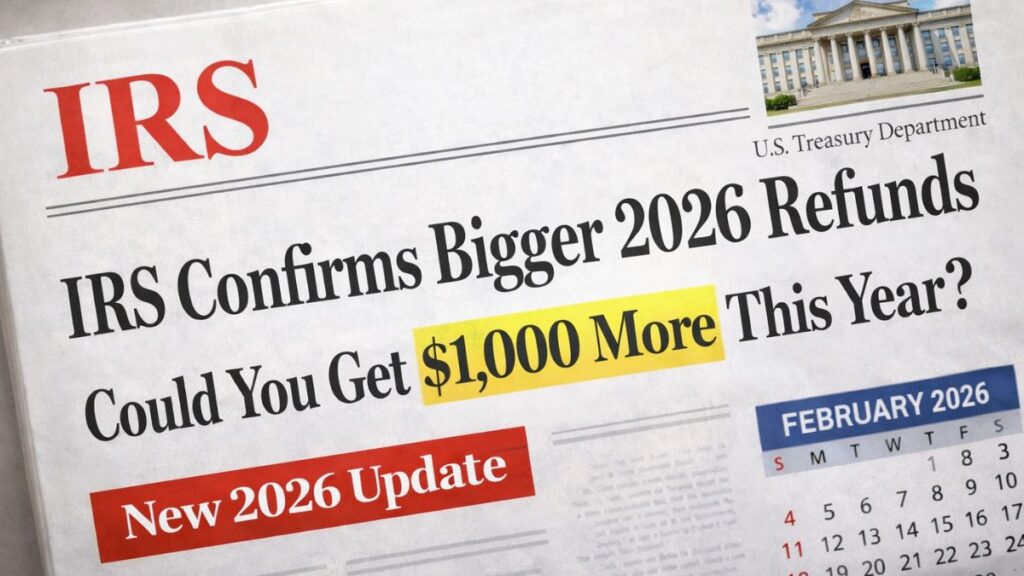
As the 2026 tax season moves forward, millions of Americans are eager to know when their refunds will arrive. The Internal Revenue Service (IRS) provides simple and secure tools that allow taxpayers to track their refund status in real time. If you’ve already filed your return, here’s everything you need to know about monitoring your IRS refund progress. What Is the ‘Where’s My Refund?’ Tool? The IRS offers an online tracking feature called “Where’s My Refund?” This tool is available 24 hours a day on IRS.gov and through the official IRS2Go mobile app. It allows taxpayers to check the status of their federal tax refund quickly and safely without calling the IRS. When Can You Start Tracking? You can check your refund status: The system updates once per day, usually overnight. It may be temporarily unavailable between 4:00 a.m. and 5:00 a.m. Eastern Time while updates are processed. Information Required to Check Refund Status Before accessing the tool, make sure you have the following details ready: Entering accurate information is important to avoid errors or delays. Understanding the Three Refund Status Phases The refund tracker displays progress in three simple stages: 1. Return Received The IRS has received your tax return and is currently processing it. 2. Refund Approved Your refund has been approved, and the IRS is preparing to issue your payment. At this stage, the tool will provide an estimated refund date. 3. Refund Sent Your refund has been sent to your bank via direct deposit or mailed as a paper check. How Long Does It Take to Get a Refund? Most refunds are issued within 21 days for electronically filed returns with direct deposit. However, some refunds may take longer due to: Final Thoughts Tracking your 2026 US tax refund is simple with the IRS online tools. By keeping your details ready and checking the status once daily, you can stay informed without unnecessary stress. Filing electronically and choosing direct deposit remain the fastest ways to receive your refund.
Trump Excludes Two Democratic Governors Ahead of White House Dinner
President Donald Trump has confirmed he will not invite two Democratic governors—Maryland’s Wes Moore and Colorado’s Jared Polis—to a White House meeting and dinner scheduled next week, despite claims from the National Governors Association (NGA) that all governors were invited. The announcement, made on Feb. 11 via Trump’s social media platform, Truth Social, has intensified tensions ahead of what is traditionally a bipartisan gathering. Trump’s post emphasized his stance: “The invitations were sent to ALL Governors, other than two, who I feel are not worthy of being there.” His remarks underscored a selective approach that has left Democratic leaders frustrated and politically mobilized. NGA’s Response and Historical Context Earlier, the NGA had issued a statement praising Trump for agreeing to “welcome governors from all 55 states and territories to the White House,” irrespective of party affiliation. However, Trump disputed that characterization, asserting that NGA Chairman Kevin Stitt of Oklahoma “incorrectly stated my position” regarding the event. Historically, White House dinners with governors have been bipartisan, offering a forum for leaders from both parties to discuss national issues. Trump’s selective invitations mark a notable departure from tradition, prompting a political stir and raising questions about the administration’s approach to cross-party engagement. Democratic Governors Announce Boycott The exclusion of Moore and Polis has triggered a significant response from Democratic governors. On Feb. 10, 18 Democratic governors announced they would boycott the White House events entirely. Among those joining the boycott are potential 2028 presidential contenders, including: This collective action signals the growing political divide and a broader critique of what Democrats view as an exclusionary approach by the White House. Trump Explains His Reasons Trump provided specific reasoning for disinviting the two governors. He cited Colorado’s continued imprisonment of Tina Peters, a former county clerk convicted for allegedly allowing unauthorized access to voting system data in a bid to support unsubstantiated 2020 election claims, as the rationale for excluding Gov. Polis. Regarding Gov. Moore, Trump referred to him as “the foul-mouthed Governor of Maryland,” criticizing the ongoing crime issues in Baltimore and revisiting a past controversy regarding Moore’s Bronze Star military recognition. These personal and political judgments reflect Trump’s unconventional approach to invitations, emphasizing loyalty and perceived competence over tradition or protocol. Reactions from the White House White House Press Secretary Karoline Leavitt defended Trump’s prerogative, stating during a Feb. 10 briefing, “The president has the discretion to invite whomever he wants to the White House, and he welcomes all those who received an invitation to come. And if they don’t want to, that’s their loss.” Leavitt’s statement underscores the administration’s position that attendance is optional and frames any absence as a choice by the governors, rather than a unilateral snub. Political and Media Implications Trump’s decision to exclude Moore and Polis has sparked widespread media coverage and debate about the partisan nature of presidential outreach. While some Republican governors remain engaged and supportive of Trump’s approach, the collective Democratic boycott highlights a deepening partisan divide and could have implications for the 2026 midterm cycle and the 2028 presidential race. By publicly singling out governors for exclusion, Trump has framed the gathering as a selective showcase rather than a bipartisan forum. Analysts suggest that this approach may bolster support among loyalist constituents while alienating moderates and Democrats, intensifying political polarization. What’s Next for the White House Dinner The meeting and dinner are scheduled to coincide with the NGA’s annual winter meeting in Washington, DC, from Feb. 19 to 21. With multiple Democratic governors declining participation, the event may largely feature Republican leaders, raising questions about the efficacy of cross-party dialogue at the federal level. Trump, meanwhile, continues to emphasize that he has invited “all other Governors, Democrat and Republican,” including prominent Democratic leaders such as Govs. Newsom and Pritzker, signaling that some Democrats could still choose to attend. Whether they do so remains uncertain, as the political stakes around participation are high. Conclusion Trump’s insistence on excluding Governors Moore and Polis marks a significant departure from the traditional bipartisan nature of White House gatherings. The resulting Democratic boycott and public dispute with the NGA highlight the ongoing partisan tensions in American politics. As the White House dinner approaches, the focus will remain on which governors ultimately attend, how the administration navigates criticism, and what this signals for political engagement across party lines.
WHO Responds to U.S. Withdrawal Notification, Warns of Global Health Risks
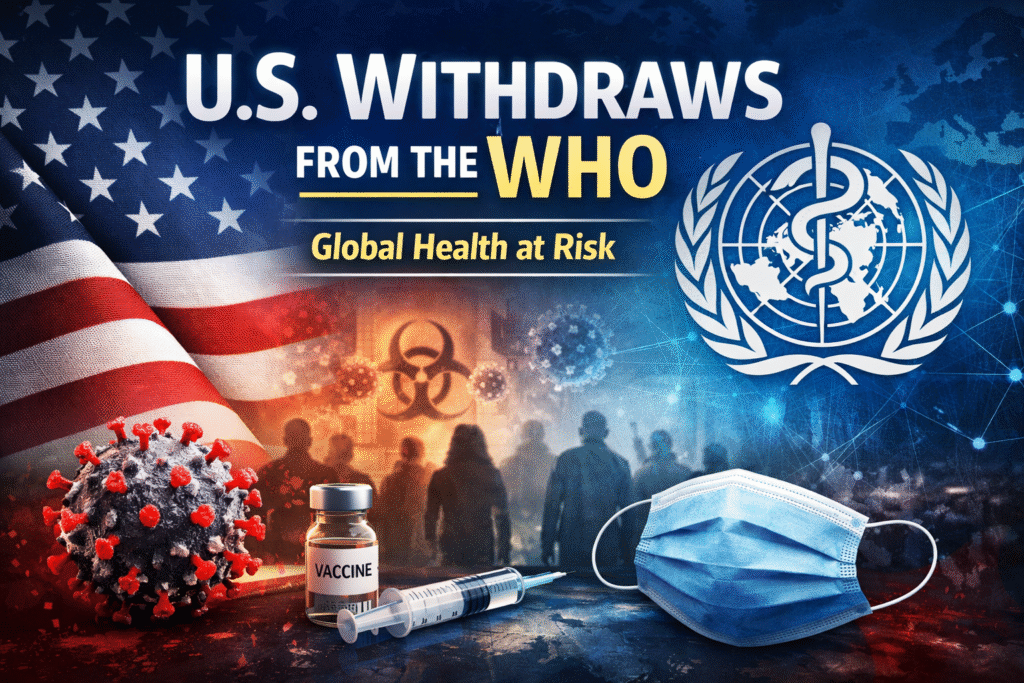
The World Health Organization (WHO) has formally responded to the United States’ notification of withdrawal, calling the decision a setback for both national and global public health security. As one of WHO’s founding members, the United States has historically played a key role in many global health achievements, including the eradication of smallpox and major progress against diseases such as polio, HIV, tuberculosis, malaria, Ebola, and influenza. WHO stated that the withdrawal could weaken international cooperation at a time when collective action remains essential to address health threats that cross borders. Concerns Raised by the U.S. Government In its explanation, the U.S. government criticized WHO’s independence and accused the agency of mismanaging the COVID-19 pandemic response. WHO strongly rejected these claims, saying it has always engaged with the United States in good faith and respects the sovereignty of all member nations equally. The organization emphasized that it operates impartially and is guided by its 194 Member States rather than political interests. Defending the COVID-19 Response WHO defended its actions during the early days of the pandemic. After the first reports of unexplained pneumonia cases in Wuhan on 31 December 2019, the agency quickly sought more information, activated emergency systems, and began sharing updates globally. By January 2020, WHO had issued alerts, convened experts, and provided guidance to countries. It clarified that while it recommended masks, vaccines, and distancing, it did not mandate lockdowns or vaccine requirements. Final policy decisions, WHO said, were always made by national governments. Strengthening Future Preparedness Following multiple reviews, WHO has worked to improve its preparedness systems and support countries in building stronger responses to future outbreaks. Member States recently adopted the WHO Pandemic Agreement, aimed at faster pathogen detection and fair access to vaccines and treatments. Looking Ahead Despite the withdrawal notice, WHO remains hopeful that the United States will return to active participation. The organization reaffirmed its mission to protect global health and ensure the highest standard of care for people everywhere, stressing that health security depends on cooperation, not separation.
India-US Trade Deal: Tariffs Slashed, $500 Billion Trade Target Set
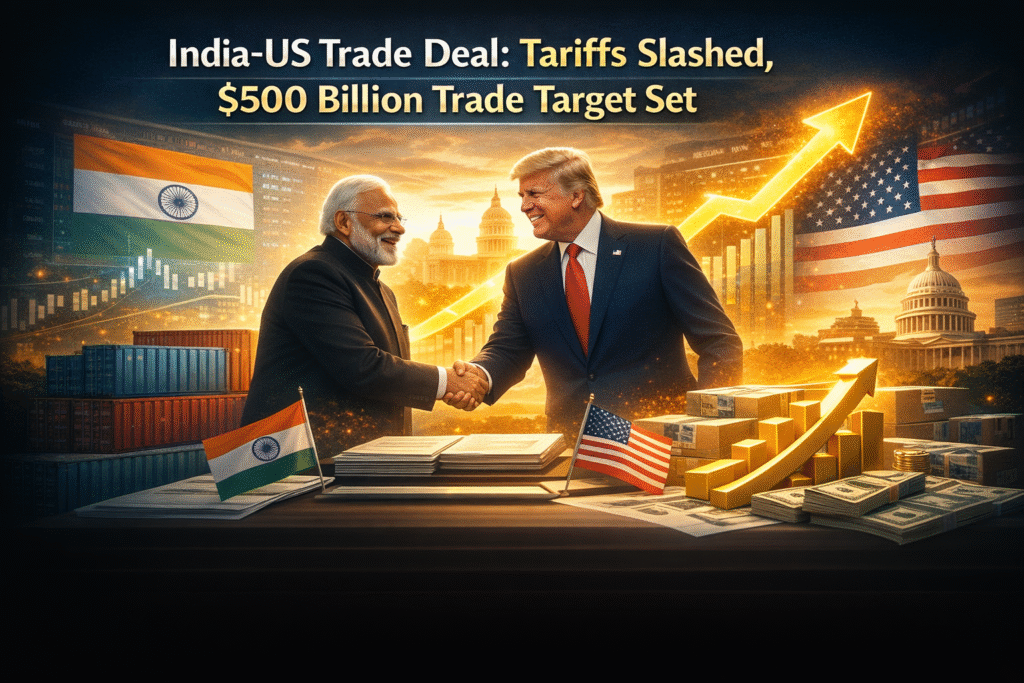
New Delhi: In a major boost to bilateral trade, India and the United States have finalised an interim trade agreement that promises to reshape commerce between the two economic giants. The deal notably cuts US tariffs on Indian goods to 18 per cent, while the US withdraws the additional 25 per cent duties it had previously imposed on Indian imports. Here’s what the agreement entails: Lower Tariffs and Market Opening In the agreement, India has agreed to eliminate all tariffs on industrial products from the US and a large number of agricultural products, including dried distillers’ grains, red sorghum and nuts, as well as many types of both fresh and processed fruits, soybean oil, wine and spirits. The US has committed to applying an 18% tariff on key categories of Indian exports, such as text/image tags, textiles & apparel, leather & footwear, plastic & rubber, organic chemicals, home decor, and artisan goods. Pharmaceuticals, Gems & Aircraft Once the interim trade agreement becomes fully operational, the US will also eliminate reciprocal tariffs on several categories of products imported from India, including generic medication, gemstones & diamonds and aircraft components. In addition, certain aircraft and components for importing into the US will immediately be exempt from any duty upon importation, thereby facilitating trade between India and the US. Non-Tariff Barriers Both countries have agreed to work towards eliminating the many non-tariff barriers currently stopping/troubling trade between their respective countries. To accomplish this objective, India is committed to eliminating any/all barriers that may obstruct access to their market by US-produced medical devices, US-produced ICT products, and US-produced food & agricultural products, as well as creating an easier and more efficient way for companies to get through the import licensing to gain access to their market. Huge Trade Target India has committed to buying $500 billion worth of US products over the next five years, with major categories including energy, aircraft and their parts, precious metals, technology goods and coking coal. The two countries also intend to work together to explore technology innovations, including new uses for GPUs in data centres, as they continue to strengthen the economic and strategic basis of their relationship. Moving Forward The interim trade framework sets a solid foundation for both sides to continue their talks under the Broad Trade Agreement (BTA), when the US will consider requests from India regarding tariff reductions on Indian exports in order to expand market access and improve economic ties between the two nations. This will provide a historic opportunity for India’s relationship with the US, with both countries now on track for increased trade volumes and access to each other’s markets, with a mutual goal of having $500 billion in bilateral trade in five years. This benefits traders, buyers and consumers in both India and the United States by creating greater certainty regarding future trades and increased flexibility within the trading system between those two countries.
Bitcoin Falls Below $65,000, Markets Under Pressure

For the first time in over a year, Bitcoin has slipped below $65,000, its lowest point. This fundamental downturn is caused by severe levels of fear in global equity markets and heavy selling pressure on cryptocurrencies. At press time, Bitcoin was priced at approximately $64,353, down nearly 10% for the day and more than 33% for the last 12 months. Bitcoin reached its all-time high of $126,000 in October 2025; this fall represents continued declines for the currency. What Caused the Sudden Drop Traders are pulling their investments out of riskier assets due to increasing uncertainty in the market, according to research teams at CoinDCX and CoinSwitch. With the announcement of Donald Trump’s second term as US President, many traders had high expectations for an improvement in the equity markets, but instead, policy issues are causing increased volatility. In the past 24 hours, over $1 billion of Bitcoin positions have been liquidated, primarily due to large long trades (i.e., traders who expected prices to increase and thus held Bitcoin for the long run) being sold off. This has caused an even further decline in prices. Bitcoin has also now broken below a critical level of technical support, which has triggered additional automatic selling. Broader Crypto Market Turns Bearish It is not only Bitcoin that has suffered weakness, as the total value of the cryptocurrency market has decreased to $2.23 trillion with an over 10% drop in one day. Ethereum has dipped below $2000, with large amounts being lost on other well-known cryptocurrencies such as Binance Coin, XRP, Solana and DogeCoin. The market sentiment has turned to an “extreme fear” level, indicating a cautious approach by investors. What Experts Expect Next Analysts feel that despite a large drop, the price of Bitcoin is still finding a key long-term support level at around the US$58,000 level. If prices stay above the US$60,000–US$62,000 level, it could lead to more stability in the market and/or allow for some time for the market to recover. Conversely, if selling continues, it is possible that Bitcoin will fall back down toward the US$56,000 level. Experts believe that shorter-term traders should consider being more cautious about their trading plans, while longer-term traders may see this period of time as an opportunity to purchase gradually. For the time being, crypto prices are expected to remain volatile while the markets are looking for more clarity on the economy and on policies of leading central banks.
Don Lemon Charged After Anti-ICE Protest Disrupts Minnesota Church Service

On January 18, when Don Lemon (a former CNN anchor) got arrested and charged in connection to this incident at Cities Church in St Paul, MN, Don and others were in attendance for an ongoing religious service. Don entered the church because he and others were protesting ICE. The group alleged that one of the pastors at the church had a working relationship with ICE. The protest led to escalating tensions between worshippers and protesters as the protest commenced and disrupted the service. Arrest and Court Appearance Federal agents arrested Lemon and eventually released him once he appeared in court; however, Lemon did not enter a plea. After being released, Lemon spoke with reporters and stated that he was arrested while doing his job as a journalist. He also stated that he was guilty only of reporting on the news and that he would not be silenced. Lemon described his arrest as an affront to the First Amendment. Charges Filed Against Lemon Prosecutors previously charged Lemon with both conspiracy to deprive rights and conspiracy to interfere with religious freedoms. Authorities have alleged that Lemon and others engaged in actions which amounted to a disruption of the church service; additionally, that they intimidated parishioners of the church and blocked access to the inside of the church to individuals who wished to move freely within its confines. The indictment described Lemon as assisting in maintaining confidentiality for the plan of the protest, as well as being a participant in a coordinated action when he entered the church on the date of the occurrence. What Prosecutors Are Alleging The authorities contend that Lemon and the other demonstrators occupied the primary aisle plus front seating areas of the church, creating chaos and creating fear. Additionally, prosecutors allege that Lemon confronted congregants at the church entrance and physically impeded the exiting congregants on the way out. Video evidence shows demonstrators and congregants arguing loudly with one another during the worship service. Lemon’s Response and Legal Defence Lemon claims that he was at the protest as a member of the press and is therefore not responsible for the actions of protesters. Lemon’s attorney has issued a statement indicating that Lemon will vigorously contest these charges in court and believes that this case represents an unprecedented assault on the First Amendment by the government and serves to draw attention away from other national issues. Political and Public Reactions Nationwide responses have been widespread. The Trump Administration is defending the charges as being related to an organised assault on the right to practise one’s religion freely. The White House posted a social media entry seemingly mocking Lemon’s arrest. At the same time, CNN stated that many of their journalists are extremely concerned regarding freedom of the press. Karen Bass, the Mayor of Los Angeles, stated that Lemon’s arrest was extremely shocking and very frightening. Broader Concerns About Press Freedom Recent events have brought new anxiety for free speech proponents. It also follows another very recent event in which a federal officer executed a search warrant at a journalist’s home. The ongoing protests in Minneapolis against Immigration and Customs Enforcement have added more drama to the struggle between government power and the ability for news organisations to conduct their business free from harassment.
Beth Galetti: The Amazon HR Leader Behind the Latest Global Layoffs

Who Is Beth Galetti? As senior vice president of people experience and technology at Amazon, Beth Galetti leads all aspects of human resources, as well as overseeing employee satisfaction and technology used by employees. This includes management of human resource systems, employee benefits plans, employee development, and internal technology platforms that facilitate the use of technology by a large number of employees around the world. Amazon’s Layoff Announcement According to Galetti, Amazon is going to eliminate approximately 16,000 jobs globally through corporate downsizing. This is the second round of corporate layoffs within a short period of time. The layoff rounds are part of Amazon’s effort to streamline its operations, which includes reducing unnecessary management layers. As outlined by Galetti, this change will allow Amazon to have more employee ownership, quicker decision-making and fewer internal bureaucracies. What the Layoffs Mean for Employees Galetti indicated through her communication to workers that impacted U.S. employees will be given 90 days to search for new positions within Amazon. Employees unable to secure a new position will receive severance payment and other forms of assistance. It states that the policies and procedures being implemented will help ensure fairness and allow for the company’s reorganisation to be more effective. Galetti’s Career Journey Beth Galetti was hired by Amazon in 2013 as a vice president of human resources. Before coming to Amazon, she worked at FedEx for approximately ten years in various senior director and senior manager positions related to technology and operations. Since joining Amazon, Beth has taken on more and more responsibilities and eventually attained the top HR leadership position in the company. Her Role Beyond Amazon Overseeing the HR systems and technology systems that support 1 million employees worldwide at Amazon is Galetti. She is responsible for many initiatives, including the employee development programme and the return-to-office policy. Galetti graduated from Lehigh University with a degree in engineering and received her MBA from Colorado Technical University. Galetti also serves on the Board of PATH, a global health nonprofit, and lives in Seattle with family members.
Big Tech vs Regulators: The Growing Battle Over Control
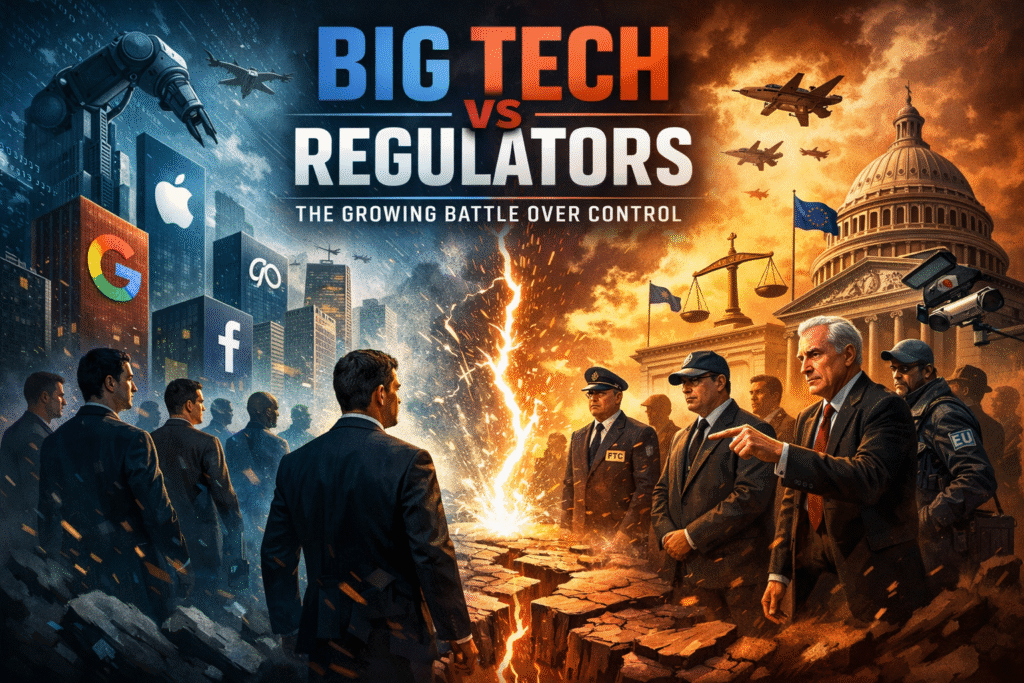
Large tech corporations are some of the most powerful entities in the world today. They include Google, Amazon, Meta, Apple, and Microsoft; they have changed how we shop, communicate, do our jobs, and think. As a result of their increasing power and influence, there is now a struggle between governments and regulators around the world regarding how much control large tech companies should have over the digital world. Why Governments Are Stepping In According to regulators, major technology firms currently dominate numerous sectors of the economy; therefore, they are preventing local start-ups from being able to thrive within their respective functionalities. In addition, government regulators want to ensure that consumers are being protected when it comes to their personal information and private information; thus, data privacy issues, online safety matters, false advertising and discriminatory business practices have become major focal points of regulatory initiatives, and therefore, new regulations are needed to not only protect consumers but also keep the market competitive. Big Tech’s Side of the Argument Large technology companies argue that if new regulation is implemented, innovation would be hindered. The technology giant asserts that many users choose their product based on price, availability, and ease of use but would not continue to do so if there was government control placed on those products because it may cause their digital service to be affected, in turn making those companies (and the United States) less globally competitive. In addition, many of the leaders of various technology companies believe that the current law is not reflective of the rapid evolution of the digital world. Key Areas of Conflict Conflicts are occurring primarily in two areas – data privacy and competition among companies via acquisitions. Governments are accusing tech companies of blocking their competition by acquiring their companies and utilising unfair behaviours. Furthermore, there is an increasing concern over the management of content. In this case, authorities are requesting tech companies take measures to monitor, regulate and control improper use of the internet as it relates to fake news and harmful content, whereas tech companies are concerned about having to circumvent past practices in their management of content and about how much responsibility will be placed upon them for free speech. Global Impact of New Rules Countries are taking unique paths; while Europe has placed restrictions on technology firms by instituting stringent rules, they have also launched several lawsuits against technology companies to enhance the level of behavioural scrutiny that applies to large technology firms. In India, for example, regulators are exploring various legal avenues related to data storage, domestic compliance, and fair competition in order for these standards to encourage the global modifications in how the industry conducts its day-to-day business. What This Means for the Future The battle of large technology firms versus government regulators is not over. With the advancement of technology, the emergence of new challenges continues. The outcome may ultimately determine the future of the internet, business creation and user rights. Finding the balance between freedom and control from each side will probably be the biggest challenge for both sides.