
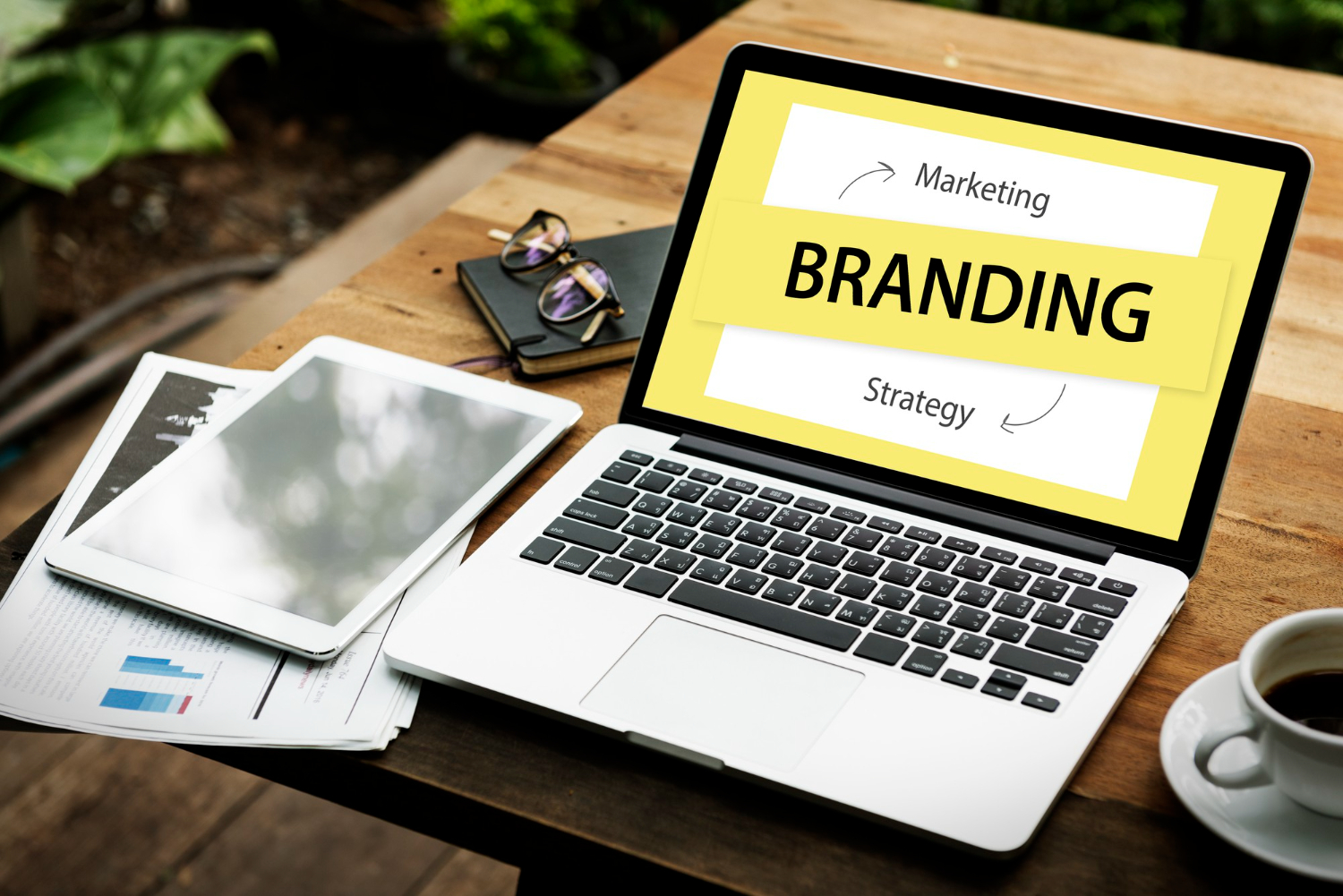
Performance Marketing Isn’t Broken—It’s Saturated
For years, startups in the United States scaled aggressively using performance marketing.
Run ads. Optimize funnels. Lower CAC. Increase conversions. Repeat.
It worked—until it didn’t.
Today, many founders are facing the same challenge: rising ad costs, declining returns, and an overdependence on paid channels that no longer deliver predictable growth.
The shift is clear. High-growth startups are now investing in something they once ignored—brand.
1. Customer Acquisition Costs Are Spiraling
Performance marketing used to be a growth cheat code. But now:
- Ad costs on platforms like Meta and Google have increased significantly
- Competition has intensified across industries
- Targeting capabilities have become more restricted
The result? Higher CAC and lower ROI.
Startups relying only on paid ads are finding it harder to scale profitably. Brand, on the other hand, reduces dependency on paid acquisition over time.
The shift: From renting attention to owning it.
2. Performance Marketing Has Diminishing Returns
There’s a ceiling to how much you can optimize ads.
You can tweak creatives, adjust targeting, and optimize landing pages—but eventually, performance plateaus.
High-growth startups understand that:
- Performance marketing captures existing demand
- Brand marketing creates new demand
Without a brand, you’re competing for the same audience as everyone else.
With brand, you become the preferred choice.
3. Trust Has Become a Competitive Advantage
Modern buyers are more skeptical than ever. They don’t just click ads—they research, compare, and validate.
A strong brand:
- Builds credibility
- Reduces decision friction
- Shortens sales cycles
Startups investing in brand storytelling, thought leadership, and consistent messaging are seeing higher conversion rates—even with less aggressive advertising.
Reality check: People don’t buy from ads. They buy from brands they trust.
4. Organic Growth Is More Scalable Than Paid Growth
Performance marketing stops the moment you stop spending.
Brand keeps working.
Startups focusing on brand are building:
- Strong social media presence
- SEO-driven content engines
- Communities and loyal audiences
This leads to:
- Higher organic traffic
- Better inbound leads
- Lower long-term acquisition costs
Brand compounds. Ads don’t.
5. The Rise of Founder-Led Branding
Many US startups are leveraging founders as the face of the brand.
Platforms like LinkedIn and X have made it easier to:
- Share insights
- Build authority
- Connect directly with audiences
Founder-led content humanizes the brand and builds trust faster than traditional advertising.
This is especially powerful in B2B, where decisions are driven by credibility and expertise.
6. Brand Improves Performance Marketing Itself
Ironically, investing in brand makes performance marketing more effective.
When people already know your brand:
- Click-through rates increase
- Conversion rates improve
- Cost per acquisition decreases
Why? Because familiarity reduces hesitation.
Instead of cold audiences, you’re targeting warm, aware prospects.
7. Investors Are Looking Beyond Short-Term Growth
Earlier, startups were rewarded for rapid, performance-driven growth.
Now, investors are asking deeper questions:
- Is this growth sustainable?
- Is the brand differentiated?
- Can this company build long-term market leadership?
A strong brand signals:
- Market positioning
- Customer loyalty
- Pricing power
This makes brand-building not just a marketing strategy—but a business strategy.
What Smart Startups Are Doing Differently
High-growth startups are not abandoning performance marketing. They are rebalancing.
They:
- Invest in content, storytelling, and positioning
- Build long-term brand equity
- Use performance marketing to amplify—not define—their strategy
It’s not brand vs performance.
It’s brand-first, performance-amplified.
Final Thoughts
The playbook is evolving.
Performance marketing helped startups scale fast. But brand is what helps them scale sustainably.
In a crowded, competitive market, attention is expensive—but trust is priceless.
Startups that understand this shift early will not only grow faster—they’ll build businesses that last.