
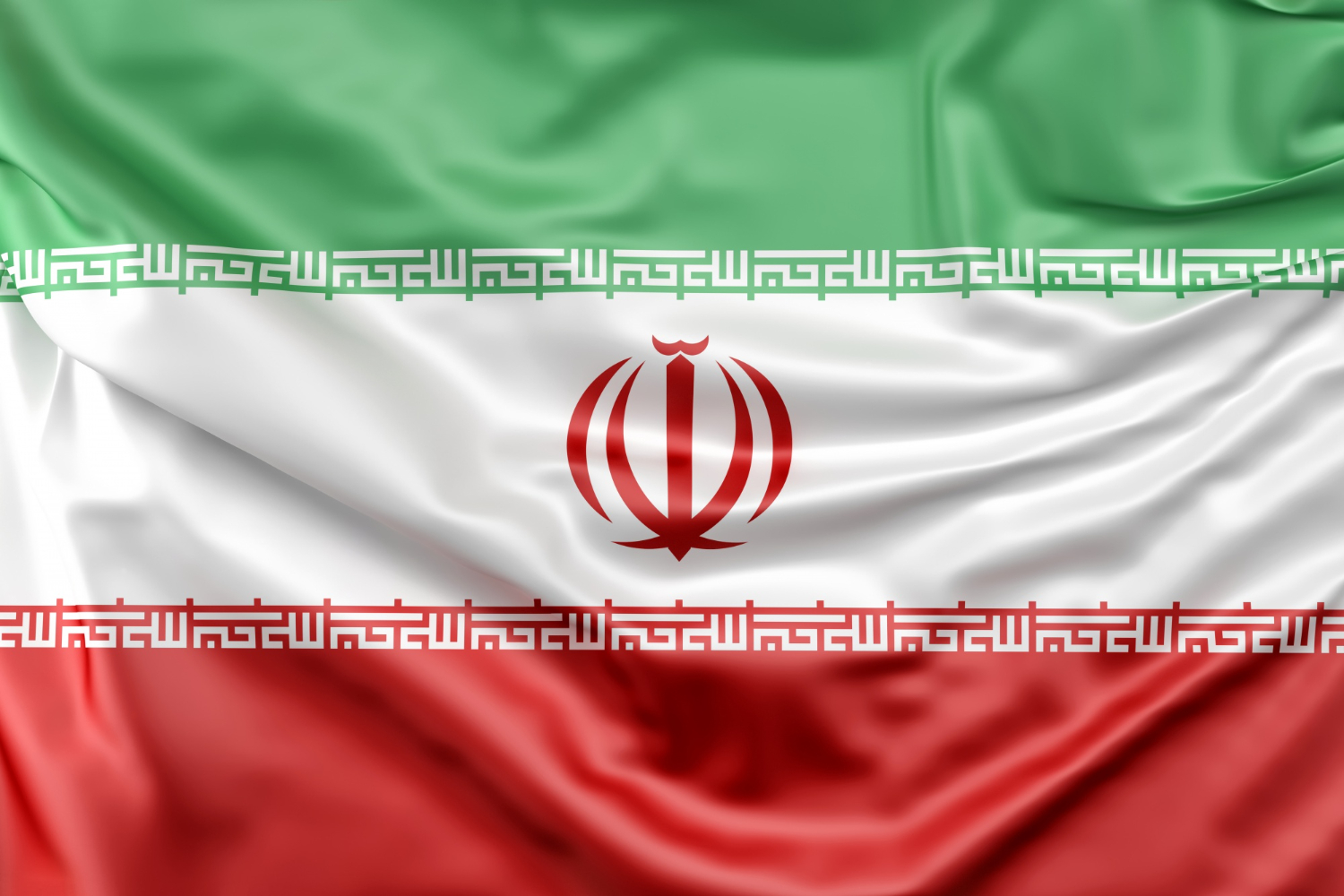
Geneva will host another round of indirect negotiations between the United States and Iran following the last two rounds held in Vienna last month. The United States considers this meeting essential to avoid an escalation into conflict. President Trump suggested that if the United States does not negotiate a new nuclear deal with Iran, then the U.S. could potentially initiate military action against Iran. Conversely, Iran has made it clear that they would retaliate against any act of aggression from the United States. The U.S. has been increasing its military presence in the Middle East since President Trump took office by deploying thousands of troops, aircraft carriers, warships, and fighter jets to the area.
Rising Tensions Over Nuclear Programme
Iran’s nuclear programme is the primary point of contention in the negotiations. For an extended period, both the US. and Israel have accused Iran of attempting to construct nuclear weaponry, while Iran insists that its nuclear operations are exclusively designed to conduct commercial/peaceful activity. However, because of enriched uranium to levels near weapons-grade, there have been increased suspicions about Iran. Last year, the US, in a coordinated effort with Israel, struck three of Iran’s nuclear facilities; Trump’s administration claimed they were destroyed, but Iran continues to deny all access to verify these claims from the international community.
Iran has also stated it would not completely cease uranium enrichment; however, it has been somewhat flexible to the possibility of making concessions related to its uranium enrichment programme. One area in which negotiations may occur is the creation of a regional organisation to supervise the uranium enrichment programme. In addition, Iran possesses an abundant supply of highly enriched uranium, which will likely also be included in the negotiations.
Military Threats and Political Pressure
President Trump has expressed a preference for a diplomatic resolution but has not ruled out the possibility of limited military action. Recent reports suggest that he may consider targeted strikes against Iran’s Revolutionary Guard Corps (IRGC) or its nuclear facilities if negotiations fail to produce meaningful results. However, Iran has warned that any such action would trigger retaliation against U.S. military bases in the region and against Israel.
At the same time, Iran is seeking the removal of economic sanctions as a central condition of any agreement. Tehran has made it clear that it will not accept restrictions on its missile programme or its support for allied groups across the region. This remains a major sticking point in the talks.
Both countries are facing pressure from domestic political groups as well as from international stakeholders who are closely monitoring developments. The situation remains highly uncertain, and it is unclear whether the negotiations will lead to a mutually acceptable agreement or further escalation of tensions.