
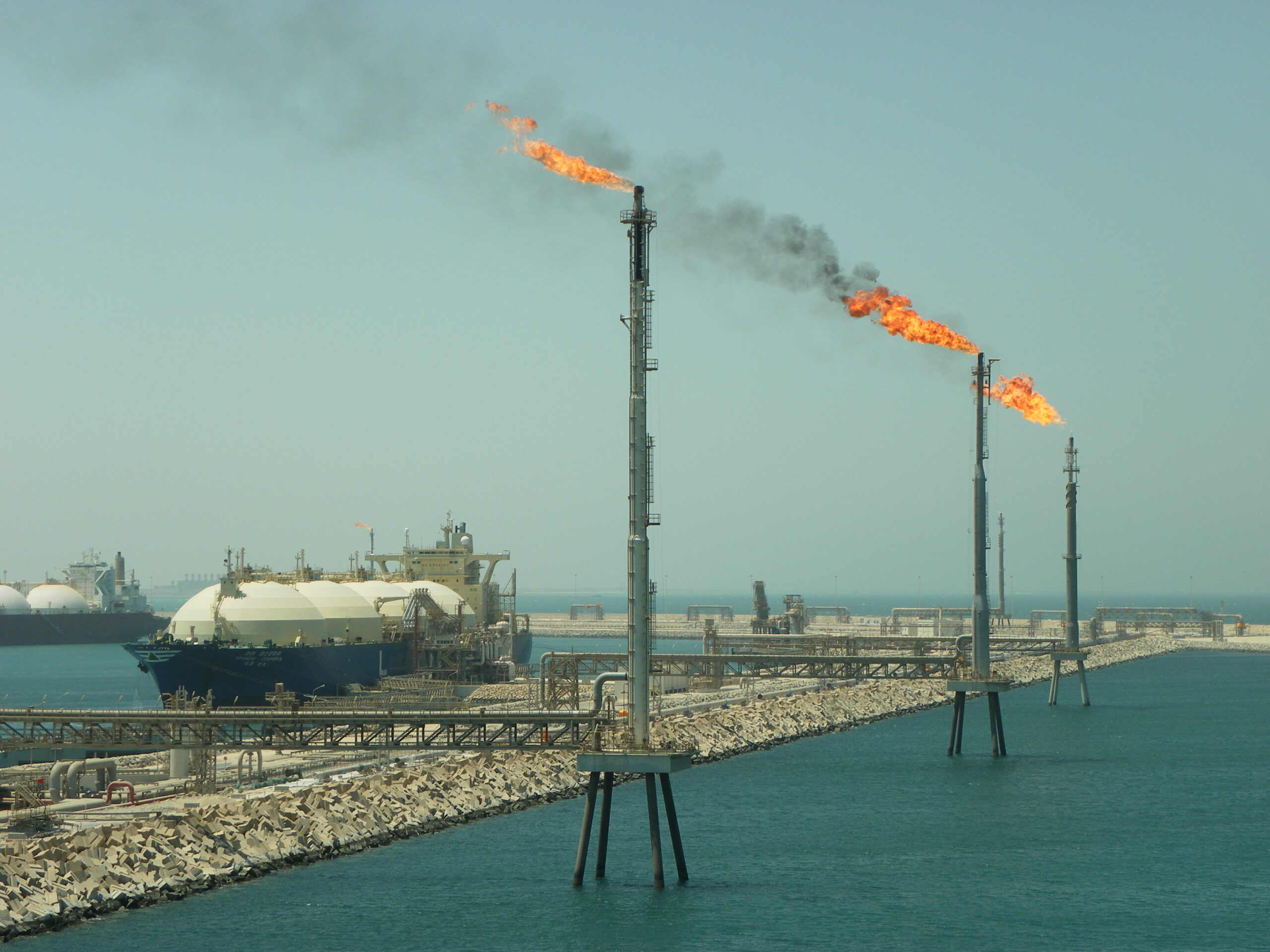
Treasury Secretary Scott Bessent has stated that the US will permit Iranian oil tankers to cross the Strait of Hormuz. This decision is to stabilise global oil supplies during a time of high tension in that area. Although tensions are still high, the US has chosen not to prevent these shipments from occurring at this moment, because there are many countries in that region that rely on shipments moving through this passageway.
Rising Tensions and Falling Ship Traffic
As a result of a significant decline in tanker traffic in the area, the decision was made to re-allow limited movements of crude oil. There were reports that Iranian forces attacked a few commercial vessels located in the Persian Gulf and that this has caused fear in global shipping companies. However, Iran presently exports approximately 1.5 million barrels of crude oil daily. The U.S. feels that re-authorising some level of crude oil movement will help avoid a total supply shock to the global marketplace.
Impact on Global Oil Prices
Recent hostilities between America, Israel, and Iran have cost nearly 40% more for crude oil within the past two weeks. Crude oil currently is trading above $100 a barrel globally. Experts believe an imminent disruption of supply could result in a daily reduction of up to 8 million barrels of crude oil worldwide — such a crisis is predicted to rank among the largest in history, according to statements made by International Energy Agency officials.
What Lies Ahead
According to Bessent, once the conflict is resolved, he expects oil to trade below $80 per barrel. He acknowledges that this will take some time to accomplish. The U.S. hopes to maintain stability in the marketplace and encourage countries in the world to aid in the protection of oil shipments while working toward one objective: a resolution that will lead to a decrease in global energy prices and an adequate supply of energy for all nations.