
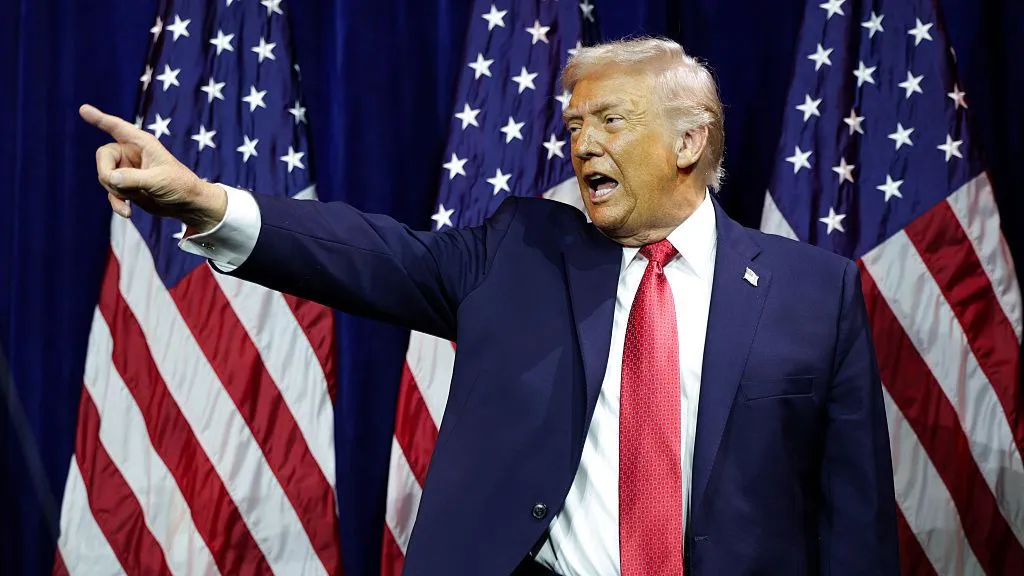
For more than a year, former President Donald Trump has pushed to shrink or completely dismantle the U.S. Department of Education. His administration reduced staff, cut programs, and tried shifting responsibilities to other agencies. Many Republicans publicly supported the plan.
But in a surprising twist, Congress has done the opposite.
Instead of slashing funds, lawmakers passed a bipartisan spending bill that fully funds the Education Department for fiscal year 2026. Trump signed the bill into law on February 3, setting aside roughly $80 billion for the agency. The decision shows that even many Republicans are reluctant to eliminate programs that millions of students, parents, and schools rely on.
Programs Stay Protected
Despite months of uncertainty, most major education programs survived intact. Funding remains in place for special education services, afterschool programs, college aid, and support for low-income schools.
Even programs that the administration had slowed down or ignored were restored to near-normal levels. Lawmakers made the bill more detailed to ensure the money goes exactly where Congress intends. This move limits the administration’s ability to redirect or freeze funds.
Education advocates say this was a quiet but clear message from Congress. While politicians may talk about shrinking the federal role in education, few are willing to risk cutting popular services that directly affect families back home.
Why Shutting the Agency Down Isn’t Easy
Eliminating the Education Department sounds simple in political speeches, but in reality it is legally and logistically complicated.
The agency manages billions of dollars and oversees programs that protect students with disabilities, fund school counselors, and help families pay for college. States and school districts depend on these resources.
Closing the department would require a separate act of Congress and support from Democrats. That level of agreement simply does not exist.
After decades of similar attempts by conservatives, the department remains deeply embedded in the system.
Layoffs and Restructuring Still Continue
While funding is secure for now, the department has already changed significantly. Education Secretary Linda McMahon has cut staff and moved employees to other federal agencies, including Labor, Health, and State.
Democrats tried to block these transfers but failed to fully reverse them. However, they secured a compromise that forces the administration to brief Congress every two weeks about any restructuring plans.
Lawmakers hope these regular updates will create accountability and prevent misuse of funds.
Political Limits for Trump’s Plan
The outcome reveals a bigger political reality. Republicans may support Trump publicly, but many hesitate to vote against programs that help their own constituents.
Senators and representatives face pressure at home from parents, teachers, and students who depend on federal education funding. Cutting those benefits could carry serious electoral risks.
As a result, Congress appears stuck in the middle — not fully backing Trump’s plan to dismantle the department, but also not openly opposing him.
What Happens Next
The Education Department is smaller and under pressure, but far from dead. With billions in funding protected and oversight increasing, the agency will continue operating for now.
Trump’s goal to dismantle it faces legal barriers, political resistance, and practical challenges that make a full shutdown unlikely anytime soon.
The question now is whether future battles will weaken the department further — or if Congress will keep stepping in to protect it.