
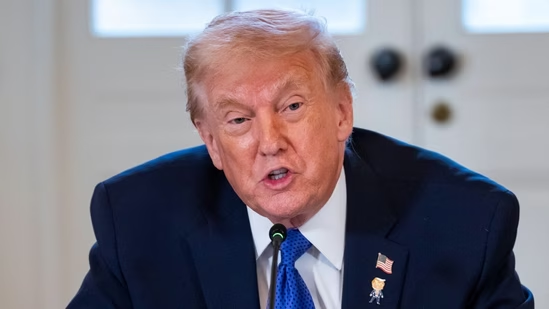
The U.S. Supreme Court has overturned a large portion of former President Donald Trump’s emergency tariffs, creating political and economic shockwaves across Washington. The decision removes a major revenue source that was expected to generate nearly $2.5 trillion over the next decade.
Trump had strongly defended the tariffs, calling them essential for economic leverage and national security. Now, with the ruling in place, serious questions are being raised about federal spending, global trade negotiations, and billions of dollars in refunds.
Here are four major issues to watch.
1. Massive Refunds Could Take Over a Year
One of the biggest challenges is refunding companies that paid tariffs under the now-invalid policy. Businesses had already filed lawsuits seeking repayment. Estimates suggest the government may need to return up to $175 billion.
Treasury Secretary Scott Bessent said refunds will not happen overnight. Payments could be spread out over months and may even take more than a year. While the Treasury has funds available, processing such a large amount will be complicated and slow.
2. A Huge Hole in the Federal Budget
The ruling could leave a massive gap in federal finances. The Congressional Budget Office had projected tariffs would raise $2.5 trillion over ten years and reduce interest payments on national debt by $500 billion.
Without that revenue, lawmakers may face tough choices. Spending plans tied to tariff income may now require spending cuts, new taxes, or increased borrowing. Fiscal watchdog groups warn the deficit could grow even larger.
3. Trump May Use Other Laws to Reimpose Tariffs
The decision does not completely block future tariffs. The administration could rely on other trade laws, including the Trade Expansion Act or Trade Act provisions related to national security or unfair trade practices.
However, Trump has argued those options are slower and less flexible than the emergency powers he previously used. Any new tariffs could face legal challenges again, keeping uncertainty alive for businesses and global markets.
4. Global Trade Tensions May Rise Again
Foreign leaders reacted carefully to the ruling. Some worry the U.S. could introduce new tariffs under different legal tools. Canada and the United Kingdom have already signaled concerns about possible future trade pressure.
Trump had previously warned of “payback” from countries and companies if tariff leverage disappeared. That statement adds tension to ongoing trade talks. Markets and foreign governments are now watching closely to see what comes next.
The ruling may have ended one chapter of Trump’s tariff strategy, but the trade battle appears far from over.