
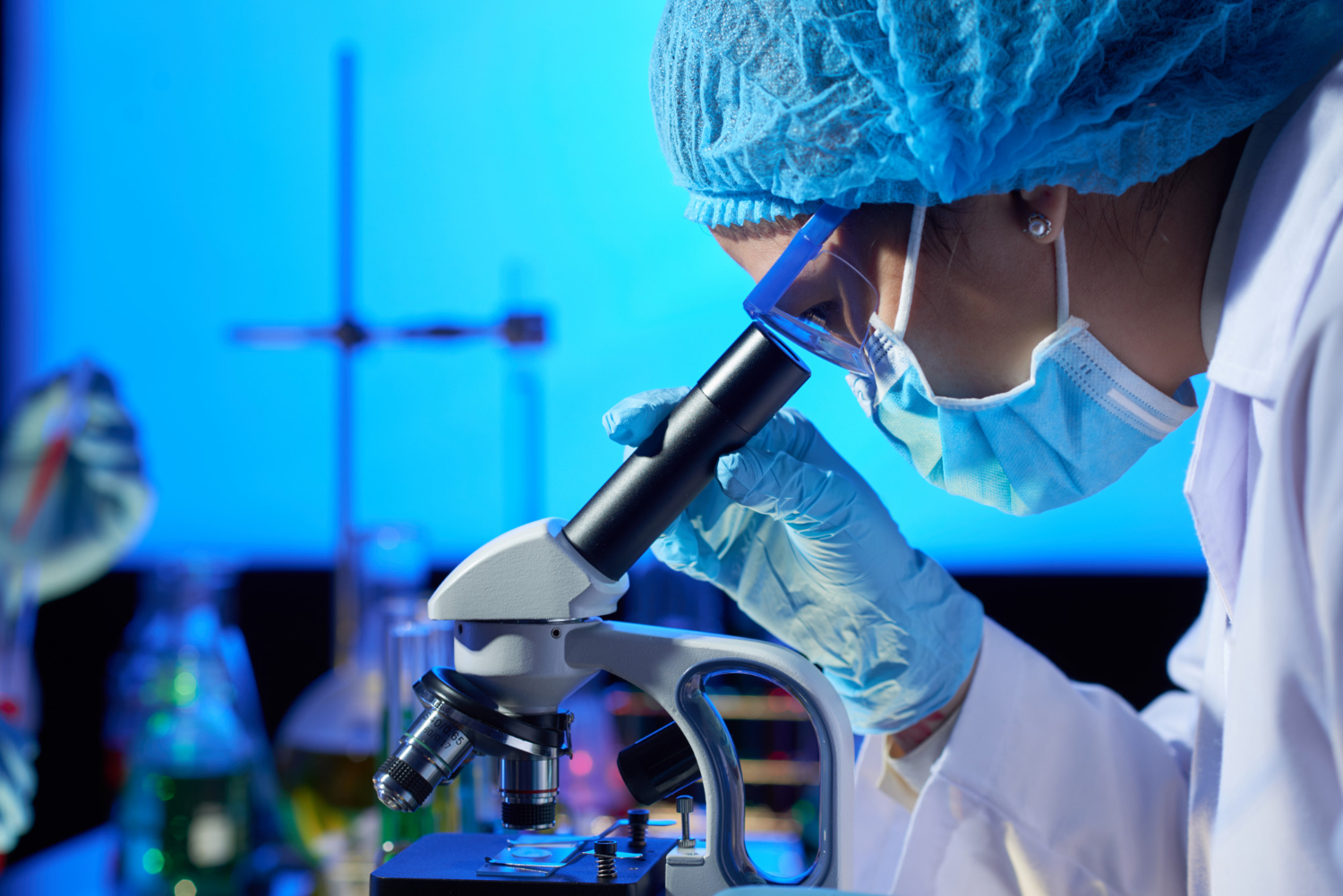
There has never been a time when medical science has advanced faster than today. Revolutionary new treatments, improved diagnostic tools, and significant technological advances are just some of the exciting changes that will transform the way we approach prevention, diagnosis, and treatment over the next 10 years. Below are several of the exciting breakthroughs to expect in the future.
1. Gene Editing and CRISPR Advances
The use of gene editing technology such as CRISPR-Cas9 has generated considerable media attention due to the promise it holds to change the way we treat DNA and thereby change the course of genetic disease. In the coming 10 years, scientists will continue to advance these technologies and develop methods to help eliminate diseases such as cystic fibrosis and sickle cell anemia, and perhaps some types of cancer, through greater accuracy and lessening the undesirable side effects of current treatment options. If successful, gene editing may soon offer patients with previously unmanageable illnesses a standard means for treating their conditions.
2. Personalized Medicine
Data from patient care, which includes genetics, environments, and lifestyles, is used in personalized or precision medicine to customize the treatment a patient receives. The continued advancement of genomic science and the application of data analytics to these fields will allow for increased accessibility to personalized therapies within the next several years. The above example illustrates that the potential exists for the development of targeted therapies for a variety of conditions, including cancer, cardiovascular diseases (e.g., heart disease), and diabetes, which could allow for more specific and efficacious therapy selection without the usual trials and errors associated with traditional prescribing methods.
3. Artificial Intelligence in Diagnostics
AI is changing how physicians identify and diagnose illness via machine learning algorithms through analyzing medical images, laboratory tests, and patient information quicker and often with greater precision than individuals. In the next ten years, AI may play an important role in improving the early identification of Alzheimer’s disease, lung cancer, and heart disease. With this increased accuracy in diagnosis, there is a high probability that millions of lives will be saved through early intervention.
4. Regenerative Medicine and Stem Cells
Repairing or replacing damaged tissues & organs is the objective behind regenerative medicine. Stem cell-based therapy, bioengineered organs, and 3D-printed tissue all represent cutting-edge developments within this field of study. With the likely availability of heart regeneration, spinal cord injury repair, and rent tissue production scheduled for the next ten years, a new horizon appears to be approaching for many people who have experienced illness due to lack of proper care or have no access to a suitable replacement organ.
5. Advances in Immunotherapy
The application of immunotherapy in the treatment of cancer has revolutionized the way in which cancer is treated and has created new ways to treat additional conditions such as autoimmune diseases, infections, and neurological disorders. In the next decade, as researchers continue to find more precise and targeted immunotherapy options, the treatments that they develop will likely be less toxic and more effective than current methods.
6. Longevity and Anti-Aging Research
Science is increasingly focused on extending healthy lifespan. Research into senescence, cellular repair, and metabolic pathways may soon lead to therapies that slow aging and reduce age-related diseases. The next decade could bring medications or treatments that help people live longer, healthier lives while maintaining quality of life.
7. Telemedicine and Digital Health Innovations
The COVID-19 pandemic accelerated the adoption of telemedicine, wearable devices, and remote monitoring tools. In the next ten years, these technologies will become more integrated and sophisticated, allowing doctors to monitor patient health in real time, predict illnesses, and provide care from anywhere. This shift will improve access to healthcare, particularly in remote or underserved regions.
8. Microbiome-Based Therapies
Researchers are discovering that the human microbiome—the collection of microbes living in our bodies—plays a critical role in health. Future treatments may involve modifying gut bacteria to prevent or treat conditions like obesity, diabetes, autoimmune disorders, and even mental health issues. Microbiome-based therapies could revolutionize how we understand and maintain health.
Conclusion
The next decade promises a remarkable transformation in medicine. From gene editing and AI-powered diagnostics to regenerative therapies and anti-aging research, these breakthroughs could redefine healthcare as we know it. While challenges remain, including regulatory hurdles and ethical considerations, the future of medicine looks brighter than ever, offering hope to millions around the world.