
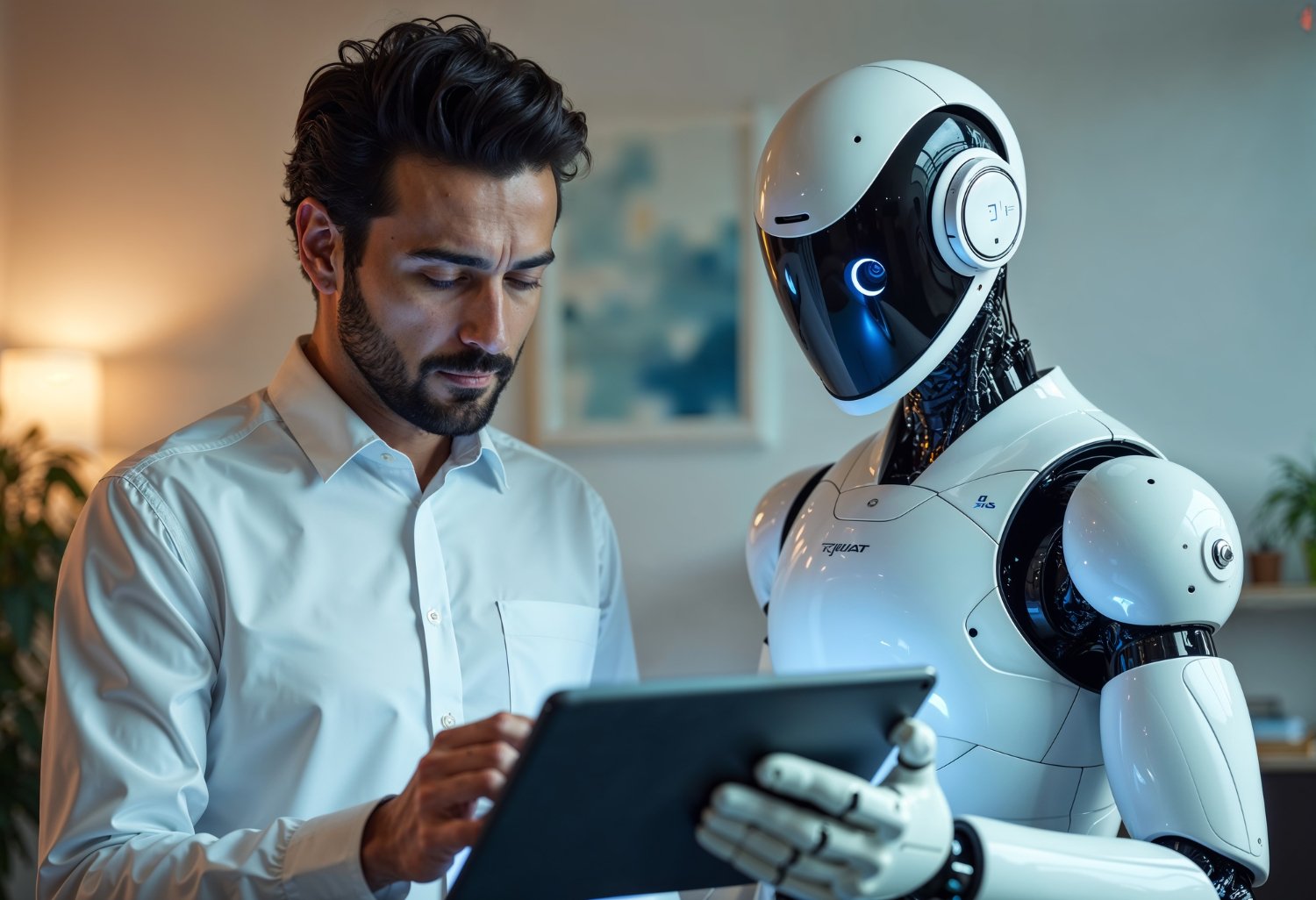
In 2025, the increasing number of companies downsizing and laying off their workers was a huge concern in the United States. Many companies stated that the increase of AI technology within their working environment helped to create these layoffs. According to Challenger, Grey & Christmas, AI contributed to approximately 55,000 layoffs in 2025 due to the higher reliance on automation.
Overall, approximately 1.17 million jobs were decreased in 2025; this was the highest number of layoffs since the COVID-19 pandemic began to affect the economy and jobs were lost.
With rising costs, increased inflation, and pressure to save money, it has forced all businesses to seek the fastest and cheapest options available for their businesses. AI products promised lower costs, improved efficiency, and immediate results; therefore, companies began to rely heavily on AI, even though it meant a significant reduction in available jobs.
Is AI the Real Reason?
Many experts do not believe that AI is the only reason for these layoffs. Fabian Stephany from the Oxford Internet Institute states that many companies were overstaffed during the pandemic, and now they are correcting that overstaffing by going through layoff cycles. He suggests that companies that are blaming AI for their layoffs are doing so to avoid admitting to their past hiring mistakes. Therefore, companies are laying off employees not because of AI, but rather because they are restructuring their companies not to have so many employees.
There have been studies showing that AI has already taken over much of what humans do at work; for example, a recent MIT study estimated that AI will take over close to 12% of jobs in the United States and save large amounts of wage costs for businesses, particularly in financial services, health care, and professional services.
Amazon and Microsoft
Amazon has announced it will be laying off 14,000 corporate employees as part of its biggest layoff announcement ever made by the company. According to Amazon, the reason for the layoffs is to shift the focus of the company from a third-party logistics model, like they currently operate, to a more fulfilling and service-driven AI model. Also, CEO Andy Jassy previously stated that AI will replace some of the existing jobs while creating completely new job opportunities.
Microsoft has also laid off approximately 15,000 workers in 2025 as part of a large, long-term growth strategy for the upcoming decade. As part of this new strategy, Microsoft CEO Satya Nadella indicated that the company would focus on evolving to an AI-driven future rather than making traditional software solutions available to users in the near-term future and look towards becoming a company that provides users with intelligent systems so that users can create new tools and empower themselves.
Salesforce and IBM
CEO Marc Benioff of Salesforce stated that through the introduction of artificial intelligence, Salesforce has reduced the number of client service representatives employed by approximately 4000 employees, with AIT providing approximately 50% of Salesforce’s overall workload. IBM has reduced the number of human resources-related positions by several hundred as a result of AIT chatbots taking their place. Nevertheless, IBM has reported that although AIT has been responsible for replacing many of the human resource positions, it has continued to create positions within other industries, particularly engineering and sales, therefore continuing to see growth in certain job categories.
Other Companies Following the Trend
AI has allowed CrowdStrike to cut its workforce by 5% and staff to use AI, resulting in improved productivity. Furthermore, Workday will be laying off around 1750 employees so that it has more funds available for investment in artificial intelligence (AI). The decisions made by both of these companies indicate how AI is altering business operations across the spectrum of businesses today.
AI is affecting the way that companies operate, recruit and expand. Therefore, if you want to keep up-to-date on business and technology trends, be sure to visit The Business Tycoon Magazine to read about the impact of AI in the workplace. For further reading, access an array of in-depth analyses, editorials, and current articles reflecting the evolution of the corporate future.