
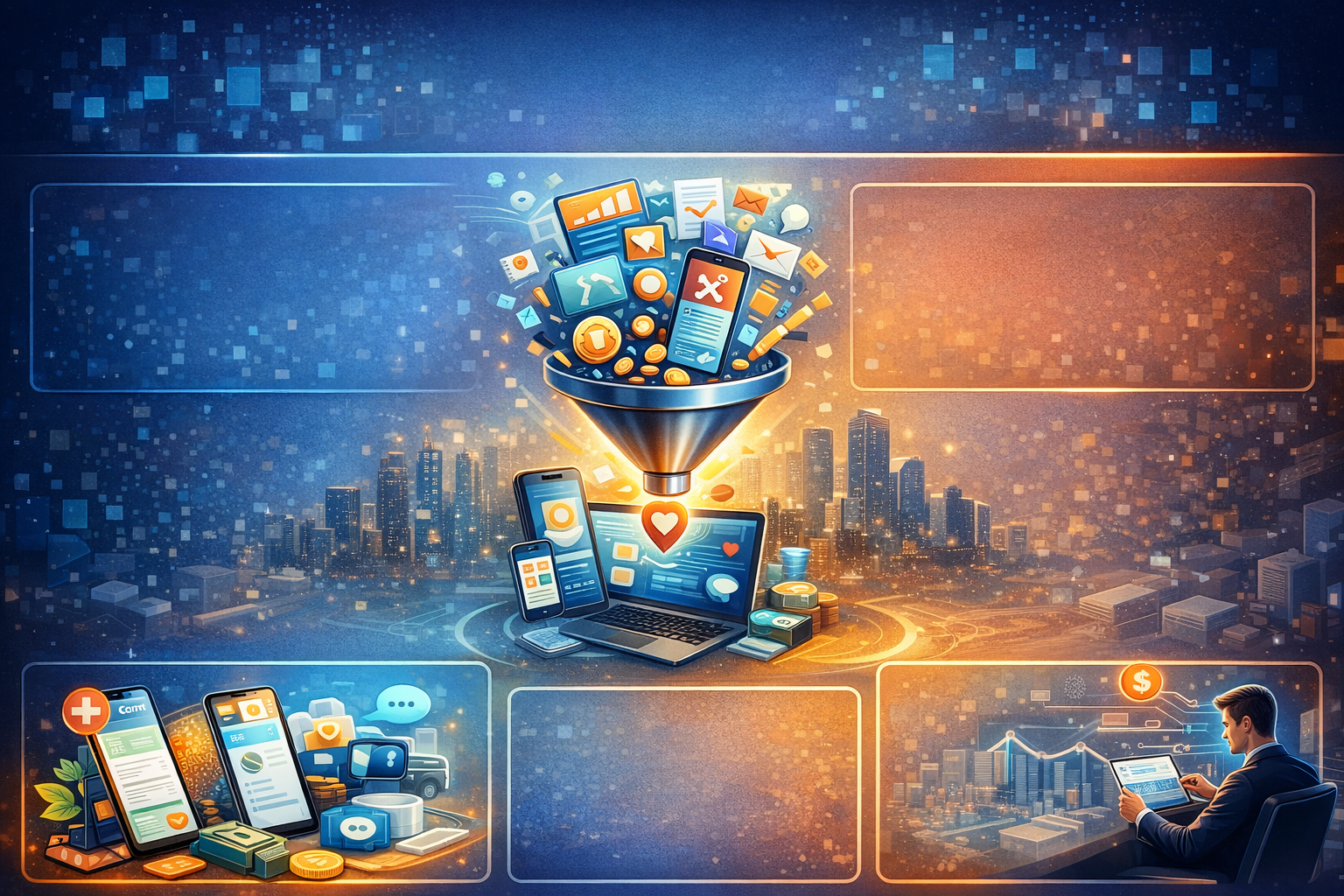
Today’s customers demand that brands really know them as individuals; generic offerings and one-size-fits-all messages are no longer effective. Customers are seeking content, products, and/or services that reflect their preferences, habits, and timing. Hyper-personalisation is the next progression in this evolution. It takes the basis of traditional personalisation and deepens it to be able to create hyper-personalised experiences for each individual person on an ongoing basis and in real time.
What Is Hyper-Personalisation?
When we refer to hyper-personalisation, we mean using customer data to create experiences that are perceived as being unique to each individual user on each occasion in which they interact with a brand. Hyper-personalisation allows you to create individualised experiences instead of categorising users into broad categories or groups. Hyper-personalisation also examines items such as the user’s browsing history and previous purchases, where they are currently located, what their current actions are, and all other relevant items in order to create an experience that is relevant to the particular user at that time and place. Hyper-personalisation aims to create a sense of usefulness from every single experience instead of creating a feeling of randomness from each experience with the user.
Why Hyper-Personalisation Matters
When customers find content that is relevant to them, they feel as though you understand their needs. As a result, customer satisfaction increases and long-lasting relationships are created with customers. Additionally, businesses benefit because relevant offers lead to increased sales and improved conversion rates. Over time, delivering personalised experiences to customers will lead to repeat purchases, decreased customer attrition, and increased total customer lifetime value.
How Businesses Can Implement It
At the heart of hyper-personalisation is the need for complete and cohesive customer data; the information needs to come from different sources, such as the web, mobile devices, purchase activity, and customer service interactions, all aggregated into one view. Businesses must then put into place systems that make real-time decisions regarding what the customer is to be shown. Experiences should be evaluated and refined over time to maintain relevance and delivery effectiveness.
Real-World Use Across Industries
Hyper-personalisation is used by online retailers to present customers with products they are most inclined to purchase. Banks use hyper-personalisation to provide customers with useful financial insights based on their habits when they spend their money. Healthcare platforms deliver reminders and health advice specific to each patient. Travel providers use hyper-personalisation to recommend trips and to offer upgrades based on previous travel experience. Customer support will use hyper-personalisation to address a customer’s issues with the most relevant information, allowing them to resolve issues quicker and with greater detail.
Final Thoughts
Hyper-personalisation helps businesses stand out by making customers feel valued. When done responsibly and thoughtfully, it improves experiences, builds loyalty, and drives growth.