
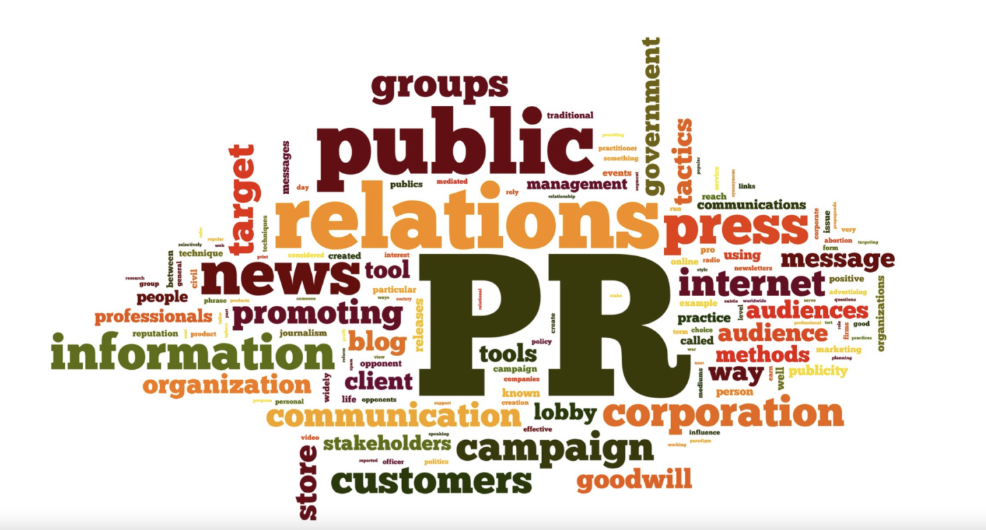
An organisation’s Public Relations (PR) is the use of knowledge and strategic communications to manage how people perceive an organisation, to create and maintain a positive image or brand, and to protect the reputation of an organisation. The term “spin” has been used in relation to PR for many years; however, the context within which PR operates is evolving and becoming much more difficult to control due to instant feedback from social media, along with access to digital information globally.
Public opinion is being formed much faster today than any one organisation can keep up with. It is also much easier for consumers to voice their opinions on social networks, which is forcing brands to respond to customer feedback much quicker than they might have had to before. Even though some countries, including a number of Middle Eastern nations, have implemented social media restrictions (there are currently reports by Statista indicating that more than 70 countries have social media restrictions), the vast majority of businesses across the globe are now functioning in a hyperconnected environment, so they need to be authentic, responsive, and transparent in order to succeed.
Looking towards the near future at the upcoming year of 2026, several of the biggest trends now shaping PR’s approach to planning, executing, and measuring effectiveness will have a profound impact on these practices.
1. AI Integration in Public Relations
AI has transformed public relations (PR) into a more automated process through the use of AI-based tools to help with tasks like media monitoring, sentiment analysis, identifying crises and writing content, and optimising campaigns. Many routine administrative PR tasks that could have previously taken several human resources to accomplish can now be done automatically, creating more efficient operations within PR agencies. The result and benefit of using AI will be to create a stronger focus on data-driven decisions and strategic planning processes.
Another advantage of using AI in PR to process information quickly is that it allows PR people to spot emerging issues sooner, predict the public’s response to new messages quicker, and adapt their messages in real time according to the audience’s reaction to them.
As AI technology evolves, PR organisations should continue to use this technology to increase efficiency because AI can only maximise productivity. PR professionals will still be needed because AI technology cannot replace human judgement, particularly with regard to strategic storytelling and building relationships between a client and the public, and ethical communication.
2. Digital and PR Strategies Fully Intersect
Traditional PR consisted of developing press releases and pitching the message to the media. No longer are PR and digital marketing two separate entities, but now PR professionals as digital marketers are deeply intertwined.
Today’s PR professionals now determine how their message is distributed by using direct control over both company-owned and shared channels. Additionally, data and analytics are essential to successfully measure performance, track engagement, and show return on investment.
While video-based content creation is a key digital PR tool, other valuable digital PR content formats include:
Video and audio content on platforms like TikTok, YouTube, or LinkedIn (for example, podcasts)
Webinars as a tool to establish rapport, trust, and authority
Infographics or other forms of short articles will assist marketing personnel in telling their stories in an easily shareable format.
Thought leadership content that establishes your organisation’s credibility
Social media has become one of the most important PR channels because journalists, influencers, and consumers now shape the narrative in real time. Therefore, the traditional “one-size-fits-all” approach no longer applies because each piece of content now has to be crafted based on a particular medium, audience, and engagement behaviour to create true engagement.
3. The Evolving Role of PR Professionals
The decline of traditional journalism has increased the importance of PR professionals in the marketing ecosystem. Effective PR practitioners today understand how to leverage digital platforms and their algorithms, use AI-powered analytics, communicate during crises in real time, and distribute content across multiple channels. It is now imperative that PR professionals remain focused on the developing strategy, telling stories, measuring results, and reporting on those results as they develop. The profession is changing from being execution-orientated to a focus on impactful strategic leadership.
4. Growth in Thought Leadership
Thought leadership has become a central pillar of PR strategy. While executive visibility is not new, digital platforms have amplified the influence of CEOs, founders, and senior leaders.
Organisations are investing more in:
- Executive content creation
- LinkedIn thought leadership
- Opinion pieces and expert commentary
- Industry speaking opportunities
Strong thought leadership ensures consistent messaging across all channels, reinforcing brand authority and trust. In 2026, companies increasingly allocate larger PR budgets to develop authentic, long-term leadership narratives.
5. Increased Regulation Makes Earned Media More Valuable
Stricter regulations around paid and native advertising — particularly from bodies like the FTC — require clearer labelling of sponsored content. This transparency, while necessary, can reduce perceived credibility.
As a result, earned media is becoming more desirable. Unpaid coverage, genuine press mentions, and organic influencer engagement carry greater trust than promoted content.
PR professionals must now focus on building stronger media relationships and creating campaigns that stand out without relying heavily on paid amplification.
6. ESG Takes Centre Stage in PR Strategy
Environmental, Social, and Governance (ESG) messaging is no longer optional. Audiences increasingly expect brands to demonstrate purpose beyond profit.
PR plays a crucial role in shaping authentic ESG narratives, ensuring that sustainability and social responsibility claims are credible, measurable, and transparent.
Successful ESG-focused PR requires:
- Genuine commitment, not greenwashing
- Consistent storytelling across channels
- Collaboration with trusted media and influencers
Conclusion: PR in a Noisy Digital World
Public relations is now a more strategic, data-driven, and purpose-focused profession than ever before. As the amount of content being produced continues to grow, the characteristics that define successful PR campaigns will continue to become more credible, authentic, and adaptable. The organisations that are committed to responsible AI use, invest in the creation of a large body of thought leadership, and place a high value on earned media while communicating their ESG commitments will be the most successful in navigating the increasingly complex nature of public relations.