
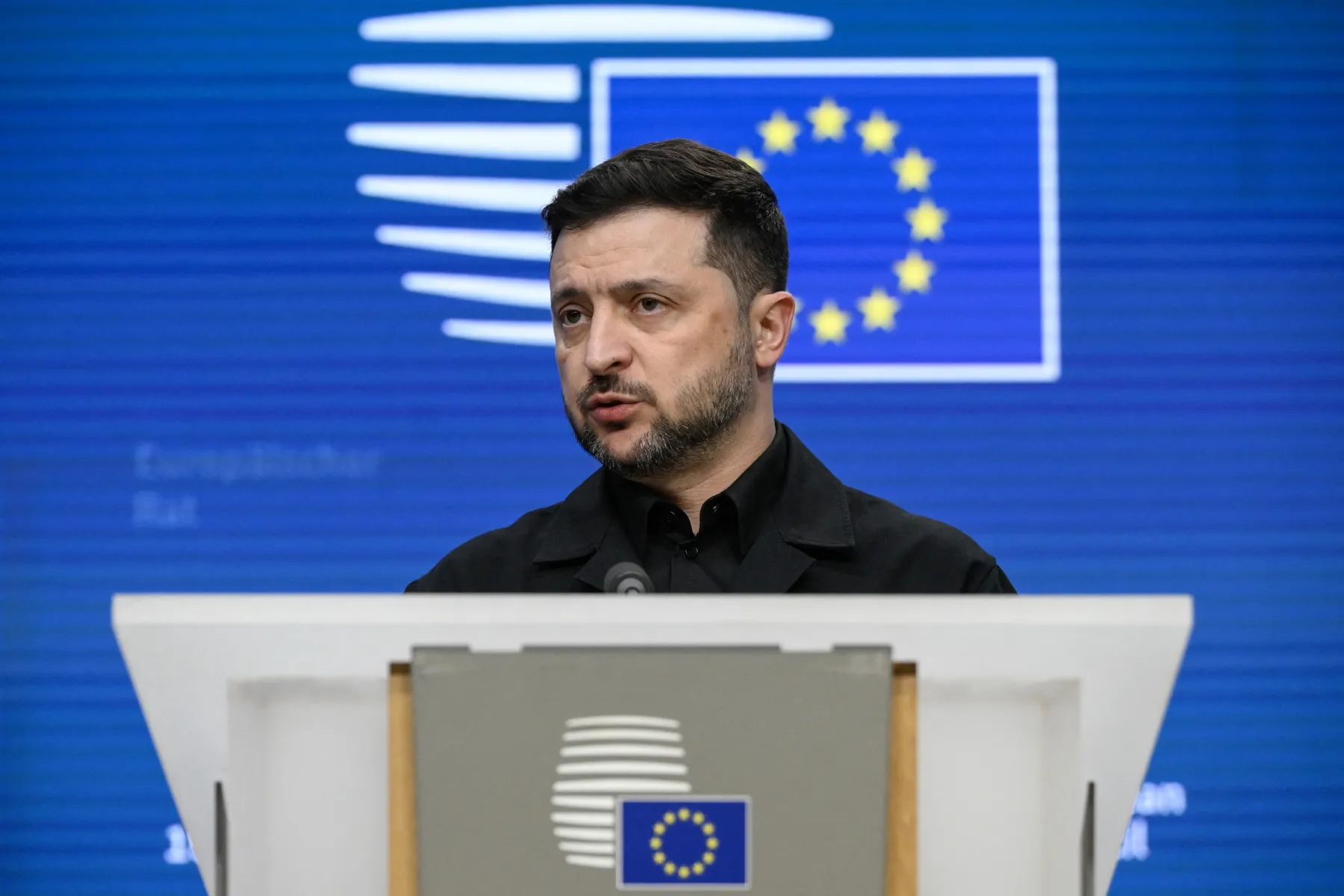
The European Union will give Ukraine a loan of €90 billion over the next two years. The agreement was reached after long and difficult discussions among EU leaders in Brussels. The intention is to support Ukraine’s financial situation as they endure this war and to strengthen their position in future negotiations for a peaceful resolution to the conflict.
Why did the EU Take This Step?
Ukraine is in need of this injection of financial support right now, as they are experiencing severe cashflow issues and are under continuous pressure from the conflict with Russia. Since the U.S. has essentially cut off all financial assistance, the only remaining funding for Ukraine will be depleted by April, placing EU leaders in utter panic over the possibility that Ukraine might be forced into a position of accepting an unfair peace agreement.
Moreover, EU leaders feared that if Ukraine were to go bankrupt, then the security of Europe would also be compromised. Therefore, as a result of this urgency, EU leaders have acted expeditiously.
EU Plans On Funding Loan
To gather those funds, the European Union (EU) will use one collective bond that’s backed by the EU budget. All EU member states collectively back the loan, making this method of issuing debt quite different from what had been previously intended — using the funds frozen from Russia.
Currently, there are around €210 billion of the Russian Central Bank’s funds frozen in Europe. Many in the region believed that the best way to help Ukraine would be to use these funds, but there were many legal questions and significant resistance from that section of the continent (i.e., the eastern member states of the EU). Therefore, the proposal was deemed too complex at that time.
What Happens to the Frozen Russian Assets?
Now that the EU has chosen to fund the loan via issuing one joint bond, the Russian assets still remain frozen. However, as European Commission President Ursula von der Leyen indicated, it may be possible to use these funds in the future to fulfil the obligations of the loan if Russia is deemed liable for reparations to Ukraine.
Under the terms of the agreement, Ukraine will not have an obligation to repay any loans to the EU unless it receives compensation from Russia for damages it incurred. Thus, Ukraine will not assume any additional debt as a result of the conflict with Russia.
Different Views Among EU Countries
There are differences in opinion among the EU member nations regarding whether to utilise frozen Russian assets to fund Ukraine’s recovery. Belgium, which is home to most of the frozen Russian assets, has warned that it may have to deal with possible legal ramifications from Russia or retaliation if it decides to support the loan. Russia has commenced legal proceedings against Euroclear (the financial institution holding the frozen assets), with further legal action against European banking institutions anticipated.
Leaders Call the Deal a Success
Most EU leaders expressed satisfaction with the loan agreement. Germany’s Chancellor Friedrich Merz declared the loan a “practical solution”. France’s President Emmanuel Macron stated that had they not acted quickly, it would have had “detrimental consequences” for Europe. The Polish Prime Minister Donald Tusk summed it up by stating that “Europe must make a choice between assisting Ukraine and protecting Europe now, or waiting and facing greater challenges.”
Conclusion
The €90 billion loan shows the EU’s strong commitment to supporting Ukraine during the war. While challenges and criticism remain, the decision highlights how urgent the situation has become. For Europe, helping Ukraine is not just about solidarity but also about protecting its own future.
Stay informed on global politics and economic decisions that shape the world. Follow the latest international news and expert insights today.