
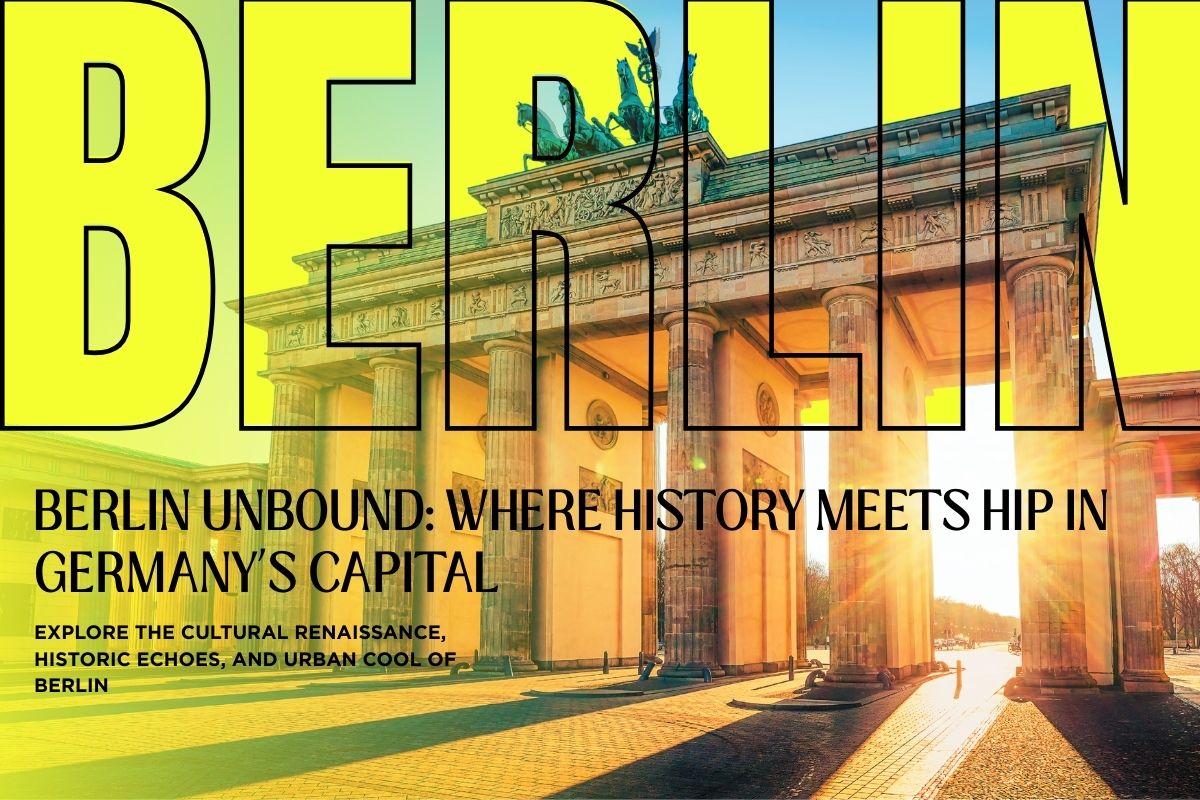
Explore the Cultural Renaissance, Historic Echoes, and Urban Cool of Berlin
Berlin is not just a city; it’s a compelling narrative of resilience, reinvention, and rebellion. Once split by a concrete scar, Germany’s capital now pulses with creativity, cultural freedom, and historical richness. Whether you’re walking along the remnants of the Berlin Wall, tasting Turkish-German fusion in Kreuzberg, or dancing till dawn in an abandoned power plant-turned-club, Berlin is a kaleidoscope of experiences.
In this travel upshot, we dive deep into what makes Berlin an unforgettable destination for travelers, artists, history lovers, and modern-day urban nomads alike.
1. A City Built on Memory: Berlin’s Living History
Berlin wears its history on its sleeve, and that’s part of its raw, magnetic appeal. Rather than hiding its scars, the city has transformed them into powerful spaces of reflection.
The Berlin Wall & East Side Gallery
Start your journey at the East Side Gallery, the world’s longest open-air gallery. This 1.3 km stretch of the Berlin Wall has been reimagined by over 100 artists from across the globe. From politically charged imagery to calls for unity, it’s a powerful reminder of how art can heal division.
Memorial to the Murdered Jews of Europe
This haunting installation near the Brandenburg Gate consists of 2,711 concrete slabs of varying heights. Walking among them evokes a chilling disorientation, symbolizing the loss and confusion of the Holocaust. Beneath the memorial, an informative exhibition shares heart-wrenching stories and historical facts.
Topography of Terror
Set on the site of the former Gestapo and SS headquarters, this museum doesn’t shy away from dark truths. With free admission and outdoor exhibitions, it’s a must-visit for those wishing to understand Berlin’s complex past and the Nazi regime’s machinery of oppression.
2. Neighborhood Vibes: From Boho to Bougie
Berlin is a patchwork of neighborhoods (or Kieze), each with its heartbeat. Exploring them is like flipping through the pages of a vibrant cultural magazine.
Kreuzberg – The Counterculture Capital
Home to a large Turkish-German community, anarchists, artists, and third-wave coffee connoisseurs, Kreuzberg is where Berlin’s rebellious soul resides. Visit Markthalle Neun on a Thursday for Street Food Thursdays or soak in the alternative art scene around Görlitzer Park.
Prenzlauer Berg – Trendy, Tidy, and Terrifically Hipster
Once the epicenter of squatters and bohemians post-reunification, Prenzlauer Berg is now sleek and family-friendly, without losing its creative edge. Grab brunch in one of the many cozy cafés, stroll along the tree-lined Kollwitzplatz, and pop into indie boutiques selling handmade goods.
Neukölln – Grit Meets Growth
Previously overlooked, Neukölln is now a magnet for experimental artists and young entrepreneurs. Check out the buzzing nightlife scene, rooftop bars like Klunkerkranich, and multicultural eateries offering everything from Vietnamese pho to Palestinian falafel.
3. The Art Scene: Berlin’s Beating Creative Heart
Berlin doesn’t just have art; it is art. From underground performance spaces to international galleries, the city is a haven for creators and appreciators alike.
Museum Island – A UNESCO Treasure Trove
This unique complex of five museums on the Spree River includes the Pergamon Museum (home to monumental ancient architecture) and the Neues Museum (where you’ll find the bust of Nefertiti). It’s a feast for history buffs and aesthetes.
Berlinische Galerie & Contemporary Art
For those craving contemporary flair, Berlinische Galerie and the KW Institute for Contemporary Art offer a dive into modern German and European art. Graffiti fans should head to Urban Nation, a museum dedicated to street art and urban culture.
Artist Squats and Alternative Galleries
Places like Tacheles (before its closure) and the Kunsthaus Bethanien show how Berlin continues to blur the lines between art and life. Keep an eye out for pop-up galleries in abandoned buildings, part of Berlin’s elusive underground scene.
4. Berlin After Dark: Techno, Taverns, and Timeless Vibes
When the sun sets, Berlin’s alter ego emerges, raw, rhythmic, and relentless. Its nightlife is the stuff of legend, but there’s something for every type of night owl.
The Temple of Techno: Berghain
Possibly the most infamous club in the world, Berghain is housed in a former power plant. Known for its strict door policy and hypnotic beats, it’s more than a club, it’s a cultural institution. Even if you don’t make it past the bouncers, you’ll hear tales of its sonic pilgrimages throughout Berlin.
Craft Beers & Classic Taverns
Try Berliner Kindl, BRLO Brwhouse, or Vagabund Brauerei for craft beers with a local twist. Or experience Berlin’s traditional side in a cozy Kneipe (German pub) with hearty schnitzels and shots of Korn.
Rooftops & Speakeasies
For something more subdued, sip cocktails while watching the skyline from Deck 5 or hunt for speakeasies like Buck and Breck, tucked behind an unmarked door near Rosenthaler Platz.
5. Culinary Collisions: Where Döner Meets Michelin
Berlin’s culinary scene is as diverse and democratic as the city itself. Street food lives in harmony with fine dining, and global flavors rule the roost.
The Famous Berlin Döner Kebab
No visit is complete without trying this Berlin-born adaptation of a Turkish classic. Mustafa’s Gemüse Kebap in Kreuzberg is iconic, if you don’t mind the queue. It’s the perfect late-night bite after club-hopping.
Currywurst: A Spicy Slice of History
Invented in post-war Berlin, Currywurst is a grilled sausage slathered in ketchup and curry powder. You can find it everywhere, but Curry 36 and Konnopke’s Imbiss are local favorites.
Global Eats & Vegan Delights
Berlin is a vegan paradise. Head to 1990 Vegan Living in Friedrichshain for modern Vietnamese or Kopps for upscale plant-based dishes. Ethiopian, Korean, Syrian, and Peruvian cuisines also shine here, reflecting the city’s cosmopolitan fabric.
6. Green Escapes in the Grey City
Berlin may appear concrete-heavy, but it’s incredibly green. Almost half the city is made up of parks, lakes, and forests, offering respite from urban chaos.
Tiergarten – Berlin’s Central Park
This massive green lung in the heart of the city is ideal for picnics, cycling, or just lounging. Stop by Café am Neuen See for lakeside beer and pretzels.
Tempelhofer Feld – A Park with a Runway
Once an airport, now a public park, Tempelhofer Feld is a surreal space where Berliners skate, bike, BBQ, and even garden on former runways. It’s Berlin’s open-air rebellion against convention.
Wannsee & Lakeside Bliss
On hot summer days, take a dip in the lakes around Berlin like Wannsee, Müggelsee, or Krumme Lanke. Easily reachable by S-Bahn, these lakes offer sandy beaches and forest walks.
7. Day Trips Worth the Ride
Berlin is well-connected to nearby gems that make for perfect day trips.
Potsdam – Palaces and Prussian Grandeur
Just 40 minutes away, Potsdam offers a fairy-tale escape with Sanssouci Palace, landscaped gardens, and the charming Dutch Quarter.
Sachsenhausen – A Sobering Memorial
Located in Oranienburg, this former concentration camp is a powerful and educational day trip. Guided tours provide crucial context to understand Germany’s darkest chapter.
Spreewald – Canoes & Pickles
For something unique, explore this UNESCO-protected biosphere reserve with its maze of canals. Try the region’s famous Spreewald pickles while gliding in a kayak through lush wetlands.
8. Getting Around Like a Local
Berlin’s transport system is efficient, accessible, and eco-conscious.
- The BVG (Berliner Verkehrsbetriebe) operates U-Bahn, S-Bahn, trams, and buses — all covered by one ticket.
- Cycling is a popular mode of transport, with dedicated lanes and bike-sharing services like Lime and Nextbike.
- The Berlin Welcome Card gives tourists unlimited transport access and discounts to over 200 attractions.
Final Thoughts: Why Berlin is the Future
Berlin is more than a stop on your travel list; it’s a mindset. A place where history lives, creativity thrives, and individuality reigns. It doesn’t try to be perfect, and that’s its perfection. Whether you’re discovering a techno beat at sunrise, reflecting on human resilience, or biting into the best falafel of your life, Berlin gives you space to think, to feel, to be.
Travel Tips:
- Best time to visit: Late spring (May–June) and early fall (September) offer mild weather and fewer crowds.
- Language: German is official, but English is widely spoken.
- Currency: Euro (€)
- Must-pack items: Comfortable walking shoes, layers for unpredictable weather, and an open mind.
In Berlin, you don’t just visit, you experience. And once you do, you’ll understand why no two visits ever feel the same.