

For decades, luxury was synonymous with immaculate boutiques, soft-lit interiors, private salons, and the rarefied air of exclusivity that only an in-person experience could provide. But in a world where digital interactions are now at the center of consumer lifestyles, luxury brands are redefining sophistication for the online era. This is not merely a digital shift; it is the rise of digital elegance, a new benchmark for premium, curated online experiences that mirror and even elevate the traditional luxury touch.
As global high-end consumers embrace ecommerce, virtual content, and personalized digital services, luxury brands are leading the way in crafting online journeys that feel just as exclusive as walking into a flagship store on Fifth Avenue or Rue Saint-Honoré. Here’s why luxury brands are winning the online experience game, and how they’re setting the standard for the future.
1. Luxury’s Digital Pivot: A Strategic Shift, Not a Temporary Trend
What began as a response to the pandemic’s disruption has evolved into one of the most strategic transformations in luxury’s history. Consumers worldwide became accustomed to shopping for essentials online, and their expectations for premium digital experiences rose instantly.
Luxury brands responded not with simple e-commerce platforms but with fully conceptualized digital ecosystems. These are built on intentional design, curated storytelling, and services that replicate boutique-level exclusivity.
From virtual try-ons to appointment-based online shopping to immersive brand storytelling, luxury’s digital evolution is deliberate, not reactive. The shift reflects a fundamental truth: luxury buyers want convenience, but never at the cost of experience.

2. Personalization at Scale: Digital Tools Reinvent Bespoke Service
Luxury thrives on personalization. Traditionally, this meant attentive associates, relationship-driven selling, and a deep understanding of customer preferences.
Digital platforms now enhance this bespoke service on a global level.
With the help of advanced CRM systems, apps, and online behavior insights, brands can now:
● Recommend products tailored to an individual’s tastes
● Offer private previews and early access
● Provide reminders and follow-ups
● Curate personalized content or shopping edits
● Connect clients to dedicated online stylists
Where a customer once relied on a single in-store advisor, they now enjoy a seamless, continuous relationship across mobile, desktop, and boutique visits.
This elevated digital personalization is redefining loyalty and making high-end clients feel valued in ways that transcend physical touchpoints.
3. Immersive Technology Brings Tactility to Screens
One challenge that luxury brands have historically faced online is the loss of physicality. How can a buyer feel the craftsmanship, texture, or weight of a couture gown or leather bag?
The answer: immersive digital technologies.
Augmented reality (AR), virtual try-ons, and hyper-realistic 3D product visuals now allow shoppers to experience pieces in a tangible, interactive way:
● AR try-ons for shoes, eyewear, makeup, and accessories
● 3D product spin models to explore details up close
● Virtual store environments replicating iconic flagships
● Digital fitting rooms for clothing and tailoring
These experiences boost confidence in purchasing high-ticket items online and reduce friction in the decision-making process. With virtual tactility, luxury’s artistry and attention to detail can now be appreciated from anywhere in the world.
4. Storytelling Has Become More Cinematic and Global
Luxury is built on heritage, craftsmanship, and narrative depth. Digital platforms have empowered brands to showcase these qualities through vivid, immersive storytelling:
● Behind-the-scenes atelier videos
● Long-form brand documentaries
● Interactive microsites
● Craftsmanship and material showcases
● Shoppable editorials and digital lookbooks
What once could only be communicated through in-store conversations or exclusive events is now accessible globally. This democratized storytelling doesn’t dilute exclusivity; it amplifies the brand’s artistry, values, and provenance.
Today’s luxury consumer doesn’t just buy a product. They buy the story, the legacy, and the cultural imprint. Digital platforms make these emotional connections stronger than ever.
5. Omnichannel Integration Preserves the Boutique Ritual
The most successful luxury brands don’t see online and offline as competing worlds; they blend them into a seamless experience. This omnichannel strategy ensures the customer journey feels effortless, prestigious, and personal.
Examples include:
● Click-and-collect services offering boutique pickup
● Online booking for in-store consultations
● Virtual shopping appointments with dedicated advisors
● Buy online, return in-store convenience
● Unified customer profiles accessible to sales associates
This integration not only maintains the rituals of luxury retail but also improves them with convenience and real-time accessibility. It’s the perfect harmony between exclusivity and modern efficiency.
6. Virtual Worlds and Digital Fashion Bring Luxury to the Next Generation
Younger luxury consumers live in digital communities. They express status digitally as much as physically. Luxury brands are capitalizing on this by entering virtual spaces such as gaming platforms, social environments, and metaverse-style activations.
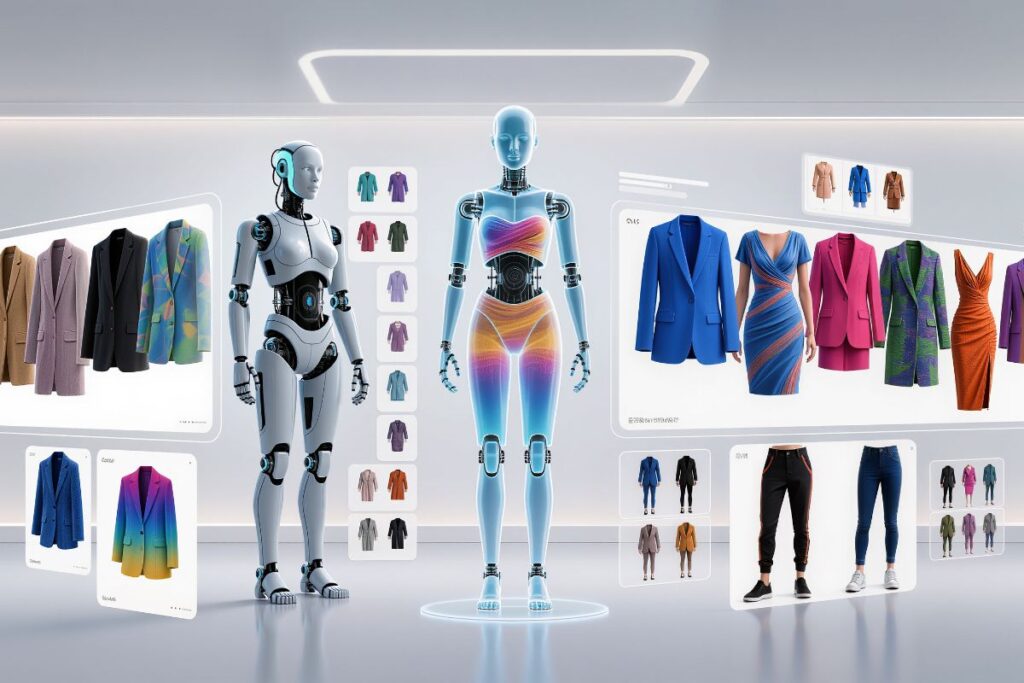
These virtual experiences include:
● Limited-edition digital collections
● In-game wearables for avatars
● Virtual runway shows
● Gamified shopping experiences
● NFT-based memberships or collectibles
This digital-first engagement introduces younger audiences to luxury brands long before they become regular buyers. It builds aspirational interest while preserving exclusivity through limited digital drops and premium virtual access.
Digital elegance isn’t just about selling high-end goods; it’s about building cultural relevance across generations.
7. Authenticity and Trust Reinforced Through Digital Transparency
Counterfeits have always challenged the luxury market. Today, digital tools help authenticate products with unprecedented accuracy.
Many brands use technologies such as:
● Digital product passports
● Traceability solutions
● RFID tags
● Blockchain authentication
● QR-based provenance details
These innovations assure customers that their purchases are legitimate, ethically sourced, and traceable through the supply chain. In the online era, trust is a form of luxury, and digital clarity strengthens it.
8. New Digital Commerce Models Enhance Customer Lifetime Value
Luxury brands are also evolving how customers buy and experience products. Digital platforms make it possible to introduce new models that align with consumer preferences:
● Luxury rentals for special occasions
● Subscription boxes with curated premium items
● Brand-operated resale programs
● Membership clubs offering exclusive experiences
● Invite-only VIP digital events
These models deepen consumer engagement and extend the lifetime value of each client. They also create circular economies that align with sustainability-focused buyers.
9. What Luxury Does Differently: Digital Restraint and Curation
While many mass-market retailers rely on aggressive sales, banner ads, and high-volume product grids, luxury brands win by doing the opposite.
Their digital presence emphasizes:
● Minimalism
● Slow scrolling
● Large-format imagery
● Cinematic visuals
● Calm, curated layouts
● Prestige-led design
Luxury online experiences mirror the ambiance of physical flagships: elegant, clean, intentional. This restraint differentiates luxury brands instantly in a crowded digital marketplace.
10. The Challenge: Balancing Digital Accessibility with Exclusivity
As luxury enters digital spaces, one ongoing tension persists: how to be accessible without losing mystique.
If a brand becomes too available online, exclusivity could fade. But if it stays too exclusive, younger audiences may disengage.
The sweet spot is achieved through:
● Limited availability
● Invitation-only experiences
● Tiered loyalty programs
● Private digital sessions
● Exclusive digital drops
Luxury brands that master this balance become modern icons in the digital era.
11. A Blueprint for Digital Elegance: What Brands Should Embrace
Luxury brands aiming to excel digitally can focus on five key pillars:
1. Design Experiences, Not Just Websites:
Create emotional journeys through visuals, pacing, and storytelling.
2. Elevate Product Presentation:
Use AR, VR, 3D modeling, and immersive content to highlight craft.
3. Personalize Every Touchpoint:
From recommendations to VIP services, ensure each interaction feels bespoke.
4. Integrate Online and Offline Seamlessly:
Enable frictionless transitions between digital browsing and physical services.
5. Protect Heritage and Prestige:
Maintain scarcity, promote craftsmanship, and prioritize brand integrity.
12. Digital Elegance as the New Status Symbol
The concept of luxury has evolved. It’s no longer defined only by rarity, material quality, or price. Today, online experiences themselves are becoming a form of luxury.
Being invited to a private digital preview, owning a limited-edition virtual fashion item, or receiving a personalized product curation through an app are new-age indicators of status.
Luxury brands that embrace digital elegance are shaping modern cultural relevance. They’re showing that sophistication doesn’t fade in digital spaces; it thrives there.
Conclusion
Luxury brands aren’t just adapting to online trends; they are leading them. By blending heritage with innovation, tactile experiences with technology, and exclusivity with global reach, they’ve created a new era of premium digital engagement.
Digital elegance is not the future of luxury; it is its present reality.
Brands that continue to innovate in personalization, immersive technology, omnichannel experiences, and storytelling will not only win the online experience game; they will define the next chapter of what luxury means in the modern world.