
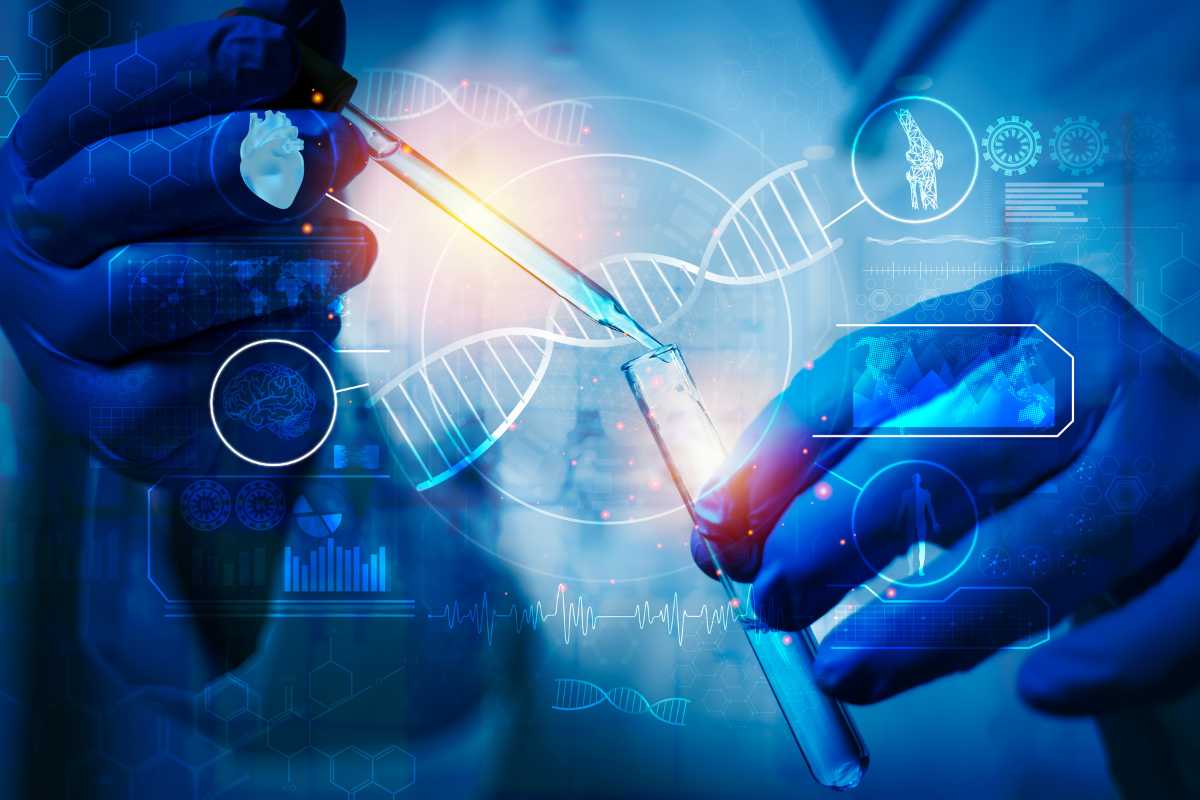
Medicine has always been about treating populations. For decades, doctors relied on standardized guidelines and generalized treatments, hoping that the same drug or procedure would work for most patients. But the 21st century is ushering in a radical transformation. The rise of personalized medicine, a medical approach tailored to an individual’s unique genetic makeup, lifestyle, and environment, is redefining healthcare as we know it.
Powered by genomic data, artificial intelligence, and big data analytics, personalized medicine promises more effective treatments, fewer side effects, and improved patient outcomes. From cancer therapy to rare genetic disorders, this revolution is bridging the gap between DNA and data, enabling precision care at an unprecedented scale.
The Birth of Personalized Medicine
Personalized medicine, also called precision medicine, is not an entirely new concept. Hippocrates, the father of medicine, famously said, “It is more important to know what sort of person has a disease than to know what sort of disease a person has.” Today, technology allows us to act on that principle like never before.
Key Drivers:
- Genomics – Sequencing the human genome has become faster and cheaper, allowing insights into individual genetic variations.
- Big Data – Health data from electronic medical records, wearables, and clinical studies provide a massive knowledge base for predictive analytics.
- Artificial Intelligence – Machine learning models identify patterns in data, guiding personalized treatment plans.
- Wearables & IoT – Continuous monitoring of vital signs, glucose levels, and heart activity provides real-time insights into patient health.
Together, these tools are enabling a shift from reactive medicine to proactive, tailored healthcare.
How Personalized Medicine Works
Personalized medicine combines genetics, biomarkers, lifestyle factors, and environmental data to create targeted treatments. The process typically involves:

- Genetic Testing – DNA sequencing reveals mutations, gene variants, and predispositions to certain diseases.
- Biomarker Identification – Proteins or other biological indicators predict disease progression or treatment response.
- Data Integration – Patient genomics, clinical records, and lifestyle data are analyzed to guide therapy.
- Targeted Interventions – Medications, therapies, or preventive measures are tailored to the individual, not the population.
This approach can reduce trial-and-error treatments, minimize adverse effects, and improve overall outcomes.
Transforming Cancer Treatment
Cancer care is one of the most visible success stories of personalized medicine. Traditionally, oncologists relied on broad chemotherapy regimens. Today, treatment is increasingly mutation-specific:
- Targeted Therapy – Drugs designed to target specific genetic mutations in cancer cells. Example: Trastuzumab for HER2-positive breast cancer.
- Immunotherapy – Using the patient’s immune system, guided by genetic profiling, to attack cancer cells.
- Liquid Biopsies – Blood tests that detect tumor DNA fragments for early detection and monitoring.
These innovations have dramatically improved survival rates and quality of life for many patients.
Rare and Genetic Diseases: A New Hope
For patients with rare genetic disorders, personalized medicine offers previously unimaginable solutions:
- Gene Therapy – Replacing or repairing defective genes. Example: Luxturna for inherited retinal disease.
- CRISPR Technology – Editing genes to prevent or cure diseases at the source.
- Pharmacogenomics – Matching drugs and dosages to genetic profiles, avoiding adverse reactions.
Rare disease patients often face years of misdiagnosis. Personalized medicine shortens that journey and delivers precise interventions quickly.
Beyond Medicine: Lifestyle and Prevention
Personalized medicine is not limited to treating illness; it’s reshaping preventive healthcare:
- Dietary Recommendations – Genetic testing can guide optimal nutrition plans.
- Exercise Plans – Fitness programs tailored to genetic muscle composition and metabolic profile.
- Preventive Screenings – Identifying risk factors for conditions like diabetes, heart disease, or Alzheimer’s allows early intervention.
By aligning lifestyle choices with genetic insights, personalized medicine empowers individuals to take control of their health.
The Role of Technology in the Revolution
1. Artificial Intelligence and Machine Learning
AI algorithms analyze millions of genetic sequences to predict disease risk, drug response, and treatment outcomes. This accelerates research and enables real-time clinical decision-making.
2. Big Data Analytics
Integrating genomic, clinical, and environmental data allows precision medicine to scale beyond specialized centers, making personalized care accessible to larger populations.
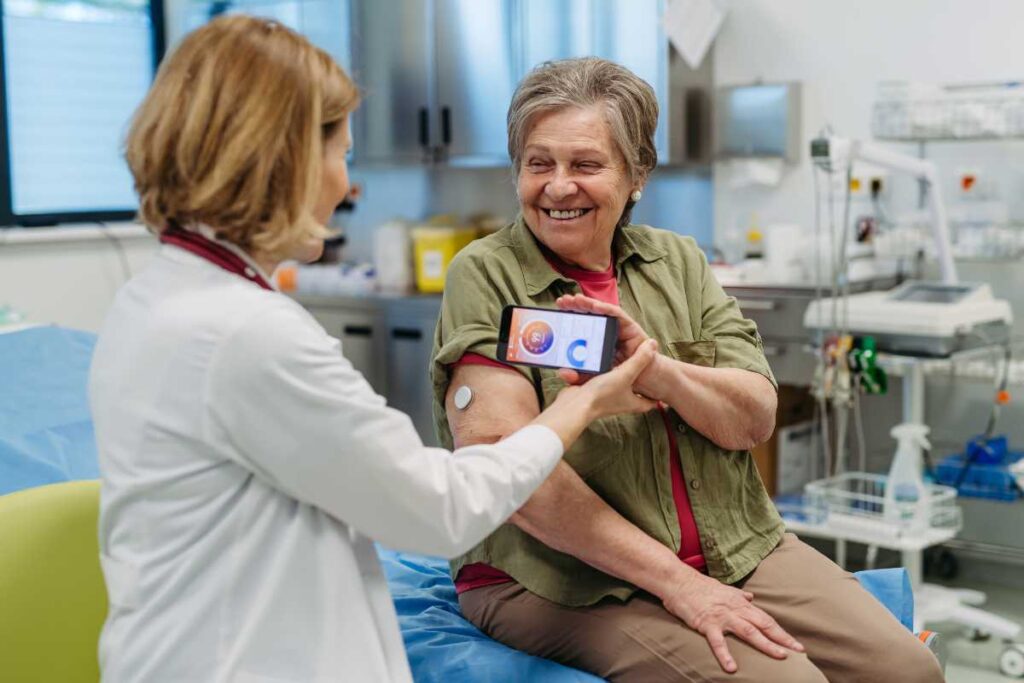
3. Wearables and Remote Monitoring
Smartwatches, glucose monitors, and fitness trackers provide continuous patient data, enabling physicians to adjust treatments dynamically.
4. Telemedicine
Virtual platforms allow doctors to consult and monitor patients remotely, making personalized care more convenient and scalable.
Economic and Industry Impacts
Personalized medicine is not just a medical revolution; it’s an economic opportunity:
- Pharmaceuticals – Drug development is becoming more precise, reducing failed trials and accelerating approvals.
- Biotech Startups – Companies focusing on gene therapy, AI diagnostics, and biomarker discovery are attracting billions in investment.
- Healthcare Costs – By preventing adverse drug reactions and hospitalizations, personalized medicine could reduce healthcare expenditures significantly.
- Insurance Models – Payers are exploring data-driven policies based on genetic risk profiles and preventive care.
The market for personalized medicine is projected to reach $6 trillion by 2030, reflecting its transformative potential.
Ethical Considerations and Challenges
As personalized medicine advances, ethical questions emerge:
- Data Privacy – Genetic and health data are highly sensitive; breaches could have severe consequences.
- Equity of Access – High costs and limited infrastructure risk leaving disadvantaged populations behind.
- Discrimination Risks – Insurance or employment discrimination based on genetic information is a real concern.
- Regulatory Hurdles – Governments must balance innovation with safety, ensuring therapies are effective and ethically deployed.
Addressing these challenges is critical to realizing the full promise of personalized medicine.
Global Case Studies and Innovations
United States
- All of Us Research Program: Collecting health data from one million volunteers to accelerate precision medicine research.
- Foundation Medicine: Using genomic profiling to guide cancer treatments.
China
- BGI Genomics: Leading large-scale population genome sequencing, helping identify disease risk at the national scale.
Germany
- Pioneering pharmacogenomics programs for personalized drug prescriptions.
India
- Integrating AI and genomics to develop low-cost diagnostic tools for rural populations.
These examples demonstrate that personalized medicine is truly global, with diverse applications and solutions.
The Future: Precision Healthcare for All
The next decade promises even more revolutionary developments:
- AI-driven drug discovery will reduce development time from years to months.
- CRISPR-based therapies may cure genetic disorders entirely.
- Integration with lifestyle data will allow fully personalized health plans.
- Global collaboration will make personalized medicine more accessible worldwide.

Ultimately, the shift from reactive care to predictive, preventative, and personalized healthcare will improve not just longevity but quality of life.
Conclusion: Bridging DNA and Data
The personalized medicine revolution is bridging the gap between DNA and data, transforming healthcare from a one-size-fits-all model to a tailored, patient-centric approach. By leveraging genomics, AI, and big data, physicians can deliver treatments that are faster, safer, and more effective than ever before.
This revolution is not just about curing diseases, it’s about empowering individuals to live healthier, longer, and more informed lives. From cancer therapies to lifestyle optimization, personalized medicine is rewriting the rules of healthcare and creating a future where your unique biology is your most powerful health guide.
The era of generalized medicine is ending. The era of precision, prediction, and personalization has begun.