
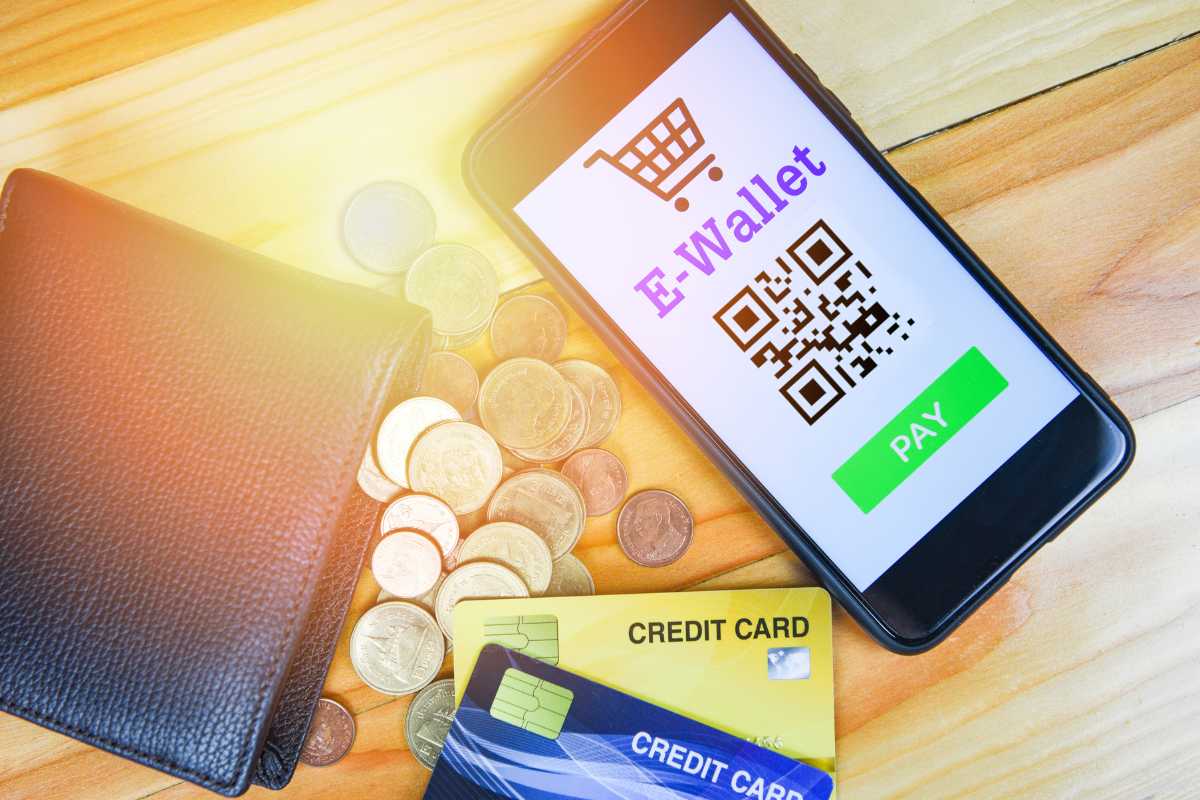
The world of money is changing faster than ever. Not long ago, cash was king, and the idea of paying for a coffee with your phone seemed futuristic. Then came digital wallets, apps like PayPal, Apple Pay, Google Pay, and Venmo, that redefined how we transact. Today, we are on the cusp of yet another shift: wearable technology is emerging as the next frontier in digital payments.
From smartwatches that let you tap to pay, to rings and fitness trackers embedded with payment capabilities, the very act of making a purchase is evolving into something more seamless, secure, and integrated into our daily lives. The question is no longer if wearables will shape the future of payments, but how far and how fast.
The Journey from Physical to Digital Payments
To understand why wearables are the next big leap, it’s worth tracing the path of payment evolution.
- Cash Era – Tangible, trusted, but inconvenient for online and global commerce.
- Cards Revolution – Credit and debit cards brought speed and convenience but also issues with fraud and physical carrying needs.
- Digital Wallets & Mobile Payments – Platforms like PayPal, Apple Pay, and Alipay turned smartphones into secure payment devices.
- Contactless Payments – NFC (Near Field Communication) allowed faster in-person transactions with a tap.
- Wearable Payments – The next logical step: payment technology embedded directly into the devices we already wear daily.
Each phase solved a problem of the previous one, wearables now promise ultimate convenience, speed, and personalization.
What Are Wearable Payments?
Wearable payments use NFC, Bluetooth, or biometric authentication embedded into smart devices to enable secure, contactless transactions.
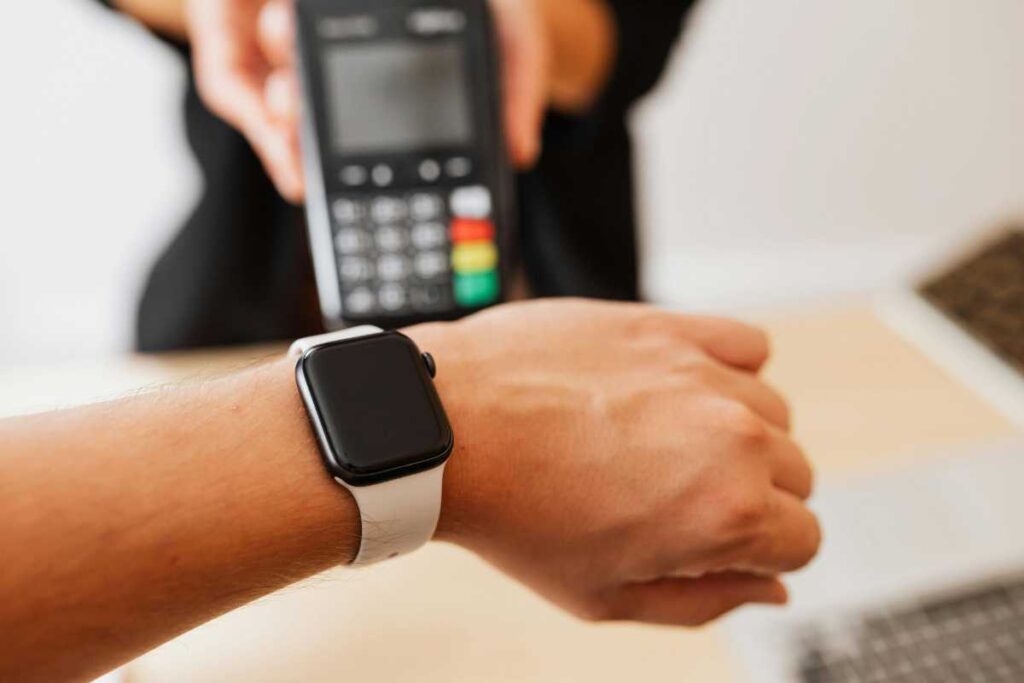
Examples include:
- Smartwatches like the Apple Watch, Samsung Galaxy Watch, and Fitbit Pay.
- Smart rings such as the Oura Ring or McLEAR Ring.
- Fitness trackers with built-in payment chips.
- Smart clothing and accessories are a rising trend in fashion-tech.
Instead of reaching for your phone or card, you simply tap your wearable to a terminal, and the transaction is complete.
Why Wearables Are the Future of Payments
1. Seamless Convenience
Wearables are always on you. No digging through pockets or bags for cash, cards, or phones, payment is literally at your fingertips.
2. Enhanced Security
Biometric features like fingerprint, face ID, and heart rate recognition add layers of authentication that cards cannot match. Most wearables also use tokenization, meaning sensitive card data is never exposed.
3. Hygienic & Contactless
In a post-pandemic world, touchless interactions are preferred. Wearable payments minimize physical contact, aligning with consumer safety habits.
4. Integration with Lifestyle
Wearables are not just about payments, they track health, fitness, and daily habits. Adding payments creates a centralized ecosystem of personal data and convenience.
5. Global Acceptance
With 85% of point-of-sale systems worldwide now NFC-enabled (per Mastercard), wearables can be used almost anywhere cards are accepted.
The Market Potential: Numbers Speak Volumes
- The wearable payments market is projected to reach $137 billion by 2030, according to Allied Market Research.
- In 2024 alone, more than 1.1 billion people worldwide used wearables for payments at least once.
- Millennials and Gen Z are driving adoption, valuing convenience and tech integration over traditional wallets.
These figures highlight not just a trend but a paradigm shift in consumer behavior.

Use Cases Across Industries
Retail
Shoppers breeze through checkout lines by tapping their smartwatches or rings, enhancing customer experience and reducing queues.
Healthcare
Patients in hospitals can make payments for cafeteria meals or prescriptions using fitness trackers they already wear for health monitoring.
Travel & Hospitality
Airlines are experimenting with wearables that double as boarding passes and payment methods for in-flight purchases. Hotels are enabling smart wristbands that act as room keys, IDs, and wallets.
Events & Entertainment
At concerts and sports stadiums, smart wristbands eliminate the need for wallets or phones, speeding up concession sales.
Fitness & Lifestyle
Runners or cyclists no longer need to carry wallets, fitness bands with payment capabilities enable purchases mid-workout.
Challenges Holding Back Wearable Payments
Despite the promise, challenges exist:
- Cost Barriers – Smart wearables are expensive, limiting adoption in lower-income markets.
- Battery Life – Payment-enabled wearables must balance high performance with limited battery power.
- Security Concerns – While safer than cards, wearables are not immune to hacking or data theft.
- Interoperability Issues – Not all banks, cards, or payment systems support every wearable.
- Consumer Trust – Many people are still unfamiliar with wearables as payment devices, slowing mainstream acceptance.
The Role of Tech Giants in Driving Adoption
- Apple Pay on Apple Watch has set the gold standard, with over 500 million active users globally.
- Google Wallet and Samsung Pay are expanding wearable compatibility across Android devices.
- Fitbit Pay and niche players like McLEAR Ring are pushing innovation in specific segments.
- Banks and Fintech Startups are increasingly partnering with wearable companies to issue NFC-enabled devices.

This ecosystem is growing more collaborative, suggesting a tipping point for mass adoption is near.
Beyond Payments: The Superpowers of Wearables
Wearables are not just about transactions, they’re becoming multifunctional lifestyle companions.
- Health Data + Payments: Imagine paying for groceries while your wearable monitors your stress levels.
- Digital Identity: Wearables could replace IDs and passports with biometric authentication.
- Loyalty Integration: Payments automatically linked to rewards programs and personalized discounts.
- Smart Cities: In the future, one device could pay for transit, parking, food, and entertainment across an entire city.
The Road Ahead: What the Future Holds
- Biometric-Only Payments: Wearables may evolve into devices where your fingerprint, iris, or heartbeat is your payment credential, no cards or accounts needed.
- Integration with the Metaverse: Wearables could enable digital payments in virtual environments, bridging real and virtual economies.
- Ultra-Miniaturization: From payment-enabled earrings to clothing with NFC chips, fashion-tech is ready to explode.
- Financial Inclusion: Affordable wearables could bring digital payments to the 1.4 billion unbanked adults worldwide, skipping traditional banking altogether.
- AI-Powered Smart Payments: AI-enabled wearables could analyze spending patterns and make financial recommendations in real time.
Conclusion: Tapping Into the Future
The journey from wallets to wearables is more than a technological shift; it’s a cultural one. Wearables are not just making payments easier; they’re redefining how we interact with money in everyday life.
For consumers, this means unparalleled convenience. For businesses, it means new revenue streams and faster transactions. For the world, it signals the dawn of a cashless, cardless, and frictionless economy.
As adoption grows and technology advances, wearable payments won’t just be a novelty; they’ll be the new normal. The next time you buy a coffee, don’t be surprised if all it takes is a flick of your wrist.