

Cities are changing beneath our feet. Once-dormant downtowns, places that felt like ghost towns after 6 p.m., are waking up with coffee shops, coworking floors, pocket parks, and late-night food vendors. What’s driving that energy? A mix of smart policy, creative reuse, and an evolving generation of young buyers who want walkability, community, and meaning from where they live. This article explores how urban renewal is reshaping downtowns and why younger homebuyers are leading the charge.
Why young buyers care about downtowns
Young buyers, Millennials, and Gen Z, arrive with different priorities than previous generations. They grew up with smartphones, rideshare apps, and heightened awareness of social and environmental issues. Several consistent preferences shape their housing decisions:
- Experience over possessions. Many younger buyers trade larger homes for locations offering social and cultural opportunities nearby. Restaurants, galleries, breweries, concerts, and dynamic street life matter.
- Walkability and transit access. Proximity to work, transit, and everyday errands reduces commute time and enables a car-light lifestyle.
- Sense of community. Young buyers value places where they can meet neighbors, join local initiatives, and feel part of a scene rather than isolated.
- Sustainability and adaptive reuse. Reused industrial lofts, energy-efficient buildings, and green infrastructure resonate with eco-conscious buyers.
- Flexible living and remote work. With hybrid and remote work models, homespaces that double as productive work environments are a priority.
Urban renewal that responds to these preferences creates a powerful magnet for young buyers.
Strategies that make downtowns desirable again
Urban renewal isn’t one-size-fits-all. The most successful downtown comebacks blend physical improvements with policy incentives and cultural investments. Here are the proven strategies for drawing in younger buyers.
1. Adaptive reuse and mixed-use development
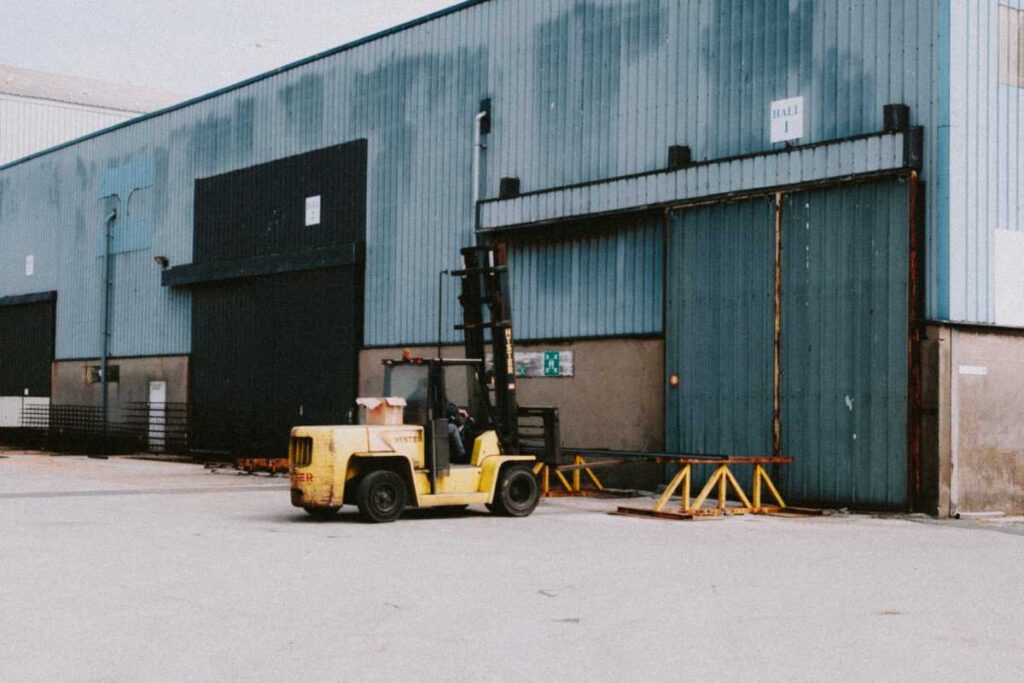
Turning old warehouses, factories, and office blocks into mixed-use developments creates authentic, character-rich spaces that appeal to buyers tired of cookie-cutter suburban neighborhoods. Adaptive reuse preserves architectural heritage while introducing apartments, retail, and communal spaces, ideal for young buyers seeking unique homes with stories and character.
Mixed-use developments place housing over shops, cafés, and studios, fostering 24/7 activity. That vibrancy is exactly what young buyers want: convenience plus the feeling that the neighborhood is alive.
2. Placemaking and public space activation
Activating streets and public spaces, through plazas, street art, outdoor seating, and pop-up markets, changes perceptions overnight. Placemaking treats the downtown as a stage, inviting events, farmers’ markets, nighttime performances, and weekend festivals. These place-based initiatives create shared experiences that attract young people who value social life and discoverability.
Small interventions, like parklets, weekend vendor zones, or pedestrianized blocks, can have outsized impacts on perceived safety and desirability.
3. Transit-first and micro-mobility integration
Easy access to transit is a huge selling point. Urban renewal projects that prioritize transit connections, bike lanes, and micro-mobility (e-scooters, bike-share) reduce reliance on cars and appeal to environmentally conscious buyers. Transit-oriented developments concentrate housing and amenities near rail, tram, or major bus routes, cutting commute times and increasing accessibility to job centers and cultural hubs.
4. Affordability through diverse housing options
Attracting young buyers requires a palette of housing types, micro-studios, co-living spaces, affordable apartments, and starter condos alongside market-rate units. Public–private partnerships, inclusionary zoning, and creative financing (like shared-equity models) help maintain affordability while enabling development. When downtown revitalization includes affordable pathways, it draws a broader and more vibrant population.
5. Incentives and policy alignment
Municipal incentives, tax abatements, brownfield remediation funds, and flexible zoning can unlock redevelopment of underused properties. Simplifying permitting and fast-tracking projects that include public benefits (affordable units, public plazas, childcare centers) encourages developers to build in ways that align with community goals. Transparent, consistent policy reduces developer risk and gets projects built faster.
6. Safety, lighting, and 24/7 activation
Perception of safety is a baseline requirement. Renewal that introduces improved street lighting, active ground-floor uses, and programming that keeps streets used at different hours reduces the “dead downtown” feel. Safety improvements are often social as well as physical; community policing models, neighborhood ambassadors, and coordinated maintenance all make a difference.
7. Creative financing and community investment
Crowdfunding local projects, community land trusts, and impact investors can help finance reimagined downtown spaces that traditional lenders might avoid. When residents can invest in their own neighborhood (financially or through sweat equity), they build stronger, lasting ties, an attractive prospect for young buyers seeking meaningful community engagement.
Design features that speak to younger buyers
The built environment matters. Young buyers gravitate toward dwellings and neighborhoods designed with contemporary lifestyles in mind:
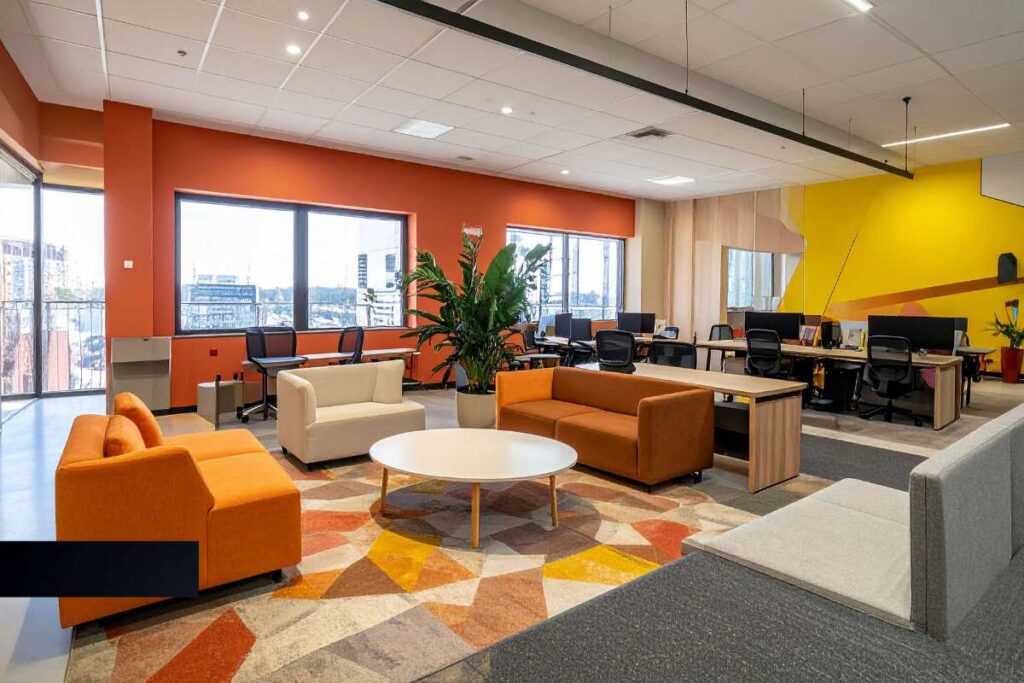
- Flexible interiors: Rooms that easily convert into home offices, studios, or guest spaces.
- High-quality common areas: Rooftop terraces, communal kitchens, coworking lounges, fitness rooms, and parcel lockers.
- Sustainable systems: Energy-efficient appliances, solar-ready roofs, green roofs, rain gardens, and EV charging.
- Smart home tech: Integrated building-level Wi-Fi, smart thermostats, and app-based building services.
- Biophilic elements: Natural light, indoor plants, and access to pocket parks help mental well-being.
- Local storefronts: Independent shops and eateries on the ground floor anchor neighborhoods and create everyday convenience.
When developers and planners combine these features with authentic local culture, they produce places young buyers want to call home.
The social and economic ripple effects
Revived downtowns don’t just sell homes; they catalyze broader economic and social benefits:
- Job creation and entrepreneurship. New retail and creative spaces encourage startups, studios, and small-business growth.
- Increased tax base. Higher property values and sales activity expand municipal revenue, which can be reinvested in infrastructure and services.
- Cultural resurgence. Galleries, music venues, and creative incubators flourish when downtowns are supportive.
- Reduced commute emissions. Denser, transit-accessible living lowers per-capita driving and associated emissions.
- Intergenerational vibrancy. While young buyers are a key cohort, successful downtowns also attract families, empty nesters, and long-term residents, creating mixed-age, resilient neighborhoods.
Pitfalls to avoid
Not all renewal is beneficial. Without care, redevelopment can produce displacement, homogenization, and loss of local identity. Common pitfalls include:
- Unchecked gentrification. New investment can push out legacy residents if affordability isn’t protected.
- Generic placemaking. Copy-pasting amenities from other cities without local input produces soulless developments.
- Over-reliance on entertainment. A downtown that’s only nightlife may alienate residents who want quieter, multi-functional neighborhoods.
- Poorly designed public spaces. Spaces that lack shade, seating, or year-round utility see limited use.
Combining community engagement, anti-displacement strategies, and localized design prevents these outcomes.
How cities can make renewal work: action checklist
For municipal leaders, developers, and community groups aiming to attract young buyers while building an equitable downtown, here’s a practical checklist:
- Engage early and often. Host charrettes, surveys, and pop-ups to let residents shape change.
- Update zoning for mixed use. Allow residential uses above-ground-floor commercial with flexible density rules.
- Provide adaptive reuse incentives. Offer tax credits or grants for converting historic or underused buildings.
- Ensure housing diversity. Require or incentivize affordable units and smaller floor plans attractive to first-time buyers.
- Invest in placemaking. Fund public art, temporary activations, and tactical urbanism projects to test ideas cheaply.
- Prioritize transit and micro-mobility. Expand bike lanes, improve sidewalks, and ensure reliable transit access.
- Support small businesses. Create micro-retail incubators, subsidized rents for local entrepreneurs, and pop-up opportunities.
- Measure and iterate. Track metrics, foot traffic, housing affordability, business openings, and resident satisfaction, and adapt policies based on results.
A vision for the future
Imagine a downtown where a morning run takes you through a renovated rail yard turned linear park, where you stop at an independent café run by a local entrepreneur, swipe into a sunlit apartment that doubles as a remote-work studio, and close the day with a community music night. That vision isn’t pie-in-the-sky; it’s the direction many successful renewals are taking.
To attract young buyers, downtowns must offer more than a roof over one’s head: they must deliver connection, convenience, authenticity, and the ability to shape place. When policymakers, developers, and communities collaborate, centering equitable access and local identity, revived downtowns become engines of opportunity rather than engines of displacement.
Closing thoughts
Urban renewal that centers on people, walkable streets, mixed uses, affordable housing, and activated public life aligns beautifully with what young buyers want: a life that’s convenient, meaningful, and engaged. Cities that carefully manage growth to lift existing residents while welcoming new ones will create downtowns that are not only desirable but also just and resilient. For developers, planners, and civic leaders, the work is clear: build places that people want to live in, places with texture, access, and heart, and the young buyers will follow.