
Reviving Downtowns: How Urban Renewal Is Attracting Young Buyers

Cities are changing beneath our feet. Once-dormant downtowns, places that felt like ghost towns after 6 p.m., are waking up with coffee shops, coworking floors, pocket parks, and late-night food vendors. What’s driving that energy? A mix of smart policy, creative reuse, and an evolving generation of young buyers who want walkability, community, and meaning from where they live. This article explores how urban renewal is reshaping downtowns and why younger homebuyers are leading the charge. Why young buyers care about downtowns Young buyers, Millennials, and Gen Z, arrive with different priorities than previous generations. They grew up with smartphones, rideshare apps, and heightened awareness of social and environmental issues. Several consistent preferences shape their housing decisions: Urban renewal that responds to these preferences creates a powerful magnet for young buyers. Strategies that make downtowns desirable again Urban renewal isn’t one-size-fits-all. The most successful downtown comebacks blend physical improvements with policy incentives and cultural investments. Here are the proven strategies for drawing in younger buyers. 1. Adaptive reuse and mixed-use development Turning old warehouses, factories, and office blocks into mixed-use developments creates authentic, character-rich spaces that appeal to buyers tired of cookie-cutter suburban neighborhoods. Adaptive reuse preserves architectural heritage while introducing apartments, retail, and communal spaces, ideal for young buyers seeking unique homes with stories and character. Mixed-use developments place housing over shops, cafés, and studios, fostering 24/7 activity. That vibrancy is exactly what young buyers want: convenience plus the feeling that the neighborhood is alive. 2. Placemaking and public space activation Activating streets and public spaces, through plazas, street art, outdoor seating, and pop-up markets, changes perceptions overnight. Placemaking treats the downtown as a stage, inviting events, farmers’ markets, nighttime performances, and weekend festivals. These place-based initiatives create shared experiences that attract young people who value social life and discoverability. Small interventions, like parklets, weekend vendor zones, or pedestrianized blocks, can have outsized impacts on perceived safety and desirability. 3. Transit-first and micro-mobility integration Easy access to transit is a huge selling point. Urban renewal projects that prioritize transit connections, bike lanes, and micro-mobility (e-scooters, bike-share) reduce reliance on cars and appeal to environmentally conscious buyers. Transit-oriented developments concentrate housing and amenities near rail, tram, or major bus routes, cutting commute times and increasing accessibility to job centers and cultural hubs. 4. Affordability through diverse housing options Attracting young buyers requires a palette of housing types, micro-studios, co-living spaces, affordable apartments, and starter condos alongside market-rate units. Public–private partnerships, inclusionary zoning, and creative financing (like shared-equity models) help maintain affordability while enabling development. When downtown revitalization includes affordable pathways, it draws a broader and more vibrant population. 5. Incentives and policy alignment Municipal incentives, tax abatements, brownfield remediation funds, and flexible zoning can unlock redevelopment of underused properties. Simplifying permitting and fast-tracking projects that include public benefits (affordable units, public plazas, childcare centers) encourages developers to build in ways that align with community goals. Transparent, consistent policy reduces developer risk and gets projects built faster. 6. Safety, lighting, and 24/7 activation Perception of safety is a baseline requirement. Renewal that introduces improved street lighting, active ground-floor uses, and programming that keeps streets used at different hours reduces the “dead downtown” feel. Safety improvements are often social as well as physical; community policing models, neighborhood ambassadors, and coordinated maintenance all make a difference. 7. Creative financing and community investment Crowdfunding local projects, community land trusts, and impact investors can help finance reimagined downtown spaces that traditional lenders might avoid. When residents can invest in their own neighborhood (financially or through sweat equity), they build stronger, lasting ties, an attractive prospect for young buyers seeking meaningful community engagement. Design features that speak to younger buyers The built environment matters. Young buyers gravitate toward dwellings and neighborhoods designed with contemporary lifestyles in mind: When developers and planners combine these features with authentic local culture, they produce places young buyers want to call home. The social and economic ripple effects Revived downtowns don’t just sell homes; they catalyze broader economic and social benefits: Pitfalls to avoid Not all renewal is beneficial. Without care, redevelopment can produce displacement, homogenization, and loss of local identity. Common pitfalls include: Combining community engagement, anti-displacement strategies, and localized design prevents these outcomes. How cities can make renewal work: action checklist For municipal leaders, developers, and community groups aiming to attract young buyers while building an equitable downtown, here’s a practical checklist: A vision for the future Imagine a downtown where a morning run takes you through a renovated rail yard turned linear park, where you stop at an independent café run by a local entrepreneur, swipe into a sunlit apartment that doubles as a remote-work studio, and close the day with a community music night. That vision isn’t pie-in-the-sky; it’s the direction many successful renewals are taking. To attract young buyers, downtowns must offer more than a roof over one’s head: they must deliver connection, convenience, authenticity, and the ability to shape place. When policymakers, developers, and communities collaborate, centering equitable access and local identity, revived downtowns become engines of opportunity rather than engines of displacement. Closing thoughts Urban renewal that centers on people, walkable streets, mixed uses, affordable housing, and activated public life aligns beautifully with what young buyers want: a life that’s convenient, meaningful, and engaged. Cities that carefully manage growth to lift existing residents while welcoming new ones will create downtowns that are not only desirable but also just and resilient. For developers, planners, and civic leaders, the work is clear: build places that people want to live in, places with texture, access, and heart, and the young buyers will follow. For more insights, subscribe The Business Tycoon
Luxury Real Estate: Redefining Affluence in the Era of Experience
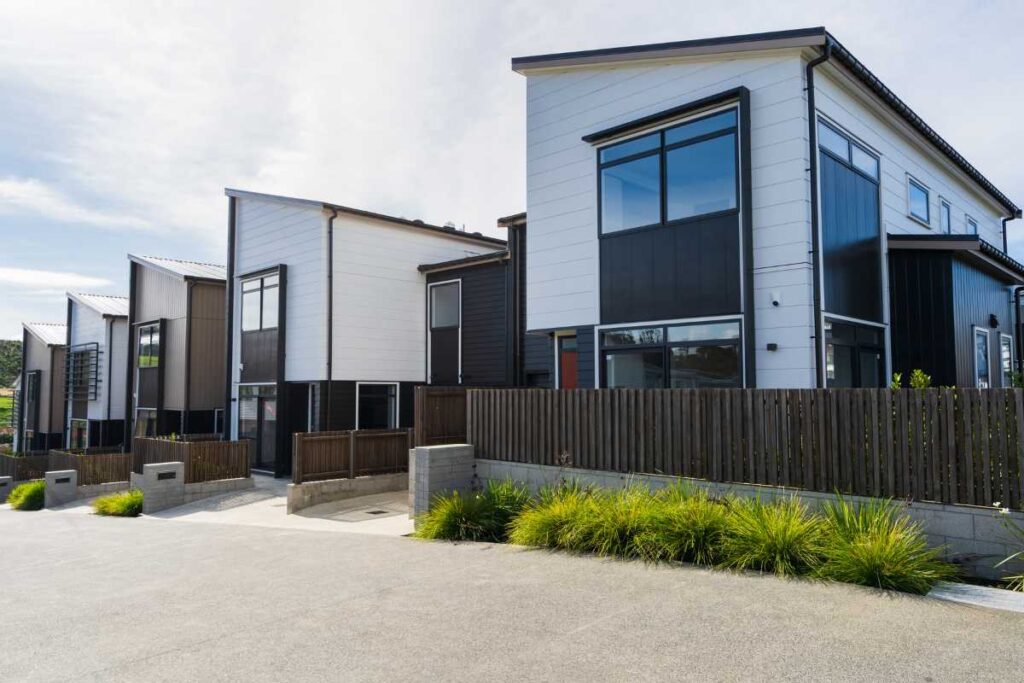
For decades, luxury real estate has been defined by tangible assets, grand mansions, sprawling penthouses, oceanfront villas, and private estates. High ceilings, imported marble, infinity pools, and panoramic views were the ultimate indicators of affluence. But as we step further into the 21st century, the meaning of luxury is being redefined. Affluent buyers no longer seek just a roof over their heads or an ornate status symbol; they want experiences, exclusivity, sustainability, and connectivity seamlessly woven into their living spaces. In this new era, luxury real estate is less about square footage and more about storytelling, homes that reflect personal values, enhance lifestyles, and curate memorable experiences. This shift is not only transforming buyer preferences but also reshaping the strategies of developers, architects, and investors worldwide. The Evolution of Luxury: From Status to Substance Traditionally, luxury properties were about visible symbols of wealth, larger homes, prime locations, and imported materials. Owning luxury real estate was a way to signal financial power and social standing. However, the last decade, and particularly the post-pandemic world, has accelerated a cultural shift. The affluent class now prioritizes time, wellness, sustainability, and personalization over ostentation. Luxury homes must deliver more than aesthetics; they must create a lifestyle ecosystem. Affluence today is about how you live, not just where you live. The Rise of Experiential Luxury in Real Estate The global wealthy no longer measure success solely by material possessions. Instead, they want experiences that enrich their lives, a trend reflected in travel, fashion, and now, real estate. In short, the property itself is no longer the final product. The experience of living in it is. Global Hotspots Redefining Luxury Living The shift toward experiential luxury is shaping the hottest real estate markets worldwide. 1. Dubai Known for its futuristic skyline, Dubai continues to push boundaries in luxury living with branded residences (such as Armani and Bugatti villas), artificial islands, and developments that blur the line between home and resort. Exclusivity and architectural spectacle define its market. 2. Miami Miami’s luxury condos and waterfront estates offer more than just ocean views; they provide access to private marinas, art galleries, and wellness-focused amenities. The city’s integration of art, culture, and luxury lifestyle makes it one of the world’s fastest-growing affluent hubs. 3. Singapore As a global financial hub, Singapore’s luxury market emphasizes sustainability and smart technology. Ultra-luxury residences combine cutting-edge green architecture with curated wellness services. 4. Lisbon and Southern Europe Lifestyle cities like Lisbon, Marbella, and the Amalfi Coast are seeing rising demand from wealthy global buyers seeking culture, climate, and community, not just square footage. 5. Aspen, Lake Como, and St. Barts These lifestyle-driven secondary luxury markets thrive because they offer exclusivity, privacy, and immersive natural experiences, far from crowded city centers. The New Buyer Profile: Affluent Millennials and Gen Z The luxury real estate market is increasingly shaped by younger buyers. Millennials and Gen Z millionaires, many of them tech entrepreneurs or inheritors of family wealth, have very different priorities from previous generations. This generation is pushing developers to rethink luxury not as a fixed standard but as a personalized journey. Technology and the Smart Luxury Home Tech is no longer a feature; it’s the foundation of luxury living. The smart luxury home of today is powered by the Internet of Things (IoT), AI, and immersive digital experiences. For the ultra-wealthy, luxury isn’t about having the newest gadgets; it’s about seamless integration of technology into daily living. Sustainability: The New Gold Standard In the era of climate awareness, sustainability is no longer an optional feature; it’s a defining marker of affluence. The wealthy are embracing eco-conscious living, not just for ethics but also for prestige. In the new luxury market, to be sustainable is to be sophisticated. Luxury Real Estate as an Investment in Experiences High-net-worth individuals are not just buying homes; they are curating portfolios of experiences. Luxury real estate serves as both an asset class and an emotional investment. For investors, the return on luxury real estate lies not only in appreciation but in the experiences it enables, a trend that adds intangible yet powerful value. Challenges in the New Luxury Paradigm Despite the allure, the market faces challenges: The Future of Luxury Real Estate: 2025 and Beyond Looking ahead, luxury real estate will continue evolving along three major dimensions: Ultimately, the future of affluence lies at the intersection of experience, sustainability, and technology. Conclusion: A New Definition of Affluence Luxury real estate has transcended traditional markers of wealth. In today’s world, the affluent buyer is no longer satisfied with opulence alone; they seek homes that inspire, rejuvenate, and reflect their values. From smart homes in urban centers to eco-retreats in scenic landscapes, the definition of luxury has shifted from ownership to experience. The home is not just a showcase; it is a stage for life’s most meaningful moments. In this new era, the ultimate luxury is not what you own, but how your home enables you to live. For more insights, subscribe The Business Tycoon
REITs vs Direct Property Investment: Where to Put Your Money Now
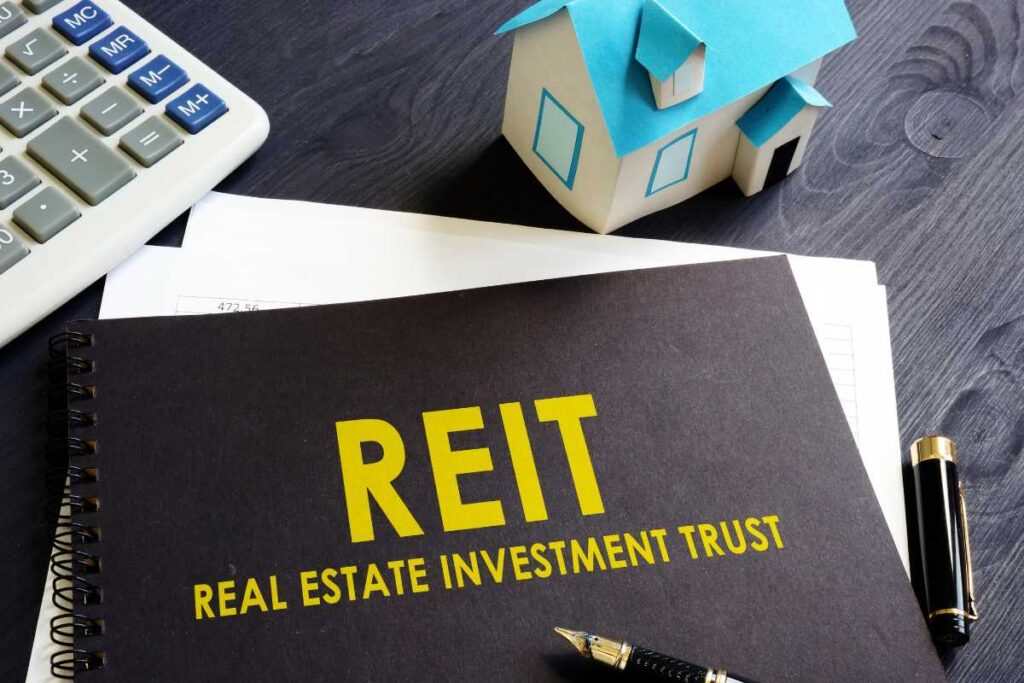
For generations, real estate has been a cornerstone of wealth creation. It offers tangible assets, steady cash flow, and, historically, a hedge against inflation. But in 2025, investors face a critical choice: should you invest in property directly, or turn to Real Estate Investment Trusts (REITs) for exposure? Both avenues present compelling opportunities but also very different risk-return profiles. With global property markets shifting due to economic trends, interest rate cycles, and new investment vehicles, understanding the pros and cons of REITs versus direct property investment has never been more important. This article breaks down the key differences, evaluates their strengths and weaknesses, and helps you determine where to put your money now. Understanding the Basics: REITs vs Direct Property Investment What are REITs? A Real Estate Investment Trust (REIT) is a company that owns, operates, or finances income-producing real estate. Think of it like a mutual fund but for property. Investors buy shares of a REIT, gaining exposure to diversified portfolios of real estate assets such as shopping centers, office buildings, warehouses, or apartment complexes. Key characteristics include: What is Direct Property Investment? Direct property investment means buying real estate outright, whether residential, commercial, or land, to generate rental income, capital appreciation, or both. It provides full ownership rights but also demands active involvement in financing, management, and maintenance. REITs: Advantages and Challenges Advantages Challenges Direct Property Investment: Advantages and Challenges Advantages Challenges Performance Comparison: REITs vs Direct Property Historical Returns Income vs Growth Volatility Which is Right for You? Investor Profiles Best for REITs: Best for Direct Property: Current Market Outlook: Where to Put Your Money in 2025 1. The Case for REITs Global REITs have rebounded as interest rates stabilize after years of volatility. Industrial REITs (warehouses, logistics) and data center REITs are especially strong, driven by e-commerce and cloud computing. Healthcare and residential REITs are also benefiting from demographic shifts. For investors worried about liquidity or inflation, REITs provide steady dividends and exposure to high-growth property sectors without tying up large amounts of capital. 2. The Case for Direct Property Direct real estate still shines in markets with population growth, job creation, and supply constraints. Cities like Miami, Dubai, Lisbon, and select U.S. Sunbelt metros are seeing rising rents and appreciation. Direct ownership also provides investors with unique opportunities to add value through renovations, better tenant management, or redevelopment. For investors seeking control, leverage, and long-term wealth creation, direct property remains highly attractive. Blended Approach: Why Not Both? In reality, many investors don’t choose between REITs and direct property; they combine them. A balanced portfolio may include: For example, an investor may hold REITs for exposure to global logistics while owning a rental property in a fast-growing local market. This strategy mitigates risk while maximizing opportunity. Key Takeaways Conclusion The question of REITs vs direct property investment isn’t about which is better universally; it’s about which aligns with your goals, resources, and lifestyle. For hands-off investors seeking regular dividends, REITs are hard to beat. For those who prefer control and can commit capital and time, direct property remains a powerful wealth-building tool. In 2025, when global markets are defined by shifting interest rates, demographic changes, and technological transformation, the wisest strategy may be combining both approaches, using REITs for breadth and liquidity, and direct property for depth and personalization. After all, real estate has always been about balance: between risk and reward, income and growth, liquidity and legacy. By carefully choosing your path, or blending both, you’ll ensure your investments not only grow but thrive in the evolving landscape of modern real estate. For more insights, follow The Business Tycoon
Global Hotspots: The Cities with the Fastest-Growing Property Markets (2025 Outlook)

Real estate has always been local; neighborhoods rise and fall on the strength of jobs, infrastructure, and desirability. But in 2025, the global hotspots map is being redrawn faster than ever. Macro trends, shifting capital flows, climate risk, tech adoption, and post-pandemic lifestyle changes are creating new winners and reshaping old favorites. This article tours the brightest property hotspots today, explains why they’re accelerating, and offers what investors should watch next. Why some cities surge while others stall Before we name cities, it helps to understand the forces that determine property market strength in 2025: Taken together, these dynamics produce a shortlist of cities that are growing fastest in 2024–2025 across price growth, transaction velocity, new development, and investor interest. Here are Global Hotspots 2025 1. Dubai, UAE, high growth, global gateway Dubai continues to headline global growth lists in 2025. The city’s combination of favorable tax regimes, large-scale waterfront and master-planned developments, and strong tourism rebound keeps both residential and branded-residence demand high. Developers are selling premium units rapidly, and foreign buyer interest, especially from Europe and Asia, remains strong. For investors seeking price appreciation and a liberal regulatory environment for foreign ownership, Dubai remains a top pick. Why it’s hot: tax efficiency + mega projects + international demand. 2. Miami, USA, luxury, climate adaptation, and inbound capital Miami’s property market keeps surprising: luxury inventory is limited, demand from domestic and international buyers persists, and lifestyle migration (sun, sea, tax advantages) supports price resilience. At the same time, Miami is an early example of a market confronting climate risk and investing heavily in resilience, factors that sustain long-term investor confidence when handled transparently. Savills and Knight Frank continue to flag Miami among prime cities for 2024–2025 performance. Why it’s hot: lifestyle magnet + wealthy in-migration + luxury scarcity. 3. Singapore, stability, connectivity, and foreign capital Singapore’s appeal is institutional: exemplary governance, world-class infrastructure, and a tech-forward economy. These traits attract global investors seeking safe, liquid markets in Asia. Prime residential demand is underpinned by limited land supply and high-quality urban planning; commercial real estate benefits from Singapore’s role as a regional HQ hub. JLL and other market outlooks point to continued interest in well-regulated markets like Singapore for 2025. Why it’s hot: regulatory stability + connectivity + corporate demand. 4. Denver & Select Sunbelt U.S. Cities, affordability + growth While coastal gateway cities remain influential, a pattern continues in the U.S.: Sunbelt and inland metros, Denver, Dallas/Fort Worth, Austin, and parts of Florida, are gaining in both population and investor attention. PwC’s Emerging Trends research notes the rise of these markets as companies and residents chase affordability, favorable business climates, and talent pools. For investors seeking rental yields and population-driven demand, these metros are compelling. Why they’re hot: population inflows + affordable growth + corporate relocations. 5. Berlin & Select European Tech Hubs, affordability meets talent European hotspots aren’t limited to London and Paris. Cities such as Berlin continue to attract youth, startups, and creatives thanks to relative affordability, strong lifestyle offerings, and tech ecosystems. Investors increasingly target these markets for mid-term capital appreciation as Europe’s urban renaissance continues in places where living costs remain attractive compared with Western European peers. Why they’re hot: talent magnetism + comparative affordability + cultural appeal. 6. Hangzhou & Chinese Tier-1/2 Cities, domestic demand shifts China’s real estate landscape is large and nuanced. While Beijing and Shanghai matter, cities like Hangzhou and other strong Tier-1/Tier-2 locations show rapid price recoveries when local employment, tech clusters, and policy align. Savills’ and regional indexes highlight selective Chinese cities among the top performers in recent luxury and prime segments. Why they’re hot: tech clusters + domestic capital + policy recovery. 7. Lisbon & Southern European Lifestyle Cities, migration + remote work European lifestyle cities with attractive climates and lower costs, Lisbon being a prime example, are still drawing remote workers, entrepreneurs, and retirees. Portugal’s visa frameworks and lifestyle amenities have made Lisbon a favorite for long-stay buyers and investors seeking capital appreciation plus rental demand from short-term and mid-term stays. Why it’s hot: lifestyle + remote work + tourism-driven rentals. 8. Secondary Global Cities & Emerging Market Winners Not every hotspot is a megacity. Secondary cities and smaller capitals, especially those improving digital infrastructure and offering incentives to attract talent, are rising. Data providers and local property analysts cite a mixture of fast-selling smaller markets (regional U.S. metros, parts of Southeast Asia, and select Latin American cities) where affordability and population growth outpace supply. Tools like Global Property Guide and HouseCanary provide granular lists that highlight these movements. Why they’re hot: affordability + rising local demand + developer interest. What investors should look for (beyond headlines) Picking markets by name is useful, but the smart play is to assess why a city is performing and whether that dynamic is durable: Risks to watch No market is immune to risk. Key threats that can flip a hotspot into a cooling market include: A disciplined investor triangulates between growth potential and downside mitigation; diversification, local partners, and scenario planning are essential. Practical strategies for investors in 2025 Final take: a more nuanced globe of opportunity 2025’s property hotspots aren’t defined by a single axis like “location” alone. Instead, they emerge where capital, climate resilience, technology, and quality of life intersect. Dubai’s international demand, Miami’s lifestyle magnetism, Singapore’s institutional allure, Denver and the Sunbelt’s demographic momentum, and Lisbon’s lifestyle pull all reflect different combinations of these factors. For investors, the opportunity lies in reading the signals, employment growth, infrastructure buildout, regulatory clarity, and climate planning, rather than chasing headlines. Global hotspots will keep shifting, but those who pair macro insight with local data and durable asset selection stand to capture the golden returns these cities can offer. For more insights, follow The Business Tycoon
Beyond Location: The New Metrics Driving Property Investment in 2025

For decades, the mantra of real estate has been simple and unwavering: “location, location, location.” A prime address was considered the single most important determinant of a property’s value, guiding buyers and investors toward areas with prestige, accessibility, and long-term growth potential. But in 2025, this formula has evolved. While location remains relevant, it’s no longer the only, or even the most decisive, metric driving property investment decisions. Advances in technology, shifting demographics, climate concerns, and evolving consumer preferences are reshaping what makes a property truly valuable. Today’s investors must look beyond location and evaluate a new set of metrics that define profitability, resilience, and long-term sustainability in real estate. The Shifting Landscape of Property Investment Several global forces have combined to challenge the dominance of location as the central driver of property value: As a result, the modern property market is more complex and data-driven than ever, with investors analyzing multiple dimensions before making decisions. New Metrics Shaping Property Investment in 2025 1. Sustainability and Green Certifications Sustainability has moved from “nice to have” to “non-negotiable.” Properties with green certifications, such as LEED, BREEAM, or WELL Building Standards, command higher resale values and rental rates. Energy efficiency, renewable energy integration, and eco-conscious designs are now essential investment metrics. 2. Climate Risk and Resilience Investors are factoring in climate-related risks such as flooding, wildfires, and extreme weather. Properties in high-risk zones may face insurance challenges, reduced demand, and even devaluation over time. Conversely, climate-resilient buildings with disaster-preparedness systems are considered safer long-term bets. 3. Technology and Smart Home Integration Smart homes equipped with IoT devices, energy-efficient systems, and automated controls have become highly desirable. For tenants and buyers, the convenience of technology translates into willingness to pay more. For investors, it means higher rental yields and reduced vacancies. 4. Community and Lifestyle Value The rise of the 15-minute city concept, where essential services (work, school, healthcare, leisure) are within walking or cycling distance, has transformed how people view neighborhood desirability. Lifestyle amenities like coworking spaces, fitness centers, and communal green areas are becoming as important as square footage. 5. Remote Work Accessibility With remote and hybrid work models continuing into 2025, buyers prioritize properties with dedicated home office spaces, strong internet connectivity, and ergonomic designs. The “commute to office” factor has been replaced by the “work-from-home readiness” metric. 6. Affordability and Housing Supply Trends Affordability is a growing global challenge. Investors now analyze government housing initiatives, zoning reforms, and urban development plans when assessing long-term potential. Markets with a balanced mix of affordability and growth opportunity are more sustainable than overpriced “hotspots.” 7. ESG and Institutional Investment Preferences Environmental, Social, and Governance (ESG) principles are shaping real estate investment portfolios. Institutional investors increasingly allocate capital to sustainable, socially responsible projects, influencing property developers to meet ESG criteria. 8. Digital Infrastructure and Connectivity In the digital economy, high-speed internet and 5G connectivity are non-negotiable. A luxury home without strong broadband is now considered incomplete. Smart cities are prioritizing digital infrastructure, and investors are taking notice. 9. Health and Wellness Features Post-pandemic, health-conscious design has become a priority. Properties with better air filtration, touchless systems, green spaces, and biophilic design are highly desirable. Wellness-focused real estate is expanding into both residential and commercial sectors. 10. Data-Driven Valuation and Predictive Analytics Traditional valuation methods are giving way to AI-powered predictive analytics. Investors are using big data to forecast rental yields, market demand, and even neighborhood growth potential. Case Studies: How Metrics Are Reframing Investment Decisions 1. Miami, USA Once prized purely for location, Miami’s market is now scrutinized for climate resilience. Rising sea levels and hurricane risks have forced investors to prioritize elevation and sustainability over beachfront prestige. 2. Berlin, Germany Berlin attracts investors not only for its location but also for affordability, government rental protections, and strong digital infrastructure. It demonstrates how affordability plus stability can drive long-term returns. 3. Singapore Singapore’s reputation as a smart city with robust connectivity, sustainable infrastructure, and strict building regulations showcases how non-location metrics like tech-readiness and ESG alignment drive investor confidence. Challenges in Embracing New Property Investment Metrics While these new factors provide opportunities, they also present challenges: Successful investors in 2025 will be those who balance traditional wisdom with innovative metrics. The Future of Property Investment Beyond 2025 As the world becomes more digital, sustainable, and interconnected, new metrics will continue to emerge. Some trends to watch: By 2030, the phrase “location, location, location” may evolve into “sustainability, resilience, and connectivity.” Conclusion: A New Investment Playbook In 2025, property investment is no longer defined solely by geographic location. While location remains relevant, today’s most successful investors are those who evaluate a broader ecosystem of metrics: sustainability, resilience, digital connectivity, community value, wellness, and affordability. These factors not only shape immediate returns but also ensure long-term profitability and resilience in a world of constant change. For forward-thinking investors, embracing these new metrics isn’t optional, it’s the key to thriving in the future of real estate. The message is clear: to succeed in modern property markets, you must look beyond location and embrace the multi-dimensional realities of real estate investment. For more insights, follow The Business Tycoon
From Virtual Tours to Virtual Sales: The Future of Real Estate Technology

The real estate industry, once considered slow to embrace change, has entered a period of rapid digital transformation. Driven by shifting consumer expectations, advances in technology, and lessons learned during the global pandemic, the sector has redefined how homes are marketed, viewed, and even purchased. At the center of this transformation is real estate technology, or PropTech, which is reshaping every step of the property journey. From virtual tours that let buyers walk through a property from thousands of miles away to entirely digital transactions conducted with the help of blockchain and AI, the future of real estate technology is increasingly virtual. This isn’t just about convenience, it’s about creating transparency, expanding accessibility, and redefining value for buyers, sellers, and investors alike. The Rise of Real Estate Technology Technology adoption in real estate has accelerated significantly in the last decade. Once reliant on paper contracts, in-person viewings, and manual data entry, the industry now leverages artificial intelligence, machine learning, augmented reality (AR), virtual reality (VR), blockchain, and big data analytics to streamline operations. The pandemic acted as a catalyst, forcing real estate professionals to innovate as buyers sought safe, digital-first ways to shop for homes. What was initially a necessity has now evolved into a preference, and in many cases, an expectation. PropTech investment reflects this shift. According to Crunchbase data, PropTech startups raised over $32 billion globally in 2023, highlighting growing investor confidence in the sector’s future. Virtual Tours: The First Step Toward Virtualization One of the earliest and most impactful innovations has been the rise of virtual property tours. 1. Immersive Virtual Reality Walkthroughs VR technology allows potential buyers to tour a property as if they were physically present. These 360-degree walkthroughs offer a lifelike sense of scale and space, helping clients make faster, more confident decisions. 2. Augmented Reality for Home Customization AR tools let buyers visualize how furniture, colors, or renovations might look inside a property. Apps like IKEA Place or Houzz integrate seamlessly with property listings, creating a personalized, engaging experience. 3. Benefits of Virtual Tours Virtual tours have become so mainstream that many buyers now expect listings to include 3D walkthroughs as part of the standard offering. Virtual Sales: Closing Deals in the Digital Age While virtual tours sparked the digital revolution, the rise of virtual sales is pushing real estate into uncharted territory. Entire transactions, from property discovery to final signature, can now take place online. 1. Digital Contracts and E-Signatures Platforms like DocuSign and Adobe Sign allow legally binding contracts to be signed remotely, cutting down transaction times from weeks to days. 2. Blockchain-Powered Transactions Blockchain enables secure, transparent, and tamper-proof property records. Smart contracts streamline title transfers, reduce fraud, and remove intermediaries. Countries like Sweden and the UAE are already piloting blockchain-based real estate registries. 3. Digital Mortgages and Financing Fintech platforms now integrate with real estate to offer digital mortgage approvals within hours, making the buying process faster and less stressful. 4. Virtual Closings Video conferencing tools and notarization software allow buyers, sellers, agents, and lawyers to finalize deals without ever meeting in person. The Role of Artificial Intelligence and Big Data AI and big data analytics are transforming how real estate is marketed, priced, and managed. For investors, these tools mean smarter, data-driven decisions and improved ROI. How Real Estate Professionals Are Adapting The shift toward digital doesn’t diminish the role of real estate agents and brokers, it enhances it. Agents now serve as technology facilitators and advisors, helping clients navigate advanced tools. Far from replacing human expertise, technology is empowering real estate professionals to deliver better, faster, and more personalized service. Benefits of Virtual Real Estate Transactions For buyers, sellers, and investors, the advantages are clear: Challenges and Risks in Real Estate Technology Despite its promise, virtual real estate also faces challenges: These challenges highlight the need for robust cybersecurity, inclusive access, and clear regulations to support digital real estate. The Future of Real Estate Technology The digital revolution in real estate is just beginning. In the coming years, we can expect: The convergence of PropTech, FinTech, and blockchain will ultimately lead to a borderless, frictionless real estate market. Conclusion: A Digital Future for Real Estate The real estate industry is undergoing one of the most transformative periods in its history. What began as virtual tours has evolved into a fully digital ecosystem where buyers can browse, tour, finance, and close deals without leaving their homes. While challenges remain, the benefits of real estate technology, speed, transparency, accessibility, and efficiency, are undeniable. For buyers, it means greater choice and convenience. For sellers and agents, it means wider reach and faster closings. For investors, it represents a future of smarter, data-driven returns. The message is clear: the future of real estate is virtual. Those who embrace these innovations today are positioning themselves at the forefront of an industry that is being reshaped for the better. The only question that remains is: are you ready to buy, sell, or invest in the digital marketplace of tomorrow? For more insights, follow The Business Tycoon
Green Living, Golden Returns: Sustainability in Modern Real Estate

The real estate industry has long been guided by the classic mantra of “location, location, location.” Yet, in the 21st century, another factor has entered the equation: sustainability. Modern buyers, renters, and investors are no longer content with four walls and a roof; they want properties that are energy-efficient, environmentally conscious, and built to last. This shift toward green living is not just about protecting the planet, it’s also about securing golden returns in the form of higher property values, stronger rental yields, and long-term cost savings. From eco-friendly building materials to smart energy systems, sustainability in real estate has moved from niche luxury to mainstream necessity. Let’s explore how this transformation is unfolding, why it matters for both investors and consumers, and what the future holds for Sustainability in real estate. The Rise of Sustainability in Real Estate: Why Green Living Matters Sustainability in real estate refers to the practice of designing, constructing, and managing buildings in ways that reduce environmental impact while improving energy efficiency and occupant well-being. This includes: Consumer demand for eco-friendly homes is on the rise. According to a Deloitte study, nearly 70% of Millennials and Gen Z buyers actively prefer sustainable properties, even if it means paying more. Governments are also incentivizing developers with tax breaks, rebates, and certifications like LEED (Leadership in Energy and Environmental Design), further driving adoption. For investors, the opportunity is clear: sustainability is not just good for the environment, it’s great for business. How Green Buildings Deliver Golden Returns Investing in sustainable real estate may require higher upfront costs, but the long-term returns far outweigh the initial expense. Here’s how: 1. Higher Property Value and Marketability Eco-friendly homes often command premium prices. Buyers are willing to pay more for green-certified buildings due to reduced utility bills and healthier living environments. For example, a LEED-certified property typically sells for 8-10% more than non-certified equivalents. 2. Reduced Operating Costs Energy-efficient systems drastically lower electricity, heating, and cooling expenses. Smart thermostats, solar energy, and efficient insulation contribute to long-term savings for both owners and tenants, making such properties highly attractive. 3. Stronger Rental Yields Tenants, especially urban millennials and corporate renters, prefer sustainable properties. Commercial tenants, in particular, are drawn to green office spaces to reduce their carbon footprint and align with corporate ESG (Environmental, Social, Governance) goals. This means higher rental yields and reduced vacancy rates for investors. 4. Resilience Against Market Risks As environmental regulations tighten, non-sustainable properties risk becoming obsolete. Investors with green properties safeguard themselves against potential penalties, compliance costs, and devaluation. 5. Positive Brand Image for Developers and Investors In a world where ESG metrics matter, sustainable real estate enhances reputation. Developers and investors who prioritize eco-friendly practices attract socially conscious buyers and institutional investors. Trends Driving Sustainability in Real Estate The growth of sustainable real estate is fueled by multiple trends reshaping the industry: 1. Renewable Energy Integration Solar panels, wind turbines, and geothermal systems are becoming standard in new developments. Net-zero energy buildings, which generate as much energy as they consume, are no longer futuristic; they’re happening today. 2. Smart Technology for Energy Efficiency IoT-powered systems monitor and optimize electricity and water usage in real time. From automated lighting to AI-driven HVAC systems, technology makes green living effortless. 3. Sustainable Construction Practices Developers are adopting recycled and renewable materials, reducing construction waste, and prioritizing low-carbon methods. Modular and prefabricated construction also contributes to sustainability by minimizing resource waste. 4. Biophilic Design and Wellness Green buildings are not only about energy, they’re about people. Biophilic design, which integrates natural elements like plants, light, and air, improves mental well-being and productivity, boosting property desirability. 5. Government Policies and Incentives From the European Union’s Green Deal to U.S. tax credits for solar installations, policies worldwide are accelerating green adoption. Investors who act early can maximize returns from subsidies and incentives. Case Studies: Where Green Meets Gold 1. The Edge, Amsterdam Often hailed as the “greenest office building in the world,” The Edge uses smart technology and renewable energy to achieve unmatched efficiency. It has attracted global companies like Deloitte, showcasing how green design enhances commercial property demand. 2. Bosco Verticale, Milan This iconic residential project features vertical forests with over 900 trees integrated into its design. Not only does it reduce pollution, but it also increases property values significantly, proving that sustainability and luxury can coexist. 3. BedZED, London The Beddington Zero Energy Development (BedZED) is the UK’s largest eco-village, emphasizing renewable energy, water recycling, and community-focused design. It remains a benchmark for sustainable urban living. Challenges of Sustainable Real Estate While the benefits are compelling, the path to green real estate isn’t without challenges: However, with rising demand and declining costs of green technologies, these barriers are gradually diminishing. The Future of Sustainable Real Estate Looking ahead, sustainability will evolve from a competitive advantage to an industry standard. Some key predictions: Conclusion: Building Wealth While Building a Better World Sustainability in real estate is not a passing trend, it’s the future of the industry. Green living provides undeniable advantages for homeowners, tenants, developers, and investors alike. From lower operational costs and higher property values to healthier lifestyles and environmental benefits, the case for sustainable real estate is stronger than ever. The ultimate takeaway? Green living generates golden returns. Those who invest in eco-friendly real estate today are not only contributing to a healthier planet but are also future-proofing their portfolios against market risks and regulatory shifts. In an era where climate change and consumer expectations collide, sustainable real estate is more than just smart business, it’s a moral and financial imperative. The properties of tomorrow will be measured not only by size or location but by their ability to coexist with the planet and enrich the lives of those who call them home. For more insights, follow The Business Tycoon
Smart Homes, Smarter Investments: How IoT is Revolutionizing Real Estate

The real estate industry, long defined by bricks, mortar, and location, is undergoing a seismic shift. No longer is the appeal of a property solely determined by square footage or neighborhood prestige. Today, technology-driven innovation is redefining what makes a home valuable, with Internet of Things (IoT) devices leading the charge. From intelligent thermostats to smart security systems, IoT is not just enhancing the way we live, it’s transforming real estate investment strategies, property valuations, and the very definition of a desirable home. Understanding Smart Homes and Internet of Things (IoT) in Real Estate A “smart home” is more than just a sleek, tech-filled dwelling; it’s a connected ecosystem that allows homeowners to monitor, control, and automate aspects of their living environment. IoT devices, sensors, cameras, smart appliances, and voice assistants, communicate with each other and the homeowner through the internet, enabling real-time monitoring and control. In real estate, this means a home is no longer just a static asset; it’s an adaptable, data-rich environment. From energy consumption patterns to security metrics, IoT generates insights that influence property management, tenant satisfaction, and investment returns. The Rise of Smart Homes: Market Trends and Consumer Demand The adoption of smart home technology has skyrocketed in the last decade. According to Statista, global smart home device revenue is expected to reach over $150 billion by 2025, driven by increasing consumer demand for convenience, security, and energy efficiency. Millennials and Gen Z, who now dominate the homebuying market, are particularly drawn to technology-integrated properties. For them, smart homes represent lifestyle flexibility, sustainability, and long-term cost savings. Meanwhile, investors recognize that smart homes attract higher rents, faster sales, and stronger resale value. This dual appeal, consumer convenience and investment potential, is fueling a new era in real estate where IoT is not just an amenity but a strategic asset. Internet of Things (IoT) Features That Increase Property Value Several IoT innovations directly influence property attractiveness and market value: 1. Energy Efficiency and Smart Utilities Smart thermostats, automated lighting, and energy-monitoring systems allow homeowners to optimize energy usage. Reduced utility costs are a strong selling point for buyers and renters alike. Moreover, energy-efficient homes often qualify for government incentives, increasing their financial appeal. 2. Enhanced Security and Safety Smart locks, surveillance cameras, motion sensors, and AI-powered security systems offer peace of mind while lowering insurance premiums. Security-conscious buyers are willing to pay a premium for homes with integrated, reliable systems. 3. Home Automation and Convenience From smart refrigerators and washing machines to voice-activated assistants controlling lighting and entertainment, automation enhances lifestyle convenience. The “wow factor” of seamless, interconnected devices often translates to higher property valuation. 4. Remote Monitoring and Maintenance IoT sensors can detect water leaks, HVAC malfunctions, and other maintenance issues before they become major problems. This proactive monitoring increases a home’s longevity and reduces unexpected expenses, making the property more attractive to both buyers and investors. Investing in Smart Homes: Opportunities and Strategies Investors are increasingly viewing IoT integration as a critical factor in property evaluation. Smart homes command higher rents, sell faster, and generally appreciate faster than traditional homes. Here’s how IoT is shaping investment strategy: 1. Premium Rentals for Tech-Savvy Tenants Properties with integrated smart home systems appeal to younger, tech-savvy tenants willing to pay more for convenience and security. Landlords who invest in IoT upgrades often see immediate ROI through higher rental yields. 2. Reduced Operational Costs Smart sensors and automation reduce utility bills and maintenance costs. Investors who incorporate these systems into their properties can pass on some savings to tenants while maintaining profitability. 3. Differentiation in Competitive Markets In saturated urban markets, Internet of Things (IoT) integration serves as a differentiator. A property equipped with smart features stands out on listing platforms, attracting higher-quality tenants or buyers. 4. Data-Driven Property Management IoT devices generate vast amounts of data on usage patterns, security alerts, and energy efficiency. Investors can leverage this data for predictive maintenance, market analysis, and strategic upgrades, maximizing returns over time. Challenges in Smart Home Investment While Internet of Things (IoT) presents enormous opportunities, investors should be aware of challenges: Investors who carefully evaluate these risks and adopt scalable, future-proof solutions will benefit from the long-term value of smart home investments. The Future of IoT in Real Estate The integration of Internet of Things (IoT) into real estate is still in its early stages, but the trajectory is clear: smart homes will become the standard, not the exception. Future developments include: For real estate investors, early adoption and integration of these technologies will be a competitive advantage, influencing long-term profitability and market positioning. Conclusion: The Investment Imperative The advent of Internet of Things (IoT) has shifted the real estate landscape from a traditional, location-centric model to a technology-driven, data-rich ecosystem. Smart homes are no longer just a luxury, they are a strategic investment that offers higher yields, faster sales, and enhanced tenant satisfaction. Investors who embrace IoT-enabled properties today position themselves at the forefront of a market transformation, combining lifestyle innovation with financial foresight. In a world where connectivity and convenience define value, the homes of tomorrow are not just built, they are engineered for intelligence, efficiency, and growth. As technology continues to evolve, one truth remains clear: smart homes are smarter investments, and the properties that adapt to this connected future will set the standard for real estate success in the years to come. For more insights, follow The Business Tycoon
Warren Buffett’s $31 Billion Japan Gamble: How Berkshire Hathaway’s Long-Term Bet on Trading Giants is Paying Off

Warren Buffett’s Berkshire Hathaway continues to reshape global investment dynamics by increasing its stakes in Japan’s powerhouse trading companies. The conglomerate now owns more than 10% in Mitsubishi and Mitsui, two of Japan’s largest sogo shosha, or general trading houses. Recent filings from Mitsubishi Corp. revealed that Berkshire boosted its stake to 10.23% from 9.74%, while Mitsui & Co. confirmed similar increases. These moves propelled Berkshire into the position of Mitsui’s largest shareholder. Buffett’s Japanese exposure now exceeds $31 billion in market value, a staggering 392% jump from the $6.3 billion initial investment made in 2020. From Modest Start to Market Domination Berkshire began investing in these five firms — Itochu, Marubeni, Mitsubishi, Mitsui, and Sumitomo — in 2019, gradually building stakes of about 5% in each. The companies operate across diverse industries, ranging from energy, commodities, and logistics to finance and consumer goods. Originally, Buffett agreed to keep ownership below 10% without board approval. However, as disclosed in his February 2025 annual letter, the trading houses later “moderately relaxed” this ceiling, allowing Berkshire’s holdings to cross the 10% threshold. Each firm consented to this move as a mark of trust and in recognition of Berkshire’s “steady hand and patient capital.” Remarkable Gains from an Undervalued Opportunity Buffett’s strategy was rooted in his signature value-investing philosophy. He was drawn to these companies for their reliable management, diverse operations, and low valuations during 2020, a time when Japanese shares were still considered underpriced. Since then, shares in the five trading houses have rocketed between 227% and 551%, contributing nearly $10 billion in profits to Berkshire Hathaway. Analysts credit these gains to both Buffett’s buying momentum and the firms’ strong focus on corporate reform, improved governance, and shareholder-friendly policies such as dividend hikes and share repurchases. The result? Japan’s trading houses have significantly outpaced the Tokyo Stock Exchange’s TOPIX index, becoming symbols of Japan’s corporate renaissance under Buffett’s global spotlight. Strategic Financial Engineering: Warren Buffett’s Yen Advantage Perhaps one of Buffett’s most sophisticated plays has been leveraging yen-denominated debt to finance these acquisitions. The move allows Berkshire to benefit from Japan’s prolonged period of ultra-low interest rates while generating substantial dividend income. According to estimates, Berkshire earns around $812 million annually in dividends from these holdings while paying only $135 million in interest expenses, creating an efficient arbitrage between cheap borrowing and robust income streams. Additionally, favorable yen-to-dollar exchange rates have added billions in after-tax currency gains, cementing the deal’s profitability. This financial strategy demonstrates how disciplined capital structuring can amplify long-term equity performance — a hallmark of Buffett’s mastery of conservative borrowing to fund high-quality assets. Japan’s Governance and Buffett’s Endorsement Buffett’s devotion to Japan is also tied to the country’s evolving corporate culture. Over the last decade, Japanese regulators and companies alike have embraced pro-investor reforms, improving transparency, dividend policies, and capital efficiency. These advancements made Japan fertile ground for Berkshire’s methodical approach. The five sogo shosha — essentially Japanese equivalents of Berkshire itself — provide essential services in global trade, resource distribution, and industrial supply chains. Their diversified models shield them from commodity volatility, offering the resilience Buffett values most. Market experts believe Berkshire’s involvement has elevated confidence among global institutional investors. As noted by SBI Securities analyst Ryunosuke Shibata, Buffett’s continuous buying acts as a “tailwind for all trading house stocks,” encouraging further international capital inflows into Japan. A “Forever” Investment True to his long-term ethos, Buffett has reiterated that his stake in Japan represents a decades-long, potentially permanent commitment. In his 2025 annual letter, he stated: “We won’t give a thought to selling those shares in the next 50 years or forever.” Berkshire Vice Chairman Greg Abel echoed his optimism, highlighting that Berkshire could expand collaboration with these companies across energy, infrastructure, and logistic ventures. Buffett’s move to allocate billions overseas also underlines a strategic diversification away from U.S.-centric equity exposure, especially as American valuations reach record highs. What Buffett’s Japan Play Signifies for Global Investors Berkshire Hathaway’s bold expansion demonstrates that value-oriented opportunities still exist beyond the U.S. financial markets. Japan’s maturing governance landscape, coupled with consistent dividend yields and moderate valuations, offers a powerful case for global investors seeking sustainable long-term growth. For Buffett, this strategy is not a speculative gamble but a precise alignment with his investing mantra: acquiring strong, well-managed businesses at fair prices and holding them indefinitely. Conclusion Warren Buffett’s $31 billion foray into Japan stands as one of the most successful international bets in Berkshire Hathaway’s storied history. What began as a low-profile diversification move in 2020 has evolved into a defining symbol of Japan’s corporate evolution and Buffett’s timeless investment acumen. By crossing the 10% ownership threshold and optimizing financing through yen-denominated bonds, Berkshire has blended value, vision, and patience into one of the 21st century’s most profitable global investment strategies. For more insights, follow The Business Tycoon
Google My Business in 2025: Advanced Tactics to Own Your Local Market

In today’s hyper-digital world, visibility is everything. Whether you run a coffee shop, a fitness studio, or a consultancy, your ability to attract and convert local customers often depends on how easily they can find you online. And when it comes to local search, Google My Business (GMB), now part of Google Business Profile (GBP), remains the undisputed king. But here’s the thing: what worked in 2020 or 2022 won’t cut it in 2025. Google has refined its algorithms, introduced new features, and doubled down on AI-driven personalization. To truly own your local market, you’ll need to go beyond the basics and implement advanced GMB strategies. This guide will walk you through what Google My Business looks like in 2025, why it’s more powerful than ever, and the advanced tactics you can use to dominate local search. Why Google My Business Still Matters in 2025 Some business owners think social media has replaced Google My Business. In reality, GMB is stronger than ever because local intent searches are booming. When someone searches “best Italian restaurant near me” or “plumber open now”, GMB determines whether your business shows up, or your competitor does. What’s New with Google My Business in 2025 Google has transformed GMB into a dynamic business hub powered by AI, personalization, and deeper integrations. Here are the major updates shaping strategies this year: Advanced Tactics to Own Your Local Market in 2025 Now that you understand the landscape, let’s dive into actionable tactics that set you apart. 1. Optimize for AI-Powered Search Intent In 2025, Google cares less about keywords and more about context + personalization. 2. Leverage Google Posts Strategically Google Posts aren’t just updates; they’re mini-conversion tools. Pro Tip: Use AI tools to draft engaging posts, then humanize them for local flair. 3. Maximize Reviews and Reputation Management Reviews remain the lifeblood of local SEO, but in 2025, it’s not just about quantity. Advanced Move: Encourage customers to leave keyword-rich reviews (e.g., “The best gluten-free pizza in downtown Boston”). 4. Own the Q&A Section The Q&A section is often overlooked, but it’s a goldmine for SEO. 5. Embrace Voice Search Optimization With Google Assistant dominating, your GMB strategy must be voice-friendly. 6. Add High-Impact Visuals and Video In 2025, GMB is more visual than ever. Businesses with rich media outperform others. 7. Integrate Booking, Chat, and Payments Convenience is king. GMB now supports end-to-end transactions. 8. Use Local Service Ads for Market Domination Local Service Ads (LSAs) appear above organic search results. In 2025, verified businesses with strong GMB profiles dominate these slots. 9. Optimize for AR and Maps Integration With AR navigation embedded in Google Maps, your Google My Business presence must shine: 10. Analyze Insights and Data Regularly Data is your secret weapon. GMB Insights in 2025 are more detailed than ever: Case Studies: Winning with GMB in 2025 A Local Gym in Austin By optimizing for voice queries like “yoga classes near me open tonight”, the gym increased bookings by 35% in six months. A Family-Owned Restaurant in London Through shoppable posts and user-generated photo reviews, the restaurant climbed into Google’s Top 3 Map Pack and doubled foot traffic. A Law Firm in Toronto By owning their Q&A section and publishing weekly posts on legal FAQs, the firm built authority and gained 40% more client inquiries. The Mindset to Own Your Local Market Success in 2025 isn’t about tricking algorithms, it’s about being visible, trustworthy, and convenient. Think of GMB as your digital storefront: Conclusion: Your 2025 Local SEO Advantage Google My Business in 2025 is far more than a directory listing; it’s a strategic marketing platform. By embracing advanced tactics like voice optimization, AR integration, and utility-driven posts, you can build a local presence that outshines competitors. Owning your local market isn’t about being the biggest; it’s about being the most visible, credible, and customer-friendly in the eyes of Google and your community. The businesses that master these advanced GMB strategies today will be the local leaders of tomorrow. For more insights, follow The Business Tycoon