
Georgia’s President Calls for National Protest Over Disputed Election Results
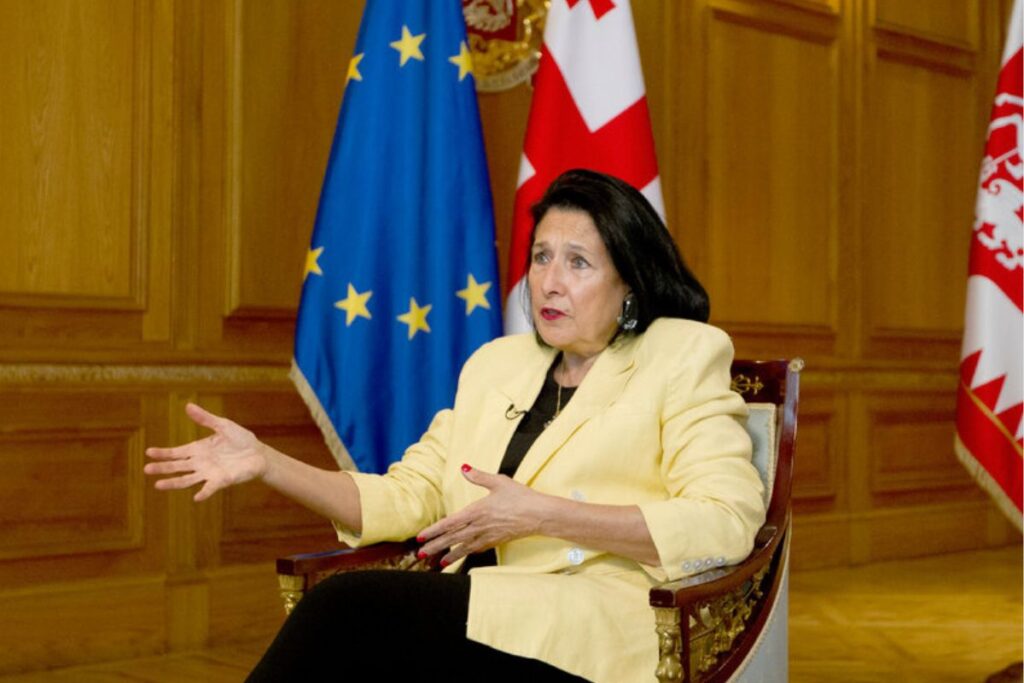
Georgia’s President Salome Zourabichvili is calling on citizens to rally against the disputed election results, voicing concerns about Russia’s interference and a potential threat to the country’s European future. In a recent interview, Salome Zourabichvili criticized the ruling party’s alleged election manipulation, asserting that this interference endangers Georgia’s alignment with the European Union. A Nation Protests to Defend its Path Toward Europe Tens of thousands gathered outside the Georgian parliament in Tbilisi, demanding the annulment of last Saturday’s parliamentary election. The opposition claims that the Georgian Dream party, which has ties to Russia, manipulated the election results. Salome Zourabichvili, known for her pro-European stance, joined protesters, emphasizing the peaceful nature of their demands. Allegations Against the Georgian Dream Party The ruling Georgian Dream party, founded by billionaire Bidzina Ivanishvili, declared victory with nearly 54% of the vote according to the Central Election Commission (CEC). However, Salome Zourabichvili has rejected these results, alleging the use of underhanded tactics to influence the election outcome. She has called for an international investigation into the reported irregularities. European Union Candidacy at Stake Zourabichvili expressed doubts over the election results, noting that Georgian Dream’s recent actions have hindered Georgia’s bid for EU membership. Polls indicate that over 80% of Georgians support joining the European Union, but the country’s progress has been jeopardized by policies that are seen as aligning more with Russian interests. Earlier this year, the government passed the controversial “foreign agent” law, likened to Russian legislation targeting non-governmental organizations. The bill requires groups receiving over 20% of foreign funding to register as “foreign agents,” a move critics say restricts government accountability. The European Union responded by suspending Georgia’s accession process. Potential Consequences for the Opposition During the election campaign, Ivanishvili threatened to imprison political opponents and ban the main opposition party, the United National Movement (UNM), if Georgian Dream retained control. UNM founder and former president Mikheil Saakashvili has been imprisoned since 2021. When questioned about potential political repercussions, Salome Zourabichvili emphasized that her focus remains on Georgia’s future, regardless of personal consequences, underlining her commitment to the nation’s democratic values. For more insights, follow The Business Tycoon
Tensions Between Israel and Iran: U.S. Justifies Israel’s Strikes as Self-Defense
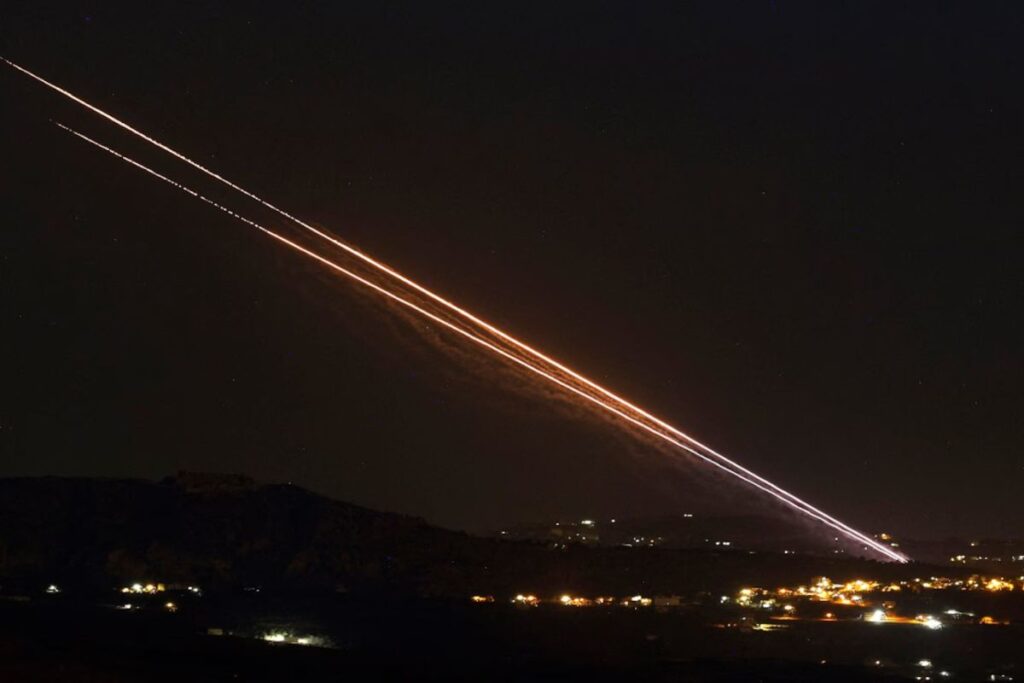
The recent escalation of tensions between Israel and Iran has drawn international attention as the United States defended Israel’s military strikes, labeling them an act of self-defense. The strikes were carried out in response to Iran’s recent ballistic missile attack on Israel. While Washington was informed about Israel’s plan ahead of time, it clarified that the United States had no direct involvement in the execution of the strikes. Background on Tensions Between Israel and Iran The relationship between Israel and Iran has long been strained, with both nations often finding themselves at odds in the region. The most recent incident follows a history of tensions between Israel and Iran, mutual suspicion, proxy conflicts, and confrontations. Tensions reached new heights this month after a ballistic missile launched by Iran reportedly targeted Israel on October 1, setting off a chain of military and diplomatic reactions. U.S. Backs Israel’s Right to Self-Defense White House National Security Council spokesman Sean Savett released a statement on Friday addressing the situation. Savett characterized Israel’s “targeted strikes on military targets” within Iran as an “exercise of self-defense,” affirming the legitimacy of Israel’s actions. This statement marked the first official U.S. response, and it underscored Israel’s right to protect itself from perceived aggression, especially when facing direct threats like missile attacks. The notion of “self-defense” is central to the United States’ stance, suggesting that Israel’s response to the missile attack was not a preemptive act of aggression but a reactive measure to safeguard its citizens and sovereignty. Savett emphasized that Israel’s actions were a direct response to Iran’s missile strike, reframing the Israeli strikes as a necessary step for regional stability rather than an escalation. U.S. Was Briefed but Not Involved According to a U.S. defense official, who spoke to reporters on the condition of anonymity, the United States was informed of Israel’s intentions ahead of time. However, Washington took no active role in the strikes, and there was no American involvement in planning or executing the operation. The anonymous source declined to disclose how far in advance the information was shared or specific details of what Israel communicated to U.S. officials. This neutrality reflects the U.S.’s delicate position in the Middle East, as it seeks to support allies like Israel while attempting to avoid direct entanglement in military conflicts involving tensions between Israel and Iran. President and Vice President Receive Regular Updates The White House later issued statements confirming that both President Joe Biden and Vice President Kamala Harris were thoroughly briefed on the strikes. As top-level decision-makers, Biden and Harris have received continuous updates from national security teams, underscoring the seriousness of the situation and the priority Washington places on monitoring developments in the region. These tensions between Israel and Iran have also highlighted the U.S. government’s focus on careful monitoring as it maintains a strategy of measured engagement, emphasizing support for allies without overt interference in their autonomous defense decisions. Implications for U.S.-Middle East Relations This incident comes at a critical time, as the United States attempts to maintain its influence in a region where tensions between Israel and Iran continue to be a major issue. Iran’s regional influence, bolstered by its alliances and support for various groups, adds complexity to the situation. Israel, on the other hand, has strong ties to the United States, which has consistently provided military support and intelligence-sharing. The U.S. government’s decision to describe the strikes as self-defense suggests an effort to affirm Israel’s autonomy in military decisions while also signaling to Iran and other regional actors that the United States remains firmly aligned with Israel. This stance could potentially impact U.S. diplomatic efforts with Iran, particularly regarding nuclear negotiations and economic sanctions, further complicating tensions between Israel and Iran. Broader Impact on Regional Stability The ongoing conflict between Israel and Iran is part of a larger pattern of regional instability that could have broader implications for the Middle East. Escalations like these have the potential to draw in other nations and could further destabilize areas already affected by conflict. Israel’s recent strikes are likely to heighten security concerns across the region, with neighboring countries closely watching to see if Iran will respond or retaliate. Such an escalation would not only impact Israel and Iran but could also affect global oil markets, increase refugee flows, and draw in global powers into yet another regional dispute. The U.S., by maintaining a stance of support for Israel’s self-defense, may be trying to prevent the conflict from spiraling further, but the effectiveness of this approach remains uncertain given the deep-rooted tensions between Israel and Iran. Future Prospects and International Reactions The international community, including NATO allies and Middle Eastern states, has largely refrained from taking sides in the conflict, focusing instead on calls for peace and stability. However, the U.S. backing of Israel’s actions might sway other Western nations to adopt a similar stance, potentially isolating Iran further on the global stage. In response, Iran may attempt to garner support from its allies, such as Russia and China, which have shown interest in Middle Eastern stability. This situation presents yet another layer of geopolitical maneuvering as global powers seek to balance their interests amid tensions between Israel and Iran. Conclusion: A Cautious Yet Firm Stance The United States has taken a cautious yet supportive approach by endorsing Israel’s right to self-defense while refraining from direct involvement. This strategy reflects Washington’s ongoing commitment to Israel’s security, alongside its intent to avoid further entanglement in tensions between Israel and Iran. As the situation develops, the U.S. will likely continue to monitor the region closely, balancing its strategic interests with diplomatic efforts to prevent further escalation. By acknowledging Israel’s actions as self-defense, the U.S. has reinforced its alliance with Israel while sending a message to Iran about its limited tolerance for aggression, signaling a strong stance amid growing tensions between Israel and Iran. For more insights, follow The Business Tycoon
Hezbollah Confirms Nasrallah’s Likely Successor Killed in Israeli Strike
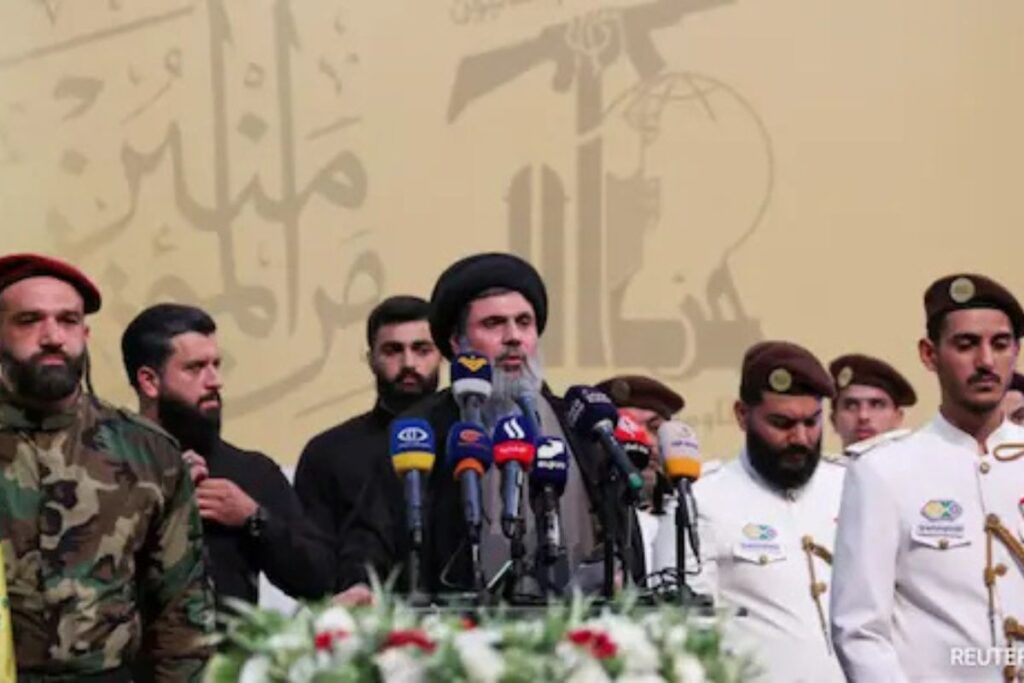
Hezbollah announced that Hashem Safieddine, widely viewed as the successor to the group’s ex-leader Hassan Nasrallah, was killed in an Israeli airstrike. The announcement follows Israel’s claim that Safieddine was killed along with other Hezbollah leaders in a strike on Beirut’s southern suburbs three weeks ago. Hezbollah Mourns Safieddine The Iran-backed group expressed its grief over the death of Hashem Safieddine, who served as the head of Hezbollah’s Executive Council. In a statement, they described his killing as a result of “a criminal and aggressive Zionist raid” and confirmed that he died alongside other fighters. Safieddine’s Role in Hezbollah Safieddine, known for his religious leadership and family ties to Nasrallah, was considered the most likely candidate to lead the group after Nasrallah’s assassination on September 27. He was also a key figure in Hezbollah’s governing Shura Council and had strong connections to Iran, having studied in the Islamic republic’s holy city of Qom. International Designations In 2017, both the United States and Saudi Arabia designated Safieddine as a terrorist, adding him to their respective watchlists due to his significant role in Hezbollah. For more insights, follow The Business Tycoon
American Man Declared Brain Dead Awakens Before Organ Removal

Concerns about organ donation procedures arose when a Kentucky man Anthony Thomas “TJ” Hoover II appeared to wake up moments before his organs were to be removed. The incident sparked chaos in the operating room and led to a broader investigation into hospital practices. Unexpected Movement in the Operating Room Anthony Thomas “TJ” Hoover II, the organ donor, started moving and visibly crying, causing alarm among the medical staff. According to Natasha Miller, an employee at Kentucky Hospital, the donor was being prepped for organ retrieval when the unsettling events occurred. Despite being certified brain dead, Hoover appeared alive to her. Miller recalled the moment, saying, “He was moving around—kind of thrashing. You could see he had tears coming down. He was visibly crying.” Doctors Refuse to Proceed with the Surgery The unexpected movement caused further chaos, as the two doctors present at Baptist Health Hospital in Richmond, Kentucky, refused to continue with the organ retrieval. Miller described the scene as chaotic, with everyone deeply upset. “The procuring surgeon said, ‘I’m out of it. I don’t want to have anything to do with it,’” Miller shared. Tensions Rise Among Medical Staff Miller also revealed that the case coordinator for Kentucky Organ Donor Affiliates (KODA) was in a tense situation. The coordinator called her supervisor for advice on how to proceed. According to Miller, the supervisor urged the coordinator to find another doctor, as the surgery had to continue. However, the coordinator, visibly upset, explained that there were no other available doctors. Ongoing Investigation The case of Anthony Thomas “TJ” Hoover II is currently under investigation by both state and federal officials. Whistleblower Nyckoletta Martin, who was employed by Kentucky Organ Donor Affiliates at the time, has provided detailed observations in a letter to the US House of Representatives, shedding more light on the alarming incident. For more insights, follow The Business Tycoon
Cuba Faces Tropical Storm Oscar Amidst Ongoing Power Crisis

Cuba is grappling with widespread blackouts for the fourth consecutive day as Tropical Storm Oscar makes landfall on the island’s eastern coast, bringing heavy rains and strong winds. This comes at a time when the country is already facing an unprecedented power crisis. Protests Erupt as Blackouts Continue In the southwestern Havana neighborhood of Santo Suárez, residents took to the streets in protest, banging pots and pans Sunday night. The protesters, who have also been without water, blocked the streets with garbage, demanding immediate action to restore basic services. Energy Minister Vicente de la O Levy addressed the nation in a press conference, expressing hopes that the power grid could be restored by Monday or Tuesday. However, he warned that Oscar would likely cause further delays, as it impacts a key region for electricity generation, including the vital Felton and Renté power plants in Holguín and Santiago de Cuba. Tropical Storm Oscar’s Impact on Power Recovery Though Oscar has weakened to a tropical storm after making landfall, its effects are expected to persist through Monday. The storm’s trajectory threatens the areas that are home to Cuba’s most important power plants, further complicating efforts to restore electricity. While some neighborhoods in the capital city of Havana, which houses 2 million people, have seen power restored, the majority of the city remains in darkness. The blackout’s reach extends beyond lighting, disrupting water supplies that rely on electric pumps, leaving many areas without access to clean water. Daily Life Grinds to a Halt The blackout has significantly impacted daily life in Cuba. With refrigerators unable to keep food from spoiling, many residents have resorted to cooking over improvised wood stoves in the streets. Ylenis de la Caridad Napoles, a mother of a seven-year-old girl, tearfully expressed her frustration, saying she is reaching a point of “desperation.” The energy crisis began on Friday when a failure at the Antonio Guiteras power plant caused a nationwide collapse of Cuba’s electricity grid. This latest incident is part of a series of ongoing issues with the country’s energy distribution, with frequent outages and power rationing across different regions. The Struggle to Meet Basic Needs On Sunday, long lines formed outside the few bakeries that managed to reopen, as residents waited for hours to buy bread. Rosa Rodríguez, one of the many Cubans without electricity for four days, voiced her frustration, stating, “We have millions of problems, and none of them are solved.” This blackout is considered the worst since Hurricane Ian struck Cuba in 2022, causing significant damage to power installations. Repairs took days at that time, and now, some homes have been left without power for up to eight hours each day. Cuba’s Power Crisis Worsens The Cuban government announced on Saturday that it had restored some electricity, but the power supply remains far below the country’s needs. The island’s grid, typically requiring around 3 gigawatts of power, is currently only generating 370 megawatts, far short of the 500 megawatts it had restored earlier. The scope of this crisis is unprecedented, even for a country accustomed to frequent outages due to its deepening economic challenges. Friday’s grid collapse was one of the largest Cuba has experienced in recent years. Emergency Measures and International Support In response to the ongoing power crisis, Cuba’s government has enacted emergency measures to reduce electricity consumption. These measures include suspending school and university classes, closing some state-run workplaces, and canceling nonessential services. Local authorities have attributed the blackout to rising demand from small- and medium-sized businesses, as well as increased use of residential air conditioners. Compounding the issue are breakdowns in outdated thermoelectric plants that have not been adequately maintained, along with a shortage of fuel to run other facilities. Energy Minister Vicente de la O Levy stated that Cuba’s power grid would be in better condition if not for two additional partial blackouts that occurred as officials attempted to reconnect the grid on Saturday. He also mentioned that several countries, including Mexico, Colombia, Venezuela, and Russia, have offered to assist Cuba in its recovery efforts. For more insights, follow The Business Tycoon
From X Factor to One Direction: The Story of Boy Band Star Liam Payne

Liam Payne’s Shocking Death in Buenos Aires Former One Direction singer Liam Payne tragically passed away at the age of 31. The British star fell from the third-floor balcony of the Hotel CasaSur Palermo in Buenos Aires, Argentina. Payne was pronounced dead at the scene, leaving fans and the music world devastated. Payne, who rose to fame as part of the iconic boy band One Direction, leaves behind his son Bear Grey Payne, his ex-girlfriend Cheryl, his parents, and two older sisters. The circumstances surrounding his death have sparked various speculations, including rumors about drugs, alcohol, or the involvement of an aggressive intruder. Argentine authorities are currently investigating, but no official conclusions have been made. A Fresh-Faced Star Rises on X Factor Liam Payne’s Early Audition Liam Payne first caught the public’s attention in 2008 when he appeared as a contestant on the British reality show X Factor. At just 14 years old, his performance of “Fly Me to the Moon” impressed the judges, though they advised him to return when he was older. His Return and Success on X Factor Two years later, Payne auditioned again, this time with “Cry Me a River.” The judges recognized his potential, and although he didn’t make it as a solo artist, they paired him with four other boys who had been eliminated. This marked the birth of one of the world’s most successful boy bands: One Direction. The Birth of One Direction The Formation of the Band Alongside Harry Styles, Niall Horan, Zayn Malik, and Louis Tomlinson, Liam Payne became part of the boy band One Direction. Though they did not win X Factor, they were quickly signed by Simon Cowell’s label, and their debut single, “What Makes You Beautiful,” became an instant hit, topping the UK charts. Meteoric Rise to Fame One Direction quickly became a global phenomenon. Their success included four number-one singles in the UK, sold-out stadium tours, and millions of albums sold worldwide. For Payne, it was the fulfillment of a dream to become a music star—but that success came with immense pressure. Struggles Behind the Scenes Challenges of Fame Despite the band’s global success, tensions and struggles brewed behind the scenes. As all the members have shared in various interviews, being thrust into the spotlight as teenagers came with significant personal and professional challenges. This pressure ultimately contributed to the band’s split in 2016. Life After One Direction Liam Payne, known as the “sensible one” of the group, faced his own struggles after One Direction disbanded. Turning to alcohol to cope with the immense changes in his life, he later pursued a solo career. However, his solo efforts failed to reach the heights of One Direction’s success. Health Battles and Attempts at Recovery Liam Payne’s Health Struggles After One Direction disbanded, Liam Payne faced numerous health battles. In 2023, he was hospitalized twice due to severe kidney issues and checked into rehab to address his alcohol addiction. His social media posts often hinted at his attempts to regain control over his life, leading fans to believe he was on a path to recovery. The Final Days Just hours before his tragic death, Payne posted a Snapchat video from his hotel room in Buenos Aires, where everything seemed normal. His sudden passing came as a shock to his fans, who had hoped that he was finally turning a corner. An Outpouring of Grief from Fans Mourning the Loss of a Beloved Star In the wake of his death, thousands of fans gathered outside the Hotel CasaSur Palermo, where the accident occurred. They lit candles, laid flowers, and shared their grief for the singer who had touched so many lives. For many, the loss of Liam Payne feels like the end of an era. The Dream of a One Direction Reunion Payne’s death has also ended the unfulfilled dream of a One Direction reunion, which fans had been eagerly awaiting. The prospect of seeing the beloved boy band back together will forever remain a hope unrealized. A Legacy Remembered Liam Payne’s Impact on Music and Pop Culture Liam Payne may be gone, but his legacy lives on. As a member of One Direction, he helped shape the music of an entire generation. His talent and dedication to his craft will be remembered by fans around the world. Lyrics That Echo His Legacy As fans reflect on Payne’s life, many find solace in the lyrics of his song “Live Forever,” where he sings, “I was always gonna live fast, die young.” While his life was tragically cut short, his contributions to music and pop culture will endure. For more insights, follow The Business Tycoon
US President Joe Biden Announces $425 Million Arms Aid to Ukraine
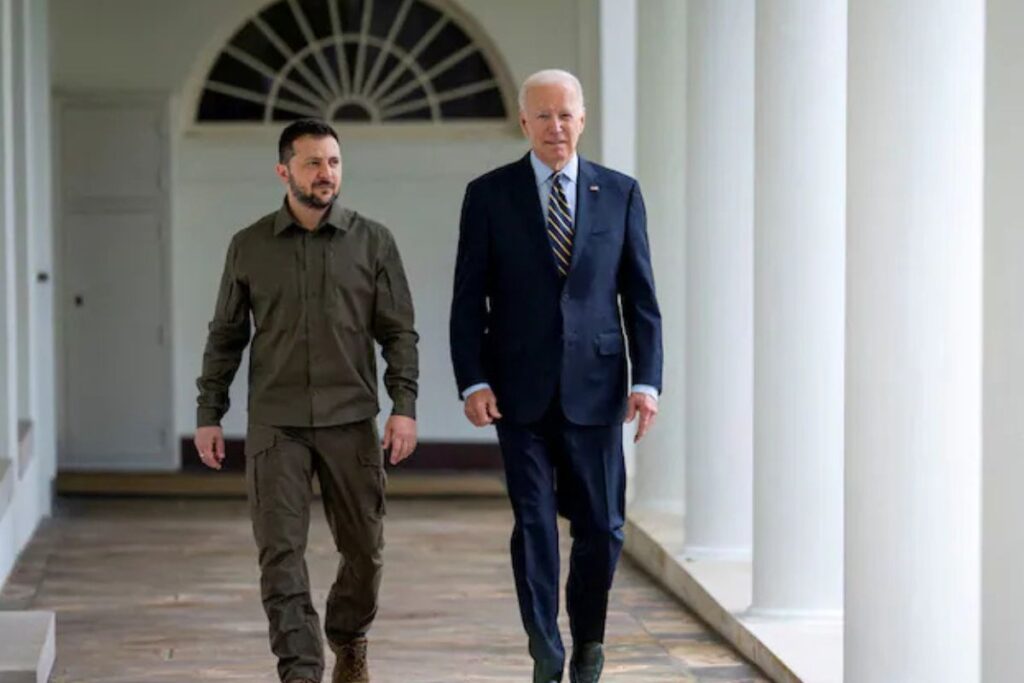
US President Joe Biden has announced a new $425 million arms Aid for Ukraine in a call with President Volodymyr Zelensky. This comes ahead of Biden’s planned visit to Berlin to discuss the situation in Ukraine. The White House confirmed the package includes air defense systems and armored vehicles, marking a significant boost in military support for Kyiv. Key Components of the Arms Package The newly announced arms package consists of crucial defense tools aimed at bolstering Ukraine’s military capabilities. The White House added that the United States will deliver hundreds of air defense missiles, artillery, and armored personnel carriers in the coming months to address Ukraine’s most urgent needs. Efforts to Increase Security Assistance President Biden briefed Zelensky on his ongoing efforts to ensure that Ukraine receives sustained security assistance for the remainder of his term. As part of this initiative, Biden plans to hold a virtual meeting with Ukraine’s allies in November. This meeting will focus on rallying international support for Ukraine, as the country faces critical challenges on the battlefield and beyond. No Green Light on Long-Range Missiles Despite the substantial military aid, the Biden administration has not yet made a decision on whether to allow Ukraine to deploy Western-made long-range missiles against Russian targets. The president has so far been reluctant to approve such an action, though it remains a topic of discussion. Zelensky’s Response and Strategic Plans President Zelensky took to X (formerly Twitter) to express his gratitude for the defense package. He thanked Biden, the U.S. Congress, and the American people for their continued support, particularly noting the inclusion of long-range weapons. Zelensky also updated Biden on Ukraine’s strategy to achieve victory over Russia. The two leaders agreed to have their teams engage in further consultations regarding the next steps in the ongoing conflict. U.S. President Joe Biden Commitment to Ukraine The United States has provided approximately $175 billion in military and economic aid to Ukraine throughout the war, despite resistance from some Republican lawmakers. The latest package is a continuation of Biden’s efforts to strengthen Ukraine’s position on the battlefield. Biden’s Upcoming Trip to Germany President Biden’s announcement comes just before his scheduled trip to Germany, where Ukraine’s situation is expected to dominate discussions. Reports indicate that Biden may meet with German Chancellor Olaf Scholz, French President Emmanuel Macron, and British Prime Minister Rishi Sunak to further address the crisis in Ukraine. During the visit, Biden will work to reinforce the unity of Ukraine’s allies as they navigate the complexities of the war and the geopolitical landscape it has reshaped. For more insights, follow The Business Tycoon
U.S. Troops Arrive in Israel to Combat Iran Missile Threats
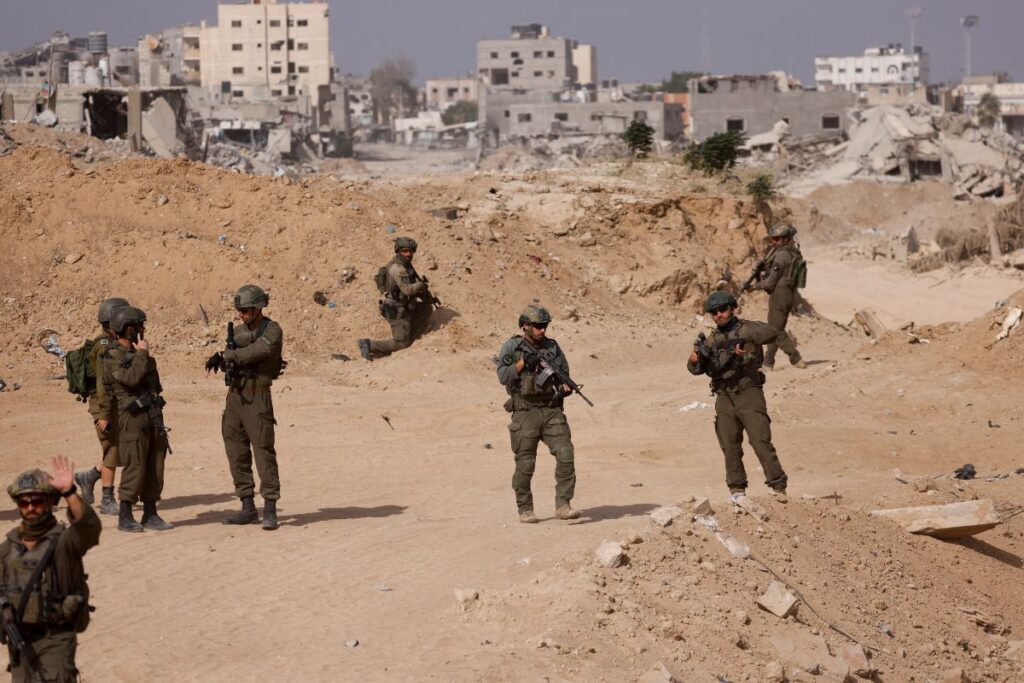
A team of U.S. troops has arrived in Israel to assist in operating an advanced anti-missile system provided by President Joe Biden. This deployment aims to enhance Israel’s defenses against Iran missile attacks from Iran amid escalating tensions in the Middle East. Deployment of U.S. Troops and THAAD System The Pentagon confirmed that the first group of approximately 100 U.S. troops has arrived in Israel along with components of the Terminal High Altitude Area Defense (THAAD) system. This marks the first U.S. troop deployment in Israel since the Hamas-led attacks a year ago, which sparked the ongoing war in Gaza. Major General Pat Ryder, a Pentagon spokesperson, announced that some THAAD system components were delivered on Sunday, with more expected soon. He emphasized that the deployment underscores the U.S. commitment to protecting Israel and its citizens from ballistic missile threats posed by Iran. Recently, Tehran launched hundreds of missiles at Israel, most of which were intercepted. Israel’s Response to Recent Iran Missile Threats In response to the missile attacks on October 1, Israeli Defense Minister Yoav Gallant vowed a “lethal, precise, and surprising” retaliation. The Iranian missile strike was reportedly a response to the assassination of Hezbollah leader Hassan Nasrallah. Recent Incidents and Ongoing Conflicts Significance of the THAAD Deployment Avi Melamed, a regional analyst and former Israeli intelligence official, stated that the THAAD deployment signifies U.S.-Israeli coordination to address Iran’s missile threats. He noted that this military collaboration aims to prevent the conflict from escalating into a broader regional war. Melamed highlighted that the U.S. intends to convey a message to Iran that any Israeli military response would be “significant yet restrained.” He warned that a harsh retaliation from Iran would be counterproductive, potentially undermining the regime’s control and image in the region. Netanyahu’s Political Landscape As the Gaza conflict continues into its second year, there are concerns about Prime Minister Benjamin Netanyahu’s political future. Despite facing criticism for security failures after the Hamas-led attack, Netanyahu has regained some popularity amid escalating clashes with Hezbollah. A recent poll indicates an 11-point lead over opposition leader Yair Lapid. Experts suggest that Netanyahu may aim to expand the war into Lebanon and Iran, possibly to bolster support for Donald Trump in upcoming elections. The United States remains a critical player, but its influence to halt the conflict appears limited. Humanitarian Concerns in Gaza U.S. Secretary of State Antony Blinken and Defense Secretary Lloyd Austin have urged Israel to enhance the humanitarian situation in Gaza or risk potential legal consequences regarding U.S. military aid. They outlined demands for improved aid access, including the daily transfer of aid trucks and the opening of additional border crossings. Ongoing Military Operations and Humanitarian Crisis Israeli military operations have resulted in significant casualties in Gaza. Recent airstrikes reportedly killed dozens of Palestinians, particularly in areas like Jabalia and Khan Younis. The United Nations has expressed concerns over the humanitarian crisis, indicating that the Israeli military appears to be isolating North Gaza from the rest of the territory. Vaccination Campaigns in Gaza Amid the conflict, a second round of polio vaccinations for children in Gaza has begun, with over 92,000 children receiving the vaccine. Health officials aim to vaccinate nearly 600,000 children across the war-torn region. The World Health Organization has called for continued respect for humanitarian pauses, emphasizing the urgent need for vaccines, aid, and peace for the children of Gaza. For more insights, follow The Business Tycoon
Israeli Airstrike Destroys Lebanon Mosque Amid Intensifying Conflict with Hezbollah
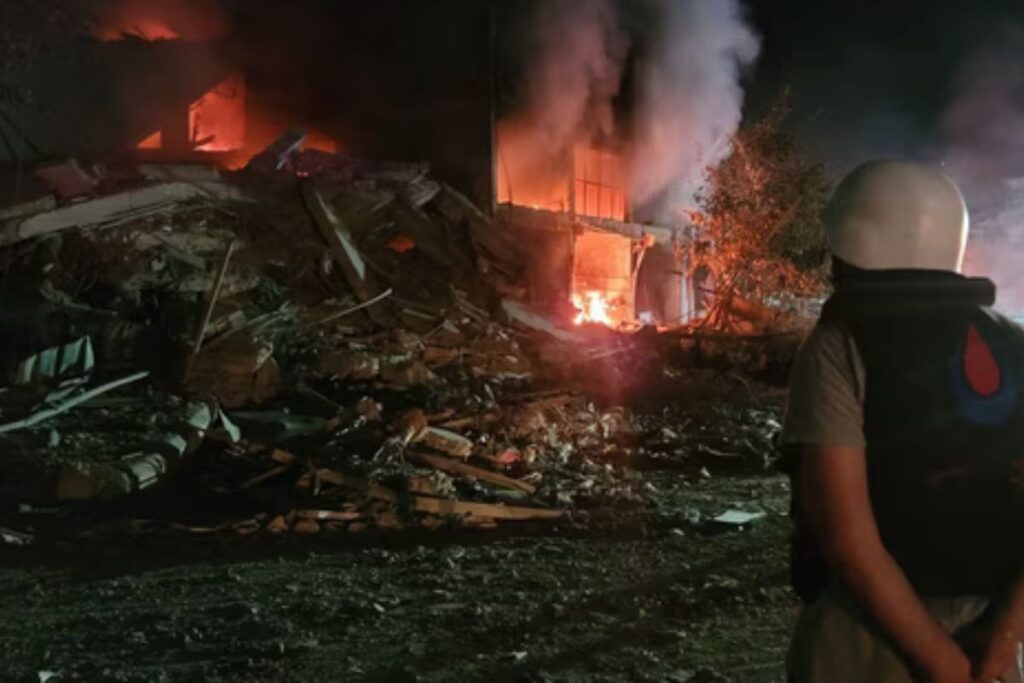
Tensions between Israel and Hezbollah have escalated significantly, leading to a full-blown conflict that has impacted both nations. What began as cross-border exchanges surrounding the ongoing Gaza war has now resulted in major hostilities between the Israeli military and the Iran-backed Hezbollah group. The situation intensified on September 23, 2024, with continuous clashes in southern Lebanon. In a significant development on Sunday, Israeli forces targeted a Lebanon mosque, escalating the ongoing violence. Israeli Airstrike Levels Mosque in Southern Lebanon On the morning of October 13, 2024, an Israeli airstrike destroyed an old mosque in the village of Kfar Tibnit, located in southern Lebanon. The attack occurred around 3:45 am local time (1245 GMT), completely leveling the mosque, according to Lebanon’s National News Agency (NNA). The Lebanon mosque held a special place in the community, as described by the village mayor, Fuad Yassin. He told AFP, “It was a significant place because families used to gather in the square right next to it on special occasions.” The mosque, which stood for over a century, is now in ruins due to the airstrike. Continued Clashes Between Hezbollah and Israeli Forces As Israel intensified its military operations against Hezbollah, the militant group reported intense fighting in the southern Lebanese village of Ramya. Hezbollah claimed that Israeli forces attempted to infiltrate the village, leading to fierce clashes. This incident marks another chapter in the escalating hostilities between the two sides, which have persisted for over a year. The destruction of the Lebanon mosque is just one of many incidents highlighting the increasing intensity of the conflict. Both sides continue to exchange fire and carry out airstrikes, further destabilizing the region. Strikes on Lebanese Red Cross Teams In addition to the Israeli airstrike on Kfar Tibnit, another Israeli attack targeted a house in Sirbin, southern Lebanon, which led to more casualties. Lebanese Red Cross paramedics, who had been dispatched to the site to provide aid, were also affected by the second round of strikes. The Red Cross issued a statement describing the incident: “As the team was searching for casualties to rescue, the house was hit for a second time, resulting in concussions to the volunteers and damage to the two ambulances.” Fortunately, the paramedics only sustained minor injuries. However, the attack underscores the increasingly dangerous conditions for humanitarian workers trying to assist those caught in the crossfire. UN Peacekeepers Caught in the Crossfire The United Nations Interim Force in Lebanon (UNIFIL) also confirmed that a third peacekeeper had been injured due to Israeli airstrikes. The soldier, who was hit by gunfire on Friday, underwent surgery and is now in stable condition. The injury marks yet another dangerous moment for the UN mission, which has been tasked with maintaining peace along the Lebanon-Israel border. UNIFIL operates with over 10,000 peacekeepers from countries such as Italy, France, and India. Their mission has become increasingly precarious in recent weeks, with two other peacekeepers having been wounded earlier in the week. These soldiers were injured when an Israeli strike hit a UN watchtower in Naqoura, a coastal town in southern Lebanon. International Response and Criticism The intensifying conflict and the targeting of humanitarian organizations and peacekeepers have sparked international concern and condemnation. France, in particular, has reacted strongly, summoning Israel’s ambassador to express its disapproval of the attacks on UNIFIL forces. Similarly, Italy and Spain have issued statements condemning the strikes, labeling them as “unjustifiable.” US President Joe Biden has also urged Israel to exercise caution, emphasizing the need to avoid harming UN personnel in the region. Additionally, Russia has called on Israel to cease its “hostile actions” against peacekeeping forces, demanding an end to strikes that endanger international missions. Evacuations and Civilian Displacement In response to the escalating violence, Israel has issued evacuation orders for 23 villages in southern Lebanon. The Israeli Defense Forces (IDF) claim that Hezbollah is using these areas to store weapons and launch attacks. Residents have been urged to move north of the Awali River to avoid the conflict. However, Hezbollah has denied the accusations that it is using civilian areas as cover for its operations. The evacuation orders add to the growing humanitarian crisis in Lebanon. More than 1.2 million people have already been displaced by the ongoing conflict, according to official Lebanese government figures. The toll of the war has been devastating, with over 2,100 people killed and more than 10,000 injured since the fighting began. Conclusion: The Worsening Situation in Lebanon As the conflict between Israel and Hezbollah continues to spiral, the human cost of the violence is mounting. The destruction of significant cultural and religious landmarks, such as the Lebanon mosque in Kfar Tibnit, reflects the heavy toll that the war is taking on communities in Lebanon. The injuries to peacekeepers and humanitarian workers further highlight the challenges faced by those attempting to maintain peace and provide aid in the region. The international community has called for restraint and urged both sides to avoid targeting civilians and peacekeeping forces. However, the conflict shows no signs of abating, with cross-border exchanges continuing to fuel instability. The coming weeks will be critical in determining whether diplomatic efforts can successfully de-escalate the situation or if the region will continue to plunge deeper into violence. For more insights, follow The Business Tycoon
Ratan Tata, Icon of Global Business and Expansion, Passes Away at 86
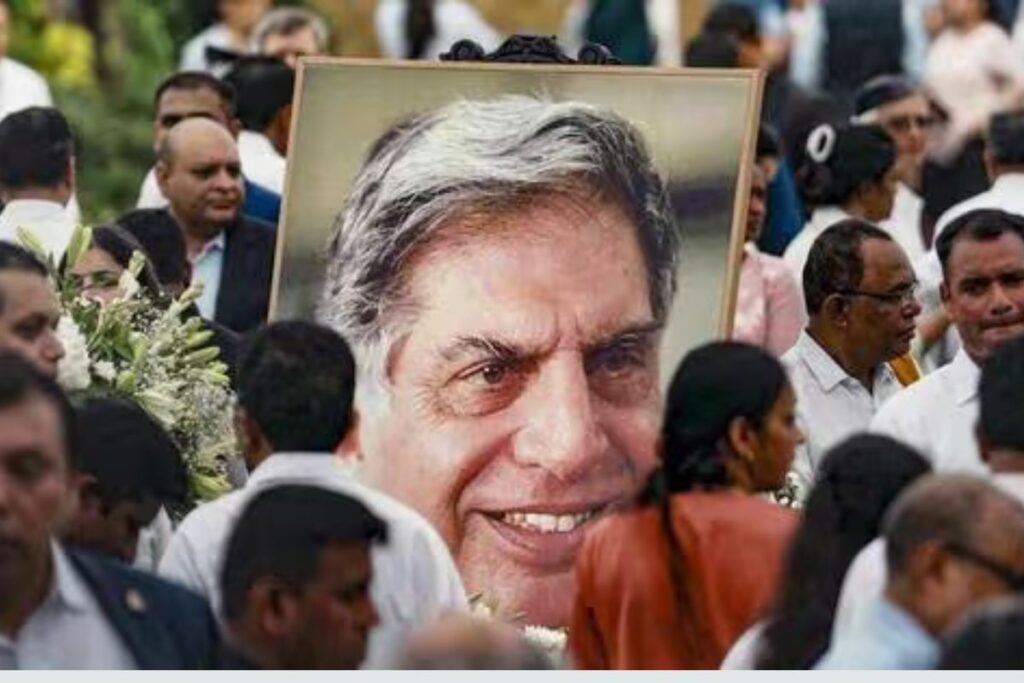
Ratan Tata, the legendary industrialist and philanthropist, passed away in Mumbai on October 9, 2024, at the age of 86. He is widely recognized for transforming Tata Group into a global business empire and expanding its presence to over 100 countries. His death was announced by Tata Group Chairman Natarajan Chandrasekaran, who praised Tata as a “remarkable leader whose unparalleled contributions have not only shaped the Tata Group but also significantly impacted the nation’s growth.” Chairmanship and Global Expansion As Chairman of Tata Group from 1991 for over two decades, Ratan Tata’s leadership brought the 156-year-old business into the global spotlight. The conglomerate now operates across more than 100 countries and reported $165 billion in revenue for the fiscal year ending in March 2024. Tata’s vision and ambition were instrumental in the group’s vast portfolio, which spans various sectors from automobiles and steel to technology and hospitality. Strategic Acquisitions Under Ratan Tata’s stewardship, the group acquired prominent international businesses, including British steel giant Corus Group in 2007 and luxury carmaker Jaguar Land Rover in 2008. Despite these ambitious moves, Tata’s expansion came at a time of global economic uncertainty, including the 2008 financial crisis, which brought new challenges to the acquisitions. Kavil Ramachandran, executive director of the Thomas Schmidheiny Center for Family Enterprise at the Indian School of Business, noted that “Ratan Tata envisioned big and pushed the Tata empire beyond Indian borders. However, some initiatives, although visionary, faced timing issues.” Leadership Challenges Internal Struggles Ratan Tata’s first tenure as Tata Group Chairman lasted 21 years until his retirement in 2012. He later returned briefly in 2016 during a leadership crisis following the dismissal of his successor, Cyrus Mistry. This period marked one of two intense internal struggles during Tata’s career, the first occurring in 1991 when he initially assumed leadership and had to contend with long-serving executives holding significant control within the company. Despite these conflicts, Tata prevailed both times, securing his legacy within the conglomerate. The Mistry Controversy In 2016, after Mistry’s ouster as Chairman of Tata Sons, the Tata Group’s main holding company, a bitter legal battle ensued between the Mistry family and Tata Sons. The dispute strained the 70-year-old partnership between the two families and led to Mistry’s family signaling its intention to sell its 18% stake in Tata Sons in 2020. A Legacy of Compassion The 2008 Mumbai Terror Attacks Tata’s leadership extended beyond the boardroom. During the 2008 Mumbai terror attacks, the group’s iconic Taj Mahal Palace Hotel was one of the primary targets. Ratan Tata personally visited the families of the 31 people, including 11 employees, who lost their lives in the attack. His compassionate approach and attention to the victims’ families underscored his philanthropic side and deep-rooted commitment to the community. Personal Life and Philanthropy A Private Individual Despite his vast professional accomplishments, Tata remained a private individual, never marrying and having no children. His passing leaves a significant leadership gap at the helm of Tata Trusts, a charitable organization controlling 66% of Tata Sons. Tata Trusts, traditionally led by a Tata family member, plays a key role in guiding the conglomerate’s direction through its shareholding in Tata Sons. Support for Startups In his later years, Tata became an enthusiastic supporter of startups, backing ventures such as Ola Electric Mobility, which saw tremendous success with its 2024 public offering, and Goodfellows, a platform fostering intergenerational friendships. Early Life and Education Childhood and Family Background Born in Mumbai on December 28, 1937, Ratan Naval Tata was raised by his grandmother after his parents, Naval and Sooni Tata, divorced when he was 10. He attended school in Mumbai before studying at Cornell University, where he initially pursued mechanical engineering. However, he later switched to architecture, fulfilling a personal passion despite his father’s disapproval. Career Beginnings Tata returned to India after college due to his grandmother’s ill health, opting to join the family business rather than accept a job offer from IBM. Ratan Tata’s career with the Tata Group began in 1962, with guidance from then-chairman Jehangir Ratanji Dadabhoy (JRD) Tata. JRD, a distant relative, mentored Ratan Tata, and by 1991, Ratan was chosen to lead the conglomerate. Major Achievements The Indica and Expansion into Automobiles At the time Ratan Tata became chairman, Tata Group was largely domestic-focused, with Tata Consultancy Services still in its infancy and its automotive division not yet producing passenger cars. The 1990s marked a turning point for India’s economy, which began to open up to private enterprises following decades of socialist policies. As foreign automakers such as Ford and Hyundai entered the Indian market, Tata decided to launch the country’s first locally produced passenger vehicle, the Tata Indica, which was released in 1998 and referred to by Tata as “my baby.” Bold Acquisitions During the 2000s, as India’s economy surged, Tata Group expanded its global presence, acquiring major foreign businesses like Corus and Jaguar Land Rover. Despite these triumphs, the 2008 financial crisis and a global steel glut created challenges for the group, leading to financial strain and widespread criticism that Tata had overpaid for the Corus deal. Tata Steel eventually downsized its European operations in response to declining demand and rising costs. Navigating Challenges The Jaguar Land Rover Experience The Jaguar Land Rover acquisition also encountered obstacles, including slumping demand in China and the uncertainty surrounding Brexit. However, the Tata Group successfully turned around the luxury car brand, which continued to grow in prestige despite global market turbulence. The Nano Microcar One of Ratan Tata’s most ambitious endeavors, the Nano microcar, aimed at providing affordable transportation to millions of Indians, failed to meet its target. Launched in 2008 with a price tag of 100,000 rupees ($1,190), the Nano suffered from initial quality concerns and a lack of demand, leading to its discontinuation in 2018. Final Triumph Air India Acquisition Perhaps the most symbolic achievement of Tata’s career came in 2021 when Tata Sons regained control of Air India, the nation’s flagship airline, almost 90 years after it was