
Generative AI and Innovation: Revolutionizing the Future

Generative AI and innovation have become pivotal forces in shaping the 21st century, revolutionizing creativity and problem-solving. Unlike traditional AI, which focuses on analysis and predictions, generative AI creates—whether it’s text, art, music, or solutions to complex challenges. This technology is driving innovation across industries, opening doors to opportunities that once seemed unattainable. But what makes generative AI so groundbreaking, and how is it shaping a future defined by innovation? What is Generative AI? Definition and Explanation Generative AI and innovation go hand-in-hand as this branch of artificial intelligence is capable of creating new content, ideas, or solutions by leveraging existing data. It utilizes machine learning models, such as neural networks, to produce outputs that mimic human creativity. Tools like GPT (Generative Pre-trained Transformer) and DALL·E highlight its capabilities, generating realistic essays, artistic visuals, and more. Historical Evolution of Generative AI The journey of generative AI began with early neural networks and gained momentum with the introduction of deep learning. Over time, advancements in computational power and access to vast datasets have propelled it from basic pattern generation to sophisticated content creation, advancing generative AI and innovation across various fields. Key Differences Between Generative AI and Traditional AI While traditional AI focuses on analyzing data and making predictions, generative AI excels in creating new, original outputs. For example, traditional AI might analyze customer behavior to forecast sales trends, while generative AI can design a personalized marketing campaign based on those trends. The Role of Generative AI in Driving Innovation Generating Creative Content Across Industries Generative AI and innovation are revolutionizing creative industries by empowering designers, writers, and musicians to produce innovative content. It is breaking down the boundaries between human and machine creativity. Automating Repetitive Tasks with Creative Inputs In fields like architecture and engineering, generative AI accelerates workflows by automating repetitive tasks while providing creative solutions. For instance, architects can generate multiple design prototypes based on specific parameters. Pushing the Boundaries of Human Imagination Generative AI complements human capabilities by inspiring new ideas and enabling professionals to explore uncharted territories. It supports the creation of futuristic products and helps solve complex challenges, driving generative AI and innovation forward. Generative AI in Business and Marketing Personalized Marketing Strategies Businesses are leveraging generative AI to deliver hyper-personalized customer experiences. By analyzing preferences, AI creates campaigns tailored to specific audiences, boosting engagement and conversions. AI-Driven Content Creation Generative AI tools allow marketers to create high-quality content effortlessly, from blog posts to video scripts. This ensures consistent and impactful brand messaging. Enhancing Customer Engagement Through chatbots and virtual assistants, generative AI provides real-time customer support. It answers queries, guides users, and fosters brand loyalty by improving the overall experience. Applications in Healthcare Drug Discovery and Design Generative AI accelerates drug development by simulating molecular interactions and identifying potential candidates faster than traditional methods. This approach holds the potential to transform disease treatment. Personalizing Patient Care Healthcare providers use generative AI to create tailored treatment plans based on individual data, leading to better outcomes and faster recovery times. Predictive Diagnostics AI-powered systems analyze medical records and symptoms to predict health risks, enabling early intervention and preventive care. Revolutionizing the Entertainment Industry AI-Generated Movies, Music, and Scripts Generative AI and innovation are reshaping entertainment by composing songs, writing scripts, and assisting filmmakers in exploring creative avenues. It enhances storytelling and production processes. Transforming Gaming Experiences In gaming, generative AI creates dynamic storylines, immersive worlds, and responsive characters. This technology adapts in real-time to players’ choices, elevating engagement. Impacts on Digital Art and Design Artists are using tools like DALL·E to craft stunning digital artworks, pushing the boundaries of traditional artistic expression. The Ethical Dilemmas of Generative AI Ownership and Copyright Issues Determining ownership of AI-generated content is a significant challenge. Questions arise about whether the developer, user, or AI itself owns the rights. This gray area necessitates legal clarity. Bias and Fairness in AI-Generated Content Generative AI models trained on biased data can perpetuate those biases, leading to unfair outcomes. Addressing this issue is crucial for inclusivity and fairness. Addressing Misinformation Generative AI can be misused to create deepfakes and fake news. This misuse poses risks to trust, stability, and societal harmony, emphasizing the need for safeguards. Addressing the Challenges The Need for Regulatory Frameworks Robust regulations are essential to address ethical challenges, ownership rights, and accountability in generative AI. Governments and institutions must work together to create these frameworks. Transparency in AI Processes To build trust, developers must be transparent about AI training processes, data sources, and algorithms used in content creation. Collaboration Between Industries and Policymakers Technology developers, industry leaders, and policymakers need to collaborate to strike a balance between innovation and ethical considerations, furthering generative AI and innovation. How Generative AI Fuels Technological Advancements Integration with IoT and Blockchain Generative AI is enhancing IoT and blockchain systems by generating real-time insights and automating processes like smart contracts, making these technologies more efficient. AI in Robotics and Automation Generative AI enables robots to learn and adapt to new environments, transforming industries like manufacturing, logistics, and space exploration. Future Trends and Predictions Generative AI advancements, such as enhanced emotional intelligence and cross-domain learning, hold the potential to address global challenges like climate change and sustainable energy. Education and Upskilling with AI AI-Powered Personalized Learning Generative AI is revolutionizing education through adaptive learning platforms, offering tailored lessons and feedback to meet individual student needs. Preparing the Workforce for an AI-Driven Future Training programs focused on AI literacy are crucial for equipping individuals with skills to adapt to the changing job landscape. Bridging the Digital Divide Generative AI can create educational materials in multiple languages and formats, making quality education accessible to underserved communities. The Economic Impact of Generative AI Boosting Productivity and Efficiency Generative AI automates repetitive tasks, enhancing productivity and freeing businesses to focus on strategic endeavors. Impact on Job Markets While AI creates new roles, it also redefines existing jobs, necessitating workforce adaptation and reskilling. New Opportunities in Emerging Sectors Generative AI
The Ultimate Guide to Entertainment and Pop Culture

Entertainment and pop culture are central to modern life, shaping perspectives, building connections, and defining personal identities. But what do these concepts truly mean? Why Are Entertainment and Pop Culture Important? Entertainment provides an essential escape from the stresses of everyday life, while pop culture reflects societal values, technological advancements, and the collective mood of an era. Together, they act as a universal language, transcending cultural and geographical barriers. The Evolution of Entertainment Ancient Entertainment: A Foundation of Storytelling From Greek theater and Roman gladiatorial games to Chinese shadow puppetry, ancient civilizations used entertainment to connect communities and preserve cultural identities. These forms of storytelling were not just pastimes but integral to tradition and communication. The 20th Century: A Paradigm Shift The 20th century transformed entertainment with innovations like: The Digital Revolution: Endless Possibilities The internet revolutionized entertainment. Platforms like YouTube, streaming services, and virtual reality have democratized content creation, enabling individuals to become influencers and reshaping how audiences consume and engage with entertainment. What Defines Pop Culture? Core Components of Pop Culture Pop culture extends beyond entertainment, serving as a reflection of societal trends. It includes: For something to become part of pop culture, it must resonate with a broad audience and spark widespread conversation. The Role of Media in Shaping Pop Culture Mass media drives pop culture. From MTV’s music videos in the 1980s to modern Instagram influencers, media outlets capture attention and influence societal trends. Key Elements of Entertainment Music: The Universal Language Music plays a vital role in entertainment, offering a cultural touchstone for every generation. Examples include: Movies and Television Cinema and TV are pillars of entertainment, with: Sports: Uniting the Masses Sports unite people across the globe. Events like: The Symbiotic Relationship Between Entertainment and Pop Culture Mutual Influence The Role of Globalization Globalization has erased cultural barriers, enabling entertainment to resonate worldwide. For instance, K-pop groups like BTS have combined music, fashion, and social media to achieve global fame. Streaming Platforms: Redefining Entertainment The Rise of Streaming Wars Platforms like Netflix, Hulu, Disney+, and Amazon Prime have disrupted traditional entertainment by offering on-demand, personalized content catering to binge-watching habits. Decline of Traditional Media Traditional television and cinema face challenges as “cord-cutting” becomes more prevalent. Even major studios are prioritizing digital-first releases. The Role of Social Media in Entertainment and Pop Culture Social Media as a Cultural Driver Platforms like TikTok, Instagram, and YouTube have reshaped entertainment: The Power of Fan Communities Online fan communities amplify pop culture by transforming passive audiences into active participants. Examples include: Celebrity Culture and Influencer Marketing The Influence of Celebrities Celebrities shape cultural trends: The Rise of Influencers Influencers bridge brands and audiences by creating relatable content and driving authentic advertising campaigns. Technology’s Role in Modern Entertainment Immersive Experiences with VR and AR Technologies like virtual reality (VR) and augmented reality (AR) are redefining how audiences engage with entertainment. Examples include: AI in Content Creation Artificial intelligence is transforming entertainment by generating scripts, composing music, and creating deepfake performances. While it raises questions about authenticity, it opens new doors for creativity. Generational Shifts in Pop Culture Differences Among Generations The Power of Nostalgia Nostalgia drives trends, with reboots, sequels, and remakes catering to audiences’ longing for familiar stories. Examples include: Globalization and the Future of Entertainment and Pop Culture Cross-Border Phenomena International content like Parasite and Money Heist has found mainstream success, proving that storytelling resonates across cultures. Future Trends The next decade promises innovations such as: Conclusion Entertainment and pop culture are more than distractions—they’re reflections of societal values and essential elements of our collective identity. As they evolve, they will continue to foster connections, challenge perspectives, and adapt to the ever-changing world. FAQs What Differentiates Pop Culture from Entertainment? Pop culture captures societal trends, while entertainment refers to activities that provide enjoyment. How Does Technology Impact Entertainment? Technology enhances engagement through innovations like VR, AR, and AI. Why Is Nostalgia Prevalent in Entertainment? Nostalgia connects audiences to past experiences, creating emotional resonance. What Role Do Streaming Platforms Play in Modern Entertainment? Streaming platforms offer personalized, on-demand content, reshaping viewing habits. How Has Globalization Influenced Entertainment? Globalization enables entertainment to transcend cultural and linguistic barriers. For more insights, follow The Business Tycoon
Memorial Day: Honoring Sacrifice and Celebrating Freedom

What is Memorial Day? Memorial Day is a solemn occasion in the United States dedicated to honoring the brave men and women who have sacrificed their lives in military service. Observed annually on the last Monday of May, this holiday is a poignant reminder of the ultimate price paid to protect the nation’s freedom and values. Origins of Memorial Day Memorial Day’s roots trace back to the aftermath of the Civil War. Initially called Decoration Day, it began as a grassroots effort to honor fallen soldiers by decorating their graves with flowers and flags. The first widespread observance took place on May 30, 1868, when General John A. Logan issued a proclamation for a national day of remembrance. The Evolution of Memorial Day Over the years, Memorial Day expanded from commemorating Civil War soldiers to honoring all military personnel who lost their lives in service. In 1971, it was officially declared a federal holiday and set to be observed on the last Monday in May, cementing its role in American history and culture. Why the Day is Celebrated Recognizing the Sacrifice of Service Members This day is dedicated to honoring the courage and selflessness of those who made the ultimate sacrifice. Their actions embody the principles of duty, patriotism, and heroism, inspiring future generations. Reflecting on the Cost of Freedom It serves as a powerful reminder of the sacrifices that uphold democracy and liberty. The occasion encourages reflection on the freedoms enjoyed today and the lives given to secure them. Traditions and Practices Parades and Public Gatherings Parades are a cornerstone of the holiday, featuring veterans, community groups, and marching bands. These events foster unity and remembrance. Decorating Graves and Memorial Sites Families and organizations honor fallen soldiers by placing flags, flowers, and wreaths on their graves. This tradition underscores the solemnity and respect of the occasion. The National Moment of Remembrance At 3:00 PM local time, Americans are encouraged to pause for a minute of silence. This unified act of respect symbolizes national gratitude for those who served. Understanding the Difference While this day honors those who died in military service, the day observed on November 11 celebrates all veterans, both living and deceased. Recognizing this distinction helps preserve the unique significance of each holiday. Ways to Honor the Day Attend a Local Event Participating in parades or ceremonies is a meaningful way to pay tribute. These events often include inspirational speeches, musical tributes, and moments of silence. Volunteer for Veteran Organizations Supporting organizations that assist veterans and their families is a valuable way to give back. Many groups host activities or need ongoing support. Displaying the American Flag Properly Flying the American flag at half-staff until noon is a traditional practice, symbolizing mourning and respect. Popular Culture Representation in Movies and Media Hollywood has frequently highlighted themes of heroism and sacrifice through stories. Films like Saving Private Ryan and documentaries about military history resonate deeply, reminding viewers of the day’s significance. Music and Poetry Dedicated to the Occasion Music and poetry have long been integral to these observances. Patriotic songs like “Taps” and heartfelt poems capture the spirit of sacrifice, love for country, and hope for peace. A Time for Family and Reflection Balancing Celebration with Commemoration While this weekend often marks the unofficial start of summer, it’s essential to balance celebrations with acts of remembrance. Simple gestures, like observing a moment of silence or discussing the holiday’s significance, preserve its meaning. Ideas for a Meaningful Weekend Families can honor the day by visiting memorials, participating in charity events, or crafting tributes for fallen heroes. Educational trips to historical sites offer valuable insights into the nation’s military history. Historical Facts About Memorial Day Key Dates and Milestones Interesting Facts You Might Not Know The Impact of Memorial Day on Local Communities Economic and Social Contributions Memorial Day weekend boosts local economies through increased travel, dining, and retail activity. It also fosters social bonds as communities gather for parades and commemorative events. Community Bonding Through Events Flag-raising ceremonies, charity races, and other local events provide opportunities for neighbors to connect while honoring service members. Memorial Day in a Modern Context How Younger Generations View Memorial Day Many younger Americans associate Memorial Day with leisure activities rather than its deeper significance. School programs and interactive exhibits can help educate the next generation about its importance. The Role of Technology in Memorial Day Awareness Social media platforms and virtual memorials have broadened participation in Memorial Day observances. Online campaigns and hashtags like #MemorialDay engage audiences nationwide, keeping the holiday’s message alive. Challenges in Preserving Memorial Day’s Significance Combatting Commercialization Retail sales and advertisements risk overshadowing Memorial Day’s true purpose. Public awareness campaigns can help redirect focus toward honoring fallen heroes. Ensuring Historical Knowledge is Passed On Preserving the legacy of Memorial Day requires education and engagement. Sharing personal stories or visiting military cemeteries can make the day more relatable and impactful. Conclusion The Ongoing Importance of Memorial Day Memorial Day reminds Americans of the cost of freedom and the courage of those who defend it. By honoring their sacrifices through reflection, participation in ceremonies, and acts of kindness, the holiday’s essence remains strong—rooted in gratitude and remembrance. FAQs 1. What is the history behind Memorial Day?This began as Decoration Day after the Civil War to honor fallen soldiers by decorating their graves. Over time, it evolved to commemorate all U.S. military personnel who died in service. 2. How is Memorial Day different from Veterans Day?This honors those who died while serving, whereas Veterans Day celebrates all veterans, both living and deceased. 3. What are some traditional ways to celebrate Memorial Day?Traditional observances include parades, cemetery visits, placing flags on graves, and participating in the National Moment of Remembrance. 4. How can families teach children about Memorial Day?Families can share stories of service members, attend local events, or visit historical sites. Crafting patriotic decorations or watching educational programs are also great options. 5. Why is Memorial Day important in American culture?This
The Top Benefits of Meditation for Mental Health

In today’s fast-paced world, mental health challenges like stress, anxiety, and depression have become increasingly common. While various therapies and treatments exist, the benefits of meditation for mental health stand out as a time-tested and scientifically backed approach to enhancing mental well-being. Meditation isn’t just about sitting cross-legged and chanting—it’s a versatile practice that helps you focus, breathe, and connect with your inner self. Reducing Stress One of the most well-known benefits of meditation for mental health is its ability to reduce stress. Chronic stress can lead to a host of mental health issues, but meditation offers a solution by calming the mind and body. Research shows that mindfulness meditation reduces cortisol levels, the hormone responsible for stress. Techniques like deep breathing and body scans promote relaxation, helping you let go of tension. Alleviating Symptoms of Anxiety Anxiety disorders are among the most prevalent mental health issues, but meditation can provide relief. Studies reveal that regular meditation reduces symptoms of generalized anxiety disorder by promoting mindfulness and reducing overthinking. By focusing on the present moment, meditation helps break the cycle of anxious thoughts, offering a sense of control and calm—one of the crucial benefits of meditation for mental health. Enhancing Emotional Well-Being Meditation fosters a greater sense of emotional balance. It encourages positive thinking while reducing the grip of negative emotions. Practices like loving-kindness meditation, which involves sending goodwill and compassion to yourself and others, have been shown to increase happiness and reduce feelings of anger and resentment. These emotional improvements highlight another significant benefit of meditation for mental health. Improving Focus and Concentration Do you ever feel like your mind is scattered? Meditation can help. By training your brain to focus on one thing at a time—like your breath—you can improve your overall attention span. In fact, studies suggest that just a few weeks of meditation can significantly enhance your cognitive performance, further emphasizing the benefits of meditation for mental health and productivity. Promoting Better Sleep Struggling to fall asleep? Meditation can help combat insomnia by calming the mind and relaxing the body. Techniques such as guided meditations and progressive muscle relaxation can ease your transition into sleep, leading to more restful nights and better mental health overall. Improving sleep quality is one of the practical benefits of meditation for mental health. Supporting Treatment for Depression Meditation has been shown to be an effective complementary treatment for depression. Mindfulness-Based Cognitive Therapy (MBCT) combines meditation with cognitive behavioral techniques to help individuals manage depressive symptoms and prevent relapses. By fostering awareness and acceptance, meditation reduces the grip of negative thought patterns. This makes it a valuable tool for experiencing the benefits of meditation for mental health. Building Resilience to Stress Life throws curveballs, but meditation equips you to handle them with grace. Regular practice enhances emotional resilience, making it easier to navigate challenges. Meditation trains your mind to stay calm under pressure, promoting healthier responses to stress and reinforcing the benefits of meditation for mental health. Enhancing Self-Awareness Meditation allows you to tune in to your thoughts, emotions, and physical sensations. This heightened self-awareness fosters a deeper understanding of yourself, paving the way for personal growth. Many people also develop greater self-compassion, which is essential for mental well-being. This self-awareness is a key aspect of the benefits of meditation for mental health. Benefits for Brain Health Meditation doesn’t just change your mood—it can change your brain. Studies using brain imaging techniques have found that meditation increases grey matter density in areas related to learning, memory, and emotional regulation. It also promotes neuroplasticity, helping your brain adapt and grow. These brain-boosting changes are among the most profound benefits of meditation for mental health. Meditation as a Tool for Addiction Recovery For those recovering from addiction, meditation can be a valuable tool. By increasing mindfulness, meditation helps individuals recognize triggers and manage cravings. It also encourages a sense of calm and self-control, which are crucial for long-term recovery. The benefits of meditation for mental health extend to fostering a strong foundation for recovery. Cultivating a Sense of Inner Peace In a world full of noise and distractions, meditation offers a sanctuary of peace. By grounding yourself in the present moment, you can achieve a profound sense of calm. This inner peace not only boosts mental health but also enhances your overall quality of life. Truly, cultivating inner peace is one of the most treasured benefits of meditation for mental health. Types of Meditation for Mental Health There’s no one-size-fits-all when it comes to meditation. Some popular types include: Starting a Meditation Practice If you’re new to meditation, start small. Begin with just 5-10 minutes a day and gradually increase the duration. Find a quiet space, sit comfortably, and focus on your breath. Apps and guided meditation videos can also help you get started. With consistent practice, you’ll experience the profound benefits of meditation for mental health. Common Misconceptions About Meditation Think meditation is too hard or time-consuming? Think again. Meditation is accessible to everyone, regardless of lifestyle or belief system. It doesn’t require hours of practice—just a few minutes a day can make a big difference. By dispelling these misconceptions, more people can access the benefits of meditation for mental health. Conclusion Meditation is a powerful tool for improving mental health, offering benefits ranging from stress reduction to enhanced brain health. By incorporating meditation into your daily routine, you can cultivate a happier, healthier mind. The benefits of meditation for mental health are vast and accessible to everyone, making it a practice worth embracing. FAQs 1. Can meditation replace therapy or medication? Meditation is a valuable complement to therapy and medication but shouldn’t replace professional treatment for serious mental health conditions. 2. How long does it take to see results from meditation? Many people notice benefits within a few weeks, but consistency is key for long-term results. 3. Is meditation suitable for everyone? Yes, meditation is adaptable and can be tailored to fit any individual’s needs or abilities. 4. Can children
The Ultimate Guide to Mastering Time Management for Increased Productivity in 2025

Time is the most valuable resource we all have. As we step into 2025, mastering time management has never been more critical. In a world filled with endless distractions, managing your time effectively can be the key to achieving your goals, maintaining a healthy work-life balance, and unlocking your full potential. Why does time management matter so much in 2025? The answer lies in how technology, remote work, and societal demands have made life busier yet more flexible. With the right strategies, you can work smarter—not harder—and make every minute count. Understanding Time Management What is Time Management? Time management refers to the process of organizing, planning, and controlling how much time you spend on specific activities. It’s about working efficiently and effectively, ensuring that your time is invested in tasks that align with your goals. Key Components of Effective Time Management The Importance of Setting Goals SMART Goals and Their Relevance Setting SMART (Specific, Measurable, Achievable, Relevant, Time-bound) goals ensures clarity and focus. For example, instead of saying, “I want to be more productive,” a SMART goal would be, “I will complete three major projects by March 2025.” How to Align Goals with Your Daily Routine Planning Your Day Like a Pro The Role of Prioritization: The Eisenhower Matrix The Eisenhower Matrix helps you categorize tasks into four quadrants: Time-Blocking: Structuring Your Day for Success Time-blocking involves dedicating specific time slots to individual tasks. For instance: By following a structured schedule, you can avoid multitasking and stay focused. Mastering the Art of Prioritization Distinguishing Between Urgent and Important Tasks Urgent tasks demand immediate attention but may not contribute to long-term goals. Important tasks align with your priorities and have a lasting impact. Learning to differentiate between the two is crucial. The Pareto Principle: Focus on the Vital Few The Pareto Principle states that 80% of results come from 20% of efforts. Identify the activities that yield the highest returns and focus your energy there. Avoiding Common Time Wasters Identifying Your Personal Time Traps Time wasters are sneaky culprits that drain your productivity. These include: How to Minimize Distractions in the Digital Era The Power of Delegation and Outsourcing Knowing When to Delegate If a task doesn’t require your specific expertise, delegate it. For example: Tools and Platforms for Outsourcing Delegation frees up time for high-priority tasks that align with your strengths. The Role of Technology in Time Management Best Time Management Apps for 2025 Stay organized with these cutting-edge tools: Automating Repetitive Tasks Automation can save hours each week. For example: Building Healthy Habits for Better Time Management The Importance of a Morning Routine A structured morning routine sets the tone for the day. Consider including: Breaking Down Big Tasks into Smaller Steps Large projects can feel overwhelming, leading to procrastination. Instead: Procrastination: The Silent Productivity Killer Why We Procrastinate and How to Overcome It Common causes of procrastination include fear of failure, perfectionism, and lack of clarity. Overcome it by: Strategies to Stay Consistently Focused Staying Flexible: Adjusting Plans When Necessary How to Deal with Unexpected Changes Life is unpredictable, and plans can go awry. Here’s how to adapt: The Art of Reassessing Priorities Regularly review your goals and tasks to ensure alignment with changing circumstances. A quick weekly review can help you stay on track. Work-Life Balance and Time Management Separating Work Hours from Personal Time Boundaries are essential, especially with remote work. Here’s how: Tips for Creating Boundaries in a Remote Work Environment Measuring and Analyzing Your Progress The Importance of Regular Self-Reviews Reflection helps you refine your approach to time management. Consider: Tools to Track Time and Assess Productivity Case Studies and Examples How Successful People Manage Their Time Real-Life Applications of Time Management Strategies A freelancer might use the Pomodoro Technique to maximize deep work hours, while a manager might delegate non-essential tasks to focus on team development. Conclusion and Final Tips Mastering time management in 2025 requires discipline, planning, and adaptability. Start with small changes—set clear goals, prioritize effectively, and leverage technology. Remember, time management isn’t about cramming more into your day; it’s about making your time count. FAQs For more insights, follow The Business Tycoon
Martin Luther King Jr. Day: Honoring a Legacy of Equality and Justice
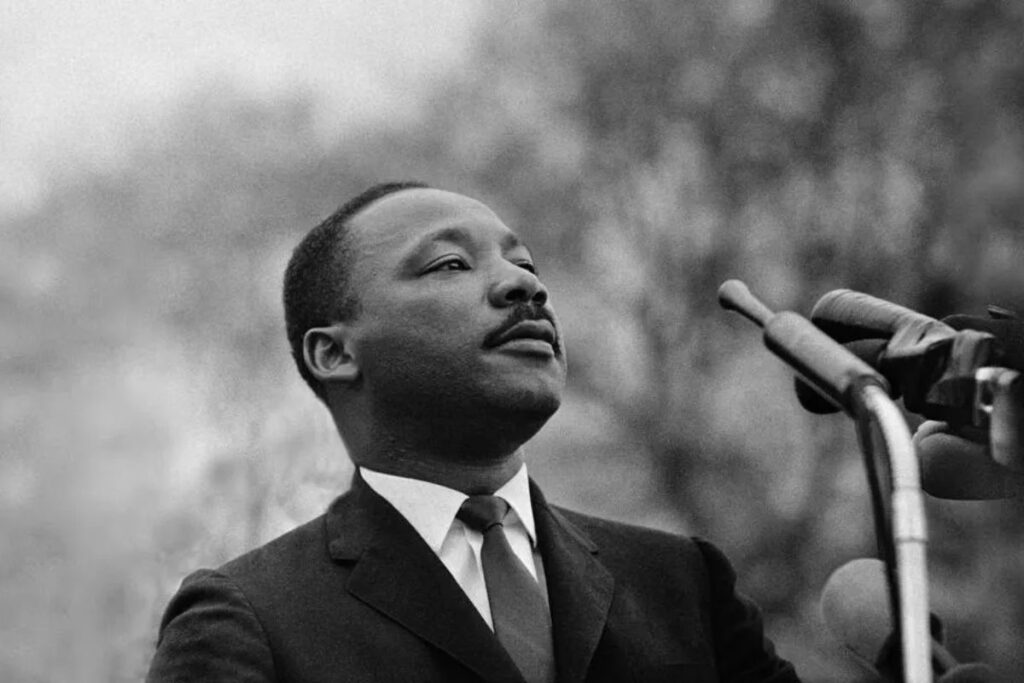
Every third Monday of January, Americans come together to honor the legacy of one of the most transformative leaders in history: Dr. Martin Luther King Jr. Born on January 15, 1929, King’s birthday is more than just a federal holiday—it’s a day of reflection, service, and a call to action. But why does this day hold such profound importance? Let’s dive into the life, achievements, and continuing impact of Dr. King. Who Was Martin Luther King Jr.? Martin Luther King Jr. was born in Atlanta, Georgia, to a family deeply rooted in faith and activism. From a young age, he showed exceptional promise, graduating from high school at 15 and earning a doctorate in theology by 25. His leadership emerged during the Montgomery Bus Boycott in 1955, propelling him to the forefront of the Civil Rights Movement. Dr. King’s legacy is defined by his unwavering commitment to justice, equality, and nonviolence. Through peaceful protests and powerful speeches, he challenged segregation, systemic racism, and inequality. His work not only reshaped American society but also inspired movements for justice worldwide. The Origin of Martin Luther King Jr. Day Creating a holiday to honor Dr. King was no small feat. The push for recognition began soon after his assassination in 1968. Advocates, including his widow, Coretta Scott King, worked tirelessly to establish the day. Their efforts gained momentum in 1983 when President Ronald Reagan signed the holiday into law, with its first official observance in 1986. However, the road to nationwide acceptance was rocky. Some states resisted, citing political and racial tensions. It wasn’t until 2000 that all 50 states finally recognized MLK Day, making it a unifying day for the nation. Why Is Martin Luther King Jr. Day Important? Martin Luther King Jr. Day isn’t just about looking back—it’s about looking forward. The holiday serves as a reminder of the ongoing fight for equality and justice. It urges us to reflect on how far we’ve come and how much further we must go. From combating racial prejudice to addressing economic disparities, Dr. King’s message remains as relevant today as ever. Additionally, MLK Day encourages us to embrace the spirit of service. Many communities use this day to volunteer, supporting causes that align with King’s vision of a fair and compassionate society. How Is Martin Luther King Jr. Day Celebrated? The celebration of MLK Day takes many forms, each reflecting the values he championed. Community service is a cornerstone of the holiday, with individuals and organizations participating in food drives, neighborhood cleanups, and mentorship programs. Educational programs also play a significant role. Schools, museums, and cultural institutions host workshops, lectures, and exhibits to teach about King’s life and legacy. Meanwhile, cities across the country organize parades, marches, and commemorations, bringing people together to honor his memory. Significant Moments in the Recognition of MLK Day The journey to establish Martin Luther King Jr. Day as a federal holiday was marked by notable milestones and challenges. In 1986, the first official observance of the holiday took place, nearly 18 years after Dr. King’s assassination. Yet, not all states embraced it immediately. Some states, particularly in the South, resisted the idea, citing political disagreements or budgetary concerns. In the late 1990s, states like Arizona and New Hampshire finally joined in recognizing the holiday. By 2000, MLK Day was officially observed across all 50 states. This slow but eventual acceptance symbolized a step toward national unity in honoring King’s legacy. MLK’s Famous “I Have a Dream” Speech One of the defining moments of Martin Luther King Jr.’s life was his iconic “I Have a Dream” speech, delivered during the March on Washington for Jobs and Freedom on August 28, 1963. Standing before the Lincoln Memorial, Dr. King painted a vivid picture of a world free from racism and inequality. The speech’s key themes—hope, unity, and the promise of equality—resonated deeply with millions. Phrases like “I have a dream” and “let freedom ring” have become rallying cries for justice. Even decades later, the speech serves as a powerful reminder of the work still needed to achieve King’s vision. Teaching MLK’s Legacy to Future Generations Preserving Martin Luther King Jr.’s legacy for future generations is crucial. Schools play a vital role in this effort, integrating lessons about the Civil Rights Movement into history and social studies curricula. Through books, documentaries, and interactive activities, educators encourage students to connect with King’s ideals of equality, empathy, and activism. Parents and communities also contribute by hosting events, sharing personal stories, and encouraging youth to volunteer. By actively involving young people in discussions about race, justice, and social responsibility, we ensure that King’s vision continues to inspire and guide future leaders. MLK’s Philosophy of Nonviolence Central to Martin Luther King Jr.’s activism was his philosophy of nonviolence, rooted in the teachings of Mahatma Gandhi and Christian principles. King believed that peaceful resistance, rather than violence, was the most effective way to combat oppression and bring about meaningful change. This approach was evident in pivotal events like the Montgomery Bus Boycott and the Selma-to-Montgomery marches. King’s adherence to nonviolence, even in the face of brutal opposition, demonstrated immense courage and moral conviction. His philosophy remains a cornerstone of modern social justice movements worldwide. Controversies and Challenges Surrounding MLK Day Despite its widespread observance today, Martin Luther King Jr. Day has faced its share of controversies. Initially, opposition came from those who questioned the need for a holiday or sought to downplay King’s contributions. Some argued that a federal holiday was unnecessary or economically burdensome. Even now, debates persist over how the day is commemorated. Critics point to the commercialization of MLK Day and the tendency to overlook the more challenging aspects of King’s legacy, such as his critiques of economic inequality and militarism. These challenges underscore the importance of honoring the day with authenticity and depth. Martin Luther King Jr.’s Global Influence Dr. King’s impact extends far beyond the United States. His leadership and ideals inspired civil rights movements across the globe, from
Cloud Adoption Strategies for Small Businesses

Cloud computing has revolutionized the way small businesses operate, offering access to powerful tools, improved scalability, and cost efficiencies that were once available only to large enterprises. As the digital landscape evolves, adopting cloud technology is no longer optional—it’s essential for staying competitive. This article outlines practical cloud adoption strategies for small businesses, ensuring a smooth transition to the cloud while maximizing its benefits. Why Cloud Adoption Matters for Small Businesses Steps for Successful Cloud Adoption 1. Define Business Objectives Before moving to the cloud, it’s crucial to identify what you aim to achieve. Are you looking to reduce costs, improve data accessibility, or enhance your software capabilities? Defining these objectives will help in choosing the right cloud solution. 2. Evaluate Current IT Infrastructure Conduct a thorough assessment of your existing IT setup. Identify applications and systems that can be moved to the cloud and those that may need to remain on-premises. 3. Choose the Right Cloud Model Small businesses can choose from: 4. Select a Trusted Cloud Provider Look for providers with a strong track record, excellent customer support, and services tailored to small businesses. Popular options include: 5. Develop a Migration Plan Create a detailed roadmap for migrating data and applications. Prioritize non-critical systems first to minimize disruptions. Backup data to avoid loss during the migration process. 6. Invest in Employee Training Provide training sessions to familiarize employees with cloud-based tools. Encourage a culture of continuous learning to adapt to evolving technologies. 7. Implement Robust Security Measures While cloud providers offer strong security, small businesses must also: Best Practices for Maximizing Cloud Benefits Start Small and Scale Gradually Begin with one or two critical applications and expand as your team becomes comfortable with the new environment. This phased approach reduces risks and ensures smoother integration. Optimize Costs Regularly review cloud expenses and adjust resource allocation to prevent over-provisioning. Many providers offer cost-management tools to help track usage. Leverage Cloud Automation Use automation to streamline repetitive tasks, such as data backups and system updates, freeing up time for strategic activities. Monitor Performance Continuously monitor system performance and uptime to ensure the cloud is meeting your business needs. Cloud providers often offer analytics dashboards for real-time tracking. Stay Compliant Ensure your cloud adoption complies with industry regulations like GDPR or HIPAA, depending on your business’s domain. Challenges in Cloud Adoption and How to Overcome Them 1. Initial Costs While the cloud reduces long-term expenses, initial migration and training costs can be high. Solution: Start with essential systems and leverage free trials. 2. Data Privacy Concerns Storing sensitive data in the cloud can raise security concerns. Solution: Choose providers with end-to-end encryption and data residency options. 3. Lack of Expertise Small businesses may lack in-house expertise for cloud management. Solution: Partner with managed service providers (MSPs) to bridge the skills gap. 4. Downtime During Migration Service disruptions during migration can affect operations. Solution: Plan migrations during off-peak hours and test systems extensively before going live. The Future of Cloud Computing for Small Businesses The future of cloud computing is bright, with emerging technologies like artificial intelligence (AI), machine learning (ML), and the Internet of Things (IoT) becoming more accessible through cloud platforms. Small businesses that adopt these innovations early will gain a competitive edge, streamlining processes and enhancing customer experiences. Conclusion Adopting cloud technology is a transformative step for small businesses. By following a structured approach, from defining objectives to implementing best practices, businesses can leverage the cloud to reduce costs, improve scalability, and enhance security. While challenges exist, the long-term benefits far outweigh the risks, making cloud adoption a worthwhile investment. Take the first step today and explore cloud solutions tailored to your business needs—your future success starts in the cloud. For more insights, follow The Business Tycoon
From Prevention to Treatment: A Comprehensive Approach to Health Management

The path to a healthier life starts with prevention and extends through effective treatment. This holistic approach emphasizes the importance of avoiding illnesses and ensuring timely and efficient treatment when health issues arise. By integrating prevention to treatment methods, individuals and healthcare providers can work together to improve outcomes and enhance quality of life. This article explores the crucial role of prevention, highlights effective diagnostic techniques, and delves into modern treatment methods that bridge the gap between avoiding illness and recovering from it. Understanding Prevention: The First Line of Defense What is Prevention? Prevention in healthcare refers to strategies and actions aimed at avoiding the onset of diseases. These measures, whether individual or collective, significantly reduce healthcare costs and improve public health. Types of Prevention Key Strategies for Effective Prevention From Detection to Diagnosis Prevention to treatment intersect at detection, making accurate and timely diagnosis a cornerstone of effective healthcare. The Importance of Early Detection Early diagnosis improves treatment efficacy, reduces complications, and often leads to better patient outcomes. For instance, cancers detected at an early stage often have higher survival rates compared to late-stage detection. Modern Diagnostic Tools Technological advancements have revolutionized diagnostic practices: Artificial Intelligence in Diagnostics AI-powered tools analyze vast datasets to detect patterns, enabling quicker and more accurate diagnoses. For instance, AI algorithms can analyze medical images for early signs of diseases like diabetic retinopathy or breast cancer. Treatment: Bridging the Gap Once a diagnosis is established, effective treatment becomes the priority. The evolution of medical sciences has introduced innovative therapies and approaches that cater to a diverse range of health challenges. Conventional Treatment Methods Advancements in Treatment Integrating Prevention to Treatment: A Holistic Model The future of healthcare lies in integrating prevention to treatment seamlessly. This model ensures that preventive measures reduce the incidence of diseases, while advanced treatments manage conditions effectively when they arise. Collaborative Healthcare The Role of Policy and Advocacy Governments and organizations must implement policies that promote preventive care while ensuring access to quality treatments. Subsidized vaccination programs and funding for healthcare innovations are examples of effective strategies. Conclusion The journey “From Prevention to Treatment” underscores the importance of a balanced approach to health management. Preventive measures provide the foundation for reducing disease burden, while advanced diagnostic and treatment methods ensure comprehensive care. By adopting this integrated approach, individuals can lead healthier lives, and societies can experience reduced healthcare costs and improved quality of life. The road to wellness is a collaborative effort, requiring active participation from individuals, healthcare providers, and policymakers alike. For more insights, follow The Business Tycoon
The Future of Cryptocurrency: Balancing Innovation and Regulation

Cryptocurrency has evolved from a niche concept into a global phenomenon reshaping financial systems. With innovation driving its rapid growth, regulatory frameworks are playing catch-up to address risks such as fraud, market volatility, and money laundering. Balancing these elements is critical to the future of cryptocurrency. This article explores emerging trends, the need for effective regulation, and the path forward for this revolutionary technology. The Rise of Cryptocurrency Cryptocurrency began with Bitcoin’s introduction in 2009 as a decentralized, peer-to-peer digital currency. Over the past decade, the market has expanded to include thousands of cryptocurrencies like Ethereum, Binance Coin, and Solana, each serving unique purposes beyond currency, such as smart contracts and decentralized finance (DeFi). Key Factors Behind the Growth Challenges to Growth While innovation fuels growth, the sector faces significant hurdles: The Role of Regulation As cryptocurrencies gain mainstream attention, governments worldwide are grappling with how to regulate the sector without stifling innovation. Why Regulation is Essential Examples of Regulatory Approaches Innovations Shaping the Future Cryptocurrencies are evolving to address limitations and expand their use cases. Decentralized Finance (DeFi) DeFi platforms enable users to borrow, lend, and trade assets without intermediaries. This model challenges traditional banking systems and promotes financial inclusivity. Non-Fungible Tokens (NFTs) NFTs have revolutionized digital ownership, allowing artists and creators to monetize their work in unprecedented ways. Layer-2 Scaling Solutions Technologies like the Lightning Network and Polygon aim to improve blockchain scalability, reducing transaction fees and increasing speed. Central Bank Digital Currencies (CBDCs) Governments worldwide are exploring CBDCs to combine the benefits of cryptocurrencies with state oversight. Striking a Balance To ensure the long-term viability of cryptocurrencies, stakeholders must balance innovation and regulation. Encouraging Innovation Ensuring Regulation Opportunities and Challenges Ahead Opportunities Challenges Conclusion The future of cryptocurrency hinges on achieving harmony between innovation and regulation. As blockchain technology continues to disrupt traditional systems, thoughtful policies must be implemented to protect users and stabilize markets without stifling growth. By fostering collaboration between innovators and regulators, cryptocurrency can fulfill its potential to transform global economies. For more insights, follow The Business Tycoon
Smart Homes and Beyond: Exploring the Impact of IoT on Modern Living

The Internet of Things (IoT) has become a cornerstone of modern living, fundamentally reshaping how we interact with our homes and surroundings. From automated lighting systems to voice-activated assistants, smart homes symbolize a leap in convenience, efficiency, and connectivity. But IoT’s influence extends beyond smart homes, driving innovations in healthcare, urban development, and energy management. This article explores the transformative impact of IoT on modern living, its applications, and the possibilities it holds for the future. The Rise of Smart Homes What Are Smart Homes? Smart homes integrate IoT technology to create an interconnected environment where devices communicate seamlessly. These homes utilize smart appliances, sensors, and software to offer convenience and efficiency. Key Features of Smart Homes Benefits of Smart Homes IoT’s Impact Beyond Homes Healthcare Innovations IoT-enabled devices such as wearables monitor vital signs, track fitness goals, and send real-time data to healthcare providers. Devices like Fitbit and Apple Watch empower individuals to take proactive health measures. Smart Cities IoT drives urban development with applications like: Industrial IoT (IIoT) In industries, IoT improves operational efficiency through predictive maintenance and real-time monitoring, minimizing downtime and increasing productivity. Challenges in IoT Adoption Data Privacy Concerns With increased connectivity comes the risk of data breaches. Securing personal information is critical as IoT devices collect sensitive data. Interoperability Issues Devices from different manufacturers may lack compatibility, leading to fragmented systems. High Initial Costs While IoT technology offers long-term savings, the upfront investment can be a barrier for many consumers. The Future of IoT in Modern Living AI-Driven Smart Systems Artificial Intelligence (AI) will enhance IoT capabilities, enabling smarter decision-making and predictive analytics. Imagine homes that anticipate your needs before you voice them. IoT and 5G The rollout of 5G networks will amplify IoT’s potential by offering faster and more reliable connectivity, enabling real-time data sharing. Sustainable IoT Solutions IoT can contribute significantly to sustainability goals, such as reducing carbon footprints through energy-efficient devices and systems. Conclusion The Internet of Things is revolutionizing modern living, with smart homes as just the beginning of its potential. From enhancing daily convenience to reshaping urban landscapes, IoT’s impact is profound and far-reaching. As technology evolves, IoT promises to make modern living more connected, efficient, and sustainable. Embracing this technology today sets the foundation for a smarter, more innovative future. For more insights, follow The Business Tycoon