
Trump’s Iran Tariff Warning Sparks Global Trade Fears Amid Growing Unrest in Iran
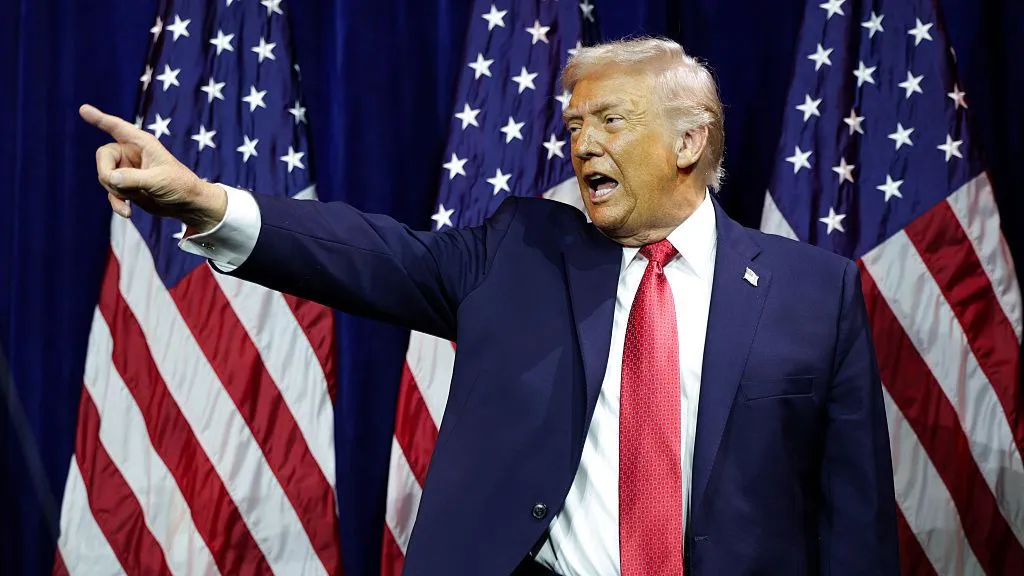
Donald Trump (former US president) has also warned other nations that if they conduct commerce with Iran, they are at risk for being charged an immediate 25% tariff from the United States. On his account, the former president posted this information on his social media (Truth Social). According to the post, the order will be ‘decisive’. There has been no mention of the timing or manner in which these tariffs will be enacted. White House Gives No Further Details Following President Trump’s comments regarding the renegotiation of international trade agreements, there has been no additional guidance provided by the White House with regard to the potential impact on certain countries or specific goods that may be subject to increased tariffs as a result of elevated trade relations between Iran and the US. This uncertainty creates concern within the business communities of numerous nations trading with Iran as well as the USA due to their respective ties to both economies, especially when discussing matters related to the energy and shipping industries. Iran’s Currency Crisis Deepens At the same time that Iran is experiencing a significant economic crisis due to the value of the national currency (the rial) dropping significantly over the last 12 months and recently reaching an all-time low in value against the US dollar, inflation is currently above 40%, and the cost of essential items is also increasing dramatically. As a result, for many households, the cost of living on a day-to-day basis has become impossible to manage. Protests Spread Across Iran The growing public anger over increased prices and high numbers of job losses caused protests throughout Iran. At the end of December 2022, many local shop owners in Tehran closed their shops and marched in protest because of yet another sharp decline in the value of the Iranian currency, the rial. Originally protests focused solely on economic issues, but claims of economic injustice and systemic abuse of political power have now evolved into larger demonstrations that challenge Iran’s Supreme Leader Ayatollah Ali Khamenei and his regime. These recent events represent some of the most serious challenges faced by the Iranian government in recent years. Deaths, Arrests, and Information Blackout Human rights organisations state that there has been a significant crackdown on protestors. The US non-profit group Human Rights Activist News Agency indicates that approximately 500 people who were protesting and 48 members of the security forces were killed; however, many other organisations indicate that the actual death count could be much higher. Thousands of individuals have been arrested as well. Since Thursday night, an internet blackout has made it difficult to verify facts. Many countries’ media, including BBC and Reuters, cannot get reliable news from within Iran. Although Donald Trump warned of future sanctions, he also stated that the Iranian government reached out to him about negotiating; however, increased international sanctions and significant corruption continue to have a negative impact on the Iranian economy.
Branding vs. Performance Marketing: What Drives Long-Term Growth?

Businesses are often unsure whether to invest more of their marketing budget on branding or performance marketing in an increasingly competitive online marketplace. Both types of marketing help with business growth but have different deliverables and timescales. Therefore, the real issue to think about is not which type of marketing is better, but which type of marketing will help you achieve sustained long-term growth through a strategic approach. What Is Branding? The branding process creates how the consumer perceives, recalls, and attaches an emotional attachment to your establishment, but it isn’t solely about logos and colors. Branding involves brand purpose and values, tone of voice, storytelling, and overall customer experience. Companies with a great brand name because their customers have developed an emotional connection with the company as a result of their experiences; customers trust them to return to the company time after time. With the establishment of a good brand name, customers are inclined to purchase from the business more than once. The process of branding operates in the background, generally being much stronger than any advertising that a business may run. As a result, creating strong branding will eventually lead to lower advertising costs because customers will be searching directly for your products as a result of their positive experience with the brand or as a result of other individuals encouraging them to do so. What Is Performance Marketing? Marketing is all about maximizing your return on investment (ROI) through instant results or measured actions. Channels such as Google Ads, social media marketing, affiliate marketing, and paid marketplaces are part of performance marketing, where each initiative is optimized based on metrics like cost per acquisition (CPA), return on ad spend, and conversion rates. Performance marketing is heavily reliant on data and allows companies to expand rapidly. Performance marketing is particularly beneficial for any new product launching, lead generation campaigns, and any other revenue-generating initiatives that require immediate results. Key Differences Between Branding and Performance Marketing Branding is built for the long term, while performance marketing is designed for speed. Branding influences how customers feel about a business, whereas performance marketing focuses on what customers do immediately. Branding creates mental availability and loyalty, while performance marketing captures demand that already exists. Another major difference lies in sustainability. Performance marketing becomes more expensive as competition increases, while branding becomes more efficient over time by lowering acquisition costs and increasing repeat purchases. How Branding Fuels Long-Term Business Growth Branding is the backbone of sustainable growth. Businesses with strong brands enjoy higher customer retention, better pricing power, and stronger market credibility. Customers are more willing to trust, forgive mistakes, and stay loyal to brands they emotionally connect with. Over time, branding compounds. Each impression, story, and interaction adds value, creating a long-lasting asset that continues to generate returns even when ad budgets are reduced. This is why established brands can pause advertising temporarily without experiencing a sharp drop in demand. Why Performance Marketing Still Matters Performance marketing plays a crucial role in business growth, especially in competitive and fast-moving markets. It allows businesses to test offers, understand customer behavior, and generate predictable revenue. For startups and growing brands, performance marketing provides valuable insights that help refine messaging and positioning. However, over-reliance on performance marketing can create growth plateaus. As ad costs rise and audience fatigue sets in, businesses that lack strong branding often struggle to maintain profitability. The Strategic Balance Between Branding and Performance Marketing Long-term growth is achieved when branding and performance marketing work together. Branding creates demand, while performance marketing captures it. Branding builds trust that improves conversion rates, while performance marketing provides the data needed to sharpen brand communication. A balanced strategy ensures that short-term revenue goals are met without sacrificing long-term brand equity. Businesses that invest in both are more resilient, adaptable, and competitive in the long run. Final Verdict: What Truly Drives Long-Term Growth? While performance marketing delivers quick wins, branding is what sustains growth over time. Performance marketing brings customers in, but branding keeps them coming back. Businesses that prioritize only short-term metrics risk becoming dependent on rising ad spending, while those that build strong brands create lasting value. The smartest growth strategies don’t choose one over the other—they align both to build a profitable, scalable, and enduring business.
Trump Calls Himself ‘Acting President of Venezuela’ in Truth Social Post
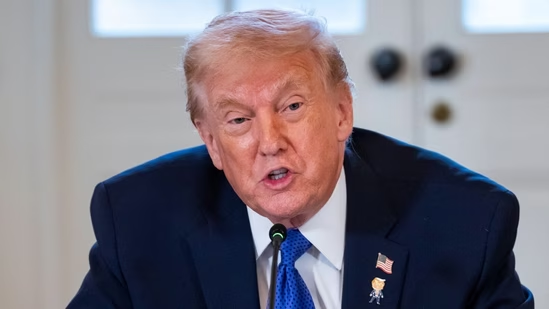
When U.S. President Donald Trump posted an image on his social network, “Truth Social,” named “Acting President Of Venezuela.” The image was posted on January 11th, 2026, had a caption of “acting president of Venezuela,” with an image of Mr. Trump in his formal portrait, and stated that he had been the “Acting President of Venezuela, Incumbent January 2026.” In addition, it states that Mr. Trump was both the 45th and the 47th USA president, starting from January 20th, 2025. This post was made at a time when there are increasing tensions after a significant U.S. military operation took place in Venezuela this month. U.S. Military Operation and Capture of Nicolás Maduro On January 3, 2026, US troops seized Venezuelan President Nicolás Maduro in a sudden nocturnal mission. The incident occurred following a pre-planned sequence of joint armed actions against the South American nation in response to significant recent increases of economic and diplomatic exertion directed towards it for what appeared to be the mutually beneficial extraction of its vast oil reserves. In the wake of the successful operation, Mr. Trump disclosed that US operatives had been present in Venezuela prior to the operation and further RFC’ed the US with the task of temporarily overseeing governance in the capital, Caracas, until such time as a “safe, proper, and judicious” transition could be made. President Trump stated to reporters shortly after the incident that the United States would continue to manage Venezuela until a more stable government was selected. Trump’s Claim Over Venezuela’s Governance Mr. Trump stated during a press release that the military operation was “one of the most powerful, effective, and incredible displays” of U.S. confidence and capability. Further, he indicated that the current U.S. government intends to take advantage of the extensive Venezuelan oil reserves by producing large quantities of oil and exporting it to other nations during a transition to an interim president. In a social media post on Truth Social, Mr. Trump claimed to have been acting in the role of Venezuela’s interim president and received worldwide criticism for his announcement. Venezuela’s Constitutional Response In the aftermath of Mr. Maduro’s removal, the Venezuela Supreme Court’s Constitutional Chamber quickly acted, on January 3, by directing Vice President Delcy Rodríguez to take on the responsibilities of Acting President to maintain continuity of government and protect Venezuela’s territorial integrity. Even when taking on this new role, Ms. Rodríguez required the United States to release Mr. Maduro, arguing he is still the legitimate representative of Venezuela while also denouncing foreign intervention in the sovereignty of her country. Global Reaction and Uncertainty Ahead The events surrounding these issues have led to a broad range of reactions both politically and internationally, including many countries and organizations expressing their concerns about the legality of U.S. military actions and their implications for international law. While diplomatic relations are strained, the uncertainty about Venezuela’s political future continues due to the competing names for government authority and the increased demands from global organizations to address these issues.
26 Best AI Marketing Tools I’m Using to Get Ahead in 2026

AI is no longer optional in marketing. In 2026, it is the backbone of how fast-growing brands research, create, analyse, and scale. From content creation to automation and data insights, AI tools are helping marketing teams move faster with fewer resources. I’ve been testing AI marketing tools for over three years while working with startups, SaaS brands, and enterprise teams. This list is not copied, sponsored, or driven by affiliate hype. These are tools I actually use or see teams use effectively. Let’s break them down by use case. AI Automation & Workflows 1. Gumloop One of the best AI automation tools available today. It lets you connect LLMs like GPT, Claude, or Gemini with tools like Notion, Slack, Sheets, and CRMs without code. Perfect for research, lead monitoring, reporting, and internal workflows. 2. Zapier A classic automation platform now enhanced with AI actions. Great for simple task automation between apps. SEO & Content Optimisation 3. Surfer SEO Helps optimise content for Google rankings by analysing keywords, structure, length, and readability in real time. 4. ContentShake AI An AI-powered SEO writing tool that focuses on ranking-focused blog creation for small teams. 5. Brandwell Designed for long-form SEO blogs. Produces surprisingly human-like content but still needs editing. AI Writing & Editing 6. Jasper AI Strong for marketing copy like ads, emails, and landing pages. Best used for first drafts. 7. Writer.com Built for teams. Maintains brand voice, tone, and terminology across large organisations. 8. Grammarly Improves clarity, grammar, and tone. Useful even when working with AI-generated content. 9. Hemingway App Simplifies writing by reducing complexity and improving readability. 10. Undetectable AI Used to rewrite AI-generated content to sound more natural. 11. Originality AI Detects AI-written content and plagiarism. Helpful for quality control. Productivity & Knowledge Management 12. Notion AI Turns your Notion workspace into an intelligent assistant for writing, summarising, and answering questions. Video, Image & Audio Creation 13. Crayo Ideal for short-form videos like Reels, Shorts, and TikTok. Automates scripting and visuals. 14. Lexica Art High-quality AI image generation, great for blog thumbnails and brand visuals. 15. PhotoRoom Removes image backgrounds quickly for e-commerce and ads. 16. LALAL.AI Cleans background noise from audio recordings without harming voice quality. Ads, Sales & Growth 17. Albert.ai Uses AI to manage and optimise paid ad campaigns automatically. 18. Headline Creates AI-powered landing page copy focused on conversions. 19. Reply.io AI Helps write and optimise sales email responses at scale. Chatbots & Conversations 20. Chatfuel Builds AI chatbots for websites and messaging apps. 21. Userbot.ai Manages customer conversations and support automation. Data, Monitoring & Research 22. FullStory Uses AI to analyse user behaviour and digital experience issues. 23. Browse AI Scrapes websites without coding for market and competitor research. 24. Algolia AI-powered search and recommendation engine for websites and apps. 25. Brand24 Tracks brand mentions, sentiment, and online conversations. 26. Influencity AI-driven influencer discovery and campaign management platform. Final Thoughts AI marketing tools are no longer about replacing humans. They help marketers move faster, think smarter, and focus on strategy instead of repetitive work. Most teams will use multiple tools, not just one. The key is choosing tools that fit your workflow, not chasing trends.
Doing Business Became Tougher in 2025, Says World Economic Forum Survey

Companies globally conducted a new survey by the World Economic Forum (WEF). The survey indicated that due to a significant slowdown in global cooperation, the global economy will be much more difficult for companies to navigate as they move forward into 2025 than it was in 2024. Examples of this global cooperation decline include reduced trade, technology development, and climate change, along with creating safer places for people to live and work. The survey results were published prior to the WEF’s annual meeting this January 2023 in Davos, Switzerland, as part of the Global Cooperation Barometer 2026 report. World Economic Forum Survey Shows Rising Business Pressure A total of 799 business executives participated in the online survey across 81 countries. Of these 799 respondents, approximately 43% believed that in 2025 it would be harder to conduct business than it was in 2024. Seven per cent indicated they thought that things would be better, while the balance of respondents either felt things were going to remain unchanged or were uncertain about their response and did not wish to share their views. Most executives cited increasing obstacles to global trade and the movement of talent and investments across borders as contributing to the increased complexity and cost associated with their businesses; almost 40% of executives reported that the added complexities and costs resulting from these challenges were significant. Trade Tensions and Tariffs Added Uncertainty The WEF report also highlighted that U.S. tariff announcements in 2025 raised serious concerns about the future of global trade. Former U.S. President Donald Trump announced new tariffs in April 2025, putting pressure on global supply chains. Although several tariffs were later reduced through trade deals, the uncertainty caused businesses to rethink their strategies. Interestingly, six out of ten executives did not list trade as a major issue. This suggests that many companies have adjusted their plans to handle changing trade conditions. Cooperation on Security and Climate Slows The survey showed that global cooperation on peace and security weakened further in 2025. About 42% of executives believed cooperation declined, while only 13% saw improvement. Climate and natural resource collaboration also faced challenges, with 29% saying it became harder. Despite this, there was some positive news. Investment in renewable energy rose nearly 10% in the first half of 2025, and solar and wind capacity increased sharply, showing progress in clean energy efforts. Experts More Concerned Than Executives A separate WEF poll conducted in September among Global Future Council members showed deeper concern. About 85% of experts believed global cooperation had declined, a much higher number than among business leaders.
How to Manage a Negative Social Media Campaign for Businesses

An online campaign based on false information can happen in a very short period. Brand reputation, customer trust, and revenue streams could be negatively impacted almost immediately by just one post or accusation, yet strategic management of the situation can allow you to control the damage and possibly develop a new pathway toward improving your brand image and establishing a stronger connection to your customers’ trust in you. Understanding What a Negative Social Media Campaign Is When individuals or groups express dissatisfaction about a company on social networks as a method of harming the reputation of the company, it is referred to as a “negative campaign”. Some individuals intentionally create fake accounts (bots), while some companies may want to promote their own products as an alternative to the target company. Negative campaigns can be created by disgruntled customers, competitors of the company, or former employees and can be spread through all forms of social media. The speed at which negative campaigns on social media spread is significantly faster than businesses that have experienced a PR crisis in the past. Step 1: Monitor Before It Escalates The foundation of reputation management is social listening. Businesses should continuously monitor mentions, hashtags, reviews, and brand-related keywords across platforms like X (Twitter), Instagram, Facebook, LinkedIn, Reddit, and Google Reviews. Early detection allows brands to: Using tools like Brand24, Hootsuite, Sprout Social, or Google Alerts ensures no issue goes unnoticed. Step 2: Assess the Situation Objectively Not every negative comment deserves the same response. Businesses must classify issues into: An emotional or rushed response can escalate the situation. Instead, brands should evaluate the scale, credibility, and intent behind the criticism before taking action. Step 3: Respond Quickly—but Professionally Silence often looks like guilt on social media. A timely response shows accountability and control. However, speed should never compromise tone. Best practices for responses: A calm, empathetic response reassures both the complainant and the wider audience watching the interaction. Step 4: Correct Misinformation with Facts If false or misleading content is spreading, brands must counter it with verifiable facts. This can be done through: The goal is not to attack critics but to provide clarity. Transparency builds trust, even among sceptical audiences. Step 5: Activate Positive Brand Advocacy A strong brand community is one of the most effective defences against negativity. Encourage satisfied customers, partners, and employees to share their genuine experiences. Organic positive voices dilute the impact of negative narratives far more effectively than paid responses. Never use fake reviews or bots—these often worsen reputational damage when exposed. Step 6: Coordinate PR, Legal, and Marketing Teams For large-scale attacks or sensitive allegations, social media managers should not act alone. Aligning PR, legal, and leadership teams ensures messaging consistency and reduces legal risks. In extreme cases involving defamation, impersonation, or threats, reporting content to platforms or pursuing legal remedies may be necessary. Step 7: Learn and Improve Post-Crisis Once the situation stabilises, conduct a post-mortem analysis: Use insights to improve customer service, communication policies, and crisis response frameworks. Brands that learn from crises often emerge stronger and more resilient. Turning Crisis into Credibility If negative social media campaigns are managed effectively, they can bring personality to your brand, build credibility with customers and show that your company is responsible for what it does. Customers don’t want perfection; they want to see honesty, responsiveness and respect from the business they buy from. Companies that make honesty and responsiveness their priority will not only survive an online backlash but also establish long-term relationships with customers based on mutual trust.
Key Catalysts That Could Push Bitcoin and the Crypto Market Higher in 2026

main reasons that he and many other analysts expect will lead to an increase in Bitcoin and the wider cryptocurrency market in 2026. Hougan pointed to the stability of the cryptocurrency ecosystem as well as the stability of equity markets and “regulatory clarity”, which would be provided by the Clarity Act, as key reasons for the predicted Bitcoin and broader cryptocurrency market growth in 2026. Stable Crypto and Equity Markets The first requirement for a sustained rally is stability within the crypto market itself. Hougan pointed to the absence of any repeat of an “October 10–style” liquidation event—a market shock that weighed heavily on crypto prices during the fourth quarter of 2025. At the time, fears that large market participants might be forced to unwind positions created persistent selling pressure. “These potential sales hung over the market like a heavy fog,” Hougan wrote, noting that those concerns have now largely faded, removing a major overhang and clearing the way for renewed upside momentum. Equity market stability is the second critical factor. Hougan warned that a sharp downturn—such as a 20% correction in the S&P 500—would negatively impact all risk assets, including cryptocurrencies. “The equity market needs to remain stable rather than surge or crash,” Ryan Yoon, senior analyst at Seoul-based Tiger Research, told Decrypt. Yoon added that once equity markets reach a certain level of stability, investors naturally begin seeking higher returns in alternative assets like crypto. Recent data, however, suggests near-term volatility. Bitcoin’s rally cooled this week, triggering liquidations and net outflows of $243 million from U.S. spot Bitcoin ETFs. While BlackRock’s IBIT recorded $228 million in inflows, these were offset by significant outflows from Fidelity’s FBTC (-$312 million) and Greyscale’s GBTC (-$83 million), according to SoSoValue. Regulatory Clarity as a Long-Term Tailwind The catalyst for the biggest impact that is yet to come is legislation. The Clarity Act (proposed legislation on the structure of the cryptocurrency market), which is a proposal to clarify the definition of digital assets in the U.S. and establish greater clarity around the regulation of those assets, is expected to pass by January 15, according to David Sacks, the White House’s crypto czar. “If this bill can get through the markup process, that will then be a huge step forward in getting it passed,” said Hougan. He went on to say that without legislation, the current pro-crypto regulatory structure is at risk of being undone by future administrations. Market Outlook Looking into the future, researchers see fluctuations in price levels in this market over the next few months resultant of U.S. government spending policies, political changes within the United States, etc. In the medium term, the largest source of capital flowing into the marketplace will be via institutional investors using physical exchange-traded funds. These purchases should foster a “strong get stronger” effect in the marketplace.
5 Top Trends Impacting Public Relations in 2026
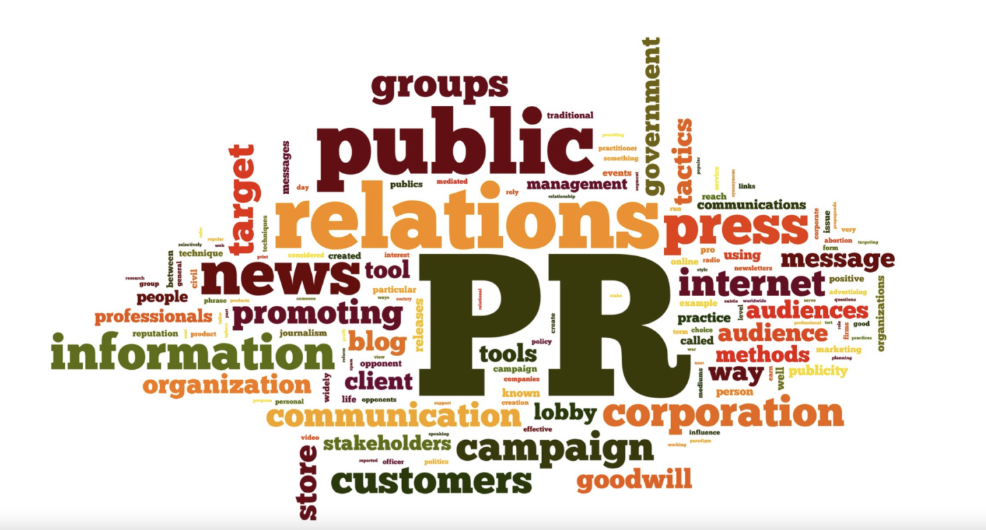
An organisation’s Public Relations (PR) is the use of knowledge and strategic communications to manage how people perceive an organisation, to create and maintain a positive image or brand, and to protect the reputation of an organisation. The term “spin” has been used in relation to PR for many years; however, the context within which PR operates is evolving and becoming much more difficult to control due to instant feedback from social media, along with access to digital information globally. Public opinion is being formed much faster today than any one organisation can keep up with. It is also much easier for consumers to voice their opinions on social networks, which is forcing brands to respond to customer feedback much quicker than they might have had to before. Even though some countries, including a number of Middle Eastern nations, have implemented social media restrictions (there are currently reports by Statista indicating that more than 70 countries have social media restrictions), the vast majority of businesses across the globe are now functioning in a hyperconnected environment, so they need to be authentic, responsive, and transparent in order to succeed. Looking towards the near future at the upcoming year of 2026, several of the biggest trends now shaping PR’s approach to planning, executing, and measuring effectiveness will have a profound impact on these practices. 1. AI Integration in Public Relations AI has transformed public relations (PR) into a more automated process through the use of AI-based tools to help with tasks like media monitoring, sentiment analysis, identifying crises and writing content, and optimising campaigns. Many routine administrative PR tasks that could have previously taken several human resources to accomplish can now be done automatically, creating more efficient operations within PR agencies. The result and benefit of using AI will be to create a stronger focus on data-driven decisions and strategic planning processes. Another advantage of using AI in PR to process information quickly is that it allows PR people to spot emerging issues sooner, predict the public’s response to new messages quicker, and adapt their messages in real time according to the audience’s reaction to them. As AI technology evolves, PR organisations should continue to use this technology to increase efficiency because AI can only maximise productivity. PR professionals will still be needed because AI technology cannot replace human judgement, particularly with regard to strategic storytelling and building relationships between a client and the public, and ethical communication. 2. Digital and PR Strategies Fully Intersect Traditional PR consisted of developing press releases and pitching the message to the media. No longer are PR and digital marketing two separate entities, but now PR professionals as digital marketers are deeply intertwined. Today’s PR professionals now determine how their message is distributed by using direct control over both company-owned and shared channels. Additionally, data and analytics are essential to successfully measure performance, track engagement, and show return on investment. While video-based content creation is a key digital PR tool, other valuable digital PR content formats include: Video and audio content on platforms like TikTok, YouTube, or LinkedIn (for example, podcasts) Webinars as a tool to establish rapport, trust, and authority Infographics or other forms of short articles will assist marketing personnel in telling their stories in an easily shareable format. Thought leadership content that establishes your organisation’s credibility Social media has become one of the most important PR channels because journalists, influencers, and consumers now shape the narrative in real time. Therefore, the traditional “one-size-fits-all” approach no longer applies because each piece of content now has to be crafted based on a particular medium, audience, and engagement behaviour to create true engagement. 3. The Evolving Role of PR Professionals The decline of traditional journalism has increased the importance of PR professionals in the marketing ecosystem. Effective PR practitioners today understand how to leverage digital platforms and their algorithms, use AI-powered analytics, communicate during crises in real time, and distribute content across multiple channels. It is now imperative that PR professionals remain focused on the developing strategy, telling stories, measuring results, and reporting on those results as they develop. The profession is changing from being execution-orientated to a focus on impactful strategic leadership. 4. Growth in Thought Leadership Thought leadership has become a central pillar of PR strategy. While executive visibility is not new, digital platforms have amplified the influence of CEOs, founders, and senior leaders. Organisations are investing more in: Strong thought leadership ensures consistent messaging across all channels, reinforcing brand authority and trust. In 2026, companies increasingly allocate larger PR budgets to develop authentic, long-term leadership narratives. 5. Increased Regulation Makes Earned Media More Valuable Stricter regulations around paid and native advertising — particularly from bodies like the FTC — require clearer labelling of sponsored content. This transparency, while necessary, can reduce perceived credibility. As a result, earned media is becoming more desirable. Unpaid coverage, genuine press mentions, and organic influencer engagement carry greater trust than promoted content. PR professionals must now focus on building stronger media relationships and creating campaigns that stand out without relying heavily on paid amplification. 6. ESG Takes Centre Stage in PR Strategy Environmental, Social, and Governance (ESG) messaging is no longer optional. Audiences increasingly expect brands to demonstrate purpose beyond profit. PR plays a crucial role in shaping authentic ESG narratives, ensuring that sustainability and social responsibility claims are credible, measurable, and transparent. Successful ESG-focused PR requires: Conclusion: PR in a Noisy Digital World Public relations is now a more strategic, data-driven, and purpose-focused profession than ever before. As the amount of content being produced continues to grow, the characteristics that define successful PR campaigns will continue to become more credible, authentic, and adaptable. The organisations that are committed to responsible AI use, invest in the creation of a large body of thought leadership, and place a high value on earned media while communicating their ESG commitments will be the most successful in navigating the increasingly complex nature of public relations.
Trump Says Venezuela Will Hand Over Up to 50 Million Barrels of Oil to the U.S.
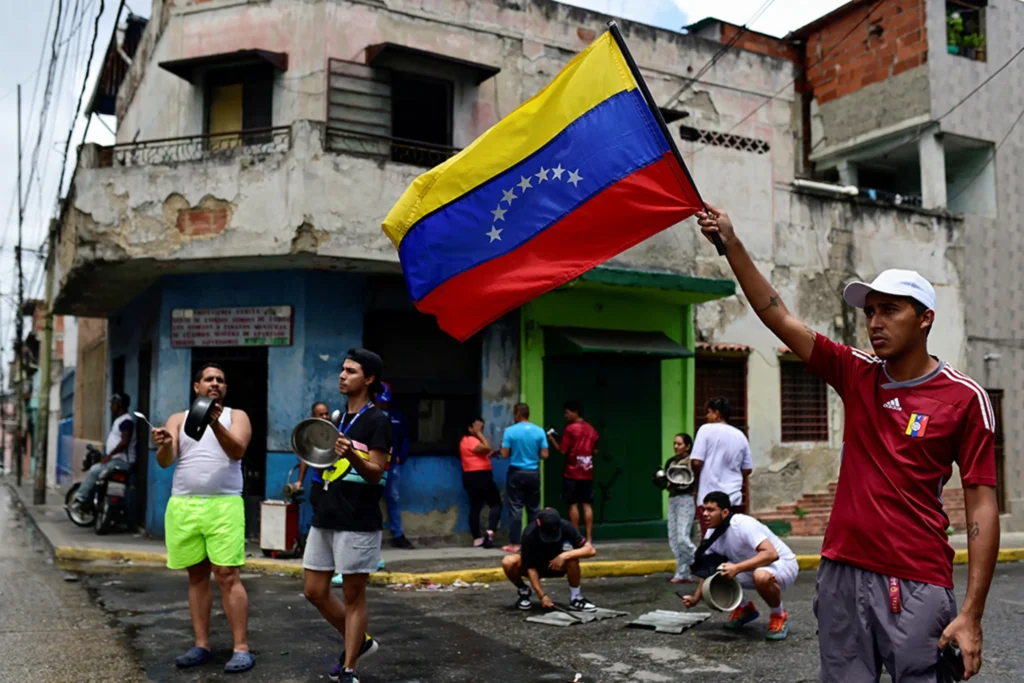
The former President of the United States, Donald Trump, said on January 6th, 2026, that the country of Venezuela would be giving the United States 30 million to 50 million barrels of oil as the result of recent actions taken by American forces to assist in the country’s stabilisation. The oil price will be that of the open market, and U.S. President Donald Trump will have control over the proceeds from the sale. According to Trump, those proceeds are meant to assist both Venezuelans and Americans. In a statement released via social media, Trump indicated that the arrangement would be transparent and would eliminate the possibility of corruption, adding that previous administrations of Venezuela had taken advantage of their country’s wealth in natural resources (oil). This announcement reflects an escalation of the U.S. government’s involvement in Venezuela’s political and energy sectors. Maduro Captured in U.S. Military Operation On January 3, the U.S. military carried out an exceptional mission in which it captured and extradited apparent dictator Nicolás Maduro from Venezuela to New York City (NYC). Maduro was brought before a NYC federal court on January 5, 2023, and entered a plea of “not guilty” regarding various years-long U.S. federal drug trafficking warrants against him. Delcy Rodríguez, the previous Vice President of Venezuela, took over Maduro’s position and became the interim President of Venezuela when he was removed. Rodríguez condemned the U.S. military’s operation as an infringement on international law, while Washington has portrayed the mission as a critical first step to eliminating narco-trafficking networks and restoring the country’s democratic governments. Trump Claims Venezuela “Stole” American Oil Industry Following Maduro’s capture, Trump made multiple comments asserting that Venezuela’s national oil industry was founded on American know-how, talent, and investment and had been taken forcibly from the United States by the socialism introduced by Chávez. “Venezuela’s oil industry was developed by American talent and drive and skill,” said Trump. “They took it away from us through force, which was likely the largest theft of American assets or property in the history of the United States.” International legal experts in energy disagree with Trump, stating that while it was a controversial nationalisation process, it was done so under the authority of the sovereign and included compensation structures; however, most U.S. companies later sought to challenge this. How the Oil Will Be Transported to the United States President Trump explained that they plan to put oil into storage tankers and send them straight to our docks regardless of any foreign buyers. Chris Wright, the US Energy Secretary, is working with senior oil executives in Miami on logistics for this operation. Secretary Wright believes that the first shipments of oil may occur soon since most of the oil is currently stored, and there is no immediate need to produce more oil. According to administration officials, transferring oil to domestic markets will create stability in the global oil market and provide immediate revenue for the government. The Future of Venezuelan Oil Production Donald Trump mentioned to NBC that there are possibilities for the revival of Venezuelan oil production within an 18-month time frame. This would be contingent upon a large amount of money being invested into the operation. He also stated that he believed U.S. oil companies might return to Venezuela, but the federal government would likely reimburse the companies for any investments they made into building and maintaining the infrastructure. “A large amount of money has to be invested,” Trump stated. “Oil companies will spend it and then be reimbursed through us or through their revenues.” At present, Chevron is the only major U.S. oil company operating in Venezuela, as most other companies left the country after the Venezuelan government nationalised the oil industry. If a major revival is to occur, it will require extensive refurbishment of the dilapidated and outdated refiners, pipelines, and export terminals. Global and Regional Implications Venezuela contains the largest verified amount of oil in the world, so the U.S. move is geopolitically important. Analysts believe the oil transfer will change the distribution of energy around the world, especially for China, which has purchased a large quantity of oil from Venezuela in recent years. The action taken has brought condemnation from international politicians and human rights advocates. They claim that taking control of a foreign country’s natural resources creates an undesirable model for other countries and could lead to future conflicts between nations. However, some advocates in the U.S. believe this action is beneficial to both the Venezuelan government and its citizens because it decreases corruption and ensures that the profits from Venezuela’s oil do not go to criminals. What Comes Next The Energy Secretary, Wright, is monitoring all logistics of the agreement and negotiations with oil corporations and laying the ground for both processes to coincide with one another. In addition to this, worldwide financial markets, as well as international political decision-makers, are closely observing this unique situation; how things ultimately turn out will likely affect not just the economic viability of Venezuela but also potentially the direction that the USA’s energy diplomacy in Latin America takes.
Startup Funding Trends in 2026: Where Smart Money Is Moving

In 2026, startup funding will be much more difficult to obtain than in previous years when investors provided nearly limitless amounts of capital with minimal due diligence. As a result of this economic environment, investors are now much more disciplined, selective and research-based with their investments. Instead of relying on FOMO to drive investment decisions, the focus of savvy investors will now be on a better understanding of long-term value creation, how best to achieve profitability, and what constitutes a resilient startup model. Those founders who are aware of how fast this has changed will be at a greater advantage when raising capital and building out their businesses for the long term. Quality Over Quantity in Investment Decisions There has been a clear trend in 2026 for venture capital firms to focus less on the volume of startups and more on quality through a deeper due diligence process and a much clearer understanding of what is expected from both parties. As a result, venture capital investors are reviewing each startup’s revenue consistency, customer retention rates, and operational efficiencies with significantly more scrutiny than they have in years past. The majority of venture investors only want to invest in startups that can demonstrate a managed burn rate and have a realistic growth plan when looking at a business; all other businesses that are using an egregious expansion strategy are finding it increasingly difficult to attract investment capital. As a result of the lower volume but more intense focus on the highest quality startups, many founders have begun focusing on core business principles like unit economics, product-market fit, and customer lifetime value. By 2026, storytellers and planners will no longer have the same clout as they have in the past, as cold, hard numbers will dominate execution. Artificial Intelligence Continues to Attract Capital Artificial intelligence is still one of the hottest areas for investment, but a lot of this focus has become much more defined. Rather than generic AI unlimited platforms, the majority of the investment dollars are now being funnelled into start-up companies that have applied AI on an industry-specific basis. Startups that offer AI capabilities in the areas of optimising productivity, automating complex workflows and reducing operating costs through industry-specific use cases such as healthcare, finance, logistics and customer service have the highest level of interest from investors. Another major area of focus for investors has been ethics, data security and compliance regulations, as governments are beginning to ramp up the regulation of the AI space. Startups that merge innovation with responsible use of AI are much more likely to receive investment. Profitability Is No Longer Optional Profitability is no longer just an elusive goal; it has become an important component of what investors expect. Although investors are still willing to pay a premium for high-growth companies, they want transparency about when and how these companies will achieve profitability. As a result, many of the most recent funding rounds included milestones related to revenue growth and margin improvement, as opposed to merely user growth. As a consequence of this trend, the way in which companies have structured their funding rounds has evolved into a more systematic approach whereby funds are released to start-ups based on performance milestones. Companies that receive such funding are becoming more disciplined in terms of how they spend their capital and more focused on revenue-generating activities than on vanity metrics. Sector-Specific Growth Opportunities Gain Attention Smart money in 2026 is also moving toward sectors that solve real-world problems. Climate technology, clean energy, health tech, fintech infrastructure, and enterprise SaaS are attracting steady investment. These industries benefit from long-term demand, regulatory support, and scalable market opportunities. In particular, startups that help businesses reduce costs, improve efficiency, or meet compliance requirements are seen as lower-risk investments. Investors view such solutions as essential rather than optional, even during economic uncertainty. Rise of Strategic and Corporate Investors Another major trend is the growing influence of strategic and corporate investors. Large companies are increasingly investing in startups that align with their long-term business goals. These partnerships provide startups with not only capital but also access to customers, technology, and distribution networks. For investors, strategic funding reduces risk by integrating startups into established ecosystems. For founders, it offers stability and faster market entry, making such deals highly attractive in 2026. Geographical Diversification of Startup Funding Startup funding is no longer concentrated in a few global hubs. Investors are increasingly exploring emerging markets where innovation is accelerating and valuations remain reasonable. Regions across Asia, Latin America, and parts of Africa are seeing increased venture activity, particularly in fintech, edtech, and logistics. Remote work, global talent access, and improved digital infrastructure have made it easier for investors to support startups beyond traditional tech centres. This geographic diversification is reshaping the global startup ecosystem. Conclusion Startup funding in 2026 rewards discipline, adaptability, and purpose-driven innovation. Investors are backing founders who understand their markets deeply, manage capital wisely, and build solutions with lasting impact. For startups, aligning with these expectations is no longer optional—it is essential for survival and success in a competitive funding environment. As smart money continues to move toward sustainable, value-driven businesses, the startups that thrive in 2026 will be those built for the long game. For more expert insights on global markets, geopolitics, and business trends, visit:🔗 https://thebusinesstycoonmagazine.com/