
Managing Employee Conflict: Strategies for a Harmonious Workplace

Conflict in the workplace is inevitable. Whether due to personality clashes, differences in opinion, or misunderstandings, employee conflict can disrupt productivity, harm team dynamics, and negatively affect overall morale. Effective conflict management is essential to maintaining a healthy and harmonious work environment. Understanding how to manage employee conflict is crucial for leaders and HR professionals to foster a workplace culture built on communication, respect, and collaboration. In this article, we will explore the causes of workplace conflict, strategies for managing employee conflict, and expert insights on how to create a more cohesive team. Understanding Employee Conflict in the Workplace Employee conflict can arise from a wide range of issues, including interpersonal differences, job roles, work pressures, and communication breakdowns. According to a CPP Global Human Capital Report, 85% of employees experience conflict to some degree, with 29% reporting that they deal with it frequently or constantly. This highlights the importance of addressing conflict proactively before it escalates into more serious issues. Common Causes of Employee Conflict The Impact of Unresolved Conflict Unresolved conflict can have far-reaching effects on a business. Research from the Society for Human Resource Management (SHRM) found that employees in conflict spend an average of 2.8 hours per week dealing with workplace disputes, costing organizations billions of dollars in lost productivity each year. Furthermore, unresolved conflict can lead to increased employee turnover, absenteeism, and reduced team morale. Strategies for Managing Employee Conflict Effective conflict management requires a structured approach that focuses on open communication, understanding, and resolution. Below are key strategies for managing employee conflict in the workplace. 1. Address Conflict Early One of the most critical steps in managing employee conflict is addressing issues early before they escalate. The longer a conflict goes unresolved, the more challenging it becomes to manage. Leaders should pay attention to signs of tension and intervene before minor disagreements turn into major disputes. Expert Opinion: Leadership consultant Patrick Lencioni emphasizes the importance of “healthy conflict” in his book The Five Dysfunctions of a Team. Lencioni argues that productive conflict can lead to growth, innovation, and better team performance when addressed proactively. 2. Encourage Open Communication Creating an environment where employees feel comfortable expressing their concerns and viewpoints is essential to resolving conflicts. Leaders should promote open communication by encouraging employees to share their thoughts in a respectful and constructive manner. This can be achieved through regular team meetings, one-on-one check-ins, or anonymous feedback channels. Example: Adobe promotes open communication within its teams by fostering a “speak-up culture,” where employees are encouraged to voice their opinions and concerns without fear of retaliation. This approach helps resolve conflicts more quickly and strengthens team dynamics. 3. Mediation and Neutral Third-Party Intervention When conflicts escalate and employees are unable to resolve them independently, mediation can be an effective way to manage disputes. Mediation involves bringing in a neutral third party, often a manager or HR professional, to facilitate a discussion between the conflicting parties. The mediator’s role is to help both sides communicate their concerns and find a mutually agreeable solution. Real-World Example: Netflix has a unique approach to conflict management that encourages direct feedback between employees. However, if conflicts persist, the company’s HR team steps in to mediate, ensuring that issues are resolved in a fair and balanced manner. 4. Focus on the Issue, Not the Individual When addressing conflict, it’s essential to focus on the issue at hand rather than personal attacks or blaming individuals. Conflict resolution should involve analyzing the root cause of the dispute and working towards a solution that benefits everyone. Leaders should emphasize collaboration and problem-solving rather than confrontation. 5. Foster Empathy and Active Listening Empathy plays a crucial role in managing employee conflict. By encouraging employees to practice empathy, leaders help team members understand each other’s perspectives and acknowledge feelings. Active listening, where individuals focus on truly understanding the other party’s viewpoint, can de-escalate tensions and pave the way for a more productive resolution. Expert Insight: Psychologist Daniel Goleman, known for his work on emotional intelligence, asserts that empathy is one of the most important leadership skills. Leaders who demonstrate empathy can create stronger connections with their employees, leading to more effective conflict management and improved team dynamics. 6. Establish Clear Expectations and Boundaries Setting clear expectations around roles, responsibilities, and behaviors can prevent many conflicts from arising in the first place. Leaders should ensure that every employee understands their job duties, how they contribute to the team’s success, and the standards of behavior expected within the workplace. This clarity can reduce misunderstandings and help employees feel more confident in their roles. 7. Use Conflict as a Learning Opportunity Conflict should not be seen as purely negative. When managed effectively, conflict can be a valuable learning opportunity for employees and teams. Leaders can use conflicts to highlight areas for improvement in communication, collaboration, or processes. By framing conflict as a chance for growth, organizations can create a culture of continuous improvement. Example: Google’s “Project Aristotle,” a research initiative aimed at understanding effective teamwork, found that psychological safety – the belief that team members won’t be punished for mistakes or disagreements – was the most important factor in team success. By embracing conflict and promoting psychological safety, Google’s teams became more innovative and collaborative. Expert Opinions on Managing Employee Conflict 1. Dr. Amy Gallo on Conflict Resolution Dr. Amy Gallo, an expert on conflict management and author of The HBR Guide to Dealing with Conflict, highlights the importance of transparency and flexibility in conflict resolution. She advises leaders to recognize that not all conflicts will have a perfect solution but emphasizes the need to reach a resolution that is acceptable to all parties involved. 2. Professor Kenneth Thomas on Conflict Styles Professor Kenneth Thomas, known for his Thomas-Kilmann Conflict Mode Instrument, identifies five conflict management styles: competing, collaborating, compromising, avoiding, and accommodating. He suggests that leaders should be adaptable in their approach, recognizing which style is most appropriate for resolving specific conflicts. Real-World Example: Managing Conflict at Pixar
The Role of AI and Automation in Revolutionizing Modern Manufacturing
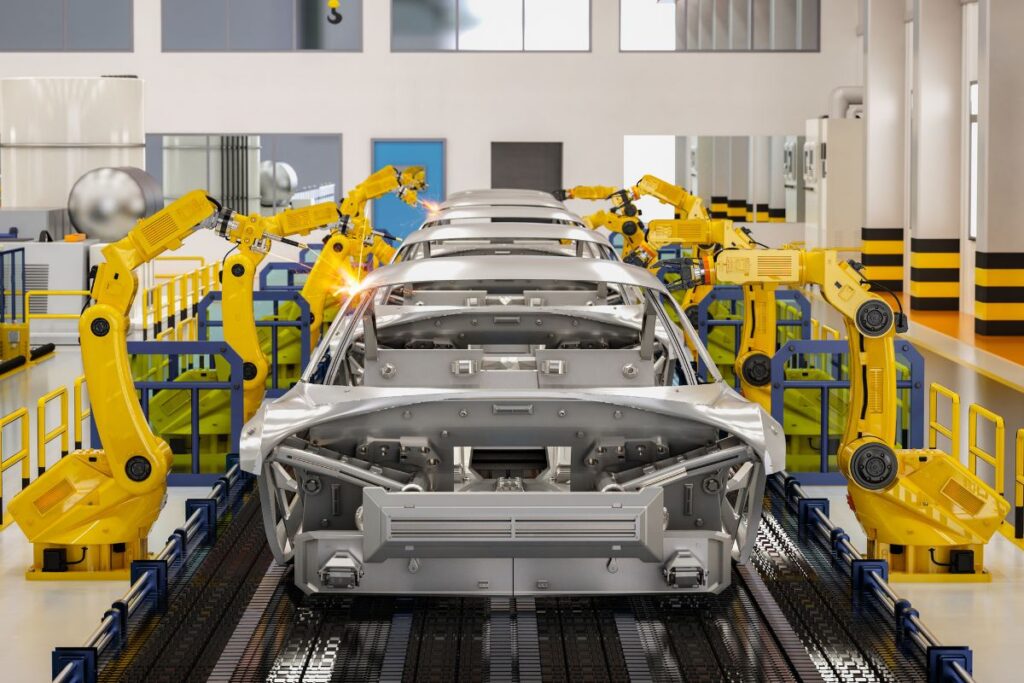
(Artificial Intelligence) AI and automation in manufacturing have become critical drivers of transformation. With the rise of Industry 4.0, manufacturers are increasingly integrating AI, robotics, and automation technologies to streamline production, enhance efficiency, and stay competitive. These technologies are not only reshaping production processes but are also paving the way for smarter decision-making, predictive maintenance, and increased operational flexibility. This article explores how AI and automation are revolutionizing manufacturing, highlighting key benefits, challenges, real-world examples, and expert opinions. AI and Automation: A New Era in Manufacturing The Convergence of AI and Automation AI and automation technologies work together to revolutionize manufacturing by automating routine tasks and providing data-driven insights that enhance decision-making. While automation focuses on using machines and systems to perform repetitive tasks, AI brings intelligence to these systems, enabling them to learn, adapt, and improve over time. According to a McKinsey report, AI and automation could increase productivity in manufacturing by up to 40% by 2035, leading to significant cost savings and increased production efficiency. The Rise of Industry 4.0 Industry 4.0, also known as the Fourth Industrial Revolution, refers to the digital transformation of manufacturing, driven by AI, automation, IoT, and advanced analytics. By leveraging smart technologies, manufacturers can create more efficient production systems, reduce downtime, and improve product quality. Key Benefits of AI and Automation in Manufacturing 1. Increased Production Efficiency One of the most significant benefits of AI and automation in manufacturing is increased efficiency. Automated systems can work continuously without fatigue, leading to higher output and faster production cycles. AI-powered machines and robots can optimize workflows, adjust production lines in real-time, and minimize bottlenecks, resulting in more efficient operations. Real-World Example: Tesla’s Gigafactory uses advanced automation and AI to produce electric vehicles at scale. The factory is equipped with AI-driven robots that handle tasks such as assembling car components, welding, and painting, enabling Tesla to maintain high production volumes while minimizing errors. 2. Predictive Maintenance and Reduced Downtime AI-powered predictive maintenance is revolutionizing how manufacturers maintain their equipment. Traditionally, maintenance was performed based on a fixed schedule or after a machine breakdown. With AI, manufacturers can analyze real-time data from sensors embedded in machines to predict when maintenance is needed. This approach reduces unexpected downtime, extends equipment life, and minimizes repair costs. A report by Deloitte found that predictive maintenance can reduce maintenance costs by 30% and cut machine downtime by up to 50%, offering significant cost savings for manufacturers. 3. Enhanced Product Quality and Consistency AI and automation improve product quality by eliminating human error and ensuring consistency in production processes. AI systems can analyze data from various stages of production to detect defects and deviations in real-time. This enables manufacturers to make adjustments early in the process, reducing waste and ensuring high-quality products. 4. Data-Driven Decision Making AI provides manufacturers with actionable insights by analyzing vast amounts of data collected from machines, sensors, and production systems. These insights enable manufacturers to make more informed decisions, such as optimizing production schedules, improving inventory management, and identifying new opportunities for cost savings. Expert Opinion: According to a study by PwC, 72% of manufacturing executives believe that AI will be a key enabler of data-driven decision-making within the next five years. AI-driven insights allow manufacturers to respond quickly to market changes, adjust production levels, and meet customer demand more efficiently. 5. Customization and Flexibility AI and automation enable greater customization in manufacturing. Traditionally, customization was time-consuming and expensive due to the need for manual adjustments. However, AI-driven systems can quickly adapt to new specifications, allowing manufacturers to produce customized products at scale. This flexibility is particularly important in industries such as automotive, where customer preferences vary widely. Challenges of Implementing AI and Automation in Manufacturing While AI and automation in manufacturing offer numerous benefits, they also present challenges that manufacturers must address to fully capitalize on their potential. 1. High Initial Costs The integration of AI and automation in manufacturing requires significant upfront investment in equipment, software, and infrastructure. Many manufacturers, particularly small and medium-sized enterprises (SMEs), may struggle to justify the costs of implementing these technologies. However, the long-term benefits, such as reduced labor costs and increased efficiency, can outweigh the initial expenses. 2. Workforce Displacement and Skill Gaps As automation takes over repetitive tasks, concerns about job displacement have arisen. While automation reduces the need for manual labor, it also creates a demand for highly skilled workers who can manage, program, and maintain automated systems. Addressing this skills gap requires investment in employee training and reskilling programs. Expert Insight: The World Economic Forum estimates that by 2025, automation will displace 85 million jobs globally, but will also create 97 million new roles in areas such as AI programming, robotics, and data analysis. Companies must focus on upskilling their workforce to prepare for this shift. 3. Cybersecurity Concerns With the increased connectivity of AI-driven systems and IoT devices, manufacturing operations are becoming more vulnerable to cyberattacks. A breach in a connected system could disrupt production, compromise sensitive data, and result in significant financial losses. Manufacturers need to invest in robust cybersecurity measures to protect their operations. Real-World Applications of AI and Automation in Manufacturing 1. Robotics in Assembly Lines AI-powered robots are becoming a staple in modern manufacturing. These robots can perform complex tasks with precision, speed, and accuracy. They are often used in assembly lines for tasks such as welding, painting, packaging, and quality inspection. Example: BMW uses AI-driven robots in its assembly lines to install car doors, windshields, and other components. These robots work alongside human operators to enhance efficiency and improve product quality. 2. Autonomous Factories The concept of fully autonomous factories, where AI and automation systems manage all aspects of production, is becoming a reality. In these factories, machines communicate with each other, make decisions, and optimize production without human intervention. Example: FANUC, a Japanese robotics company, operates a fully automated factory where robots manufacture other robots. The factory runs 24/7 without human intervention, producing parts with incredible precision
Verizon Resolves Nationwide Outage After Thousands Report Disruptions on Monday Morning

[Source-ET-Telecom] Verizon, one of the largest telecommunications providers in the U.S., announced that it has successfully resolved a widespread outage that disrupted services for thousands of its customers on Monday morning. The issue left many users across the country unable to make calls, send text messages, or access the internet, sparking frustration and complaints on social media platforms. What Happened? The outage began early on Monday morning, affecting users in major cities such as New York, Los Angeles, Chicago, and Houston. According to DownDetector, a website that tracks real-time outage reports, over 10,000 Verizon customers reported disruptions by 9 a.m. Eastern Time. Many users experienced dropped calls, slow or no internet connectivity, and difficulty in sending and receiving text messages. Social media platforms like Twitter were flooded with complaints and questions about the service interruptions, as users sought answers and updates from them. The sudden disruption affected not only individual users but also businesses that rely on Verizon’s network for day-to-day operations, leading to significant inconvenience. Verizon’s Response Verizon responded promptly to the outage reports, acknowledging the issue and assuring customers that their technical teams were working to identify and resolve the problem. By mid-morning, the company tweeted: “We are aware of an issue impacting service for some of our customers. Our team is working quickly to resolve it. Thank you for your patience.” Verizon later provided an update stating that the issue had been identified as a technical fault in their network system and that their engineers were implementing a solution. By noon, the company announced that the problem had been fully resolved and that services were back to normal for affected customers. “Service has been restored for those impacted by the outage earlier today,” Verizon tweeted. “We apologize for the inconvenience and thank you for your understanding.” Verizon down? Users reporting phone, text outage nationwide Impact and Customer Reaction The outage affected a large number of customers, with many expressing their frustration online. Several users noted that they were unable to make urgent calls or access important information during the downtime. Despite the quick resolution, some customers raised concerns about the reliability of the service, particularly for a major provider like Verizon, which is known for its strong network coverage. Businesses, in particular, felt the impact of the outage, as many rely on Verizon’s network for essential communication and data services. The interruption led to a temporary disruption in business operations for some, causing delays and productivity losses. What’s Next for Verizon? While the issue has been resolved, Verizon has not yet disclosed the specific cause of the outage. The company stated that they are conducting a thorough review of the incident to prevent similar disruptions in the future. This event highlights the importance of network reliability for telecom giants, especially as the demand for seamless connectivity continues to grow. Verizon’s ability to quickly address and resolve the issue is commendable, but customers will be looking for reassurances that steps are being taken to avoid such incidents in the future. For now, the focus is on restoring customer confidence and ensuring uninterrupted service moving forward. For more insights, follow The Business Tycoon
Smart Manufacturing: Leveraging IoT for Enhanced Production Efficiency

The manufacturing industry is undergoing a significant transformation with the integration of advanced technologies like the Internet of Things (IoT). Smart manufacturing, driven by IoT, enables factories to operate more efficiently, improve production processes, and optimize resource usage. The convergence of IoT and manufacturing has introduced unprecedented levels of automation, data-driven insights, and predictive capabilities, all of which contribute to enhanced production efficiency. This article explores how IoT is revolutionizing the manufacturing sector, offering insights into the benefits, challenges, and real-world applications of smart manufacturing. Understanding Smart Manufacturing and IoT What is Smart Manufacturing? Smart manufacturing refers to the use of advanced technologies, such as IoT, artificial intelligence (AI), robotics, and big data analytics, to create intelligent production processes. It focuses on integrating these technologies to improve decision-making, optimize workflows, and reduce downtime. According to a Deloitte report, 76% of manufacturers have implemented smart manufacturing initiatives, indicating widespread adoption. How IoT Enhances Production Efficiency The Internet of Things (IoT) refers to the interconnection of physical devices, such as sensors, machines, and equipment, through the internet. These devices collect and share real-time data, providing insights that enable manufacturers to monitor, control, and optimize production processes more effectively. IoT in manufacturing—often referred to as Industrial IoT (IIoT)—allows for the seamless communication between devices, automation of tasks, and the ability to make data-driven decisions that improve efficiency. Example: Siemens, a global leader in industrial automation, uses IoT to optimize its Amberg Electronics Plant, where 75% of production processes are automated. The use of IoT-enabled machines has helped Siemens achieve a near-perfect production efficiency rate of 99.99885%. Key Benefits of IoT in Smart Manufacturing 1. Real-Time Monitoring and Predictive Maintenance One of the most significant benefits of IoT in manufacturing is real-time monitoring. IoT-enabled sensors continuously collect data on equipment performance, temperature, pressure, and other critical metrics. This data allows manufacturers to monitor the health of their machines and detect any anomalies that could indicate potential issues. Predictive Maintenance IoT plays a crucial role in predictive maintenance, which uses data analytics and machine learning to predict when equipment is likely to fail. Instead of relying on traditional scheduled maintenance, IoT devices alert operators to perform maintenance only when necessary, reducing downtime and preventing costly breakdowns. A McKinsey report estimates that predictive maintenance powered by IoT can reduce equipment downtime by up to 50% and extend machine life by 20-40%. Example: General Electric (GE) employs IoT-powered predictive maintenance solutions in its jet engine manufacturing facilities. By monitoring engine performance in real-time, GE can predict failures before they occur, reducing maintenance costs and improving operational efficiency. 2. Increased Automation and Reduced Human Error Automation is a cornerstone of smart manufacturing. IoT allows for increased automation by enabling machines to communicate with each other and operate autonomously based on data-driven insights. Automated systems can handle tasks such as material handling, production scheduling, and quality control with minimal human intervention, leading to increased production efficiency and reduced human error. 3. Optimized Resource Management Smart manufacturing powered by IoT helps manufacturers optimize the use of raw materials, energy, and labor. IoT systems can track resource consumption in real-time, enabling manufacturers to identify areas of waste and make adjustments to reduce costs. For example, IoT-enabled smart grids can adjust energy usage based on demand, lowering energy costs during peak production hours. Expert Opinion: According to Accenture’s research, IoT can increase productivity by 30% in industrial settings while reducing energy consumption by 20%. 4. Improved Quality Control and Product Traceability IoT plays a vital role in enhancing quality control by enabling real-time monitoring of production processes. Sensors collect data on factors like temperature, humidity, and pressure, ensuring that products meet quality standards. IoT also provides end-to-end traceability of products from raw material to finished goods, allowing manufacturers to track every stage of production. Enhanced Product Traceability Traceability is especially critical in industries such as food and pharmaceuticals, where product recalls can be costly and damage brand reputation. IoT enables manufacturers to quickly identify and isolate defective products, minimizing the scope of recalls and reducing the overall impact on production. Real-World Example: Nestlé uses IoT to track its food products throughout the supply chain, ensuring quality control and transparency. IoT sensors monitor conditions such as temperature and humidity, providing real-time data that helps the company maintain food safety standards. Challenges of Implementing IoT in Manufacturing While IoT offers numerous benefits for smart manufacturing, there are also challenges that manufacturers must address to successfully implement IoT technologies. 1. Data Security and Privacy Concerns With the increase in connected devices, data security is a significant concern for manufacturers. The collection of vast amounts of sensitive data makes factories vulnerable to cyber-attacks. According to a report by IBM, manufacturing was the second-most targeted industry for cyberattacks in 2021. Manufacturers need to invest in robust cybersecurity measures, including encryption, secure networks, and regular system updates, to protect their IoT systems from breaches. 2. High Initial Investment Costs Implementing IoT in manufacturing requires a significant initial investment in hardware, software, and infrastructure. While the long-term benefits of IoT, such as reduced downtime and increased efficiency, can outweigh the costs, many small and medium-sized manufacturers may struggle to justify the upfront investment. 3. Integration with Legacy Systems Many manufacturers still rely on legacy systems and equipment that may not be compatible with IoT technology. Integrating new IoT systems with outdated infrastructure can be challenging and costly. However, manufacturers can overcome this challenge by gradually upgrading equipment or using IoT solutions that can work alongside legacy systems. The Future of IoT in Smart Manufacturing The future of smart manufacturing looks promising, with IoT expected to play an even more significant role in enhancing production efficiency. Emerging technologies such as 5G, AI, and machine learning will further enhance the capabilities of IoT in manufacturing. 1. 5G and Edge Computing The rollout of 5G technology will enable faster and more reliable communication between IoT devices, enhancing real-time data processing and enabling factories to operate more efficiently. Edge computing, which processes