
The Role of Influencer Marketing in American Businesses
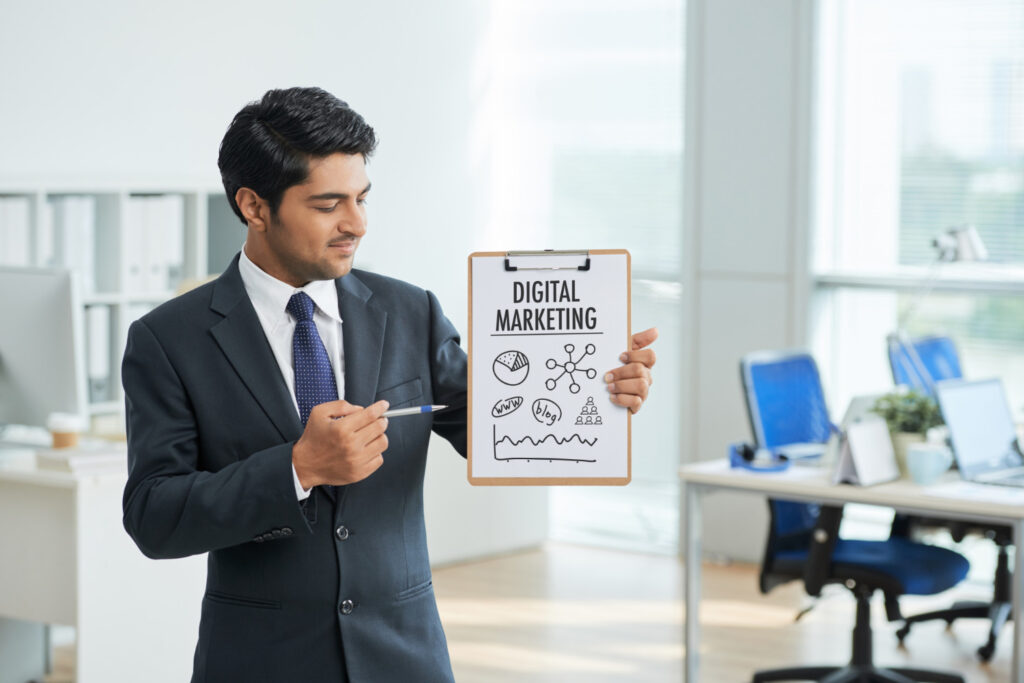
Marketing in the United States has changed dramatically over the past decade. Traditional advertising methods like television, radio, and print are no longer the only ways to reach customers. Today, brands connect with audiences through social media platforms, and one strategy stands out above the rest — influencer marketing. Influencer marketing has become a powerful tool for American businesses of all sizes. From startups to global corporations, companies are partnering with social media creators to build trust, increase visibility, and drive sales. But why has this strategy become so effective in the US market? Let’s explore its growing role and impact. What Is Influencer Marketing? Influencer marketing is a strategy where businesses collaborate with individuals who have a strong online following. These influencers promote products or services to their audience through platforms like Instagram, TikTok, YouTube, and Facebook. Unlike traditional advertisements, influencer promotions feel more personal and authentic. Followers trust influencers because they see them as relatable individuals rather than corporate brands. This trust plays a major role in influencing purchasing decisions. In the US, consumers value recommendations from real people. When an influencer shares their experience with a product, it often feels like advice from a friend rather than a sales pitch. Why Influencer Marketing Works in the United States The US has one of the largest social media user bases in the world. Millions of Americans spend hours daily scrolling through content, watching videos, and engaging with creators. This makes social media platforms ideal for brand exposure. Another reason influencer marketing works well in the US is the strong culture of personal branding. Many influencers build communities around specific interests such as fitness, beauty, finance, gaming, parenting, or technology. Businesses can partner with influencers whose audience aligns perfectly with their target market. For example, athletic brands like Nike frequently collaborate with fitness influencers to promote new product launches. Similarly, beauty brands often work with creators who specialize in makeup tutorials and skincare advice. The result is targeted marketing that reaches the right audience without wasting advertising dollars. Types of Influencers American Businesses Use Not all influencers have millions of followers. In fact, many US companies prefer working with micro-influencers — creators with smaller but highly engaged audiences. These influencers often have stronger personal connections with their followers. There are generally four categories: Mega influencers, often celebrities or public figures with millions of followers. Macro influencers, with large audiences and strong brand presence. Micro influencers, with smaller but loyal communities. Nano influencers, everyday users with highly niche audiences. American businesses often combine different types depending on their goals. Large corporations may focus on broad awareness campaigns, while small businesses may prioritize local micro-influencers to drive targeted traffic. Benefits of Influencer Marketing for American Businesses One major benefit is increased brand trust. Consumers are more likely to buy from a brand recommended by someone they follow regularly. This emotional connection improves conversion rates. Another advantage is cost efficiency. Compared to traditional advertising, influencer partnerships can offer better returns, especially for small and mid-sized businesses. Influencer marketing also improves social proof. When followers see others using a product, it creates a sense of popularity and reliability. Brands like Glossier built massive growth in the US by focusing heavily on influencer-driven strategies rather than traditional advertising. This demonstrates how powerful authentic online promotion can be. Challenges Businesses Face Despite its benefits, influencer marketing comes with challenges. Choosing the wrong influencer can damage a brand’s image. If an influencer’s audience does not match the company’s target market, the campaign may fail. There are also risks related to authenticity. If promotions feel forced or overly scripted, audiences may lose trust. Another challenge is measuring return on investment. While likes and shares are easy to track, direct sales attribution can sometimes be more complex. American businesses must carefully analyze influencer engagement rates, audience demographics, and campaign goals before investing. Influencer Marketing and Small Businesses in the US Influencer marketing is not only for big brands. Small businesses across the United States use local influencers to grow visibility and build community trust. For example, a local restaurant might partner with a food blogger in their city. A boutique clothing store may collaborate with a fashion creator who has a loyal regional audience. These partnerships often cost less than large advertising campaigns but deliver strong local impact. Because consumers increasingly value authenticity, smaller creators can sometimes drive better results than celebrity endorsements. The Future of Influencer Marketing in America The influencer marketing industry in the US continues to evolve. Short-form video content is growing rapidly, especially on platforms like TikTok and Instagram Reels. Live streaming, affiliate marketing, and performance-based influencer partnerships are also becoming more common. Data-driven strategies are shaping the future. Businesses are now using analytics tools to evaluate engagement rates, conversion metrics, and audience insights before launching campaigns. As consumers become more selective about advertising, influencer marketing will likely focus more on transparency and long-term partnerships rather than one-time promotions. What Makes an Influencer Campaign Successful? Successful campaigns usually have clear goals. Whether the objective is brand awareness, website traffic, or direct sales, businesses must define measurable outcomes. Authenticity is also key. Influencers should genuinely align with the brand’s values. Audiences can quickly recognize when promotions feel unnatural. Finally, strong communication between the business and influencer ensures that messaging stays consistent while allowing creative freedom. When done correctly, influencer marketing builds long-term brand loyalty rather than short-term exposure. Final Thoughts The role of influencer marketing in American businesses is stronger than ever. It bridges the gap between brands and consumers by creating personal, relatable connections. In a competitive and digitally driven market like the United States, businesses must adapt to changing consumer behavior. Whether you are a startup or an established brand, influencer marketing can increase trust, visibility, and engagement when used strategically. As the digital landscape continues to evolve, one thing remains clear — people trust people more than ads. And that is why influencer marketing will continue to shape the future of
Franchise vs. Independent Business: What Works Better in the US?
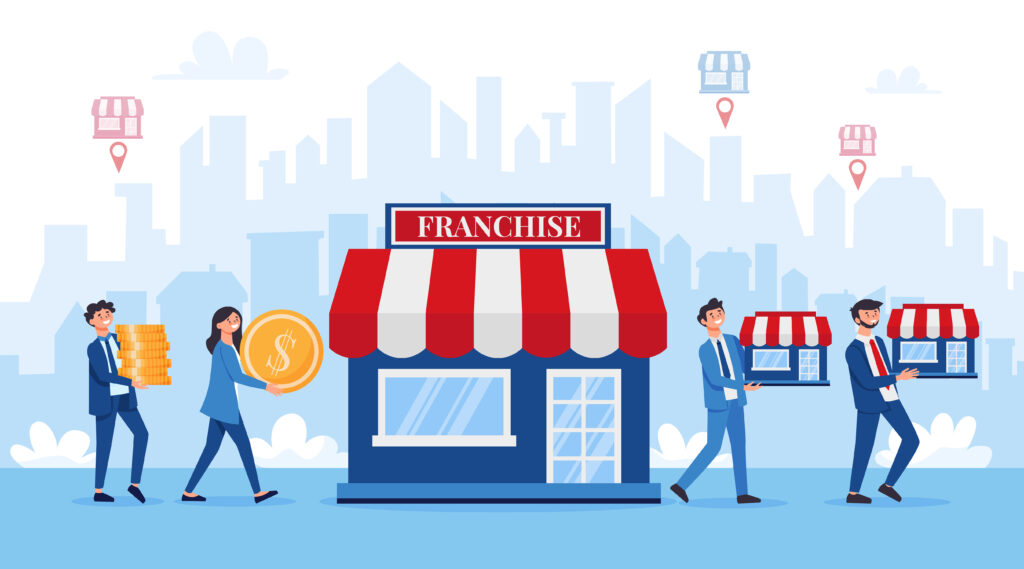
Starting a business in the United States is a big decision. One of the first questions entrepreneurs face is whether to buy a franchise or start an independent business from scratch. Both options offer exciting opportunities, but they come with very different paths, risks, and rewards. Understanding how each model works can help you choose the right direction for your goals, budget, and personality. Let’s explore what works better in the US market and why. Understanding the Franchise Model A franchise is a business model where you purchase the rights to operate under an established brand name. Well-known examples include companies like McDonald’s, Subway, and 7-Eleven. When you buy a franchise, you pay an initial fee and ongoing royalties in exchange for brand recognition, training, and operational support. The biggest advantage of a franchise in the US is brand trust. Customers already recognize the name, which makes it easier to attract business from day one. Franchisors also provide systems, marketing support, and detailed operating procedures. This reduces the guesswork that comes with starting a business. However, franchises come with strict rules. You must follow the company’s guidelines for branding, pricing, suppliers, and operations. There is limited creative freedom. The initial investment can also be high, especially for popular national brands. Franchising works well for entrepreneurs who prefer a proven system over experimentation and want lower risk compared to starting from scratch. Understanding the Independent Business Model An independent business is built entirely from your own idea. You create the brand, design the services or products, and make all operational decisions. This could be anything from a local coffee shop to a tech startup or consulting firm. The main advantage of an independent business is full control. You decide everything — branding, pricing, marketing strategies, suppliers, and growth direction. There are no royalty fees, and profits belong entirely to you. In the US, independent businesses can thrive because of the country’s strong entrepreneurial culture and access to funding options. Small Business Administration (SBA) loans and local grants often support independent startups. However, independent businesses carry higher risk. There is no established brand reputation. You must build trust from the ground up. Marketing costs may be higher initially, and mistakes can be expensive without corporate guidance. This path suits entrepreneurs who are creative, innovative, and comfortable with uncertainty. Cost Comparison: Which Is More Affordable? In the US market, franchise startup costs vary widely. Some franchises require investments of $50,000, while others may exceed $500,000. On top of the initial fee, you often pay ongoing royalties and marketing contributions. Independent businesses may start with lower upfront costs depending on the industry. A home-based service business, for example, can be launched with minimal investment. However, without brand recognition, you may spend more on marketing and customer acquisition. If you have limited capital, an independent business may offer more flexibility. If you have access to financing and prefer structured support, franchising may justify the higher cost. Risk and Success Rates in the US Many people believe franchises are safer than independent businesses. While franchises do benefit from established systems, success still depends on location, management, and market demand. In the US, franchise businesses often show stable performance because of proven business models. However, they are not risk-free. Poor management or oversaturation in a local market can lead to failure. Independent businesses have higher variability. Some fail quickly, while others grow into major brands. Think about companies like Apple or Amazon, which started as independent ventures before becoming global giants. The key difference is that independent businesses carry higher risk but also unlimited growth potential. Flexibility and Innovation If innovation excites you, independent businesses offer more freedom. You can pivot your strategy, test new products, or rebrand anytime. In fast-changing industries like technology or digital marketing, this flexibility can be a huge advantage. Franchise owners must follow corporate rules. Major decisions are controlled by the franchisor. While this ensures consistency, it can limit local creativity. In the competitive US market, adaptability is often a major success factor. Independent businesses can respond quickly to trends, while franchises move more slowly due to centralized decision-making. Brand Power vs. Personal Vision Franchises offer instant brand power. Customers already trust familiar names. This is especially important in industries like food service, fitness, and retail. Independent businesses rely on personal vision. You build something unique that reflects your values and creativity. For many entrepreneurs, this sense of ownership is deeply rewarding. The question becomes: Do you want to manage a proven system, or build something entirely your own? What Works Better in the US? There is no single answer. The US market supports both models strongly. Franchises perform well in standardized industries where customers value consistency. Independent businesses thrive in innovative sectors where uniqueness matters. If you prefer structure, lower uncertainty, and brand recognition, franchising may be the better option. If you value independence, creativity, and long-term scalability, starting your own business might be more rewarding. Your decision should depend on your financial capacity, risk tolerance, industry interest, and long-term goals. Final Thoughts Choosing between a franchise and an independent business is one of the most important decisions an entrepreneur will make. Both models can succeed in the United States, but they require different mindsets. A franchise offers security and support. An independent business offers freedom and unlimited potential. Take time to research your industry, evaluate your strengths, and consider your comfort with risk. The right choice is not about which model is better overall — it is about which one is better for you.
Bill and Hillary Clinton to Testify Before House Panel in Epstein Probe
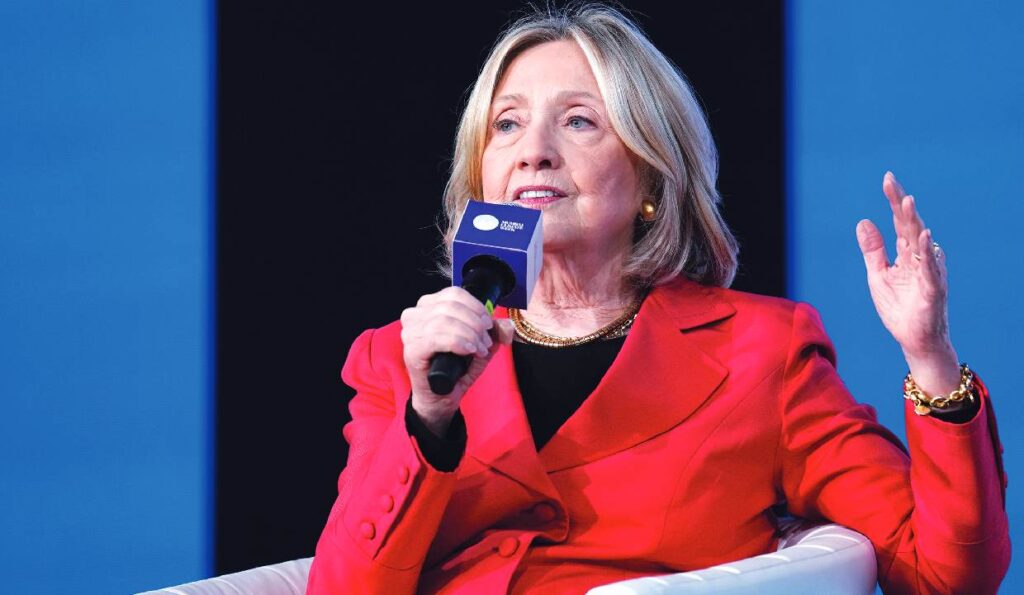
House Committees investigating former sex offender Jeffrey Epstein and his associate Ghislaine Maxwell are scheduled to take deposition testimony from both former President Bill Clinton and former Secretary of State Hillary Clinton. The depositions of the Clintons will take place in Chappaqua, New York, where they reside. The testimony of Hillary Clinton is expected to take place on Thursday, while the deposition of Bill Clinton is expected to take place on Friday. Both deposition sessions will be recorded and transcribed. According to James Comer, Chair of the House Committee on Oversight and Reform, the committee wants transparency and accountability for victims and the general public. Last month, the Clintons agreed to give testimony via teleconference at a House committee hearing after they had previously telephoned the House Republican leadership and stated their intention to work with the committee to provide testimony by providing documents; however, previously they were unwilling to appear in person in what they considered to be a political witch hunt. Links in Released Documents Documents from the U.S. Department of Justice that name Bill Clinton as having travelled with Jeffrey Epstein are contained in his flight logs for 2002 and 2003. The logs include travel to Thailand, Portugal, Ghana, Russia and China. The trips occurred before Epstein was convicted of prostitution involving underage girls in 2008. The files also contained photos and a birthday card with Bill Clinton’s name, handwritten by Ghislaine Maxwell. Over 700 times Hillary Clinton’s name is listed in the documents that were made public; predominantly, these are articles located from 2016 covering her presidential run – and all handed out to Epstein. In addition, there have been questions regarding whether or not Maxwell attended the Clinton Global Initiative meeting in 2013. At the BBC Clinton has stated that Maxwell’s association from this meeting is not what the essence of the entire courtroom scenario should be; furthermore, she also stated that the primary concern of this case should remain focused upon the crimes committed against the female/male children who were victimised.
US and Iran Hold Crucial Geneva Talks to Avoid Conflict

Geneva will host another round of indirect negotiations between the United States and Iran following the last two rounds held in Vienna last month. The United States considers this meeting essential to avoid an escalation into conflict. President Trump suggested that if the United States does not negotiate a new nuclear deal with Iran, then the U.S. could potentially initiate military action against Iran. Conversely, Iran has made it clear that they would retaliate against any act of aggression from the United States. The U.S. has been increasing its military presence in the Middle East since President Trump took office by deploying thousands of troops, aircraft carriers, warships, and fighter jets to the area. Rising Tensions Over Nuclear Programme Iran’s nuclear programme is the primary point of contention in the negotiations. For an extended period, both the US. and Israel have accused Iran of attempting to construct nuclear weaponry, while Iran insists that its nuclear operations are exclusively designed to conduct commercial/peaceful activity. However, because of enriched uranium to levels near weapons-grade, there have been increased suspicions about Iran. Last year, the US, in a coordinated effort with Israel, struck three of Iran’s nuclear facilities; Trump’s administration claimed they were destroyed, but Iran continues to deny all access to verify these claims from the international community. Iran has also stated it would not completely cease uranium enrichment; however, it has been somewhat flexible to the possibility of making concessions related to its uranium enrichment programme. One area in which negotiations may occur is the creation of a regional organisation to supervise the uranium enrichment programme. In addition, Iran possesses an abundant supply of highly enriched uranium, which will likely also be included in the negotiations. Military Threats and Political Pressure President Trump has expressed a preference for a diplomatic resolution but has not ruled out the possibility of limited military action. Recent reports suggest that he may consider targeted strikes against Iran’s Revolutionary Guard Corps (IRGC) or its nuclear facilities if negotiations fail to produce meaningful results. However, Iran has warned that any such action would trigger retaliation against U.S. military bases in the region and against Israel. At the same time, Iran is seeking the removal of economic sanctions as a central condition of any agreement. Tehran has made it clear that it will not accept restrictions on its missile programme or its support for allied groups across the region. This remains a major sticking point in the talks. Both countries are facing pressure from domestic political groups as well as from international stakeholders who are closely monitoring developments. The situation remains highly uncertain, and it is unclear whether the negotiations will lead to a mutually acceptable agreement or further escalation of tensions.
Ethical Use of AI in Modern Businesses

AI is beginning to take root in businesses. The use of AI (chatbots answering customer enquiries & software/software development predicting sales trends) makes it possible for companies to operate rapidly & intelligently. As such, there is much demand for the ethical use of AI. Companies should recognise that unethical uses have the potential to harm rather than help humans. Why Ethics Matters in AI Data is the basis for decision-making in AI. If the data being used is biased or has gaps, then there is the potential for unfair outcomes. For example, when a hiring tool has been trained with only limited amounts of information, it may not be obvious when an AI system is giving favourable results to one group compared to another. Ethical use of AI requires ensuring that data is checked for fairness, systems are tested regularly to ensure fair outcomes and that decisions are transparent. Companies should always be able to answer, “Does this technology benefit all individuals equally?” Protecting Privacy and Data Today’s companies gather massive stores of customer data, and this information can allow AI systems to analyse past customer transactions in order to improve future customer experience and other areas. In addition to the large databases of collected customer data that modern companies operate, every customer also trusts the companies they engage with to hold their private data securely and keep this data safe via data protection laws and the development of appropriate security systems. Ethical use of AI technology will require organisations to treat customer information with respect and protect customers’ confidential information by being clear about how they collect customer data and what they are going to use customer data for. Human Oversight and Accountability AI must augment human decision-making rather than completely displacing human judgement. There are times when a machine needs to make a decision for which there must be human oversight (e.g., approving loans, screening applicants). In the event an AI makes a mistake, it is the responsibility of the company, not the technology, to accept responsibility. When a company shows it will take responsibility when there is a mistake made by the technology, it will help establish trust amongst customers and employees. Building Trust Through Responsible AI When using AI ethically, an organisation establishes trust with its customers and employees, building long-term confidence to allow companies to develop strong reputations. Using AI ethically involves creating value responsibly, not only avoiding difficulties. The modern world more than just defines success by profit; it also defines success in terms of responsibility and technology usage.
US Tariff Dispute Deepens After Supreme Court Ruling, EU and India Seek Clarity

In the United States, there has been an ongoing controversy since the Supreme Court invalidated President Donald Trump’s procedure for implementing several types of tariffs. The Supreme Court, by a 6 to 3 ruling, ruled that Trump cannot claim the International Emergency Economic Powers Act as the basis for imposing “reciprocal” tariffs on a number of countries. The tariffs Trump imposed ranged between 10% and 50%. Having been a little while since the ruling had taken place, Donald Trump reacted very strongly to it, calling it “un-American” and promising that his administration would impose import duties at a statutory maximum rate of 15%. He also instituted a 10% global tariff on all imported goods. He also criticised some members of the court and said he was unhappy with their ruling. Europe and Australia React The European Union voiced deep concerns. According to Bernd Lange (Chairman of the European Parliament’s Trade Committee), he was going to recommend otherwise and suspend the process for approving the Turnberry Agreement. The EU stated that the current situation is “pure chaos”. They urged the US to follow the terms of the 2018 trade agreement with Europe, reminding the US that in their view “a deal is a deal”. There has been a reaction from the country of Australia regarding the newly introduced 15% tariff on imported goods. According to an official statement from the Government of Australia, there are a number of options available under the law that may be applied to benefit and safeguard their economy. With the continuing trade tensions between the countries involved, US Trade Representative Jamieson Greer stated that to date, no individual countries have terminated their trade agreements with the United States. What It Means for India The developments being closely monitored by India will determine whether or not the proposed reciprocal tariff of 18% that would apply to Indian goods will still be in effect following the Supreme Court ruling. Instead of remaining at 25%, the previous tariff rate may also be decreased to 15%. According to India’s ministry of commerce. They are assessing the circumstances and their potential impact on the two countries’ bilateral relationship. As stated earlier, the US and India have expressed a continued commitment to negotiate a mutually agreeable interim trade agreement, taking into account changes in the law that recently occurred in both countries.
Student Loan Forgiveness and Its Economic Impact

Student loan forgiveness has become one of the most debated economic policies in the United States. For millions of Americans struggling with education debt, it represents financial relief and a fresh start. But for economists and policymakers, it raises tough questions about inflation, fairness, and long-term fiscal impact. With repeated proposals and partial rollouts under the administration of Joe Biden, the issue has moved from campaign promise to economic reality. The big question now is simple: does student loan forgiveness help the economy, or does it create new risks? A Lifeline for Millions of Borrowers Student debt in the US has crossed $1.7 trillion, affecting over 40 million borrowers. Many graduates carry loans for decades, delaying major life milestones like buying a home, starting a business, or saving for retirement. Loan forgiveness programs aim to ease this burden by reducing or eliminating part of the debt. For individuals, the benefits are immediate. Lower monthly payments increase disposable income, giving borrowers more room to spend, invest, or save. For younger Americans especially, this can feel like a reset button on their financial future. Boost to Consumer Spending One of the biggest short-term economic benefits of student loan forgiveness is increased consumer spending. When borrowers are freed from large monthly payments, they tend to spend more on everyday goods, travel, housing, and services. This surge in spending can stimulate local economies, especially in urban areas where student debt levels are higher. Some economists compare the effect to a targeted stimulus package. Instead of sending checks to everyone, forgiveness directs money toward people who are likely to spend it quickly. This can boost GDP in the short run and support businesses recovering from economic slowdowns. Impact on Homeownership and Entrepreneurship Student debt has long been blamed for delaying homeownership among younger Americans. With less debt, borrowers may find it easier to qualify for mortgages, potentially boosting the housing market. Similarly, loan forgiveness may encourage entrepreneurship. Many potential business owners avoid taking risks because of heavy loan obligations. Reducing debt could lead to more startups, innovation, and small business growth. In theory, this could create jobs and strengthen economic dynamism over time. Inflation Concerns While the benefits sound promising, critics warn that student loan forgiveness could fuel inflation. If millions of borrowers suddenly have more money to spend, demand for goods and services may rise. In an already inflation-sensitive economy, this could push prices higher. The Federal Reserve closely monitors such policy changes because consumer spending directly affects inflation trends. Some analysts argue that large-scale forgiveness could complicate the Fed’s efforts to control rising prices. However, others believe the inflation impact may be limited, especially if forgiveness is gradual or targeted. The Taxpayer Debate Another major controversy is who ultimately pays for loan forgiveness. Student debt does not simply disappear—it is absorbed by the federal government, meaning taxpayers indirectly bear the cost. Critics argue this creates fairness issues, especially for people who never attended college or already repaid their loans. Supporters counter that education benefits society as a whole, and relieving debt can create broader economic advantages. They also point out that the government has historically supported industries and financial systems during crises. The debate often comes down to ideology: personal responsibility versus collective benefit. Effects on the Federal Budget From a fiscal perspective, large-scale loan forgiveness increases government spending. This adds pressure to an already high national debt. Some experts worry that repeated forgiveness programs could signal fiscal looseness, potentially affecting investor confidence and long-term borrowing costs. However, others argue that the real economic impact depends on how forgiveness is structured. Targeted programs for low-income borrowers may cost less while delivering stronger economic benefits. In short, the budget impact is significant but not straightforward. Moral Hazard and Future Borrowing Another concern is the message loan forgiveness sends to future students. If borrowers expect loans to be forgiven later, they may be less cautious about borrowing. Colleges might also feel less pressure to control tuition costs, potentially driving education prices even higher. This phenomenon, known as moral hazard, is a key reason why many economists advocate for reforms alongside forgiveness—such as tuition caps or changes to the student loan system. Without structural changes, forgiveness alone may not solve the root problem. A Divided Economic Verdict Economists remain divided on the long-term impact of student loan forgiveness. Supporters see it as a social investment that reduces inequality, boosts consumption, and helps younger generations build wealth. Critics view it as a costly policy that shifts burdens onto taxpayers while doing little to fix systemic issues in higher education. The truth likely lies somewhere in between. The economic effects depend heavily on scale, timing, and targeting. What Comes Next? Student loan forgiveness is unlikely to disappear from the policy debate anytime soon. Future administrations may expand, modify, or reverse existing programs depending on political priorities and economic conditions. What is clear is that student debt has become a defining financial issue for an entire generation. Whether through forgiveness, reform, or a mix of both, the US will need long-term solutions. The real challenge is balancing compassion for borrowers with economic stability—a task that will shape fiscal policy for years to come.
The Fall of Commercial Real Estate in US Cities: Empty Offices, Rising Debt and a Market Reset

The commercial real estate market in the United States is going through one of its biggest shifts in decades. Office towers that once symbolised economic power now sit half empty. Downtown areas that thrived on daily office crowds are struggling to recover. From New York to San Francisco, the fall of commercial real estate is reshaping cities, businesses and even the banking sector. What was once considered one of the safest investments in America is now facing uncertainty, falling values and rising defaults. Empty Offices Are the New Normal The biggest reason behind the decline is simple: fewer people are returning to offices. Remote and hybrid work models became popular during the pandemic, and many companies never fully went back. Employees now expect flexibility, and businesses are saving money by reducing office space. As a result, vacancy rates in major cities have hit record highs. In cities like San Francisco, office vacancy rates have crossed 30%. Even traditionally strong markets like New York and Chicago are seeing rising empty spaces. Buildings that once had long waiting lists for tenants are now offering heavy discounts just to stay occupied. Falling Property Values As demand drops, property values are falling sharply. Office buildings bought at peak prices are now worth far less than what owners paid just a few years ago. Some landlords are facing a harsh reality: their properties are worth less than their loans. This is creating a dangerous situation where building owners may choose to walk away rather than refinance expensive debt. Experts warn that commercial property values in some urban centres could fall 30–50% from pre-pandemic levels. Interest Rates Made Things Worse Another major factor accelerating the crisis is rising interest rates. For years, cheap borrowing allowed investors to buy large office buildings with heavy loans. But as the Federal Reserve increased rates to fight inflation, refinancing became much more expensive. Buildings that were profitable at low interest rates are now struggling to generate enough income to cover higher loan costs. Many property owners are now facing loan maturity deadlines they cannot afford to meet. This has led to growing fears of defaults across the commercial real estate sector. Banks Are Feeling the Pressure The downturn is not just a problem for landlords — it’s also becoming a banking issue. Regional banks in the US hold a large portion of commercial real estate loans. If property owners fail to repay loans, banks could face significant losses. This has already triggered concern among regulators and investors. Some analysts believe commercial real estate could become the next major stress point for the financial system, especially if defaults rise quickly. While it may not lead to a 2008-style crash, the risk is enough to make markets nervous. Downtown Economies Are Suffering The impact goes beyond property values. Entire city economies are feeling the shock. Downtown areas relied heavily on office workers. Restaurants, cafés, retail stores and public transport systems all depended on daily foot traffic. With fewer commuters, many small businesses are struggling to survive. Cities are also facing declining tax revenues. Commercial property taxes are a major income source for local governments. Falling valuations could lead to budget cuts, reduced services or higher taxes elsewhere. This creates a ripple effect that touches everything from public safety to infrastructure spending. A Shift Toward Conversions Despite the challenges, some experts see opportunity in the crisis. Many cities are now exploring converting empty office buildings into residential housing. With housing shortages in urban areas, turning offices into apartments could solve two problems at once. However, conversions are not easy. Office buildings are not always designed for residential use, and renovation costs can be high. Still, some developers are already moving in this direction, especially in cities with strong housing demand. If successful, this trend could reshape urban landscapes over the next decade. Not All Commercial Real Estate Is Failing It’s important to note that not every segment is collapsing. While offices are struggling, other sectors like industrial warehouses, data centres and logistics hubs are booming. The rise of e-commerce and cloud computing has created strong demand for these properties. Retail is also showing mixed signals. High-end shopping areas are recovering, while older malls continue to decline. This suggests that the commercial real estate market is not dying — it is evolving. What Happens Next? The future of US commercial real estate will depend on several factors: interest rates, return-to-office trends and economic growth. If companies continue embracing remote work, demand for large office spaces may never fully recover. On the other hand, if borrowing costs fall and cities reinvent downtown areas, the sector could stabilise. Most experts agree on one thing: the golden era of massive office towers dominating city centres may be over. A new chapter is beginning — one where flexibility, mixed-use spaces and adaptive reuse will define the future of urban real estate.
“Bitcoin to Zero” Searches Hit Record in the U.S.
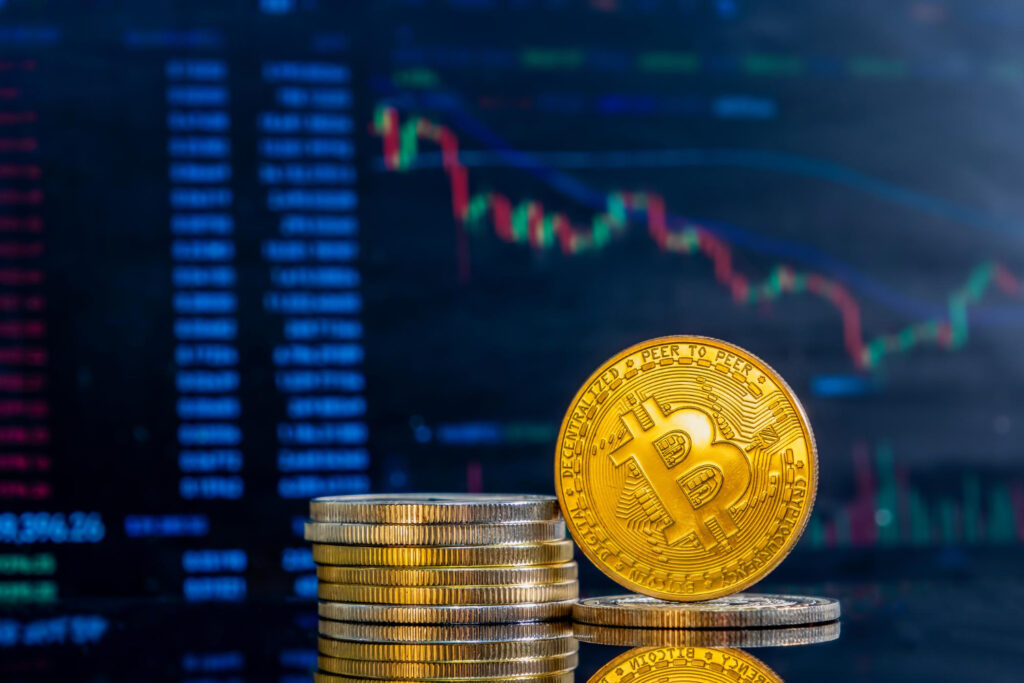
Throughout February, there had been an unprecedented increase in interest concerning the term “bitcoin zero” on Google, which peaked at the time that the price of Bitcoin had approached $60,000 as it fell over 50% from its all-time high reached in October. As prices decline, oftentimes there will be an increase in fear. When fear increases, people begin to question whether the asset will potentially go to zero, which would be reflected in an increase in search trends. Similar price drop patterns occurred in Russia in 2017 & 2018 and were marked by a corresponding increase in local-level U.S. search activity. When these spikes were matched with U.S. dollar-approximated levels (U.S.$1,200 per mt), there were subsequent increases in both value and volume of U.S.-traded water, indicating potential reversals. On the other hand, however, at 4/24/21 14:40 ET, nobody can properly determine if prices will be moving down or back up, given there is already a known history between the two countries. Global Data Tells a Different Story While throughout the world this situation is being viewed differently than in the United States, searches for that term peaked globally in August and have steadily declined since then, with global interest this month significantly below the August peak level. These results indicate that the level of panic in the United States concerning this situation appears to be greater than the panic that is being expressed globally. This discrepancy may be explained by multiple possibilities. Recent US-centric news such as trade tensions, Iran-related issues and weak domestic stock markets might be having a direct impact on the American investor base. On the other hand, Asian and European markets appear to be responding relatively calmly to the decline in Bitcoin’s value as a result of the lack of association between these financial headlines with anything covered by either Asian or European media. Why Search Data Isn’t Perfect It is also important to understand how Google Trends works. The platform does not show the exact number of searches. Instead, it uses a scale from 0 to 100, where 100 represents the highest level of interest during a selected time period. Additionally, it is essential that you understand how Google Trends works. Although the platform does not show you the number of searches that are being conducted, it does use a scale of 0-100 (where 100 is the highest amount of interest during your selected time frame) in order to give you an idea of how much interest there is in a topic or term over a certain period of time. A year ago the number of users of Bitcoin was significantly less than today. Therefore, a search of 100 today does not correlate with the number of users at that time. It only shows the current volume of searches is higher than recent activity in general. Investors feel more fearful today than ever (specifically in the U.S.). While spikes in searches can indicate the end of a market cycle, they aren’t an absolute predictor of price reversals.
US Tariff Dispute Deepens After Supreme Court Ruling, EU and India Seek Clarity
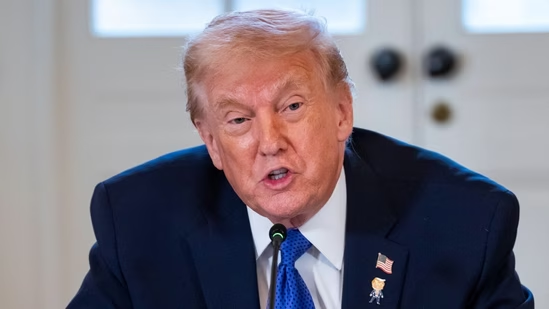
In the United States, there has been an ongoing controversy since the Supreme Court invalidated President Donald Trump’s procedure for implementing several types of tariffs. The Supreme Court, by a 6 to 3 ruling, ruled that Trump cannot claim the International Emergency Economic Powers Act as the basis for imposing “reciprocal” tariffs on a number of countries. The tariffs Trump imposed ranged between 10% and 50%. Having been a little while since the ruling had taken place, Donald Trump reacted very strongly to it, calling it “un-American” and promising that his administration would impose import duties at a statutory maximum rate of 15%. He also instituted a 10% global tariff on all imported goods. He also criticised some members of the court and said he was unhappy with their ruling. Europe and Australia React The European Union voiced deep concerns. According to Bernd Lange (Chairman of the European Parliament’s Trade Committee), he was going to recommend otherwise and suspend the process for approving the Turnberry Agreement. The EU stated that the current situation is “pure chaos”. They urged the US to follow the terms of the 2018 trade agreement with Europe, reminding the US that in their view “a deal is a deal”. There has been a reaction from the country of Australia regarding the newly introduced 15% tariff on imported goods. According to an official statement from the Government of Australia, there are a number of options available under the law that may be applied to benefit and safeguard their economy. With the continuing trade tensions between the countries involved, US Trade Representative Jamieson Greer stated that to date, no individual countries have terminated their trade agreements with the United States. What It Means for India The developments being closely monitored by India will determine whether or not the proposed reciprocal tariff of 18% that would apply to Indian goods will still be in effect following the Supreme Court ruling. Instead of remaining at 25%, the previous tariff rate may also be decreased to 15%. According to India’s ministry of commerce. They are assessing the circumstances and their potential impact on the two countries’ bilateral relationship. As stated earlier, the US and India have expressed a continued commitment to negotiate a mutually agreeable interim trade agreement, taking into account changes in the law that recently occurred in both countries.