
Smart Homes, Smarter Investments: How IoT is Revolutionizing Real Estate

The real estate industry, long defined by bricks, mortar, and location, is undergoing a seismic shift. No longer is the appeal of a property solely determined by square footage or neighborhood prestige. Today, technology-driven innovation is redefining what makes a home valuable, with Internet of Things (IoT) devices leading the charge. From intelligent thermostats to smart security systems, IoT is not just enhancing the way we live, it’s transforming real estate investment strategies, property valuations, and the very definition of a desirable home. Understanding Smart Homes and Internet of Things (IoT) in Real Estate A “smart home” is more than just a sleek, tech-filled dwelling; it’s a connected ecosystem that allows homeowners to monitor, control, and automate aspects of their living environment. IoT devices, sensors, cameras, smart appliances, and voice assistants, communicate with each other and the homeowner through the internet, enabling real-time monitoring and control. In real estate, this means a home is no longer just a static asset; it’s an adaptable, data-rich environment. From energy consumption patterns to security metrics, IoT generates insights that influence property management, tenant satisfaction, and investment returns. The Rise of Smart Homes: Market Trends and Consumer Demand The adoption of smart home technology has skyrocketed in the last decade. According to Statista, global smart home device revenue is expected to reach over $150 billion by 2025, driven by increasing consumer demand for convenience, security, and energy efficiency. Millennials and Gen Z, who now dominate the homebuying market, are particularly drawn to technology-integrated properties. For them, smart homes represent lifestyle flexibility, sustainability, and long-term cost savings. Meanwhile, investors recognize that smart homes attract higher rents, faster sales, and stronger resale value. This dual appeal, consumer convenience and investment potential, is fueling a new era in real estate where IoT is not just an amenity but a strategic asset. Internet of Things (IoT) Features That Increase Property Value Several IoT innovations directly influence property attractiveness and market value: 1. Energy Efficiency and Smart Utilities Smart thermostats, automated lighting, and energy-monitoring systems allow homeowners to optimize energy usage. Reduced utility costs are a strong selling point for buyers and renters alike. Moreover, energy-efficient homes often qualify for government incentives, increasing their financial appeal. 2. Enhanced Security and Safety Smart locks, surveillance cameras, motion sensors, and AI-powered security systems offer peace of mind while lowering insurance premiums. Security-conscious buyers are willing to pay a premium for homes with integrated, reliable systems. 3. Home Automation and Convenience From smart refrigerators and washing machines to voice-activated assistants controlling lighting and entertainment, automation enhances lifestyle convenience. The “wow factor” of seamless, interconnected devices often translates to higher property valuation. 4. Remote Monitoring and Maintenance IoT sensors can detect water leaks, HVAC malfunctions, and other maintenance issues before they become major problems. This proactive monitoring increases a home’s longevity and reduces unexpected expenses, making the property more attractive to both buyers and investors. Investing in Smart Homes: Opportunities and Strategies Investors are increasingly viewing IoT integration as a critical factor in property evaluation. Smart homes command higher rents, sell faster, and generally appreciate faster than traditional homes. Here’s how IoT is shaping investment strategy: 1. Premium Rentals for Tech-Savvy Tenants Properties with integrated smart home systems appeal to younger, tech-savvy tenants willing to pay more for convenience and security. Landlords who invest in IoT upgrades often see immediate ROI through higher rental yields. 2. Reduced Operational Costs Smart sensors and automation reduce utility bills and maintenance costs. Investors who incorporate these systems into their properties can pass on some savings to tenants while maintaining profitability. 3. Differentiation in Competitive Markets In saturated urban markets, Internet of Things (IoT) integration serves as a differentiator. A property equipped with smart features stands out on listing platforms, attracting higher-quality tenants or buyers. 4. Data-Driven Property Management IoT devices generate vast amounts of data on usage patterns, security alerts, and energy efficiency. Investors can leverage this data for predictive maintenance, market analysis, and strategic upgrades, maximizing returns over time. Challenges in Smart Home Investment While Internet of Things (IoT) presents enormous opportunities, investors should be aware of challenges: Investors who carefully evaluate these risks and adopt scalable, future-proof solutions will benefit from the long-term value of smart home investments. The Future of IoT in Real Estate The integration of Internet of Things (IoT) into real estate is still in its early stages, but the trajectory is clear: smart homes will become the standard, not the exception. Future developments include: For real estate investors, early adoption and integration of these technologies will be a competitive advantage, influencing long-term profitability and market positioning. Conclusion: The Investment Imperative The advent of Internet of Things (IoT) has shifted the real estate landscape from a traditional, location-centric model to a technology-driven, data-rich ecosystem. Smart homes are no longer just a luxury, they are a strategic investment that offers higher yields, faster sales, and enhanced tenant satisfaction. Investors who embrace IoT-enabled properties today position themselves at the forefront of a market transformation, combining lifestyle innovation with financial foresight. In a world where connectivity and convenience define value, the homes of tomorrow are not just built, they are engineered for intelligence, efficiency, and growth. As technology continues to evolve, one truth remains clear: smart homes are smarter investments, and the properties that adapt to this connected future will set the standard for real estate success in the years to come. For more insights, follow The Business Tycoon
Warren Buffett’s $31 Billion Japan Gamble: How Berkshire Hathaway’s Long-Term Bet on Trading Giants is Paying Off
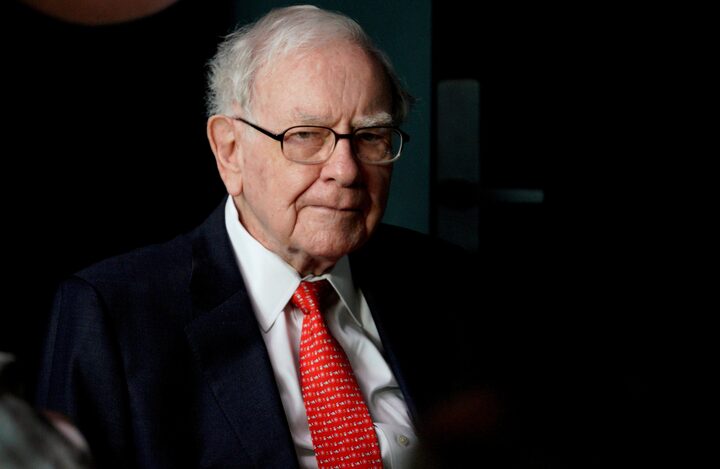
Warren Buffett’s Berkshire Hathaway continues to reshape global investment dynamics by increasing its stakes in Japan’s powerhouse trading companies. The conglomerate now owns more than 10% in Mitsubishi and Mitsui, two of Japan’s largest sogo shosha, or general trading houses. Recent filings from Mitsubishi Corp. revealed that Berkshire boosted its stake to 10.23% from 9.74%, while Mitsui & Co. confirmed similar increases. These moves propelled Berkshire into the position of Mitsui’s largest shareholder. Buffett’s Japanese exposure now exceeds $31 billion in market value, a staggering 392% jump from the $6.3 billion initial investment made in 2020. From Modest Start to Market Domination Berkshire began investing in these five firms — Itochu, Marubeni, Mitsubishi, Mitsui, and Sumitomo — in 2019, gradually building stakes of about 5% in each. The companies operate across diverse industries, ranging from energy, commodities, and logistics to finance and consumer goods. Originally, Buffett agreed to keep ownership below 10% without board approval. However, as disclosed in his February 2025 annual letter, the trading houses later “moderately relaxed” this ceiling, allowing Berkshire’s holdings to cross the 10% threshold. Each firm consented to this move as a mark of trust and in recognition of Berkshire’s “steady hand and patient capital.” Remarkable Gains from an Undervalued Opportunity Buffett’s strategy was rooted in his signature value-investing philosophy. He was drawn to these companies for their reliable management, diverse operations, and low valuations during 2020, a time when Japanese shares were still considered underpriced. Since then, shares in the five trading houses have rocketed between 227% and 551%, contributing nearly $10 billion in profits to Berkshire Hathaway. Analysts credit these gains to both Buffett’s buying momentum and the firms’ strong focus on corporate reform, improved governance, and shareholder-friendly policies such as dividend hikes and share repurchases. The result? Japan’s trading houses have significantly outpaced the Tokyo Stock Exchange’s TOPIX index, becoming symbols of Japan’s corporate renaissance under Buffett’s global spotlight. Strategic Financial Engineering: Warren Buffett’s Yen Advantage Perhaps one of Buffett’s most sophisticated plays has been leveraging yen-denominated debt to finance these acquisitions. The move allows Berkshire to benefit from Japan’s prolonged period of ultra-low interest rates while generating substantial dividend income. According to estimates, Berkshire earns around $812 million annually in dividends from these holdings while paying only $135 million in interest expenses, creating an efficient arbitrage between cheap borrowing and robust income streams. Additionally, favorable yen-to-dollar exchange rates have added billions in after-tax currency gains, cementing the deal’s profitability. This financial strategy demonstrates how disciplined capital structuring can amplify long-term equity performance — a hallmark of Buffett’s mastery of conservative borrowing to fund high-quality assets. Japan’s Governance and Buffett’s Endorsement Buffett’s devotion to Japan is also tied to the country’s evolving corporate culture. Over the last decade, Japanese regulators and companies alike have embraced pro-investor reforms, improving transparency, dividend policies, and capital efficiency. These advancements made Japan fertile ground for Berkshire’s methodical approach. The five sogo shosha — essentially Japanese equivalents of Berkshire itself — provide essential services in global trade, resource distribution, and industrial supply chains. Their diversified models shield them from commodity volatility, offering the resilience Buffett values most. Market experts believe Berkshire’s involvement has elevated confidence among global institutional investors. As noted by SBI Securities analyst Ryunosuke Shibata, Buffett’s continuous buying acts as a “tailwind for all trading house stocks,” encouraging further international capital inflows into Japan. A “Forever” Investment True to his long-term ethos, Buffett has reiterated that his stake in Japan represents a decades-long, potentially permanent commitment. In his 2025 annual letter, he stated: “We won’t give a thought to selling those shares in the next 50 years or forever.” Berkshire Vice Chairman Greg Abel echoed his optimism, highlighting that Berkshire could expand collaboration with these companies across energy, infrastructure, and logistic ventures. Buffett’s move to allocate billions overseas also underlines a strategic diversification away from U.S.-centric equity exposure, especially as American valuations reach record highs. What Buffett’s Japan Play Signifies for Global Investors Berkshire Hathaway’s bold expansion demonstrates that value-oriented opportunities still exist beyond the U.S. financial markets. Japan’s maturing governance landscape, coupled with consistent dividend yields and moderate valuations, offers a powerful case for global investors seeking sustainable long-term growth. For Buffett, this strategy is not a speculative gamble but a precise alignment with his investing mantra: acquiring strong, well-managed businesses at fair prices and holding them indefinitely. Conclusion Warren Buffett’s $31 billion foray into Japan stands as one of the most successful international bets in Berkshire Hathaway’s storied history. What began as a low-profile diversification move in 2020 has evolved into a defining symbol of Japan’s corporate evolution and Buffett’s timeless investment acumen. By crossing the 10% ownership threshold and optimizing financing through yen-denominated bonds, Berkshire has blended value, vision, and patience into one of the 21st century’s most profitable global investment strategies. For more insights, follow The Business Tycoon
Nothing’s $200M Funding Fuels Breakthrough in Nothing AI-native device

London-based consumer technology brand Nothing has set the stage for the next chapter in smart devices by securing $200 million in Series C funding. This milestone boosts the company’s valuation to $1.3 billion and signals an ambitious pivot toward AI-native devices and latform. With CEO Carl Pei at the helm, Nothing aims to engineer a future where device intelligence is deeply personalized, intuitive, and seamlessly integrated into daily life. The announcement has drawn global attention, particularly as India emerges as a stronghold of Nothing’s rapid growth and market presence. Series C Funding: A Game-Changer Nothing’s latest funding round marks one of the largest investments in consumer tech for 2025, attracting heavyweights such as Nikhil Kamath, co-founder of Zerodha. Kamath’s backing reinforces the brand’s design-centric philosophy and underlines India’s growing influence in global tech investments. The $200 million capital injection will accelerate Nothing’s push into artificial intelligence, product innovation, and global expansion efforts. Vision for AI-Native Devices Carl Pei announced that Nothing’s first “AI-native devices” are scheduled for launch in 2026. Unlike traditional smartphones, these new products will serve as intelligent companions, designed to anticipate and act on users’ needs in real time. Pei hints at pioneering devices that blend hardware and software—creating hyper-personalized user experiences with “a billion different operating systems for a billion different people.” The London-based startup envisions hardware that works in tandem with adaptive, AI-driven software, reshaping how users interact with their devices. Pei stated, “For AI to reach its full potential, consumer hardware must reinvent itself alongside it”—a philosophy that places personalization and ambient intelligence at the core. Not Just Another Smartphone While Nothing’s Ear and Phone product lines have built recognition for their transparent casings and striking glyph lighting systems, the upcoming AI-native device promises to break away from smartphone conventions. Pei clarified that although smartphones will remain widespread for years, Nothing’s new device “will be just as important,” appearing as an ambient, always-available companion—possibly a wearable, smart pin, or innovative form factor yet to be revealed. Speculation abounds regarding the nature of this device. Industry experts suggest it could be a new kind of personal assistant: a device that provides intelligence “at the moment of need,” replacing screen-centric interactions with proactive, context-aware responses. AI-Native Platform: Essential and Playground Nothing’s journey toward an AI-native operating system began with the launch of its “Essential” AI platform. This ecosystem allows users to instantly create personalized applications using natural language and share them via Playground—a community hub for AI-generated and user-created apps. Essential empowers anyone to design task-specific apps, such as converting receipts to expense reports or creating mood trackers linked to playlists—an approach that challenges legacy software makers by centering openness, innovation, and hyper-personalization. Nothing’s Essential Apps and Playground represent an early step toward Pei’s “billion OS” vision: every device runs a version of the operating system uniquely tailored for its user. These hyper-personalized AI tools lay the groundwork for a future where devices anticipate and fulfill individual preferences. Design as Competitive Advantage Kamath’s investment in Nothing is rooted in the conviction that design is more than aesthetics—it is a strategic moat in consumer tech. Kamath stated that a product must be “recognizable from 10 feet away or in 6 seconds,” highlighting Nothing’s edge in the “affordable premium” segment. The company’s transparent hardware, signature visual cues, and emotionally resonant branding have set it apart in a commoditized market where most competitors rely solely on technical specifications and pricing. This design-forward strategy generates instant recognition among consumers and cements Nothing’s identity as a trendsetting innovator. India: Fastest-Growing Market Nothing’s impact is especially notable in India, where it has achieved remarkable market penetration. According to Counterpoint Research, Nothing recorded an astonishing 577% year-over-year growth, maintaining its status as India’s fastest-scaling smartphone brand for six consecutive quarters through Q2 2025. The company surpassed $1 billion in cumulative sales after shipping millions of devices worldwide. Nothing’s rapid Indian expansion includes 300 service centers and a retail network that doubled its offline presence from 2,000 to 5,000 outlets across the country. India has become a launchpad for Nothing’s innovations, and its growing influence signals global ambitions. The Road Ahead: AI, Hardware, and Beyond Looking forward, Nothing plans to introduce AI-native devices in 2026 that transcend the smartphone paradigm. The company is exploring concepts ranging from smart glasses and wearable pins to humanoid robots and electric vehicles—all built on the principles of hyper-personalized operating systems powered by AI. Carl Pei’s vision is clear: the age of one-size-fits-all tech experiences is ending. In soon-to-be-launched devices, intelligence will be present, ambient, and tailored. This ambitious roadmap places Nothing at the forefront of the AI revolution in consumer electronics. For more insights, follow The Business Tycoon
Google My Business in 2025: Advanced Tactics to Own Your Local Market

In today’s hyper-digital world, visibility is everything. Whether you run a coffee shop, a fitness studio, or a consultancy, your ability to attract and convert local customers often depends on how easily they can find you online. And when it comes to local search, Google My Business (GMB), now part of Google Business Profile (GBP), remains the undisputed king. But here’s the thing: what worked in 2020 or 2022 won’t cut it in 2025. Google has refined its algorithms, introduced new features, and doubled down on AI-driven personalization. To truly own your local market, you’ll need to go beyond the basics and implement advanced GMB strategies. This guide will walk you through what Google My Business looks like in 2025, why it’s more powerful than ever, and the advanced tactics you can use to dominate local search. Why Google My Business Still Matters in 2025 Some business owners think social media has replaced Google My Business. In reality, GMB is stronger than ever because local intent searches are booming. When someone searches “best Italian restaurant near me” or “plumber open now”, GMB determines whether your business shows up, or your competitor does. What’s New with Google My Business in 2025 Google has transformed GMB into a dynamic business hub powered by AI, personalization, and deeper integrations. Here are the major updates shaping strategies this year: Advanced Tactics to Own Your Local Market in 2025 Now that you understand the landscape, let’s dive into actionable tactics that set you apart. 1. Optimize for AI-Powered Search Intent In 2025, Google cares less about keywords and more about context + personalization. 2. Leverage Google Posts Strategically Google Posts aren’t just updates; they’re mini-conversion tools. Pro Tip: Use AI tools to draft engaging posts, then humanize them for local flair. 3. Maximize Reviews and Reputation Management Reviews remain the lifeblood of local SEO, but in 2025, it’s not just about quantity. Advanced Move: Encourage customers to leave keyword-rich reviews (e.g., “The best gluten-free pizza in downtown Boston”). 4. Own the Q&A Section The Q&A section is often overlooked, but it’s a goldmine for SEO. 5. Embrace Voice Search Optimization With Google Assistant dominating, your GMB strategy must be voice-friendly. 6. Add High-Impact Visuals and Video In 2025, GMB is more visual than ever. Businesses with rich media outperform others. 7. Integrate Booking, Chat, and Payments Convenience is king. GMB now supports end-to-end transactions. 8. Use Local Service Ads for Market Domination Local Service Ads (LSAs) appear above organic search results. In 2025, verified businesses with strong GMB profiles dominate these slots. 9. Optimize for AR and Maps Integration With AR navigation embedded in Google Maps, your Google My Business presence must shine: 10. Analyze Insights and Data Regularly Data is your secret weapon. GMB Insights in 2025 are more detailed than ever: Case Studies: Winning with GMB in 2025 A Local Gym in Austin By optimizing for voice queries like “yoga classes near me open tonight”, the gym increased bookings by 35% in six months. A Family-Owned Restaurant in London Through shoppable posts and user-generated photo reviews, the restaurant climbed into Google’s Top 3 Map Pack and doubled foot traffic. A Law Firm in Toronto By owning their Q&A section and publishing weekly posts on legal FAQs, the firm built authority and gained 40% more client inquiries. The Mindset to Own Your Local Market Success in 2025 isn’t about tricking algorithms, it’s about being visible, trustworthy, and convenient. Think of GMB as your digital storefront: Conclusion: Your 2025 Local SEO Advantage Google My Business in 2025 is far more than a directory listing; it’s a strategic marketing platform. By embracing advanced tactics like voice optimization, AR integration, and utility-driven posts, you can build a local presence that outshines competitors. Owning your local market isn’t about being the biggest; it’s about being the most visible, credible, and customer-friendly in the eyes of Google and your community. The businesses that master these advanced GMB strategies today will be the local leaders of tomorrow. For more insights, follow The Business Tycoon
Gold Soars Above $4,000 an Ounce as Global Uncertainty Boosts Safe-Haven Demand
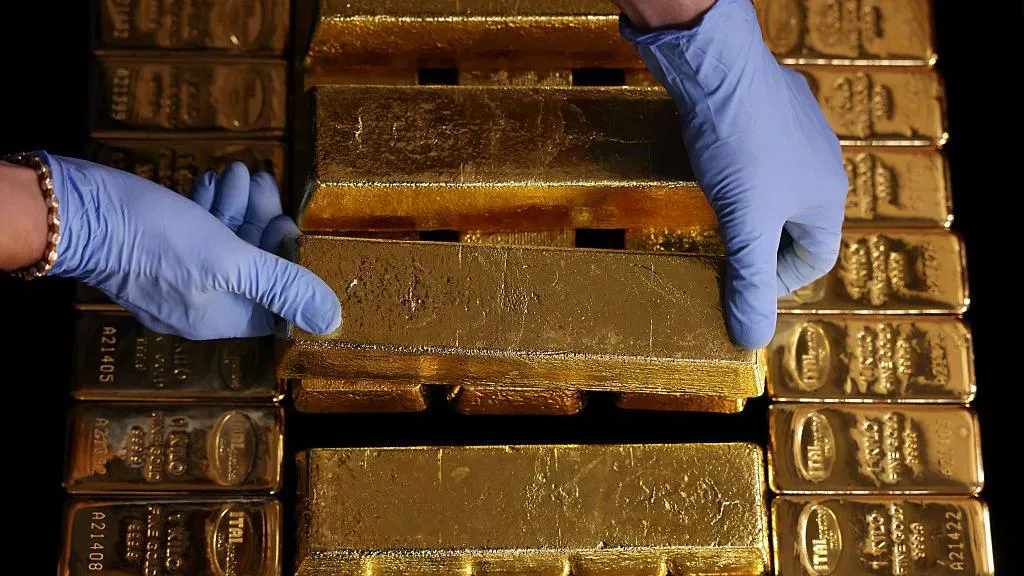
Gold has surged to unprecedented levels, breaking through the $4000 per ounce barrier for the first time in history. This remarkable rally reflects heightened investor caution amid broad concerns over global economic instability, political turmoil, and a weakening US dollar. With gold’s value rising by more than a third since April, the precious metal has quickly become a focal point for investors seeking security in volatile markets. Why Gold Prices Are Skyrocketing The current gold bull run is fueled by a complex mix of market and geopolitical factors. The announcement of new US tariffs by President Donald Trump earlier this year sent shockwaves through international trade, prompting investors to flee riskier assets. Additional anxiety has been stoked by a protracted US government shutdown, now entering its second week, which has delayed the release of crucial economic indicators and undermined confidence in policymaking. Historically, gold thrives in environments marked by uncertainty and unrest. Often hailed as a “safe haven,” gold tends to retain or increase its value when global equities and currencies stumble. As fears of a deeper downturn intensify, gold’s allure as a store of value has only grown stronger, making it the asset of choice for investors worldwide. A Look Back: Comparing Past Gold Rallies Analysts note that this is gold’s most significant rally since the 1970s. Traders remember that during previous US government shutdowns, like the month-long standoff in Trump’s first term, gold saw a rapid 4% uptick. Christopher Wong, a strategist at OCBC Bank in Singapore, highlights how political gridlock has consistently provided “tailwinds” for gold prices, and warns that even a swift resolution to the current shutdown could trigger a short-term drop in value. Nonetheless, investor appetite for hedging risk remains robust. Central Banks and Retail Investors Drive Demand While geopolitical turbulence is a major contributor, central banks have also played a pivotal role in fueling the contemporary gold rush. Since 2022, central banks across the world—including those of Poland, Turkey, India, Azerbaijan, and China—have collectively purchased over 1,000 tonnes of gold annually. This marks a stark increase from the yearly average of 481 tonnes accumulated between 2010 and 2021, reflecting a strategic pivot from US treasuries and dollar-denominated assets. Retail investors are also seizing on gold’s momentum. Many, wary of escalating risks in stock markets crowded by overvalued tech firms, have turned to exchange-traded funds (ETFs) backed by gold, which have attracted a record $64 billion in flows this year alone. Storage providers like Silver Bullion report doubling customer numbers, with a mix of banks, individual investors, and wealthy families seeking secure vaults for their precious metal holdings. Impact of US Dollar Weakness and AI Tech Warnings One reason for gold’s relentless ascent is the US dollar’s persistent decline, making commodities like gold cheaper and more attractive for foreign buyers. Coupled with this trend, there has been unease in equity markets, particularly as the Bank of England (BoE) recently warned that valuations of some top artificial intelligence tech companies appear “stretched.” The BoE cautioned of the possibility of a sharp market correction, defined as a 10% or greater fall in leading stock indexes. What Could Halt the Gold Rally? Despite gold’s dazzling performance, experts agree it is not immune to volatility. A sudden resolution of the US shutdown, surprising rate hikes by the Federal Reserve, or abating geopolitical risks could quickly sap gold’s momentum. Notably, in 2022, gold’s price plunged from $2,000 to $1,600 per ounce after aggressive interest rate hikes by the US central bank to tackle inflation post-pandemic. Greg Gregersen of Silver Bullion observes that while gold prices may eventually pull back, the “current economic environment points to an ongoing upward trend” that could last several years. OCBC’s Wong and UOB’s Heng Koon How add that even though a surge in global inflation or unexpected central bank actions could spark reversals, the broader demand—and gold’s unique status as a crisis hedge—remains as strong as ever. Outlook: Gold’s Role as a Safe-Haven Asset in 2025 With President Trump intensifying his criticism of the Federal Reserve and pressuring for quicker rate cuts, some investors are nervous about central bank independence and the credibility of global monetary policy. The Bank of England’s warning about market concentration in AI-focused tech companies only adds to the uncertainty. These overlapping risk factors support the view that gold will remain highly sought-after as a defense against unpredictable financial conditions for the foreseeable future. Conclusion Gold’s meteoric rise above $4000 per ounce in 2025 underscores its enduring appeal in times of turmoil. As economic and political uncertainties mount worldwide, gold’s resilience and stature as a safe haven continue to attract both institutional and retail investors. While the potential for sharp corrections remains, the strength of gold’s rally is a powerful indicator of broader anxieties—and the enduring need for financial security in today’s turbulent climate. For more insights, follow The Business Tycoon
NFTs 2.0: The Evolution of Digital Ownership and What’s Coming Next
When Non-Fungible Tokens (NFTs) burst into mainstream headlines in 2021, they redefined how people thought about art, collectibles, and digital ownership. From million-dollar JPEGs to virtual sneakers, NFTs became a cultural phenomenon, sparking both hype and criticism. Fast forward to 2025, and the conversation has shifted. The frenzy of speculative buying has cooled, and the NFT space is evolving into something more sustainable, practical, and sophisticated. Enter NFTs 2.0, the next phase of digital ownership, utility, and innovation. In this article, we’ll explore what Non-Fungible Tokens (NFTs) are, how they’ve evolved into NFTs 2.0, why they matter in today’s digital economy, and what’s on the horizon. What Are Non-Fungible Tokens (NFTs)? A Quick Refresher An NFT is a unique digital asset stored on a blockchain that represents ownership of something, be it art, music, video clips, game items, or even real-world assets. Unlike cryptocurrencies like Bitcoin, which are fungible (one BTC is equal to another), NFTs are non-fungible; each token is one of a kind. Key Features of Non-Fungible Tokens (NFTs): NFTs 1.0: The First Wave (2020–2022) The first boom of Non-Fungible Tokens (NFTs) was fueled by: However, this era also had challenges: Enter NFTs 2.0: Beyond Speculation NFTs 2.0 represent a shift from novelty to necessity. The focus has moved from hype-driven collectibles to utility, interoperability, and integration into everyday digital life. Key Characteristics of NFTs 2.0 Real-World Applications of NFTs 2.0 NFTs are no longer confined to art galleries or meme culture. Their scope has expanded dramatically. 1. Gaming and the Metaverse 2. Music and Entertainment 3. Fashion and Luxury Goods 4. Real Estate and Property 5. Identity and Credentials 6. Philanthropy and Social Impact Why NFTs 2.0 Matter NFTs 2.0 are significant because they extend far beyond collectibles: Challenges Ahead While NFTs 2.0 show promise, hurdles remain: The Future of Non-Fungible Tokens (NFTs): What’s Coming Next So where are NFTs headed in 2025 and beyond? 1. Mass Adoption Through Web3 NFTs will become integral to digital identity and ownership in Web3. From logging into platforms with NFT-based IDs to using NFTs as loyalty cards, they’ll be embedded into everyday online life. 2. Integration with AI AI-generated content (music, art, writing) can be tokenized as NFTs, with ownership rights encoded directly into the asset. Dynamic NFTs may use AI to evolve intelligently based on real-world events. 3. Tokenized Everything Expect Non-Fungible Tokens (NFTs) to expand to: 4. NFT-Backed Loans and Finance Just as homes and cars serve as collateral today, NFTs could be collateral in decentralized lending systems. 5. Hyper-Personalized Experiences Brands will offer personalized NFTs, dynamic, evolving assets tailored to customer preferences. How Beginners Can Get Started with NFTs 2.0 If you’re intrigued by NFTs but feel overwhelmed, here’s a roadmap: Conclusion: The Dawn of NFTs 2.0 Non-Fungible Tokens (NFTs) have come a long way since their early days of hype and speculation. The rise of NFTs 2.0 signals a maturing ecosystem focused on utility, interoperability, and long-term value. They are no longer just about flashy profile pictures or million-dollar artworks. Instead, NFTs are becoming tools for digital ownership, identity, commerce, and creativity. In 2025 and beyond, expect them to be embedded in everything from how we shop to how we work, invest, and play. For beginners, the key is to approach NFTs with curiosity and caution, understand their utility, explore responsibly, and watch how this next wave unfolds. Because NFTs 2.0 aren’t just the future of digital ownership, they’re shaping the future of our digital lives. For more insights, follow The Business Tycoon
Blockchains for Beginners: What It Is, Why It Matters, and How It’s Evolving
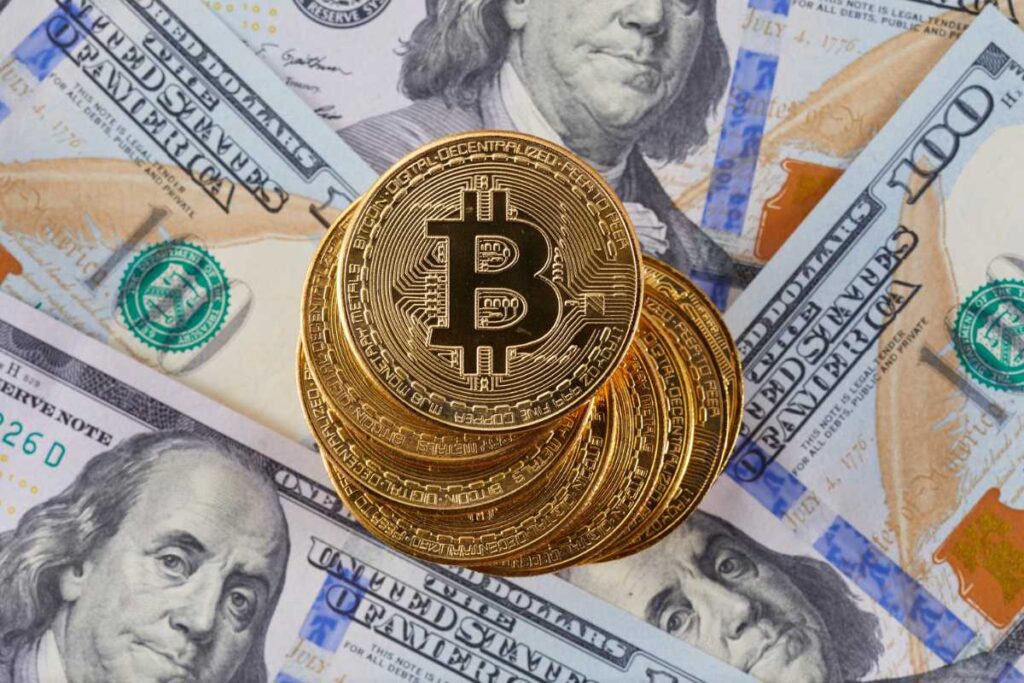
In the last decade, few technologies have generated as much excitement, skepticism, and transformation as blockchain. Originally introduced as the backbone of Bitcoin in 2009, blockchain has since grown far beyond its cryptocurrency roots. It now underpins a wide variety of applications in finance, healthcare, supply chains, art, entertainment, and even government services. If you’re new to blockchain, the terminology and hype can feel overwhelming. But at its core, blockchain is a simple, elegant idea with the potential to reshape how we trust, transact, and share information in the digital age. This guide will break down what blockchains is, why it matters, and how it’s evolving in 2025, giving you a beginner-friendly yet comprehensive overview. What Is Blockchain? At its simplest, a blockchain is a digital ledger of transactions that is: Think of it as a shared Google spreadsheet that’s open to everyone, constantly updated, and verified by many people instead of one central administrator. Key Features of Blockchain Why Does Blockchain Matter? Blockchain is often described as a “trust machine” because it eliminates the need for intermediaries. Instead of relying on banks, brokers, or government entities, blockchain allows strangers to interact securely and transparently. Here are the major reasons why blockchain matters today: 1. Trust Without Intermediaries Traditionally, we depend on third parties, like banks, auditors, or notaries, to ensure trust in financial or legal transactions. Blockchain allows peer-to-peer trust, reducing costs and inefficiencies. 2. Security and Transparency Transactions on blockchain are nearly tamper-proof. Once a block is added, it cannot be modified without altering the entire chain, a near-impossible task on large networks. 3. Financial Inclusion Blockchain enables access to financial services for the unbanked population worldwide, simply through a smartphone and an internet connection. 4. Global Transactions Cross-border payments that once took days and hefty fees can now be executed in minutes at lower costs. 5. New Business Models From decentralized finance (DeFi) to NFTs (non-fungible tokens), blockchain creates new ways to exchange value, monetize creativity, and design business ecosystems. Core Applications of Blockchain While blockchain began with cryptocurrency, its applications now extend far beyond digital money. 1. Finance and Banking 2. Supply Chain Management Blockchain improves traceability. From verifying whether diamonds are conflict-free to ensuring food safety, blockchain allows every step to be tracked. Companies like Walmart and Maersk use blockchain to enhance supply chain transparency. 3. Healthcare Patient records can be stored securely on blockchain, ensuring privacy while enabling interoperability between hospitals and clinics. It can also help track drug authenticity and prevent counterfeits. 4. Government and Public Services 5. Art, Entertainment, and NFTs NFTs have given artists new ways to monetize digital creations. A blockchain record verifies ownership and authenticity, preventing duplication or piracy. 6. Energy and Sustainability Blockchain enables peer-to-peer energy trading (e.g., selling excess solar power directly to neighbors) and helps track carbon credits for sustainability initiatives. Blockchain Basics Every Beginner Should Know To understand blockchain, you’ll need a grasp of a few key concepts: The Evolution of Blockchain: Past, Present, and Future Blockchain has gone through several phases of development: Phase 1: Bitcoin and Digital Money (2009–2013) The invention of Bitcoin introduced blockchain to the world as a decentralized peer-to-peer payment system. Phase 2: Ethereum and Smart Contracts (2014–2017) Ethereum expanded blockchain’s use cases with programmable smart contracts, enabling decentralized applications (dApps). Phase 3: ICOs and the First Wave of Hype (2017–2018) Initial Coin Offerings (ICOs) became a popular way to raise funds, but many turned out to be scams, sparking regulation. Phase 4: DeFi, NFTs, and Enterprise Adoption (2019–2022) DeFi protocols allowed people to borrow, lend, and earn yields without banks. NFTs revolutionized digital ownership, while companies began exploring blockchain use cases. Phase 5: Web3 and Global Integration (2023–Present) By 2025, blockchain will be part of the Web3 movement, where users control their data and digital identities. Tokenization of assets, real estate, stocks, and even music rights is gaining traction. What’s Next? (2025 and Beyond) Challenges Facing Blockchain Despite its potential, blockchain is not without hurdles: Why Beginners Should Pay Attention in 2025 You don’t have to be a tech expert to see why blockchain matters. As industries adopt blockchain, everyday interactions, from how we pay, vote, or prove ownership, will involve this technology. For beginners, 2025 is the perfect time to learn because: Practical Steps for Beginners to Get Started Conclusion: Blockchain’s Role in Shaping the Future Blockchain is more than a buzzword; it’s a technological shift toward trust, decentralization, and empowerment. From democratizing finance to revolutionizing supply chains, it has already shown transformative potential. For beginners, the blockchain journey can seem complex, but understanding its basics reveals why it’s one of the most important technologies of our time. As it continues to evolve in 2025 and beyond, those who embrace and learn it today will be better prepared to navigate and even shape the digital future. For more insights, follow The Business Tycoon
Crypto Confidence: A Beginner’s Guide to Investing in 2025
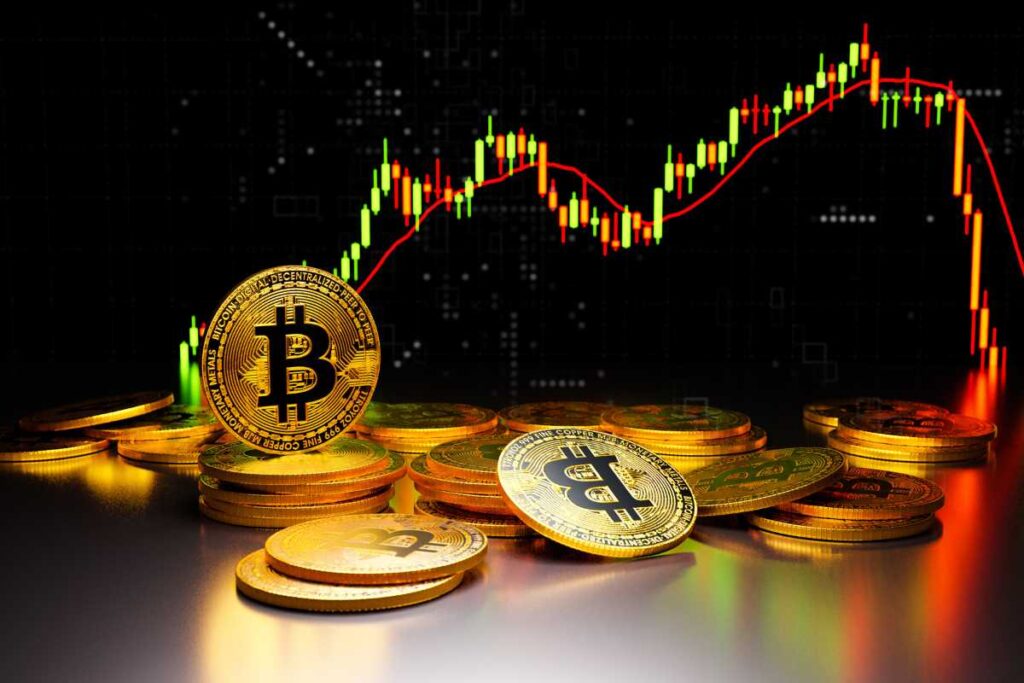
The cryptocurrency market has come a long way from its early days of speculation and skepticism. Once seen as a niche for tech enthusiasts, it has now matured into a mainstream asset class with adoption from retail investors, financial institutions, and even governments. As we step into 2025, cryptocurrencies are no longer just about Bitcoin or Ethereum; they represent a diverse and evolving financial ecosystem. If you’re a beginner looking to build confidence and start investing in crypto this year, here’s a practical guide to help you navigate the landscape with clarity and caution. Why Crypto Still Matters in 2025 The world of digital assets has become deeply integrated into global finance. Central banks are exploring Central Bank Digital Currencies (CBDCs), companies are adding crypto to their balance sheets, and blockchain is powering everything from supply chains to healthcare data. Crypto matters today because it provides: Step 1: Understand the Basics Before investing, it’s essential to grasp the fundamentals: Step 2: Define Your Goals Ask yourself: Why am I investing in crypto? Your goals will shape your strategy, risk tolerance, and choice of assets. Step 3: Choose a Safe Platform With scams and hacks still present in 2025, security should be your first priority. Remember: Not your keys, not your coins. Step 4: Diversify Your Portfolio Don’t put all your money into one coin. A smart beginner’s portfolio might include: Diversification reduces risk and helps balance volatility. Step 5: Start Small and Scale Gradually Crypto is volatile; prices can swing 20% in a day. Start with a small amount you’re comfortable losing. Use Dollar-Cost Averaging (DCA) to invest fixed sums regularly rather than trying to “time the market.” Step 6: Stay Informed but Avoid Noise In 2025, crypto information is everywhere: news portals, Twitter (X), Reddit, and YouTube influencers. While staying updated is important, avoid making emotional decisions based on hype. Step 7: Manage Risks What’s New in Crypto Investing in 2025? The Mindset of a Confident Crypto Investor Investing in crypto requires more than knowledge; it requires a mindset. Final Thoughts Crypto investing in 2025 is no longer just about chasing quick gains; it’s about participating in a financial revolution. As a beginner, the key is to educate yourself, start small, diversify, and stay disciplined. Confidence doesn’t come from luck; it comes from knowledge, preparation, and experience. And with the right approach, 2025 can be the year you build a strong foundation in the world of crypto.
Shah Rukh Khan Joins Billionaire Club in 2025, Surpassing Global Icons on Hurun Rich List
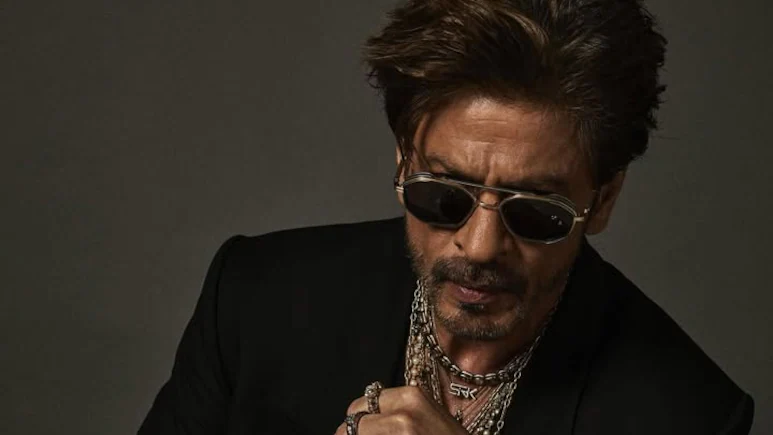
Bollywood legend Shah Rukh Khan has officially joined the billionaire league in 2025, according to the latest Hurun India Rich List. With a staggering net worth of ₹12,490 crore (approximately $1.4 billion), the actor emerges as the wealthiest Bollywood star and one of the richest entertainers globally. This milestone marks a new pinnacle in King Khan’s illustrious career spanning over three decades, crowning him not only as a cinematic icon but also a business powerhouse. Wealth Surges Past Major Global Celebrities In the Hurun Rich List published in 2025, Shah Rukh Khan’s fortune soared from $870 million in previous years to $1.4 billion, putting him ahead of internationally renowned celebrities such as Taylor Swift, Selena Gomez, Arnold Schwarzenegger, and Jerry Seinfeld. For instance, Taylor Swift, celebrated for her Eras Tour, has an estimated net worth of $1.3 billion, making SRK richer by comparison. This shows the immense scale and diversification of SRK’s earnings beyond his film career. Business Ventures Behind Shah Rukh Khan’s Billionaire Status Shah Rukh Khan’s wealth accumulation is not limited to acting. He co-owns the successful production house Red Chillies Entertainment, which has produced numerous blockbuster films and invested heavily in visual effects and digital ventures since its inception in 2002. Additionally, he is a co-owner of the Indian Premier League (IPL) cricket team Kolkata Knight Riders, a venture that significantly boosts his business portfolio. Recent Career Highlights and Accolades 2023 and 2024 have been landmark years for Shah Rukh Khan personally and professionally. His movie Jawan became one of Bollywood’s highest-grossing films, collecting Rs 1000 crore domestically. Additionally, he won his first National Award for Best Actor for his performance in Jawan, elevating his stature in the Indian film industry. Notably, some big names like Salman Khan, Akshay Kumar, Aamir Khan, Ranbir Kapoor, Deepika Padukone, and Alia Bhatt were absent from this wealthy elite list in 2025. Shah Rukh Khan’s Social Media and Popularity Beyond his professional and business achievements, Shah Rukh Khan maintains a massive fan following, with 43.9 million followers on X (formerly Twitter) and 48.6 million on Instagram. His immense popularity makes him one of the most influential public figures in India and globally, frequently referred to as “Brand SRK” in media circles. The Billionaire Journey: A New Chapter for Bollywood’s Badshah This billionaire achievement crowns Shah Rukh Khan’s transformation from a celebrated actor to a multifaceted entrepreneur, solidifying his legacy in Indian cinema and business. His story inspires many aspiring artists and entrepreneurs in India and beyond. As the richest celebrity in India in 2025, SRK continues to expand his empire while captivating millions worldwide with his talent and charisma. Surpassing International Celebrities with a $1.4 Billion Net Worth Shah Rukh Khan’s $1.4 billion net worth places him ahead of notable global figures in entertainment and business. Among the internationally famous stars he surpasses are: This remarkable wealth accumulation establishes Shah Rukh Khan as not only a Bollywood titan but also a leading global celebrity in terms of net worth. Bollywood’s Richest: The Top Five in 2025 Following Shah Rukh Khan, the Hurun India Rich List 2025 reveals other top Bollywood earners: Rank Celebrity Net Worth (₹ Crore) Notable Ventures 1 Shah Rukh Khan 12,490 Red Chillies Entertainment, KKR IPL 2 Juhi Chawla & Family 7,790 Night Riders IPL, Family Business 3 Hrithik Roshan 2,160 HRX Fitness & Lifestyle Brand 4 Karan Johar & Family 1,880 Dharma Productions, Dharmatic Entertainment 5 Bachchan Family 1,630 Combined wealth of Amitabh, Jaya, Abhishek, Aishwarya Rai Juhi Chawla, Shah Rukh’s longtime friend and business associate, ranks as India’s richest actress, followed by Hrithik Roshan, Karan Johar, and the iconic Bachchan family. Shah Rukh Khan’s Continued Success and Cultural Impact Besides financial prowess, Shah Rukh Khan earned the Best Actor National Award in 2025 for his role in Jawan, a blockbuster that also crossed ₹1,000 crore at the domestic box office. His immense social media presence with millions of followers across platforms like Instagram and X further cements his status as a global cultural icon and brand ambassador. Shah Rukh Khan’s entry into the billionaire league not only celebrates his extraordinary career but also exemplifies how Indian cinema and its stars are now commanding significant global financial and cultural influence. For more insights, follow The Business Tycoon
Warren Buffett’s Berkshire Hathaway Acquires Occidental’s OxyChem for $9.7 Billion in Largest Deal Since 2022
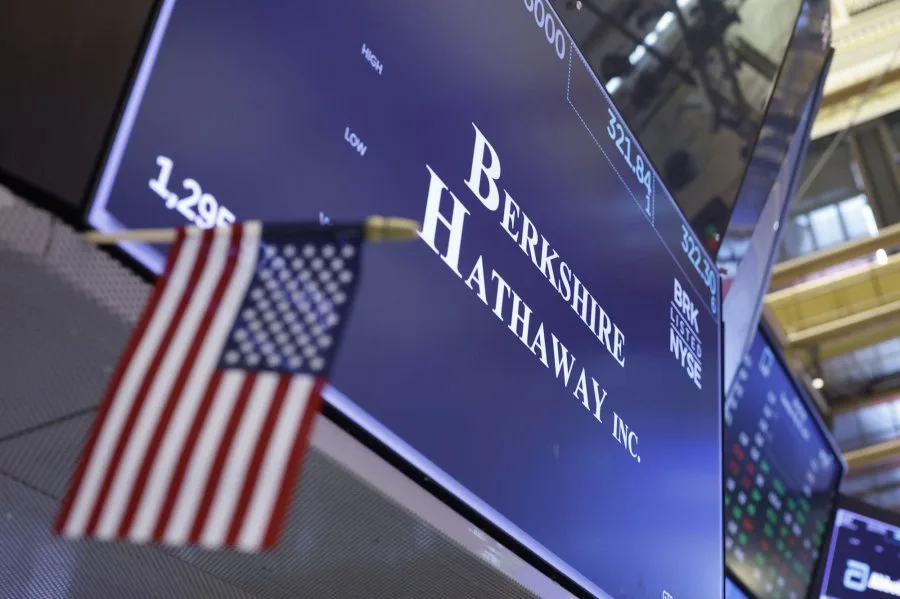
Warren Buffett’s Berkshire Hathaway has finalized a $9.7 billion all-cash deal to acquire OxyChem, the chemical division of Occidental Petroleum, marking Buffett’s largest acquisition since 2022. This major transaction likely represents one of Buffett’s final significant deals before his planned retirement as Berkshire CEO at the end of 2025. Berkshire already holds approximately 28% of Occidental’s shares and significant preferred stock, giving it a strong financial position to complete this acquisition. The deal is expected to close in the fourth quarter of 2025, subject to regulatory approvals. Strategic Expansion in Chemicals and Asset Portfolio OxyChem is recognized for producing key industrial chemicals such as chlorine for water treatment, vinyl chloride used in plastics manufacturing, and calcium chloride for road de-icing. Operating 21 facilities across the U.S., with additional plants in Canada and Chile, OxyChem supplies chemicals critical to pharmaceuticals, healthcare, construction, and commercial sectors. This acquisition expands Berkshire Hathaway’s footprint in the chemicals industry, complementing its existing subsidiary Lubrizol, acquired for $9 billion in 2011. The deal will allow OxyChem to continue operating as a standalone subsidiary under Berkshire’s stewardship, maintaining its strong management team and operational expertise. Fueling Occidental’s Debt Reduction Strategy For Occidental Petroleum, the divestiture of OxyChem is a pivotal step toward reducing its substantial debt, which grew to over $23 billion following its $55 billion Anadarko Petroleum acquisition in 2019 and the $12 billion purchase of CrownRock in 2024. Occidental plans to use approximately $6.5 billion of the sale proceeds to cut its principal debt below $15 billion, enabling the company to restart share buybacks and improve investor confidence. CEO Vicki Hollub emphasized that this transaction will accelerate the company’s ongoing financial transformation and repositioning to focus more on upstream oil and gas operations. Leadership Transition and Long-Term Outlook This transaction marks a significant moment as Warren Buffett prepares to pass Berkshire Hathaway’s CEO role to Vice Chairman Greg Abel, effective January 2026. Abel expressed confidence in the robustness of OxyChem’s business assets and workforce, anticipating continued growth and operational success under Berkshire Hathaway’s ownership. Although Buffett will retire as CEO, he will remain Berkshire’s chairman and continue to influence the use of the conglomerate’s sizable cash reserves, which have reached an all-time high of over $344 billion. Conclusion: A Defining Deal for Berkshire and Occidental Berkshire Hathaway’s acquisition of Occidental’s OxyChem business for $9.7 billion serves as both a strategic chemical industry expansion for Berkshire and a critical debt relief milestone for Occidental. This well-capitalized and timely transaction will have a lasting impact on both companies’ financial stability and strategic focus, while marking a defining chapter in Warren Buffett’s legendary investment career as his tenure as CEO comes to a close. For more insights, follow The Business Tycoon