
Classrooms in the Cloud: The Future of Learning in a Borderless World

The traditional classroom, a room with desks, chairs, and a chalkboard, has undergone a dramatic transformation. The rise of the digital era, combined with global disruptions like the COVID-19 pandemic, has accelerated a shift toward online and hybrid learning models, creating what many are calling “cloud classrooms or classrooms in the cloud.” This shift is not just about technology. It represents a fundamental reimagining of education, a world where learning transcends geographical boundaries, democratizes access to knowledge, and adapts to the needs of each learner. With cloud-based platforms, virtual collaboration tools, AI-powered personalization, and immersive experiences, education is becoming borderless, flexible, and deeply interconnected. The Evolution of Learning Learning has always evolved alongside society and technology: The pandemic accelerated the adoption of cloud-based learning, demonstrating that quality education can happen anywhere, anytime. What Makes Cloud Classrooms Unique Cloud classrooms leverage the power of the internet, AI, and data analytics to offer a learning experience that is: These features create learning experiences that are dynamic, engaging, and truly global. Driving Forces Behind the Cloud Classroom Revolution 1. Technological Advancements 2. Global Demand for Education With over 1.5 billion learners worldwide, cloud classrooms enable institutions to reach students regardless of location, infrastructure, or local resources. 3. Changing Workforce Needs Employers increasingly seek skills over degrees. Online and cloud-based platforms provide access to short courses, certifications, and professional upskilling programs that align directly with industry needs. 4. Inclusivity and Accessibility Cloud classrooms remove barriers for differently-abled learners, rural students, and those balancing work and study, making education more equitable and inclusive. Personalized Learning: AI at the Core AI is the backbone of cloud-based education: By moving away from “one-size-fits-all” teaching, AI ensures that each learner progresses at their own pace, maximizing both comprehension and retention. Global Case Studies in Cloud Learning United States India China Europe These examples demonstrate that cloud classrooms are not bound by geography; they are reshaping education globally. The Social and Collaborative Impact Cloud classrooms also redefine social learning: This transforms learning from a solitary pursuit to a globally connected experience, preparing students for an increasingly interconnected world. Challenges and Considerations While the potential is immense, cloud classrooms face challenges: Addressing these challenges is essential for cloud classrooms to realize their full potential. The Future: Borderless, Lifelong Learning The next decade promises innovations that will further reshape education: Cloud classrooms are moving toward a model where learning is lifelong, flexible, and globally accessible, breaking the limitations of traditional education systems. Conclusion: Education Without Borders The classroom of the future is not a room; it is the cloud. By harnessing technology, AI, and global connectivity, educators can deliver learning experiences that are personalized, immersive, and inclusive. Students no longer need to relocate, adhere to rigid schedules, or limit themselves to local curricula. “Classrooms in the cloud” are more than a trend; they are a paradigm shift, democratizing access to education, empowering learners, and creating a borderless world of knowledge. In this new era, the only limit is imagination. Education is no longer bound by walls, borders, or schedules. With cloud-powered learning, the world itself has become the classroom. For more insights, subscribe The Business Tycoon
The TikTok Effect: How Social Commerce is Rewriting Retail

The retail landscape is changing faster than ever. Brick-and-mortar stores are no longer the sole battleground for brands, and traditional e-commerce is no longer the only digital channel. The newest disruptor? Social commerce, a seamless fusion of social media and online shopping that is rewriting how consumers discover, evaluate, and purchase products. Leading the charge is TikTok, the short-form video platform that has evolved into a powerhouse of influence, engagement, and direct sales. The so-called “TikTok Effect” has changed everything from marketing strategies to inventory planning, giving rise to a new era where virality translates directly into revenue. What is Social Commerce? Social commerce refers to selling products directly through social media platforms. Unlike traditional e-commerce, which relies on search and navigation, social commerce leverages content, engagement, and community-driven discovery. Key features include: TikTok, Instagram, and Pinterest have embraced social commerce, but TikTok’s algorithm and viral culture have made it the most potent platform for conversion and discovery. The TikTok Effect: Changing Retail Dynamics TikTok’s rise is rewriting retail in several profound ways: 1. Virality Drives Sales Unlike traditional e-commerce, TikTok thrives on algorithmic discovery rather than follower count. A single viral video can generate tens of thousands of sales overnight, creating “micro-viral” products that become trends. Example: A skincare product can go from niche to global overnight after being featured in a 30-second TikTok tutorial. 2. Authenticity Over Advertising TikTok users respond to authentic, relatable content rather than polished advertising. Brands that embrace transparency and creativity see higher engagement and conversion rates. 3. The Rise of “TikTok Made Me Buy It” Culture The platform’s hashtag #TikTokMadeMeBuyIt has millions of views, highlighting the direct influence of viral content on purchasing behavior. This cultural phenomenon turns recommendations into instant commercial impact. 4. Short-Form Video as the New Catalog TikTok has replaced traditional product catalogs with short, engaging videos. Consumers no longer scroll through endless images; they watch content that entertains and informs simultaneously, making discovery more immersive and interactive. Social Commerce Across Industries TikTok’s social commerce impact spans multiple sectors: Fashion & Beauty Food & Beverage Home & Lifestyle Tech & Electronics Why TikTok Excels at Social Commerce Several factors make TikTok uniquely powerful in this domain: The Economic Impact of Social Commerce Social commerce is more than a marketing trend; it’s a massive economic force: For investors, social commerce represents a high-growth segment of e-commerce, with enormous potential across regions and industries. Challenges and Considerations for Brands While social commerce offers huge opportunities, brands must navigate several challenges: Strategies for Winning in Social Commerce Brands that succeed in social commerce typically adopt these strategies: The Future of Social Commerce The TikTok Effect is just the beginning. Future trends likely include: As technology and user behavior evolve, social commerce will redefine the rules of retail, making content, community, and immediacy the new currency. Conclusion: The New Era of Retail The TikTok Effect demonstrates that retail is no longer about stores or websites, it’s about content, connection, and conversion. Social commerce allows brands to tap into culture, leverage virality, and create an immersive, engaging shopping experience that traditional channels cannot match. For businesses, the lesson is clear: adapt or risk being left behind. The future of retail belongs to those who can harness the power of social platforms, embrace authenticity, and turn engagement into sales. In a world where a 15-second video can generate millions in revenue, the TikTok Effect is proving that the line between social media and commerce is not just blurred, it’s gone. For more insights, subscribe The Business Tycoon
Michael Burry Closes Scion Fund, Eyes Next Investment Move

Legendary investor Michael Burry, acclaimed for predicting the 2008 financial crisis and immortalized in “The Big Short,” has officially shuttered his hedge fund, Scion Asset Management. This move ends a notable chapter in value investing, sparking speculation across financial circles about the motivations behind his decision and what lies ahead. Scion Asset Management: An Era Ends Regulatory filings as of November 2025 confirm Scion’s deregistration with the U.S. Securities and Exchange Commission, ending its status as a registered investment adviser. At its peak, the fund managed about $154 million in assets, and Burry’s social media revealed his intention to liquidate holdings and return investor capital before year’s end. The decision was communicated through a heartfelt letter, reflecting both gratitude and apology, and acknowledging that his “estimation of value in securities is not now, and has not been for some time, in sync with the markets”. Disillusionment with Market Valuations Burry’s exit is rooted in growing skepticism about current market dynamics, particularly within the technology and artificial intelligence sectors. He has frequently voiced concerns about inflated valuations, accusing major tech giants of accounting practices that obscure the true profitability of their AI investments. Burry describes today’s market as an “illusion of endless growth,” warning that speculative enthusiasm has overtaken economic fundamentals. Dramatic Moves Against AI Giants Coinciding with Scion’s closure, Burry disclosed bearish positions against leading AI stocks, notably Nvidia and Palantir. This contrarian play underscores his conviction that the sector is in the midst of a speculative bubble, with hype driving valuations far above intrinsic worth. The closure of Scion, therefore, is less about withdrawal than a principled stand—an assertion that disciplined value investing is incompatible with today’s overconfident, bubble-prone market. Echoes of 2008: Historical Parallels This latest move from Burry bears a striking resemblance to his 2008 exit, when he closed Scion Capital after profiting from his infamous bet against the housing market. He invested heavily in credit default swaps—a bold wager that paid off as the subprime mortgage crisis unfolded. His reputation as a financial contrarian was solidified, and his actions again seem to reflect cautious conviction before a possible inflection point in financial markets. Investor Reaction and Wider Market Sentiment Wall Street has taken note, viewing Burry’s fund closure as a possible early warning of increased market volatility. Some analysts argue that Burry’s disenchantment signals underlying risks and a possible correction, especially in segments fueled by rampant speculation. While some believe his withdrawal is temporary, others see it as a barometer of deeper structural changes ahead. What’s Next for Michael Burry? Although Burry hasn’t issued a formal public statement about his future, his social media hints at “much better things” beyond Scion. Speculation suggests he may explore private investments, less regulated ventures, or alternative asset strategies. Despite stepping away from fund management, Burry’s contrarian instincts and commitment to principle remain, ensuring his next chapter will be closely watched by investors and analysts alike. Legacy of Integrity Burry’s move reflects a steadfast devotion to value-based investing, even when it means stepping away from markets that no longer align with his philosophy. His decision to return capital and advocate caution underscores his reputation as a principled contrarian—someone willing to act against prevailing sentiment when warranted by market conditions. Conclusion Michael Burry’s closure of Scion Asset Management is both an end and a potential new beginning. Driven by disappointment in speculative market dynamics, his exit signals a call for renewed discipline and integrity in investing. As he hints at entering a new chapter, market watchers and fellow investors will be paying close attention, seeking insights from one of finance’s most unconventional minds. For more insights, subscribe The Business Tycoon
Beyond Amazon: The Rise of Niche E-commerce Giants
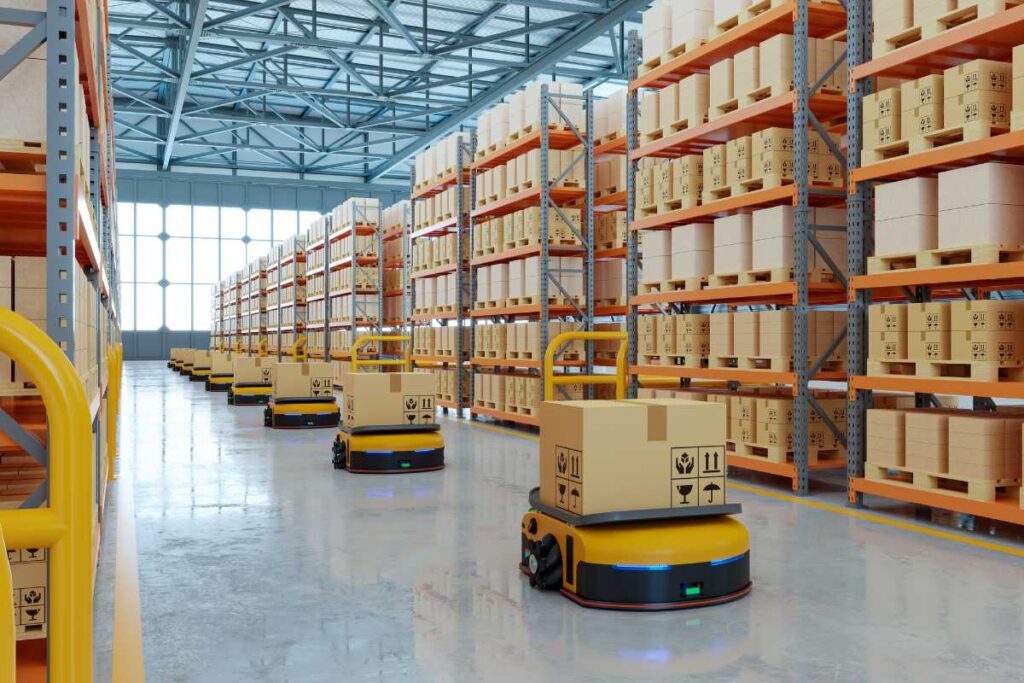
For more than two decades, Amazon has reigned supreme in e-commerce, becoming synonymous with online shopping. Its scale, logistics network, and customer-first philosophy have set standards that many competitors struggle to match. Yet, beneath the shadow of this retail titan, a new wave of niche e-commerce giants is emerging, companies that thrive not by competing head-on with Amazon, but by carving out specialized markets, cultivating communities, and offering unique value propositions. These players, ranging from fashion marketplaces to eco-friendly brands, are rewriting the rules of online retail. Instead of being “everything stores,” they’re becoming “something stores,” excelling in focus, storytelling, and customer intimacy. This article explores how niche e-commerce giants are rising, why they’re resonating with consumers, and what their ascent means for the future of digital commerce. Amazon’s Dominance and Its Limits Amazon’s dominance is undeniable: Yet Amazon’s model, offering millions of products, fast delivery, and low prices, has limitations: These gaps create space for niche players who prioritize curation, storytelling, and personalization over scale. The Rise of Niche E-commerce Giants Unlike generalist marketplaces, niche e-commerce companies succeed by targeting specific audiences, lifestyles, or values. They often emphasize community, sustainability, exclusivity, or expertise. Let’s explore some leading examples. 1. Shopify-Powered Brands: Building Direct-to-Consumer Giants Shopify has enabled a wave of D2C brands that scale globally without relying on Amazon. Companies like Allbirds (eco-friendly footwear) and Gymshark (athletic apparel) focus on strong brand identity, sustainability, and community engagement. These brands demonstrate how niche players can use storytelling and values to compete against Amazon’s transactional approach. 2. Etsy: The Marketplace for Handmade and Vintage Etsy has become the global hub for artisans, crafters, and vintage sellers. Unlike Amazon’s mass-market focus, Etsy thrives on uniqueness. Its appeal lies in authenticity and the ability to support small businesses directly. This sense of community and individuality is difficult for Amazon to replicate. 3. Chewy: The Pet Industry Powerhouse Chewy has grown into a billion-dollar giant by specializing in pet supplies. Its strength lies in customer service and personalization. Chewy famously sends handwritten cards and even flowers when customers lose pets, fostering deep loyalty. While Amazon sells pet products, Chewy wins by understanding that pet ownership is emotional, not just transactional. 4. Wayfair: The Home Goods Specialist Wayfair dominates the online furniture and home décor space. With a vast catalog, augmented reality shopping tools, and tailored recommendations, Wayfair offers an experience Amazon struggles to match in bulky, high-consideration purchases. Its focus on customer experience in a specific vertical allows it to stand out, even against Amazon’s logistics edge. 5. Thrive Market: Organic and Ethical Shopping Thrive Market caters to health-conscious and eco-minded consumers. Its membership-based model offers affordable organic, non-GMO, and eco-friendly products. By aligning with sustainability and transparency, it resonates with millennials and Gen Z shoppers who value purpose-driven brands. Why Consumers Love Niche E-commerce Giants The rise of these specialized platforms reflects changing consumer behavior. Modern shoppers are looking for more than convenience: 1. Identity and Belonging People increasingly see purchases as extensions of their identity. Buying from Allbirds or Patagonia signals values like sustainability, not just fashion choices. 2. Curated Experiences Instead of being overwhelmed by millions of listings, consumers prefer curated collections tailored to their needs. Niche players excel at curation and storytelling, turning shopping into discovery. 3. Community and Engagement Niche platforms often build communities through social media, loyalty programs, or customer stories. Etsy sellers, Gymshark athletes, and Chewy pet parents feel part of something larger than a transaction. 4. Transparency and Purpose Modern consumers, especially younger generations, demand transparency around sourcing, labor practices, and sustainability. Niche brands lean into these values, winning loyalty that Amazon struggles to cultivate. Challenges Facing Niche E-commerce Giants While their growth is impressive, niche giants face hurdles: The Role of Technology in Empowering Niche Players Niche e-commerce giants are not just about products; they’re about technology-driven differentiation. These innovations help niche giants build experiences that go beyond Amazon’s transactional approach. The Future: Will Niche E-commerce Outgrow Amazon? Amazon is unlikely to lose its crown anytime soon; it remains the default platform for convenience, price, and scale. But niche giants don’t need to “beat” Amazon; they thrive by playing a different game. What the future might look like: The rise of niche e-commerce doesn’t signal Amazon’s decline, it signals the diversification of digital commerce, where no single company owns the entire experience. Lessons for Entrepreneurs and Businesses The success of niche e-commerce giants offers valuable takeaways: Conclusion: A New Chapter in E-commerce Amazon may still dominate the e-commerce landscape, but the rise of niche e-commerce giants signals a paradigm shift. Consumers are no longer satisfied with convenience alone; they want experiences, values, and identities reflected in their purchases. The future of e-commerce isn’t about a single titan ruling all; it’s about a rich ecosystem where specialized giants coexist alongside Amazon. From Etsy’s handmade treasures to Chewy’s heartfelt customer care, these niche players remind us that shopping is more than a transaction; it’s an expression of who we are. As the digital marketplace continues to evolve, one thing is clear: the age of “one-size-fits-all retail” is giving way to the era of curated, community-driven commerce. And in that world, niche e-commerce giants are not just surviving, they’re thriving. For more insights, subscribe The Business Tycoon
Foxconn Teases Major OpenAI Partnership, AI Servers Surpass iPhones as Revenue Driver
Foxconn, a global leader in electronics manufacturing, is undergoing a significant transformation as artificial intelligence becomes its primary growth engine, signaling a dynamic shift from traditional consumer electronics toward AI infrastructure and deep tech collaborations. During its recent third-quarter earnings call, Foxconn, also known as Hon Hai Technology Group, announced it would unveil details of a partnership with OpenAI at its upcoming tech day in Taipei, setting industry expectations for a groundbreaking reveal between two technology giants. The news comes on the heels of Foxconn’s robust financial results, with a notable year-over-year profit increase driven largely by surging demand for AI servers. This move positions Foxconn at the center of the global AI revolution and introduces a new growth narrative for the company. Earnings Reveal AI as New Growth Engine Foxconn reported stellar third-quarter earnings: net profit rose 17% year-over-year to NT$57.67 billion (about $1.89 billion), with revenue up 11% to NT$2.06 trillion. Chairman Young Liu attributed this success especially to the company’s cloud and networking division, which now includes AI server manufacturing. Notably, this segment has outperformed the consumer electronics unit, including iPhone assembly, for two consecutive quarters. This shift marks a decisive reclassification for Foxconn, aligning its name not just with electronics assembly, but with high-value AI infrastructure and supply chain leadership. AI Servers Overtake iPhones as Revenue Leader For the second straight quarter, Foxconn’s AI server sales outpaced its signature iPhone assembly business, a milestone that represents a dramatic pivot from the company’s 2021 profile, when consumer electronics accounted for over half its revenue. With this transition, Foxconn reduces dependence on the volatile smartphone market and leverages the stability and growth of AI-driven infrastructure. Foxconn and OpenAI: Anticipated Collaboration The market is eagerly anticipating Foxconn’s announcement of its partnership with OpenAI, the company famously behind ChatGPT. Although details remain under wraps until the forthcoming tech day, industry analysts speculate that the collaboration will focus on AI hardware, advanced model integration, and potentially smart manufacturing solutions. Strategic Implications and Sector Impact Foxconn’s proactive pivot is a transformational move for the tech sector, attracting capital from investors interested in AI stocks and future-ready portfolios. The manufacturer’s diversification strategy expands its coverage from consumer devices into data center, networking, and cloud hardware for major AI platforms, reducing its exposure to smartphone market volatility. Forward-Looking Statements and Risks While Foxconn’s leadership expresses high optimism about the AI market through 2026, they emphasize a cautious monitoring of geopolitical pressures and currency risks, particularly as global supply chains realign. The company’s expansion into the United States and other global markets also serves to hedge against external shocks. Conclusion: Foxconn’s AI-Fueled Future Foxconn’s current trajectory marks it as a major infrastructure node for the next generation of computing, transitioning from pure contract manufacturing to strategic partnerships that will shape the future of AI. The upcoming tech day and partnership reveal with OpenAI will likely determine the scope and scale of Foxconn’s influence in the rapidly growing AI sector.
Telehealth 2.0: Can Virtual Care Outlive the Pandemic Boom?

When the COVID-19 pandemic swept across the globe, healthcare systems faced an unprecedented challenge: how to deliver care without physical contact. Out of necessity, telehealth, once a niche solution, became a central pillar of healthcare delivery almost overnight. From primary care check-ins to mental health counseling, virtual visits surged, transforming patient and provider expectations. But now, as the world adapts to a post-pandemic reality, a pressing question arises: Can telehealth outlive the pandemic boom, or will it fade back into obscurity? This article explores the rise of telehealth, the opportunities it brings, the challenges it faces, and whether its second chapter, Telehealth 2.0, will redefine the future of medicine. The Pandemic Boom: A Healthcare Revolution Before 2020, telehealth adoption was slow. Barriers included reimbursement restrictions, limited infrastructure, and cultural resistance from both patients and physicians. That changed dramatically during the pandemic: For many patients, the experience was eye-opening. Instead of commuting, waiting in crowded lobbies, or taking time off work, care was just a video call away. Telehealth wasn’t just convenient; it was often the only option. Defining Telehealth 2.0 As the urgency of the pandemic recedes, telehealth faces a crossroads. Telehealth 2.0 is not just about video calls; it’s about integrating virtual care into mainstream healthcare systems with better technology, broader access, and more sustainable business models. Key features of Telehealth 2.0 include: The Benefits: Why Telehealth is Here to Stay 1. Convenience and Accessibility: Telehealth makes healthcare more patient-centered. It removes barriers like transportation, mobility issues, or long wait times, enabling patients to access care from anywhere. 2. Expanded Access for Rural and Underserved Populations: For communities with limited healthcare infrastructure, telehealth connects patients with specialists they might otherwise never see. In countries with physician shortages, this is a game-changer. 3. Cost Efficiency: Telehealth reduces costs for both providers and patients. Hospitals save on overhead and reduce no-show rates, while patients save on travel expenses and lost work time. 4. Chronic Disease Management: With remote monitoring tools, doctors can track patient vitals (like blood pressure, glucose, or oxygen levels) in real time, catching problems earlier and improving outcomes. 5. Mental Health Services: Telehealth has been transformative for behavioral health. Stigma, transportation, and scheduling often prevent people from seeking therapy; virtual sessions remove many of these obstacles. 6. Scalable Public Health Response: During pandemics or emergencies, telehealth provides scalable solutions for triage, monitoring, and patient education without overwhelming hospitals. The Challenges: What Could Hold Telehealth Back 1. Regulatory Uncertainty: During COVID-19, governments loosened restrictions around telehealth. But as emergency measures expire, reimbursement policies and cross-state licensure rules remain unclear. Without supportive regulation, adoption could stall. 2. Digital Divide: Access to telehealth requires internet connectivity, devices, and digital literacy. Rural areas and low-income households risk being left behind, exacerbating health disparities. 3. Quality of Care Concerns: Not all conditions can be treated virtually. Physical exams, lab tests, and imaging still require in-person visits. Over-reliance on telehealth could risk misdiagnosis or fragmented care. 4. Data Security and Privacy: Telehealth platforms must handle sensitive patient information securely. Data breaches or poorly designed systems could erode trust. 5. Provider Burnout: While telehealth offers flexibility, it can also blur boundaries between work and personal life for providers. Increased demand and always-on availability can contribute to burnout. 6. Skepticism from Traditionalists: Some physicians and patients remain skeptical, preferring face-to-face interactions. Changing entrenched attitudes is a cultural challenge. The Business of Telehealth: Investors, Startups, and Big Tech The pandemic triggered a surge in investment in telehealth startups. Companies like Teladoc Health, Amwell, and MDLIVE saw exponential growth. Even tech giants, Amazon, Google, Apple, entered the space, recognizing the massive market potential. Yet, the boom has also led to market corrections. Some companies overestimated demand, facing declining revenues as in-person visits resumed. The challenge for Telehealth 2.0 is moving beyond pandemic-driven hype to sustainable business models focused on long-term value. Telehealth Specialties: Where It Works Best Not all healthcare services are equally suited for telehealth. Some specialties have embraced virtual care more effectively than others. However, fields requiring hands-on procedures, like surgery, dentistry, or complex diagnostics, will always rely heavily on in-person care. Global Perspectives: Telehealth Beyond Borders Telehealth isn’t just a Western phenomenon. Across the globe, countries are experimenting with digital health models tailored to local needs: These examples highlight telehealth’s potential to democratize healthcare access, especially in regions facing acute shortages of medical professionals. The Hybrid Future: Blending Physical and Virtual Care The most promising model for Telehealth 2.0 is hybrid care. Instead of replacing in-person visits, telehealth complements them. For example: This integrated approach ensures convenience without compromising quality. It also provides a scalable framework for healthcare systems, balancing efficiency with effectiveness. The Role of Artificial Intelligence and Emerging Tech AI and digital tools will be central to Telehealth 2.0. Key innovations include: These technologies move telehealth beyond reactive care into proactive, personalized medicine. The Patient Perspective: Trust and Adoption Patients are central to telehealth’s success. Surveys show most people who tried virtual care during the pandemic were satisfied. Key factors driving adoption include: However, patients also want reassurance about privacy, continuity of care, and the option for in-person visits when necessary. Telehealth 2.0: What Needs to Happen Next For telehealth to thrive beyond the pandemic, stakeholders must address key gaps: Will Telehealth Outlive the Boom? The answer lies somewhere between optimism and realism. Telehealth is unlikely to return to its pre-pandemic obscurity. Too many patients and providers now see its value. Yet, it will not entirely replace in-person care either. Instead, the future is hybrid, with telehealth as a permanent, essential component of healthcare delivery. If Telehealth 1.0 was about survival during a crisis, Telehealth 2.0 is about building resilience, equity, and sustainability into healthcare systems worldwide. Conclusion: From Boom to Balance The pandemic was a catalyst, forcing rapid adoption of telehealth. Now, the challenge is turning that momentum into long-term transformation. Telehealth 2.0 represents more than a digital tool; it’s an opportunity to reimagine healthcare delivery around accessibility, convenience, and innovation.
From DNA to Data: The Personalized Medicine Revolution

Medicine has always been about treating populations. For decades, doctors relied on standardized guidelines and generalized treatments, hoping that the same drug or procedure would work for most patients. But the 21st century is ushering in a radical transformation. The rise of personalized medicine, a medical approach tailored to an individual’s unique genetic makeup, lifestyle, and environment, is redefining healthcare as we know it. Powered by genomic data, artificial intelligence, and big data analytics, personalized medicine promises more effective treatments, fewer side effects, and improved patient outcomes. From cancer therapy to rare genetic disorders, this revolution is bridging the gap between DNA and data, enabling precision care at an unprecedented scale. The Birth of Personalized Medicine Personalized medicine, also called precision medicine, is not an entirely new concept. Hippocrates, the father of medicine, famously said, “It is more important to know what sort of person has a disease than to know what sort of disease a person has.” Today, technology allows us to act on that principle like never before. Key Drivers: Together, these tools are enabling a shift from reactive medicine to proactive, tailored healthcare. How Personalized Medicine Works Personalized medicine combines genetics, biomarkers, lifestyle factors, and environmental data to create targeted treatments. The process typically involves: This approach can reduce trial-and-error treatments, minimize adverse effects, and improve overall outcomes. Transforming Cancer Treatment Cancer care is one of the most visible success stories of personalized medicine. Traditionally, oncologists relied on broad chemotherapy regimens. Today, treatment is increasingly mutation-specific: These innovations have dramatically improved survival rates and quality of life for many patients. Rare and Genetic Diseases: A New Hope For patients with rare genetic disorders, personalized medicine offers previously unimaginable solutions: Rare disease patients often face years of misdiagnosis. Personalized medicine shortens that journey and delivers precise interventions quickly. Beyond Medicine: Lifestyle and Prevention Personalized medicine is not limited to treating illness; it’s reshaping preventive healthcare: By aligning lifestyle choices with genetic insights, personalized medicine empowers individuals to take control of their health. The Role of Technology in the Revolution 1. Artificial Intelligence and Machine Learning AI algorithms analyze millions of genetic sequences to predict disease risk, drug response, and treatment outcomes. This accelerates research and enables real-time clinical decision-making. 2. Big Data Analytics Integrating genomic, clinical, and environmental data allows precision medicine to scale beyond specialized centers, making personalized care accessible to larger populations. 3. Wearables and Remote Monitoring Smartwatches, glucose monitors, and fitness trackers provide continuous patient data, enabling physicians to adjust treatments dynamically. 4. Telemedicine Virtual platforms allow doctors to consult and monitor patients remotely, making personalized care more convenient and scalable. Economic and Industry Impacts Personalized medicine is not just a medical revolution; it’s an economic opportunity: The market for personalized medicine is projected to reach $6 trillion by 2030, reflecting its transformative potential. Ethical Considerations and Challenges As personalized medicine advances, ethical questions emerge: Addressing these challenges is critical to realizing the full promise of personalized medicine. Global Case Studies and Innovations United States China Germany India These examples demonstrate that personalized medicine is truly global, with diverse applications and solutions. The Future: Precision Healthcare for All The next decade promises even more revolutionary developments: Ultimately, the shift from reactive care to predictive, preventative, and personalized healthcare will improve not just longevity but quality of life. Conclusion: Bridging DNA and Data The personalized medicine revolution is bridging the gap between DNA and data, transforming healthcare from a one-size-fits-all model to a tailored, patient-centric approach. By leveraging genomics, AI, and big data, physicians can deliver treatments that are faster, safer, and more effective than ever before. This revolution is not just about curing diseases, it’s about empowering individuals to live healthier, longer, and more informed lives. From cancer therapies to lifestyle optimization, personalized medicine is rewriting the rules of healthcare and creating a future where your unique biology is your most powerful health guide. The era of generalized medicine is ending. The era of precision, prediction, and personalization has begun. For more insights, subscribe The Business Tycoon
Carbon Credits or Greenwashing? The Business of Saving the Planet

Climate change has emerged as one of the most pressing challenges of the 21st century. Governments, corporations, and individuals are all grappling with how to reduce their carbon footprints and meet ambitious climate goals. In this global effort, carbon credits have become a central tool, offering a way to “offset” emissions by investing in projects that reduce or capture greenhouse gases. But as carbon markets grow, now valued in the tens of billions of dollars, they are also drawing intense scrutiny. Are carbon credits truly driving meaningful climate action, or are they merely a tool for greenwashing, allowing polluters to maintain “business as usual” under the guise of sustainability? This article explores the business of carbon credits, the opportunities they create, the risks of abuse, and whether they represent a genuine pathway toward saving the planet, or a convenient distraction from the deeper changes needed. What are Carbon Credits? A carbon credit represents a measurable reduction of one metric ton of carbon dioxide (or its equivalent in other greenhouse gases). These reductions can come from various projects, including: Companies, governments, or individuals purchase these credits to offset their own emissions. For example, if an airline emits 1 million tons of CO₂ annually, it might buy an equivalent amount of carbon credits to “neutralize” its footprint. There are two main types of carbon markets: In theory, both systems should incentivize emissions reductions while financing projects that benefit the planet. The Appeal: Why Carbon Credits Have Become Big Business Carbon credits offer a seductive promise: economic growth and environmental responsibility can coexist. Several forces drive their popularity. 1. Corporate Climate Commitments With ESG (Environmental, Social, and Governance) standards becoming mainstream, companies are under pressure from investors, regulators, and consumers to demonstrate sustainability. Carbon credits provide an accessible way to meet “net-zero” targets. 2. Flexibility and Cost Efficiency For businesses, reducing emissions at the source can be expensive or technologically challenging. Buying credits offers a cheaper, quicker way to offset emissions while transitioning gradually. 3. Global Participation Carbon markets allow money to flow from developed economies (the biggest polluters) into developing countries, where projects like forest conservation or renewable energy have both environmental and socio-economic benefits. 4. Investor Interest Carbon has become a tradable commodity. Hedge funds, banks, and even retail investors see opportunities in carbon trading, with some predicting it could become the world’s largest commodity market. The Criticisms: Where Greenwashing Creeps In Despite their appeal, carbon credits face growing criticism. The core argument: they may do more to polish corporate reputations than to solve climate change. 1. Offsetting vs. Reducing The biggest concern is that credits don’t actually reduce emissions at the source. If a company offsets its emissions by planting trees, it still emits the same amount. Critics argue that this delays the systemic shift away from fossil fuels. 2. Questionable Integrity of Projects Not all credits represent real, additional, or permanent reductions. Problems include: 3. Transparency and Verification Issues Voluntary markets lack consistent regulation. Standards vary, making it difficult to ensure credits represent legitimate carbon savings. A 2023 investigation revealed that many rainforest offset credits approved by leading certifiers were “phantom credits,” not backed by real reductions. 4. Moral Hazard and Greenwashing Carbon credits can become a license to pollute. Some corporations trumpet “carbon neutrality” while continuing unsustainable practices, misleading consumers and stakeholders. 5. Market Speculation As carbon credits become financial assets, there’s a risk that profit-driven speculation will overshadow their environmental purpose, creating bubbles or driving up costs without benefiting the climate. Carbon Credits in Action: Success Stories and Failures Success Stories Failures These mixed outcomes show both the potential and the pitfalls of carbon credit systems. The Role of Regulation: Cleaning Up the Market To address credibility issues, regulators, NGOs, and industry leaders are pushing for reforms. These steps, if implemented effectively, could transform carbon credits from a greenwashing tool into a legitimate force for climate action. Beyond Credits: Alternatives and Complements Critics argue that while credits can help, they are not a silver bullet. Real climate progress requires systemic changes. 1. Direct Emission Reductions: Companies must prioritize reducing emissions at the source, through renewable energy adoption, efficiency upgrades, and sustainable supply chains, before relying on offsets. 2. Carbon Taxes: Unlike credits, which can be optional, carbon taxes directly penalize emissions, creating stronger incentives to decarbonize. 3. Cap-and-Trade Systems: These compliance markets, where total emissions are capped and allowances traded, have shown effectiveness in reducing pollution when designed well. 4. Investment in Clean Technology: Accelerating innovation in areas like carbon capture and storage (CCS), hydrogen, and sustainable agriculture is essential for deep, long-term cuts. 5. Consumer Behavior and Cultural Change: Ultimately, sustainable consumption patterns, less waste, reduced energy use, and plant-based diets must complement systemic efforts. The Business Case: Why Carbon Credits Aren’t Going Away Despite controversies, carbon credits are likely to remain a major part of the climate toolkit. Here’s why: The Ethical Dilemma: Can We Buy Our Way Out of Climate Change? The carbon credit debate isn’t just technical, it’s ethical. Can wealthy corporations simply buy their way out of responsibility, outsourcing climate action while continuing to pollute? Or does the financing of climate projects in vulnerable regions represent a fair redistribution of resources? The truth may lie somewhere in between. Used responsibly, carbon credits can channel billions into urgently needed climate initiatives. Misused, they risk becoming another mechanism for corporate greenwashing. The Future of Carbon Credits: Three Possible Scenarios Conclusion: Carbon Credits, Tool or Distraction? Carbon credits are neither the panacea their proponents claim nor the sham their critics fear. They are a tool, one that can either accelerate climate progress or undermine it depending on how they are designed, regulated, and used. The business of saving the planet cannot rest on accounting tricks or marketing slogans. If carbon credits are to play a role, they must be part of a broader strategy rooted in transparency, accountability, and genuine emission reductions. In the end, the choice lies with governments, corporations, and consumers: will
China’s K Visa: Attracting Global Tech Talent Amid US Restrictions

In October 2025, China officially launched the K Visa, a new immigration pathway designed to draw high-caliber foreign professionals in science, technology, engineering, and mathematics (STEM) fields. This policy signals Beijing’s intent to close its talent gap, compete globally, and reshape the flow of international tech experts. Unlike previous visa categories, the K Visa allows foreign nationals to apply without a confirmed job offer, providing flexibility and responding to recent shifts in global immigration trends. Why the K Visa Now? Responding to US Immigration Changes The timing of the K Visa roll-out coincides with significant changes to US immigration policies. Recent US decisions, such as imposing a $100,000 fee on new H-1B applications, have made it increasingly challenging for skilled professionals to secure permission to work in the United States. This has prompted many potential immigrants, especially from India and Southeast Asia, to look elsewhere. By introducing the K Visa, China aims to fill the void and attract global talent that may otherwise have sought opportunities in North America. Experts note that Beijing sees the tightening US approach as an opportunity. “Beijing perceives the tightening of immigration policies in the US as an opportunity to position itself globally as welcoming foreign talent and investment more broadly,” said one industry analyst. Key Features and Requirements of the K Visa The K Visa marks a significant evolution in China’s immigration strategy for several reasons: This visa supplements existing pathways, increasing China’s appeal for researchers, scientists, and highly educated workers worldwide. China Versus U.S.: K Visa Compared to H-1B Aspect China’s K Visa US H-1B Visa Job Offer Requirement None Mandatory Fee Not specified $100,000 for new applicants Target Groups STEM graduates, researchers, professionals Specialty occupations Policy Direction More inclusive and open More restrictive and expensive China’s more relaxed approach contrasts markedly with recent US trends, making it a potentially attractive alternative for mobile global talent. Potential Benefits for China’s Innovation Drive Chinese officials and media have celebrated the K Visa as a strategic step toward addressing the country’s technology talent shortage. By luring both international experts and returning overseas Chinese, Beijing hopes to reverse decades of “brain drain” and accelerate domestic advancements in frontier sectors like AI and robotics. Expanded visa-free entry for short stays reinforces this openness; nearly 16 million foreigners visited China visa-free in the first eight months of 2025 alone. This policy also encourages international partnerships, knowledge transfer, and cross-border innovation, further positioning China as a global scientific and technological powerhouse. Domestic Backlash and Structural Barriers Despite the K Visa’s potential, the program faces significant hurdles: Analysts caution that unless China tackles these systemic issues and offers greater transparency and support, the K Visa alone might not be enough to lure the best and brightest away from competing hubs like the UK or the European Union. The Global Outlook: Will the K Visa Reshape Tech Migration? The launch of the K Visa is an ambitious step in global talent competition, but its ultimate effect will depend on more than visa rules alone. Experts suggest that while China could attract more applicants amid US restrictions, most would-be emigrants might still favor other Western economies unless China makes broader institutional reforms. Nevertheless, by modernizing its approach to skilled immigration, China has taken a clear stand: it wants to be seen as a destination of choice for the next generation of science and technology leaders. As global migration trends shift, the success of the K Visa will serve as a barometer for China’s standing in the innovation race. Conclusion China’s K Visa program represents a pivotal policy change in global tech talent recruitment. By loosening requirements and capitalizing on US visa tightening, Beijing aims to attract a greater share of the world’s top scientists and engineers. While challenges remain—especially in labor integration and social acceptance—the move underscores China’s ambitions to become a leading global center for science and innovation. For more insights, subscribe The Business Tycoon
The Green Gold Rush: How Renewable Energy is Powering Global Economies

In the 19th century, coal fueled the Industrial Revolution. In the 20th century, oil-powered economies and transformed geopolitics. Now, in the 21st century, a new revolution is underway: the Green Gold Rush. Renewable energy, once considered a niche alternative, is fast becoming the backbone of global economic growth, investment, and innovation. From solar and wind to hydropower, geothermal, and green hydrogen, renewables are no longer just about sustainability; they are reshaping industries, redefining national power structures, and creating unprecedented economic opportunities. As countries race to decarbonize, renewable energy is emerging not just as an environmental solution but as a driver of global wealth and competitive advantage. The Shift from Black Gold to Green Gold For over a century, oil (often referred to as “black gold”) dictated global power and economic stability. Today, a similar dynamic is unfolding, but the resource in question isn’t fossil fuels; it’s renewable energy. The race to dominate green energy resources is the new gold rush, one that will determine which economies thrive and which fall behind. Why Renewable Energy is Booming Several factors are fueling the meteoric rise of renewables: Climate Urgency Global warming and extreme weather events are pushing governments to adopt stricter climate policies. The Paris Agreement and COP summits have solidified international commitments to net-zero emissions. Economic Viability The cost of solar has dropped by 85% since 2010, and wind energy costs have fallen by 56%. In many regions, renewables are now cheaper than coal and gas. Energy Security Geopolitical conflicts, such as the Russia-Ukraine war, exposed the vulnerability of fossil fuel supply chains. Renewable energy offers nations independence and resilience. Technological Advancements Innovations in battery storage, smart grids, and green hydrogen are making renewable systems more reliable and scalable. The Economic Power of Renewables Renewable energy is not just good for the planet; it’s proving to be one of the strongest economic engines of the modern age. 1. Job Creation 2. Investment Opportunities 3. Industrial Growth 4. New Energy Superpowers Case Studies: Nations Leading the Green Gold Rush China: The Solar Superpower Germany: The Energy Transition Pioneer India: Betting on Solar United States: Innovation Hub Middle East: From Oil to Sun The Role of Innovation in the Green Gold Rush Innovation is accelerating the green revolution: These innovations are transforming renewable energy into a scalable, profitable, and future-proof industry. Challenges on the Road Ahead Despite its promise, the renewable sector faces hurdles: The “green gold rush” will only succeed if these challenges are met with collaboration, innovation, and fair policy frameworks. Opportunities for Businesses and Investors The renewable boom is not limited to governments; it’s a playground for entrepreneurs, innovators, and investors. The companies that embrace green energy today will be the market leaders of tomorrow. The Bigger Picture: Renewables as Global Equalizers Unlike fossil fuels, which are concentrated in a few regions, renewables are abundant across the globe. Every country has access to sunlight, wind, or geothermal energy. This levels the playing field, potentially reducing global inequalities and creating a more distributed, democratic energy system. For developing countries, renewables present a chance to leapfrog fossil fuels and build resilient, sustainable economies. The Future: A Renewable World By 2050, experts predict a world where: The green gold rush is not just about profits; it’s about building a sustainable future for generations to come. Conclusion: The Age of Renewable Wealth The transition to renewable energy is more than an environmental movement; it’s an economic revolution on par with the discovery of oil or the rise of the internet. Those who embrace it, nations, corporations, entrepreneurs, and investors, stand to reap immense rewards. Those who resist risk being left behind in a world that is moving swiftly toward a carbon-free, renewable-powered economy. The Green Gold Rush has already begun. The only question is: Will you be a bystander, or a pioneer in this new era of energy-driven prosperity?