
What US Bases Did Iran Target And Were Any Americans Killed
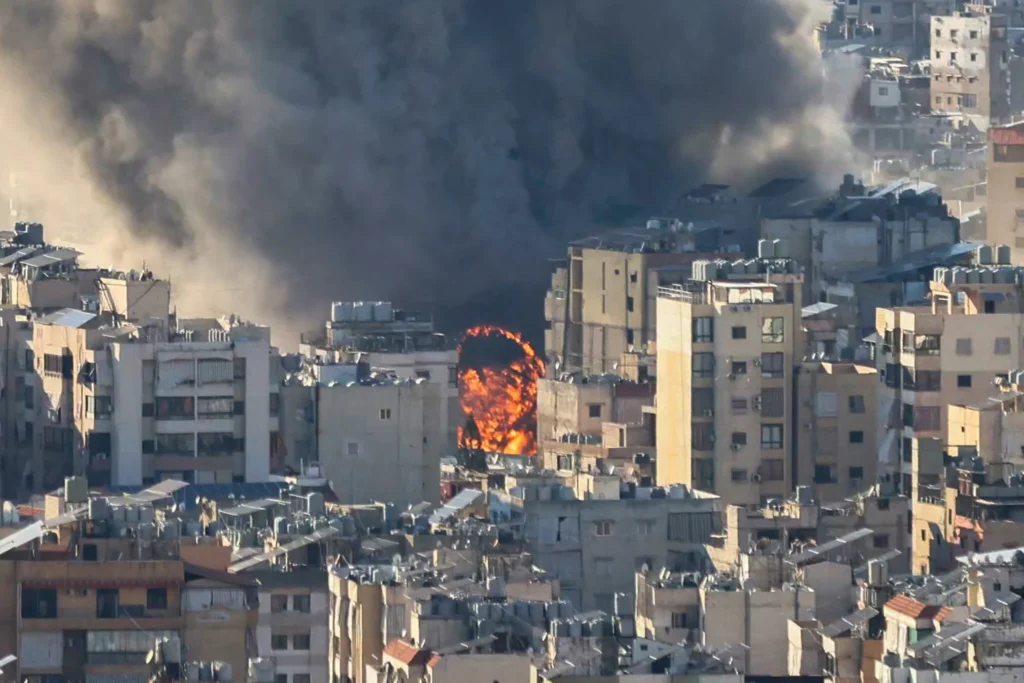
Iran launched a sweeping wave of missile and drone attacks across the Middle East on 28 February, striking locations where US forces are stationed. The barrage came hours after US Israeli strikes on Iranian targets. The immediate question in Washington was stark. Were any American servicemembers killed? According to the US military, the answer is no. No American Casualties Reported United States Central Command said it successfully defended against hundreds of incoming missiles and drones. In a statement, it confirmed there were no US casualties and no combat related injuries. Officials added that damage to installations was minimal and did not disrupt operations. Between 30,000 and 40,000 US troops are deployed across the region on any given day. The scale of the assault therefore raised serious concern about the potential human toll. Bahrain Fifth Fleet Targeted One of the most visible strikes hit near the headquarters of the United States Navy Fifth Fleet in Bahrain. Video verified by multiple outlets showed a missile landing close to the naval facility, sending smoke into the air. Bahraini authorities confirmed an attack on the area. The base plays a central role in US maritime operations in the Gulf. Al Udeid And Gulf Bases Under Fire Missiles were also fired at Al Udeid Air Base in Qatar, the forward headquarters of Central Command. Qatari officials said air defences intercepted the incoming projectiles. In Kuwait, Ali Al Salem Air Base came under attack. Three members of Kuwait’s armed forces sustained minor injuries from falling debris, though no US personnel were reported harmed. Explosions were heard near Al Dhafra Air Base in the United Arab Emirates. Erbil in Iraq, home to a US air facility, was also struck. Jordan reported intercepting missiles targeting areas near Muwaffaq al Salti Air Base. A Region On Edge The attacks extended across Kuwait, Saudi Arabia, Bahrain, Jordan, Qatar and the United Arab Emirates. Social media footage showed missiles streaking across night skies and air defence systems activating over urban centres. The Pentagon described the strikes as retaliation for US Israeli operations that targeted Iranian military infrastructure, including Revolutionary Guard command sites and missile launch facilities. Heavy Casualties Reported In Iran While US forces reported no fatalities, Iranian state media said more than 200 people were killed and over 700 injured in strikes inside Iran. Among the dead were dozens reportedly at a girls’ school in the south of the country. The contrast is stark. US bases endured a coordinated assault but avoided loss of American life. Inside Iran, the human cost appears far higher. For now, the region remains on alert. Military installations are fortified. Air defences are active. Diplomacy is strained. The question is no longer only who was targeted. It is whether this exchange marks a contained episode or the opening chapter of a wider confrontation.
Oil Set to Surge as Iran Strikes Rattle Global Markets
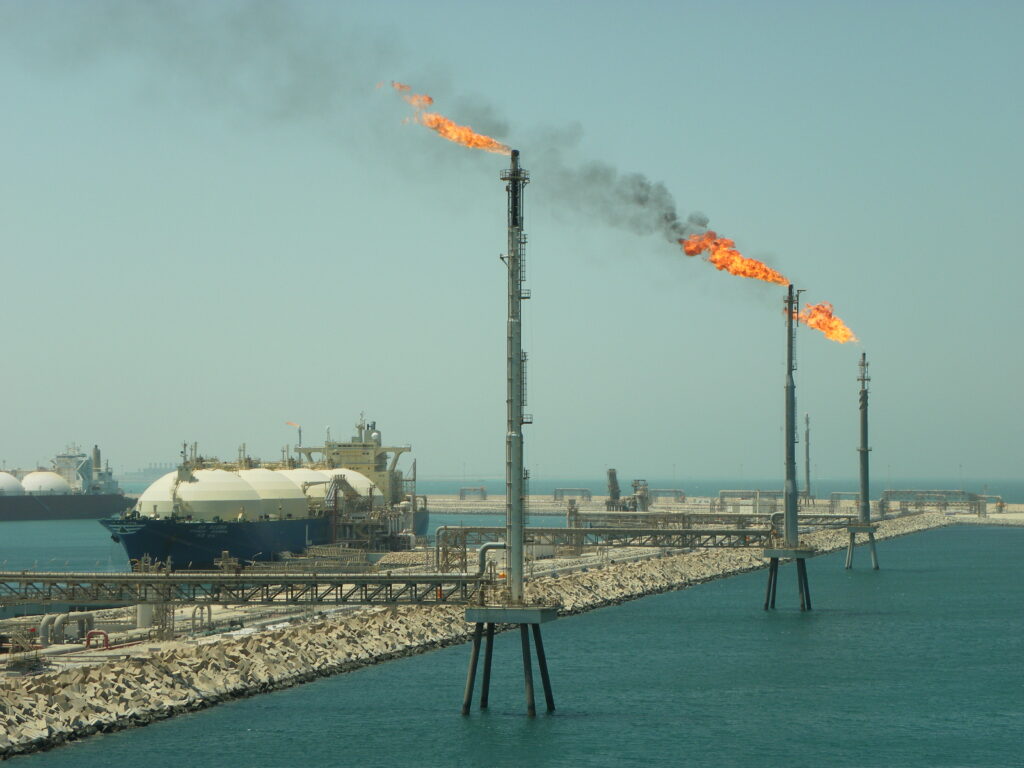
A sharp rise in oil prices looks increasingly likely as conflict involving Iran sends shockwaves through global energy markets. Traders are bracing for volatility after military escalation and the effective closure of the Strait of Hormuz, a vital artery for global oil supply. Early trading signals suggest a significant jump when markets reopen, with investors preparing for ripple effects across fuel costs, inflation and global equities. Strait of Hormuz at the Centre of the Storm At the heart of the crisis lies the Strait of Hormuz, through which roughly 20 per cent of global oil flows. Reports indicate Iranian forces warned vessels against transit, effectively halting traffic through the narrow waterway. Around 500 billion dollars worth of energy trade passes through the strait each year. Tankers carrying crude, liquefied natural gas and refined products have reportedly anchored offshore, waiting for clarity amid rising insurance costs and security fears. Even partial disruption threatens to choke supply chains, with knock on effects for fertilisers, chemicals and food prices. Oil Prices Poised for a Sharp Climb Weekend market data from broker IG suggests US crude could surge by as much as 11 per cent. That would push prices above 74 dollars a barrel, the highest level since mid 2025. Analysts at Barclays believe prices could climb towards 80 dollars if supply disruption deepens. Meanwhile, strategists at Royal Bank of Canada warn that 100 dollar oil is no longer unthinkable under prolonged escalation. A surge in crude typically feeds directly into pump prices. In the UK, the AA has already flagged rising petrol costs, warning that geopolitical tensions may push fuel bills higher for households. Stock Markets Face a Jolt Equity markets are expected to react swiftly. London’s FTSE 100 is projected to open lower after hitting record highs last week. Investors are rotating into traditional safe havens such as gold and government bonds. Across the Gulf, market reactions have been immediate. Several regional exchanges fell sharply, while some countries halted trading entirely amid what officials described as exceptional circumstances. Shipping disruptions are compounding investor anxiety. Ports across the region have suspended operations, while insurers are rapidly repricing maritime risk in the conflict zone. OPEC+ Attempts to Calm Markets In a bid to stabilise prices, OPEC+ agreed to raise output by more than expected in April. The increase of 206,000 barrels per day aims to offset supply fears. Yet the effectiveness of the move remains uncertain. Much of the group’s spare capacity sits with major Gulf producers such as Saudi Arabia and the United Arab Emirates. Both rely heavily on Gulf shipping routes now under strain. Even if production rises, transporting additional barrels may prove difficult until maritime security improves. Shipping and Insurance Risks Rise Attacks on vessels in the region have already been reported, pushing war insurance premiums sharply higher. The UN’s maritime safety body has urged ships to avoid affected waters, underlining the seriousness of the threat. Higher insurance costs and rerouted cargoes could disrupt global trade beyond energy markets, affecting manufacturing and commodity supply chains. A Broader Economic Threat The implications extend far beyond oil. Higher energy costs tend to drive inflation and squeeze consumer spending. Central banks may face renewed pressure as they balance growth concerns with persistent price risks. For motorists, businesses and governments alike, the coming weeks may prove decisive. If the strait remains constrained, the world could face a fresh energy shock at a time when many economies are already fragile. Markets will now watch one variable above all others. Whether the Strait of Hormuz reopens swiftly or remains a geopolitical choke point may determine the next phase of the global economic story.