
Thailand Unveiled: Temples, Tastes, and Tropical Escapes in the Land of Smiles

From the moment your feet touch the sun-soaked soil of Thailand, you’re greeted not just by its warmth but by its soul. Known affectionately as “The Land of Smiles,” Thailand is a dazzling mosaic of golden temples, bustling markets, lush jungles, pristine beaches, and some of the friendliest people on the planet. Whether you’re a culture seeker, beach bum, foodie, or adrenaline junkie, Thailand offers something for everyone. In this travel blog, we’ll dive deep into what makes Thailand a must-visit destination and how to make the most of your journey through this Southeast Asian gem. Bangkok: The Pulsing Heart of Thailand Your Thai adventure will likely begin in Bangkok, the vibrant, chaotic, and captivating capital of Thailand. A city where tradition meets innovation, Bangkok is a place of paradox, ancient temples nestled between towering skyscrapers, serene canals flowing beside traffic-jammed highways, and street vendors selling $1 meals just outside luxury malls. Must-visit attractions: Tip: Skip the traffic and explore Bangkok’s extensive canal systems on a traditional longtail boat; it’s a charming and breezy way to see the city. The Spiritual North: Chiang Mai & Chiang Rai In contrast to the electric energy of Bangkok, northern Thailand is more meditative and mystical. Chiang Mai, the largest city in the north, is a cultural haven surrounded by misty mountains and ancient temples. Highlights in Chiang Mai: Head further north to Chiang Rai, home of the surreal White Temple (Wat Rong Khun). Its gleaming, all-white exterior adorned with mirrored glass shards makes it one of the most unique temples in the world. Thai Cuisine: A Culinary Symphony Thai food isn’t just a meal, it’s an experience. Balancing sweet, sour, salty, spicy, and umami, Thai cuisine is complex yet comforting. Must-try dishes: Street food culture is a central part of daily life in Thailand. From skewered meats to coconut pancakes, the sidewalk becomes a culinary adventure. Islands & Beaches: Paradise Found Thailand’s coastline is studded with islands that offer some of the world’s most picturesque beaches, ideal for diving, snorkeling, kayaking, or simply soaking up the sun. Top beach destinations: Pro tip: Visit between November to March for ideal beach weather. Adventure & Nature Thailand is a playground for adventure lovers. From treetop ziplining to scuba diving with whale sharks, adrenaline awaits around every bend. Adventure ideas: Thai Culture: A Deep Spirituality Thailand’s deeply spiritual culture is rooted in Theravada Buddhism, influencing everything from architecture to etiquette. Cultural notes: Festivals like Loy Krathong (festival of lights) and Songkran (Thai New Year water fight) allow you to immerse yourself in age-old traditions with a modern twist. Wellness & Spiritual Retreats Thailand has become a global hub for wellness tourism. From beachfront yoga classes to detox retreats in the jungle, healing is a central theme. Wellness hotspots: Thai massage, known for its blend of acupressure and assisted yoga, is both therapeutic and invigorating. Don’t leave without experiencing it at least once. Nightlife & Entertainment Thailand’s nightlife ranges from pulsating clubs in Bangkok to beach raves on the islands. Bangkok: Islands: Sustainability & Responsible Tourism With its rising popularity, Thailand faces challenges related to over-tourism. But you can be a conscious traveler by: Tourism can be a force for good when done right. Planning Your Trip Best time to visit: Currency: Thai Baht (THB) Language: Thai (but English is widely understood in tourist areas) Visa: Many nationalities get a visa-free entry for 30 days; check before you fly. Getting around: Domestic flights, trains, tuk-tuks, and Grab (ride-hailing app) make travel smooth. Final Thoughts: Why You’ll Fall in Love with Thailand Thailand doesn’t just capture your attention, it captures your heart. It’s the kind of place where strangers become friends, flavors become memories, and landscapes imprint themselves onto your soul. Whether you’re riding a scooter through jungle roads, meditating with monks at sunrise, or dancing barefoot on a beach under the full moon, Thailand teaches you to live fully, freely, and joyfully. So pack your bags, bring an open mind, and let Thailand unveil itself, one smile at a time.
Berlin Unbound: Where History Meets Hip in Germany’s Capital
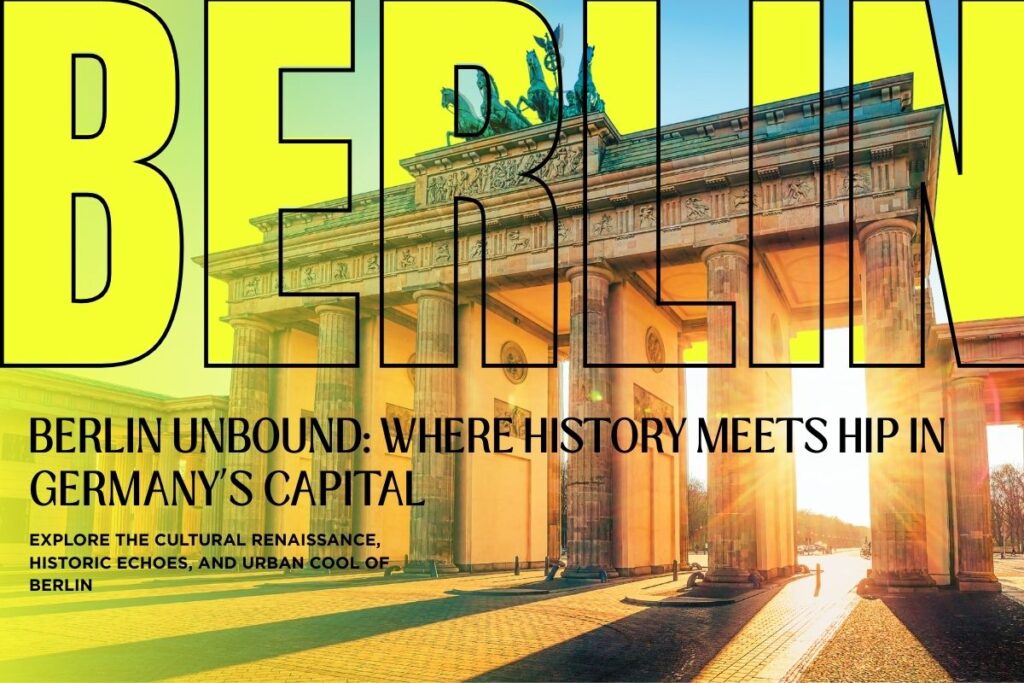
Explore the Cultural Renaissance, Historic Echoes, and Urban Cool of Berlin Berlin is not just a city; it’s a compelling narrative of resilience, reinvention, and rebellion. Once split by a concrete scar, Germany’s capital now pulses with creativity, cultural freedom, and historical richness. Whether you’re walking along the remnants of the Berlin Wall, tasting Turkish-German fusion in Kreuzberg, or dancing till dawn in an abandoned power plant-turned-club, Berlin is a kaleidoscope of experiences. In this travel upshot, we dive deep into what makes Berlin an unforgettable destination for travelers, artists, history lovers, and modern-day urban nomads alike. 1. A City Built on Memory: Berlin’s Living History Berlin wears its history on its sleeve, and that’s part of its raw, magnetic appeal. Rather than hiding its scars, the city has transformed them into powerful spaces of reflection. The Berlin Wall & East Side Gallery Start your journey at the East Side Gallery, the world’s longest open-air gallery. This 1.3 km stretch of the Berlin Wall has been reimagined by over 100 artists from across the globe. From politically charged imagery to calls for unity, it’s a powerful reminder of how art can heal division. Memorial to the Murdered Jews of Europe This haunting installation near the Brandenburg Gate consists of 2,711 concrete slabs of varying heights. Walking among them evokes a chilling disorientation, symbolizing the loss and confusion of the Holocaust. Beneath the memorial, an informative exhibition shares heart-wrenching stories and historical facts. Topography of Terror Set on the site of the former Gestapo and SS headquarters, this museum doesn’t shy away from dark truths. With free admission and outdoor exhibitions, it’s a must-visit for those wishing to understand Berlin’s complex past and the Nazi regime’s machinery of oppression. 2. Neighborhood Vibes: From Boho to Bougie Berlin is a patchwork of neighborhoods (or Kieze), each with its heartbeat. Exploring them is like flipping through the pages of a vibrant cultural magazine. Kreuzberg – The Counterculture Capital Home to a large Turkish-German community, anarchists, artists, and third-wave coffee connoisseurs, Kreuzberg is where Berlin’s rebellious soul resides. Visit Markthalle Neun on a Thursday for Street Food Thursdays or soak in the alternative art scene around Görlitzer Park. Prenzlauer Berg – Trendy, Tidy, and Terrifically Hipster Once the epicenter of squatters and bohemians post-reunification, Prenzlauer Berg is now sleek and family-friendly, without losing its creative edge. Grab brunch in one of the many cozy cafés, stroll along the tree-lined Kollwitzplatz, and pop into indie boutiques selling handmade goods. Neukölln – Grit Meets Growth Previously overlooked, Neukölln is now a magnet for experimental artists and young entrepreneurs. Check out the buzzing nightlife scene, rooftop bars like Klunkerkranich, and multicultural eateries offering everything from Vietnamese pho to Palestinian falafel. 3. The Art Scene: Berlin’s Beating Creative Heart Berlin doesn’t just have art; it is art. From underground performance spaces to international galleries, the city is a haven for creators and appreciators alike. Museum Island – A UNESCO Treasure Trove This unique complex of five museums on the Spree River includes the Pergamon Museum (home to monumental ancient architecture) and the Neues Museum (where you’ll find the bust of Nefertiti). It’s a feast for history buffs and aesthetes. Berlinische Galerie & Contemporary Art For those craving contemporary flair, Berlinische Galerie and the KW Institute for Contemporary Art offer a dive into modern German and European art. Graffiti fans should head to Urban Nation, a museum dedicated to street art and urban culture. Artist Squats and Alternative Galleries Places like Tacheles (before its closure) and the Kunsthaus Bethanien show how Berlin continues to blur the lines between art and life. Keep an eye out for pop-up galleries in abandoned buildings, part of Berlin’s elusive underground scene. 4. Berlin After Dark: Techno, Taverns, and Timeless Vibes When the sun sets, Berlin’s alter ego emerges, raw, rhythmic, and relentless. Its nightlife is the stuff of legend, but there’s something for every type of night owl. The Temple of Techno: Berghain Possibly the most infamous club in the world, Berghain is housed in a former power plant. Known for its strict door policy and hypnotic beats, it’s more than a club, it’s a cultural institution. Even if you don’t make it past the bouncers, you’ll hear tales of its sonic pilgrimages throughout Berlin. Craft Beers & Classic Taverns Try Berliner Kindl, BRLO Brwhouse, or Vagabund Brauerei for craft beers with a local twist. Or experience Berlin’s traditional side in a cozy Kneipe (German pub) with hearty schnitzels and shots of Korn. Rooftops & Speakeasies For something more subdued, sip cocktails while watching the skyline from Deck 5 or hunt for speakeasies like Buck and Breck, tucked behind an unmarked door near Rosenthaler Platz. 5. Culinary Collisions: Where Döner Meets Michelin Berlin’s culinary scene is as diverse and democratic as the city itself. Street food lives in harmony with fine dining, and global flavors rule the roost. The Famous Berlin Döner Kebab No visit is complete without trying this Berlin-born adaptation of a Turkish classic. Mustafa’s Gemüse Kebap in Kreuzberg is iconic, if you don’t mind the queue. It’s the perfect late-night bite after club-hopping. Currywurst: A Spicy Slice of History Invented in post-war Berlin, Currywurst is a grilled sausage slathered in ketchup and curry powder. You can find it everywhere, but Curry 36 and Konnopke’s Imbiss are local favorites. Global Eats & Vegan Delights Berlin is a vegan paradise. Head to 1990 Vegan Living in Friedrichshain for modern Vietnamese or Kopps for upscale plant-based dishes. Ethiopian, Korean, Syrian, and Peruvian cuisines also shine here, reflecting the city’s cosmopolitan fabric. 6. Green Escapes in the Grey City Berlin may appear concrete-heavy, but it’s incredibly green. Almost half the city is made up of parks, lakes, and forests, offering respite from urban chaos. Tiergarten – Berlin’s Central Park This massive green lung in the heart of the city is ideal for picnics, cycling, or just lounging. Stop by Café am Neuen See for lakeside beer and pretzels. Tempelhofer Feld – A Park
Barcelona Unplugged: A Tapestry of Art, Flavor, and Mediterranean Soul
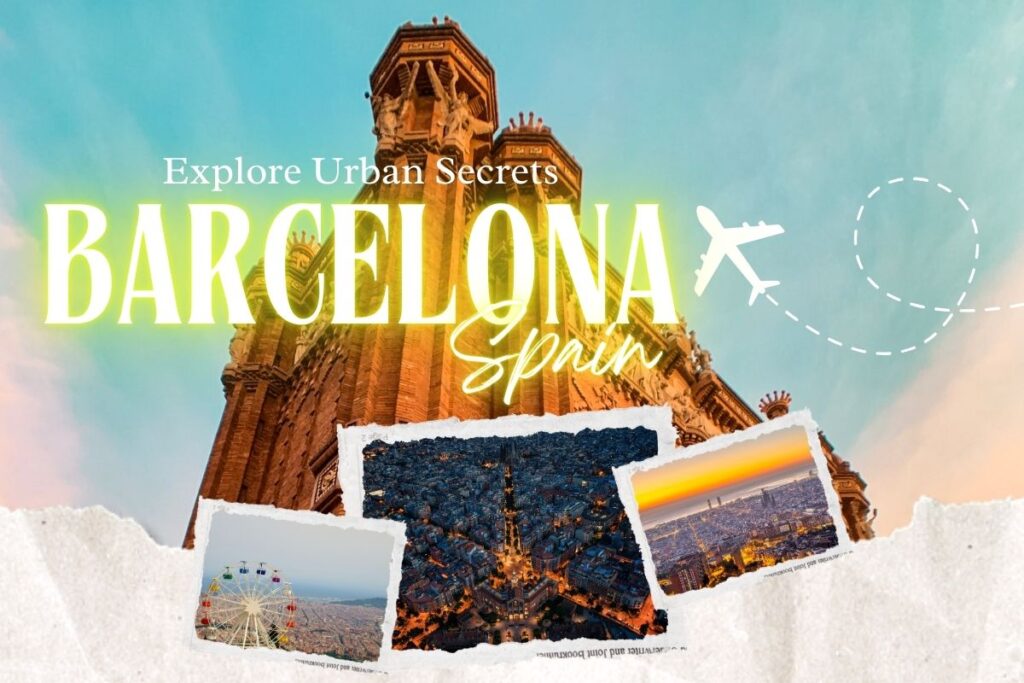
Where the City Sings with Every Step Nestled between the shimmering Mediterranean Sea and the rolling hills of Catalonia, Barcelona isn’t just a destination, it’s a symphony. It’s a place where art spills onto the streets, food dances on your tongue, and architecture whispers tales of centuries past. Whether you’re a culture enthusiast, a foodie, a beach lover, or a casual wanderer, Barcelona delivers an experience that’s as vibrant as its sunsets over the cityscape. 1. A Walk Through Time: Gothic Alleys and Modern Marvels Start in Barri Gòtic, the city’s Gothic Quarter, where cobbled streets echo with the footsteps of Roman soldiers and medieval poets. Winding alleyways open into sunlit plazas, each with a story carved in stone. The Cathedral of Barcelona, adorned with its spires and gargoyles, stands as a testament to the city’s layered past. From the past to the future, cross into the realm of Antoni Gaudí, the genius architect who reshaped Barcelona’s skyline. His unfinished masterpiece, La Sagrada Família, is a vision of divine chaos, its intricate façades and towering spires constantly evolving. Gaudí’s touch also graces Casa Batlló, with its dragon-scale roof, and Park Güell, where mosaics and fairy-tale curves enchant visitors. 2. Savor the City: A Culinary Carnival Barcelona is a city you taste as much as you see. Morning starts with churros dipped in thick hot chocolate, especially at the old-school cafés tucked near La Rambla. The bustling La Boqueria Market is a riot of color, scent, and sound, juicy fruits, Iberico ham, fresh seafood, and gourmet cheeses all competing for your attention. When lunch calls, dive into tapas culture: crispy patatas bravas, creamy croquetas, spicy chorizo, and marinated anchovies. For a more Catalan twist, try pa amb tomàquet, rustic bread rubbed with tomato, olive oil, and salt. Pair it with a glass of local Cava, Spain’s sparkling wine, and you’re in culinary heaven. Seafood lovers should not miss paella by the beach in Barceloneta, where traditional flavors meet the sea breeze. And for dessert? A scoop of artisanal turrón gelato or crema catalana, the Spanish cousin of crème brûlée. 3. Art in Motion: From Picasso to Street Graffiti Art is not confined to galleries in Barcelona, it’s on walls, sidewalks, and even lamp posts. Still, the city’s museums are jewels in their own right. The Picasso Museum houses an extensive collection from the master’s early years, revealing his deep bond with the city. For contemporary art, MACBA (Museum of Contemporary Art) in El Raval challenges the norm with its cutting-edge exhibitions. Nearby, skateboards clatter in the plaza outside, turning the museum’s sleek façade into a stage for urban expression. Then there’s the street art, especially in El Raval and Poblenou, where murals blaze across abandoned buildings, abandoned lots transformed into open-air galleries. Here, Barcelona breathes its modern heartbeat, defiant and dynamic. 4. The Pulse of the Mediterranean: Sun, Sea, and Sangria Barcelona’s beaches stretch along the coast like a golden ribbon. Whether you seek the lively atmosphere of Barceloneta, the laid-back vibes of Bogatell, or the quieter shores of Ocata, the Mediterranean calls you with open arms. Day turns to evening with a glass of sangria by the shore, and as the sun dips below the horizon, the city adopts a new rhythm. Locals emerge for passeig, a leisurely evening stroll, while live music drifts from chiringuitos (beach bars), and the promenade pulses with rollerbladers, joggers, and sunset photographers. 5. Architectural Wonderland: Where Fantasy Meets Stone Nowhere else in the world does architecture feel quite so alive. Gaudí’s touch is unmistakable, but he’s not the only star. Palau de la Música Catalana, with its riotous stained-glass ceiling and ornate detailing, is a modernist gem worth touring or catching a concert in. Hospital de Sant Pau, a UNESCO World Heritage Site, surprises with its blend of beauty and history. Once a hospital, today it’s a wonderland of domes, mosaics, and gardens, a quiet retreat from the city’s bustle. Even functional spaces in Barcelona are artful. The Torre Glòries lights up like a psychedelic jellyfish at night, a modern counterpoint to the city’s historical heart. 6. Neighborhood Vibes: Local Life in Every Corner Each barrio in Barcelona tells a different story. In Gràcia, creativity blooms in quaint squares lined with cafes, and August brings the wild Festa Major, where streets compete for the most elaborate decorations. It’s a community spirit you can feel. El Born, meanwhile, blends history with hip. Medieval architecture houses indie boutiques, craft cocktail bars, and cozy bistros. Don’t miss the El Born Cultural Center, built over archaeological ruins that narrate the story of 18th-century Barcelona. Head up the hill to Montjuïc, where lush gardens, the Magic Fountain, and panoramic views from Castell de Montjuïc offer a refreshing escape. At night, the fountain’s light and music show is pure enchantment. 7. Festivals and Flamenco: Culture That Dances Barcelona doesn’t just preserve its culture, it celebrates it. Throughout the year, festivals light up the city. La Mercè, held in September, is the biggest party, featuring human towers (castells), fireworks, parades, and music across the city. While not originally from Catalonia, Flamenco finds a passionate home in Barcelona. Visit Tablao Cordobés on La Rambla or Palau Dalmases in El Born for intimate performances where the rhythm of guitar and the stomp of heels ignite the room. 8. Shop, Sip, and Soak It In Barcelona is a shopper’s delight, from high-end boutiques on Passeig de Gràcia to local artisan stalls in Els Encants Vells, one of Europe’s oldest flea markets. Design lovers will appreciate Vinçon, a design-forward store housed in a former mansion, or Chök, where gourmet donuts become edible art. When you need to pause, sip vermut (vermouth) at a terrace café, listen to the hum of scooters and laughter, and simply watch the city swirl around you. This is the Barcelona way, to feel life, not rush it. Conclusion: Barcelona in Your Bones Barcelona isn’t a place you merely visit. It’s a place that lingers with you. In the curve of
Amsterdam Unlocked: A Journey Through the Venice of the North
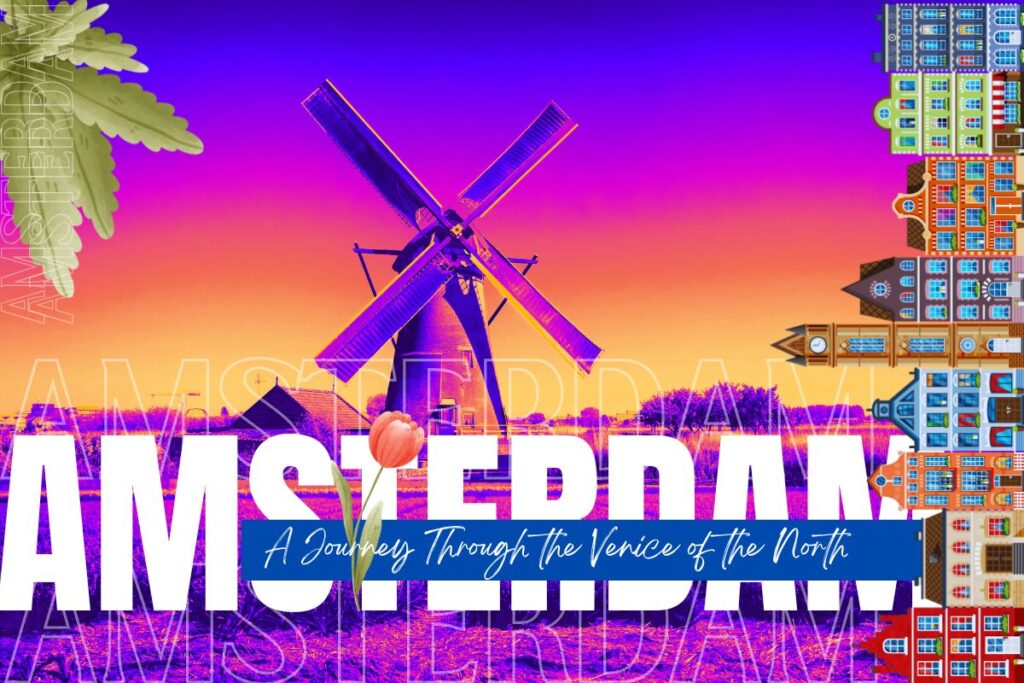
Amsterdam, the capital of the Netherlands, has an almost magical pull on travelers. With its iconic canals, rich cultural heritage, vibrant neighborhoods, and a lifestyle that celebrates freedom and creativity, this city is far more than a postcard-perfect destination. It’s a place where history and modernity live side-by-side, where bicycles outnumber cars, and where every corner tells a story. Whether you’re here for the art museums, the buzzing café culture, or the pure joy of cycling through centuries-old streets, Amsterdam offers a travel experience that feels both exciting and soothing. This guide takes you beyond the clichés, uncovering the city’s must-sees, hidden gems, culinary treasures, and unique personality. 1. The Charm of Amsterdam’s Canals Amsterdam’s canal belt, a UNESCO World Heritage site, is the heart and soul of the city. Built in the 17th century during the Dutch Golden Age, these waterways aren’t just beautiful; they’re a masterpiece of urban planning. Must-do experiences: Tip: Visit in spring when tulips bloom along the canals, making the view even more surreal. 2. Cycling: The Amsterdam Way of Life Amsterdam is often called the bicycle capital of the world, and for good reason. Cycling here isn’t just transport; it’s a cultural identity. Locals commute, shop, date, and even move furniture on bikes. Best cycling routes: Tip: Rent a bike from a local shop instead of tourist-heavy spots; you’ll get better rates and more authentic experiences. 3. Art & Culture: A Museum Lover’s Paradise Amsterdam’s art scene is legendary, boasting some of the world’s most renowned collections. Unmissable museums: Pro Tip: Book tickets online for popular museums to skip long queues, especially in peak tourist seasons. 4. Neighborhood Vibes: From Bohemian to Chic Amsterdam’s neighborhoods each have a distinct personality, and exploring them is half the fun. Highlights: 5. Culinary Delights: More Than Stroopwafels Dutch cuisine may not be globally famous, but Amsterdam’s food scene is a melting pot of flavors. Must-try eats: Best foodie spots: 6. Amsterdam by Night: A Different Energy When the sun sets, Amsterdam transforms. While it’s famous for its Red Light District, the city’s nightlife extends far beyond. Top nightlife picks: 7. Seasonal Magic: When to Visit Amsterdam’s beauty changes with the seasons. 8. Day Trips from Amsterdam The Netherlands is small and well-connected, making day trips easy. Top options: 9. Sustainable Travel in Amsterdam Amsterdam is one of the greenest cities in Europe. From electric public transport to waste-free restaurants, it’s easy to travel responsibly here. Eco-friendly tips: 10. Quick Travel Tips for Amsterdam Final Word: Falling in Love with Amsterdam Amsterdam is more than its postcard images. It’s a city of contrasts, historic yet modern, laid-back yet bustling, traditional yet boldly progressive. Whether you’re sipping coffee by the canals, exploring world-class museums, or riding a bike through a hidden courtyard, the city has a way of making you feel like you belong. One trip here, and you’ll understand why travelers return again and again, not just for the beauty of the place, but for the feeling it leaves you with. Amsterdam doesn’t just invite you to visit; it invites you to live a little differently.
Humanity in the Age of Automation: Why Empathy Will Be the Most Valuable Skill by 2030

We are entering a decade where machines will do more of what used to define work. Routine tasks, data entry, basic analysis, repetitive customer queries, even some legal research, are increasingly handled faster and cheaper by software. But as the mechanical and the predictable move into the hands of algorithms, a different human edge grows more precious: empathy. Empathy is more than feeling sorry for someone. It’s the skill of perceiving, understanding, and responding appropriately to another person’s emotional state. It’s active listening, reading subtle cues, building trust, and designing solutions that respect real human needs. In a world optimized for efficiency, empathy becomes the differentiator that preserves meaning, trust, and outcome quality. This article explores why empathy will be the most valuable skill by 2030, how automation accelerates that need, what empathy looks like in practice, and how individuals and organizations can cultivate it now. Automation doesn’t replace humanity, it rearranges it Automation excels at pattern recognition, scale, and consistency. It can reduce cost, speed up processes, and remove human error in many contexts. But it struggles with contextual nuance, moral trade-offs, and messy interpersonal dynamics. These are the spheres where humans still outperform machines. Consider healthcare: diagnostic algorithms can suggest likely conditions, but delivering a difficult diagnosis, comforting a family, or motivating a patient to follow a difficult treatment plan requires warmth, clarity, and understanding, things that algorithms can’t authentically provide. In education, adaptive learning platforms can personalize content, but motivating a student, recognizing non-cognitive barriers, and inspiring curiosity requires human connection. In customer service, a bot can track an order; a human can de-escalate an angry customer, repair trust, and turn a frustrated interaction into loyalty. Automation shifts the value proposition of human labor. Tasks that are predictable and measurable will be automated. Tasks that require judgment, ethics, creativity, and social intelligence, especially empathy, will become scarce and highly prized. By 2030, empathy won’t be a “soft” optional skill: it will be a hard economic advantage. Why empathy scales in an automated world Empathy is measurable and teachable A common misconception is that empathy is only an innate trait. While people vary in natural predisposition, empathy can be trained, measured, and embedded into organizational systems. Behavioral indicators of empathy include active listening (interrupting less, paraphrasing back), perspective-taking (considering how someone else experiences a situation), and emotional regulation (staying present without becoming reactive). Measurement tools, from 360-degree feedback to customer sentiment analysis and physiological indicators in some contexts, can help track progress. Training methods that work include: Organizations that treat empathy not as an HR buzzword but as an operational competency, embedding it into job descriptions, performance reviews, hiring rubrics, and team rituals, will have a clear advantage. Empathy in leadership: the multiplier effect Leaders who practice empathy unlock the potential of teams. They build psychological safety, the belief that risk-taking and honest dialogue won’t be punished. Psychological safety drives innovation, faster learning cycles, and higher retention, critical factors in a turbulent world where reskilling and adaptability matter. Empathic leaders also make better strategic trade-offs. They balance stakeholder needs, foresee unintended consequences, and design policies that minimize harm. When automation choices are made by leaders who can empathize with front-line workers, customers, and marginalized communities, transitions are more equitable and sustainable. Empathy and the future of work: new roles and remapped skills By 2030, we can expect several shifts: Empathy as a design principle Designers and product teams must bake empathy into their processes. This means: Products built with empathy retain customers not merely because they’re efficient, but because they’re respectful and trustworthy. Education and social systems: teaching empathy at scale To make empathy widespread, education systems must evolve. Curricula that balance technical skills with social-emotional learning will produce adaptable citizens. Practical steps include: Public policy can accelerate this by funding programs that build human-centered skills and by incentivizing businesses to invest in workforce empathy training during automation transitions. Technology as empathy amplifier, not replacement Technology itself can augment empathic capacity. Tools that visualize user journeys, surface emotional signals in customer communications, or highlight disparities in outcomes can help humans act more empathically. But the tool is only as good as the people wielding it. Even when AI can mimic empathic language, the difference between apparent empathy and genuine empathy matters. Genuine empathy requires accountability and responsiveness: a person must be prepared to act on what they learn. Automation that simulates compassion without mechanisms for redress can feel manipulative and brittle. Practical tips for individuals: make empathy a career habit If you want to future-proof your career, start building empathy now: For organizations: structural moves that prioritize empathy Companies can institutionalize empathy through concrete actions: Risks and caveats We should be realistic: empathy isn’t a magic bullet. It can be co-opted into manipulation if organizations use empathic techniques to exploit rather than support customers. There’s also a risk that emotional labor becomes an uncompensated expectation, often borne disproportionately by women and marginalized groups. Policies and norms must guard against these harms: empathy should be paired with fairness, accountability, and equitable labor practices. Additionally, empathy needs scalability guardrails. Not every interaction requires deep emotional labor. Effective systems triage, using automation for low-stakes tasks and human empathy where it matters, will be critical. Conclusion: the economics of care in a machine-made world By 2030, automation will have remapped value towards what machines cannot easily replicate: context, moral judgment, and human connection. Empathy is not sentimental; it’s strategic. It improves user outcomes, reduces risk, boosts trust, and drives better decision-making. Organizations and individuals who invest in empathic skills will not only survive technological disruption, they’ll lead it. We are not heading toward a world where humans are redundant; we are heading toward a world where human roles are redefined around what makes us human. As tasks shift to algorithms, the premium on empathy will rise. Training it, measuring it, designing for it, and rooting it in fair labor practices is how businesses and societies will thrive in the age of
The Rise of Digital Elegance: Why Luxury Brands Are Winning the Online Experience Game
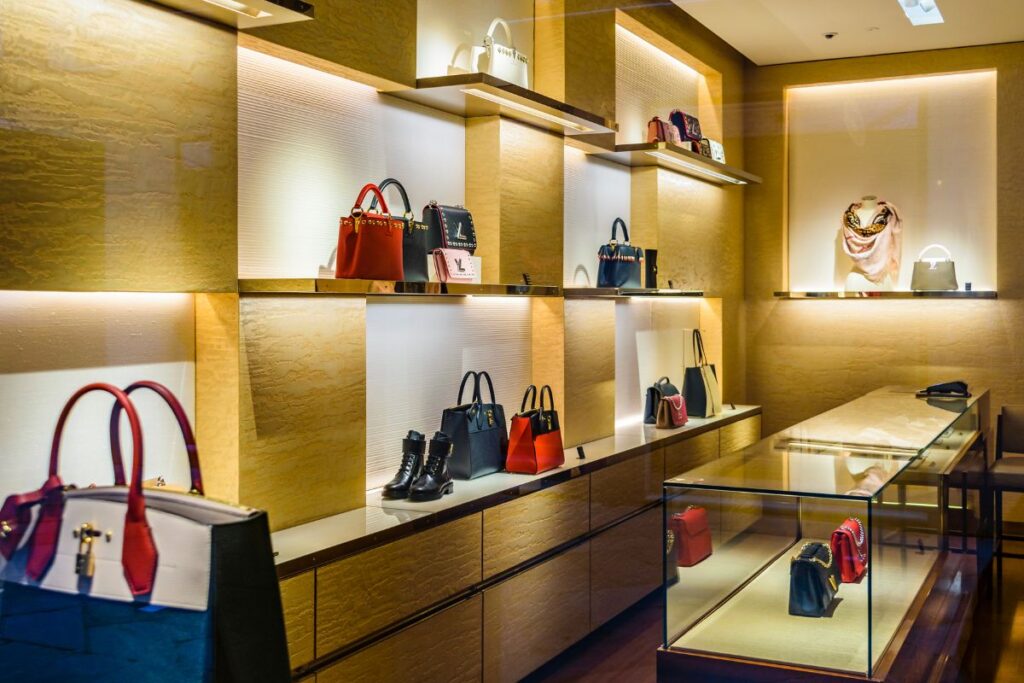
For decades, luxury was synonymous with immaculate boutiques, soft-lit interiors, private salons, and the rarefied air of exclusivity that only an in-person experience could provide. But in a world where digital interactions are now at the center of consumer lifestyles, luxury brands are redefining sophistication for the online era. This is not merely a digital shift; it is the rise of digital elegance, a new benchmark for premium, curated online experiences that mirror and even elevate the traditional luxury touch. As global high-end consumers embrace ecommerce, virtual content, and personalized digital services, luxury brands are leading the way in crafting online journeys that feel just as exclusive as walking into a flagship store on Fifth Avenue or Rue Saint-Honoré. Here’s why luxury brands are winning the online experience game, and how they’re setting the standard for the future. 1. Luxury’s Digital Pivot: A Strategic Shift, Not a Temporary Trend What began as a response to the pandemic’s disruption has evolved into one of the most strategic transformations in luxury’s history. Consumers worldwide became accustomed to shopping for essentials online, and their expectations for premium digital experiences rose instantly. Luxury brands responded not with simple e-commerce platforms but with fully conceptualized digital ecosystems. These are built on intentional design, curated storytelling, and services that replicate boutique-level exclusivity. From virtual try-ons to appointment-based online shopping to immersive brand storytelling, luxury’s digital evolution is deliberate, not reactive. The shift reflects a fundamental truth: luxury buyers want convenience, but never at the cost of experience. 2. Personalization at Scale: Digital Tools Reinvent Bespoke Service Luxury thrives on personalization. Traditionally, this meant attentive associates, relationship-driven selling, and a deep understanding of customer preferences. Digital platforms now enhance this bespoke service on a global level. With the help of advanced CRM systems, apps, and online behavior insights, brands can now: ● Recommend products tailored to an individual’s tastes ● Offer private previews and early access ● Provide reminders and follow-ups ● Curate personalized content or shopping edits ● Connect clients to dedicated online stylists Where a customer once relied on a single in-store advisor, they now enjoy a seamless, continuous relationship across mobile, desktop, and boutique visits. This elevated digital personalization is redefining loyalty and making high-end clients feel valued in ways that transcend physical touchpoints. 3. Immersive Technology Brings Tactility to Screens One challenge that luxury brands have historically faced online is the loss of physicality. How can a buyer feel the craftsmanship, texture, or weight of a couture gown or leather bag? The answer: immersive digital technologies. Augmented reality (AR), virtual try-ons, and hyper-realistic 3D product visuals now allow shoppers to experience pieces in a tangible, interactive way: ● AR try-ons for shoes, eyewear, makeup, and accessories ● 3D product spin models to explore details up close ● Virtual store environments replicating iconic flagships ● Digital fitting rooms for clothing and tailoring These experiences boost confidence in purchasing high-ticket items online and reduce friction in the decision-making process. With virtual tactility, luxury’s artistry and attention to detail can now be appreciated from anywhere in the world. 4. Storytelling Has Become More Cinematic and Global Luxury is built on heritage, craftsmanship, and narrative depth. Digital platforms have empowered brands to showcase these qualities through vivid, immersive storytelling: ● Behind-the-scenes atelier videos ● Long-form brand documentaries ● Interactive microsites ● Craftsmanship and material showcases ● Shoppable editorials and digital lookbooks What once could only be communicated through in-store conversations or exclusive events is now accessible globally. This democratized storytelling doesn’t dilute exclusivity; it amplifies the brand’s artistry, values, and provenance. Today’s luxury consumer doesn’t just buy a product. They buy the story, the legacy, and the cultural imprint. Digital platforms make these emotional connections stronger than ever. 5. Omnichannel Integration Preserves the Boutique Ritual The most successful luxury brands don’t see online and offline as competing worlds; they blend them into a seamless experience. This omnichannel strategy ensures the customer journey feels effortless, prestigious, and personal. Examples include: ● Click-and-collect services offering boutique pickup ● Online booking for in-store consultations ● Virtual shopping appointments with dedicated advisors ● Buy online, return in-store convenience ● Unified customer profiles accessible to sales associates This integration not only maintains the rituals of luxury retail but also improves them with convenience and real-time accessibility. It’s the perfect harmony between exclusivity and modern efficiency. 6. Virtual Worlds and Digital Fashion Bring Luxury to the Next Generation Younger luxury consumers live in digital communities. They express status digitally as much as physically. Luxury brands are capitalizing on this by entering virtual spaces such as gaming platforms, social environments, and metaverse-style activations. These virtual experiences include: ● Limited-edition digital collections ● In-game wearables for avatars ● Virtual runway shows ● Gamified shopping experiences ● NFT-based memberships or collectibles This digital-first engagement introduces younger audiences to luxury brands long before they become regular buyers. It builds aspirational interest while preserving exclusivity through limited digital drops and premium virtual access. Digital elegance isn’t just about selling high-end goods; it’s about building cultural relevance across generations. 7. Authenticity and Trust Reinforced Through Digital Transparency Counterfeits have always challenged the luxury market. Today, digital tools help authenticate products with unprecedented accuracy. Many brands use technologies such as: ● Digital product passports ● Traceability solutions ● RFID tags ● Blockchain authentication ● QR-based provenance details These innovations assure customers that their purchases are legitimate, ethically sourced, and traceable through the supply chain. In the online era, trust is a form of luxury, and digital clarity strengthens it. 8. New Digital Commerce Models Enhance Customer Lifetime Value Luxury brands are also evolving how customers buy and experience products. Digital platforms make it possible to introduce new models that align with consumer preferences: ● Luxury rentals for special occasions ● Subscription boxes with curated premium items ● Brand-operated resale programs ● Membership clubs offering exclusive experiences ● Invite-only VIP digital events These models deepen consumer engagement and extend the lifetime value of each client. They also create circular economies