
Brett James, Celebrated Songwriter Behind “Jesus, Take the Wheel,” Dies in North Carolina Plane Crash

Brett James, the acclaimed Grammy-winning songwriter best known for co-writing Carrie Underwood’s chart-topping hit “Jesus, Take the Wheel,” tragically died in a plane crash on Thursday, September 18, 2025. The fatal accident occurred in North Carolina, abruptly ending the life of one of Nashville’s most prolific and respected songwriters. Tragic Plane Crash Claims Life of Brett James The small-engine aircraft carrying Brett James crashed into a field around 3 p.m. local time in a rural area approximately 270 miles southeast of Nashville, Tennessee. The plane had departed from John C. Tune Airport in Nashville, heading towards an undisclosed destination. Authorities confirmed the crash through the National Transportation Safety Board (NTSB), which has launched a full investigation into the incident. Two additional individuals were aboard the aircraft; however, their identities have not yet been released. The crash site was swiftly secured as officials conducted recovery and investigation efforts. A Legacy in Music: Brett James’ Career and Achievements Brett James was 57 years old and had a remarkable career spanning over two decades, establishing himself as one of the most influential figures in country and pop music songwriting. His breakthrough came with Carrie Underwood’s emotionally charged 2005 single “Jesus, Take the Wheel,” which won him the Grammy Award for Best Country Song in 2007. In addition to his Grammy-winning composition, James contributed to a vast array of hits across multiple genres. His songwriting credits include collaborations with top-tier artists such as Keith Urban, Kenny Chesney, Taylor Swift, and Bon Jovi, to name a few. Throughout his career, he penned more than 500 songs, collectively featured on albums that have sold over 110 million copies worldwide, reflecting his far-reaching influence on contemporary music. James’ songwriting prowess was further recognized in 2020 when he was inducted into the prestigious Nashville Songwriters Hall of Fame, cementing his legacy within the musical community. Impact on the Music Industry Beyond commercial success, Brett James was admired for his ability to craft songs that resonated emotionally with audiences. “Jesus, Take the Wheel,” in particular, became an anthem of hope and faith, touching millions and becoming a staple in Carrie Underwood’s repertoire as well as in country music history. Fellow artists and industry insiders have expressed shock and sadness following news of his passing, highlighting not only his talent but also his generosity and mentorship within the songwriting community. His contributions helped shape the careers of emerging songwriters and influenced a generation of country and pop musicians. Investigation and Next Steps The NTSB has confirmed it is leading the investigation to determine the cause of the crash involving Brett James and two others. Details regarding weather conditions, mechanical issues, or possible pilot error have not yet been disclosed. Authorities have urged patience as the thorough investigative process unfolds. Remembering Brett James As news of his sudden death spreads, fans and colleagues alike are reminiscing about Brett James’ profound impact on music. His ability to craft heartfelt lyrics and memorable melodies made him a treasured figure, while his dedication to his craft earned him respect across genres. James’ passing marks the loss of a true musical visionary whose work will continue to inspire artists and listeners for years to come. About Brett James The music world mourns Brett James, remembering a songwriter whose melodies and lyrics left an indelible mark on country music and beyond. Further updates on the crash investigation and memorial arrangements are awaited. For more insights, follow The Business Tycoon
Future-Proof: How Reskilling and Upskilling are Shaping the Workforce of Tomorrow

The Workforce is Evolving, Are We Ready? In today’s fast-paced digital economy, one truth stands above all: change is constant. From AI and automation to green energy and remote work, technological and societal shifts are redefining the world of work. Traditional career paths are disappearing, while new roles that didn’t exist a decade ago are becoming essential. The skills that got us here won’t necessarily get us there. In this evolving landscape, reskilling and upskilling are more than buzzwords; they are imperatives. Individuals, organizations, and governments must embrace lifelong learning as the cornerstone of a resilient, agile, and future-ready workforce. This article dives into what reskilling and upskilling mean, why they matter, how to implement them effectively, and what they mean for the jobs of tomorrow. I. Reskilling vs. Upskilling: Understanding the Difference Before exploring strategies and benefits, let’s define the terms: Reskilling Learning new skills to transition into a different job or career, often because the current one is becoming obsolete.Example: A factory worker learning coding to become a software tester. Upskilling Enhancing current skill sets to perform better in a current role or adapt to new technologies.Example: A digital marketer learning data analytics or AI tools. While the two overlap in purpose, enhancing employability, they serve different goals within workforce development. II. Why the Reskilling and Upskilling Revolution is Urgent 1. Technological Disruption 2. Changing Industry Needs 3. Workforce Demographics 4. Post-Pandemic Acceleration III. The Business Case: Why Companies Must Invest in Human Capital Companies that embrace reskilling and upskilling: Case in Point:AT&T invested over $1 billion in upskilling programs through its “Future Ready” initiative, helping over 100,000 employees transition into high-demand tech roles. IV. Key Sectors Driving the Reskilling and Upskilling Agenda 1. Technology & IT 2. Healthcare 3. Green Economy 4. Finance and Fintech V. How to Build a Future-Proof Learning Strategy 1. For Individuals: The Lifelong Learner’s Roadmap 2. For Organizations: A Culture of Continuous Learning VI. Government and Policy-Level Interventions Governments play a pivotal role in workforce transformation. VII. Success Stories: Real-World Transformations 1. Amazon’s “Upskilling 2025” 2. Walmart’s “Live Better U” Program 3. IBM’s “SkillsBuild” VIII. Emerging Roles of the Future As the economy evolves, so does the job market. Some jobs of tomorrow include: Future Role Key Skills Required AI Specialist Python, TensorFlow, Machine Learning Climate Change Analyst Environmental Science, Policy, Data Analysis Remote Work Coordinator HR Tech, Communication, Digital Tools Cybersecurity Analyst Network Security, Risk Management Digital Wellness Coach Mental Health, Coaching, Technology Literacy Robotics Technician Mechanics, Programming, Electronics Experience Designer (UX) Design Thinking, User Research, Prototyping These roles emphasize interdisciplinary skill sets, blending technical, human, and creative competencies. IX. Challenges in Reskilling and Upskilling Despite its importance, the path to workforce transformation isn’t without hurdles: Solution?Employers and governments must design inclusive programs with flexibility, affordability, and strong support systems. X. The Future of Work is Human + Machine While automation may reduce some jobs, it also creates new opportunities. The key to success lies in collaboration between humans and machines. Reskilling and upskilling bridge that gap. In this future: Those who embrace continuous learning won’t just survive disruption, they’ll lead it. Conclusion: Invest in People, Empower the Future As the global economy reorients itself around digital transformation, sustainability, and resilience, reskilling and upskilling are no longer optional; they’re essential. For individuals, it’s a path to relevance and opportunity.For businesses, it’s the key to innovation and longevity.For society, it’s a route to equity and economic stability. In short, learning is the new earning. It’s time to stop asking if we’ll be replaced by machines and start asking how we can work alongside them, learn faster than ever, and shape a future where talent and technology walk hand in hand. For more insights, follow The Business Tycoon
Ben and Jerry’s Co-Founder Jerry Greenfield Resigns Citing Emotional Strain and Feeling ‘Muzzled’ by Parent Company

Jerry Greenfield, the beloved co-founder of Ben and Jerry’s ice cream, has announced his resignation after 47 years with the company, expressing that he felt “torn apart” and “muzzled” by the brand’s parent company, Unilever. His departure marks a significant moment in the company’s history, highlighting ongoing tensions between Ben and Jerry’s social mission and the corporate strategies of its new ownership under Unilever and its spin-off entity, Magnum Ice Cream Co. A Broken Heart Over Silencing of Social Activism Greenfield’s resignation was shared publicly by fellow co-founder Ben Cohen, who confirmed that the decision came after a long period of emotional struggle. In his open letter, Greenfield described the pain of leaving the company he helped build as a “broken heart,” pointing specifically to the parent company’s restrictions on the company’s activism and social justice campaigning. Cohen told NBC News that two major issues contributed to Greenfield’s exit: the feeling that Ben and Jerry’s core values were being deliberately silenced by Unilever and Magnum, and the frustration over being unable to openly promote social causes that the company historically championed. He said, “Jerry felt like the values are getting muzzled, and he couldn’t stand it.” Unilever’s Ownership and Strategic Shifts Unilever acquired Ben and Jerry’s in 2000 for $326 million, a move initially seen as an opportunity to scale the popular ice cream brand while maintaining its commitment to social issues. However, last year, Unilever announced plans to spin off its entire ice cream division under the newly formed Magnum Ice Cream Co. During this transition, Greenfield and Cohen requested that Ben and Jerry’s be separated as a distinct entity owned by investors aligned with its social mission. Their request was declined, further exacerbating tensions. Magnum’s management has publicly appreciated Greenfield’s contributions but indicated they do not share his views on the social activism that Ben and Jerry’s has pursued. A Magnum spokesperson stated the company remains committed to the brand’s “three-part mission — product, economic and social” but stopped short of endorsing the specific causes Greenfield supports. The Conflict Over Social Campaigns According to Cohen, under Magnum’s leadership, Ben and Jerry’s has faced limitations on speaking out on critical social issues such as the conflict in Gaza, freedom of speech, protests, and even moderate campaigns like Black History Month. Cohen asserted that Magnum “muzzled the company” whenever it tried to engage publicly on these causes. Despite this, Cohen vowed to continue fighting for the original ideals of the brand. He emphasized that Ben and Jerry’s is much more than a business; it is a “big platform” with a powerful voice for social justice and human rights. “I think that Ben and Jerry’s has demonstrated that you can have these humanistic values, that you can really practice peace and love and care for people,” he said, “and still run a very profitable business.” Future Outlook and Social Mission at Stake Ben Cohen expressed hope that consumer pressure could influence Magnum to honor the agreements made during acquisition, allowing Ben and Jerry’s to return to ownership by investors aligned with its social mission. “That’s what Jerry wants. That’s what I want,” he said. While Magnum stated its openness to constructive dialogue with both founders, the fundamental disagreements over the company’s voice in activist causes remain unresolved. Ben and Jerry’s unique identity, built on combining quality ice cream with progressive social engagement, faces uncertain times ahead. Conclusion Jerry Greenfield’s departure spotlights the challenge of preserving a brand’s founding values after being absorbed into a large corporate structure. The tension between profit-driven corporations and companies rooted in social activism is an ongoing debate in today’s business world. Ben and Jerry’s story serves as a case study in how companies navigate these complex issues. As Greenfield steps away “with a broken heart,” Ben Cohen remains determined to safeguard the brand’s legacy of social responsibility and outspoken advocacy, signaling a fight to keep the spirit of Ben and Jerry’s alive despite the obstacles. For more insights, follow The Business Tycoon
Cardi B is Pregnant with Her Fourth Child: First with Boyfriend Stefon Diggs
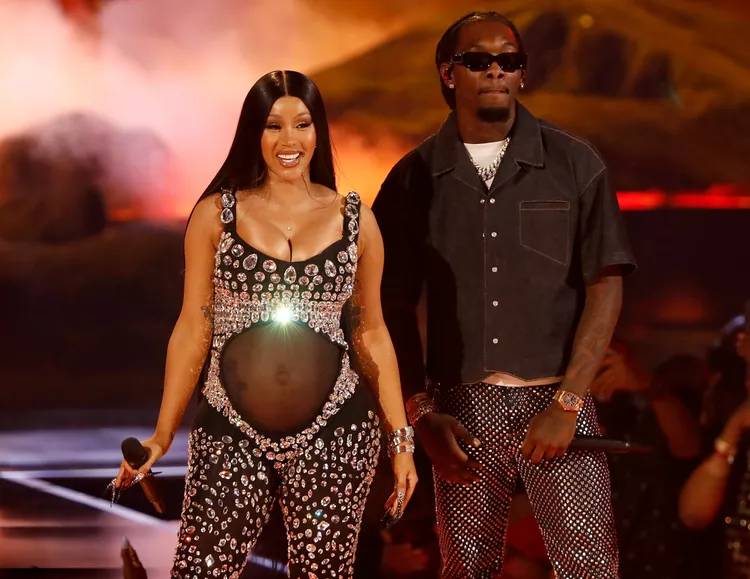
Cardi B, the Grammy-winning rapper known for hits like “I Like It” and “Am I the Drama?”, has officially announced her pregnancy with her fourth child, her first with NFL star boyfriend Stefon Diggs. The exciting news was shared during a candid interview on CBS Mornings that aired on September 17, 2025. The 32-year-old artist expressed her joy and strength as she balances pregnancy with an active career, revealing the baby is due before her upcoming tour in February. Cardi B, born Belcalis Almánzar, already shares three children with her estranged husband, rapper Offset: daughters Blossom and Kulture, and son Wave. This new addition will be a fresh chapter in her life, shared with Diggs, a 31-year-old wide receiver for the New England Patriots. Cardi described her relationship with Diggs as supportive and balanced, highlighting how the couple motivates each other to keep pushing forward. Pregnancy Announcement and Relationship Details In the heartfelt interview with CBS Mornings’ Gayle King, Cardi opened up about her pregnancy journey and her relationship with Stefon Diggs. Although the couple has been linked since October 2024, Cardi had kept the pregnancy under wraps to focus on closing business deals and ensuring the baby’s health before going public. “I’m having a baby with my boyfriend, Stefon Diggs,” Cardi revealed. She described feeling “happy” and “strong,” despite the challenges associated with both pregnancy and her music career. Cardi also shared how Diggs makes her feel emotionally and physically safe, joking about his impressive stature, which adds to her sense of security during this important time. The couple first appeared publicly together at a Boston Celtics vs. New York Knicks game at Madison Square Garden in May 2025, after months of attending events separately. Cardi admitted to being nervous about publicly addressing her pregnancy and relationship earlier, emphasizing the importance of sharing the news on her own terms. Family Dynamics and Future Plans Cardi B’s three children with Offset are well known to fans: Kulture Kiari, 7; Wave Set, 4; and Blossom Belle, born in September 2024. Offset also has three children from previous relationships. Meanwhile, Stefon Diggs is already a father to an 8-year-old daughter named Nova, born in 2016. Discussing their future family plans, Cardi joked, “Everybody was telling me, ‘I should have fun.’ And we had a little bit of too much fun and now I’m here. We’re very excited. We’re really happy.” She highlighted the relationship’s supportive nature, stating that both she and Diggs are “never comfortable” resting on their past successes but constantly push to achieve more. Despite her public persona, Cardi opened up about the emotional struggles she faces, revealing that two weeks before the interview, she had a panic attack related to the pressures of her album rollout and the harsh criticism she sometimes endures. Diggs provided her with much-needed confidence and encouragement during this challenging time. Cardi’s Career and Upcoming Projects Cardi B’s career continues to thrive as she prepares to launch a new album coinciding with her pregnancy news. She urged fans to support her upcoming release, humorously noting that the album sales will help her buy diapers for her growing family. The rapper consistently emphasizes the importance of ambition and drive, openly sharing her hopes for her children to be motivated to pursue their passions and become financial successes regardless of their chosen paths. Cardi’s Perspective on Motherhood Cardi B has long been transparent about her parenting journey, often sharing candid insights on social media. She once expressed on Instagram that her biggest hope for her children is that they develop a strong drive to succeed in life. “IDGAF what you wanna do!! MAKE A BILLION DOLLARS OUT OF IT!” she wrote, reflecting her values of determination and self-empowerment. Her recent pregnancy announcement marks a new chapter not only in her family life but also in her career, as she balances motherhood, music, and her relationship with Diggs. Final Thoughts Cardi B’s pregnancy news and her relationship with Stefon Diggs have captivated both fans and the media. The rapper’s honesty about her emotional and professional struggles, along with her optimistic outlook on expanding her family, showcase her resilience and dedication. Fans eagerly await both the arrival of her new baby and the release of her upcoming album as Cardi B continues to make waves in the entertainment industry. For more insights, follow The Business Tycoon
Beyond Buzzwords: Building Truly Inclusive Workplaces from Policy to Practice

Inclusion is a Culture, Not a Checkbox In today’s global, interconnected world, diversity and inclusion are no longer just HR buzzwords; they are business imperatives. Yet, despite a surge of corporate pledges and polished diversity statements, many organizations still struggle to translate inclusive ideals into everyday reality. True inclusion goes beyond hiring quotas and diversity metrics; it means creating a culture where everyone feels respected, valued, and empowered to contribute. It’s about moving from performative gestures to intentional actions. In this article, we explore how organizations can build inclusive workplaces by bridging the gap between policy and practice, driving not just compliance but belonging, innovation, and sustainable success. 1. Why Inclusion Matters More Than Ever The Business Case for Inclusion In short, inclusion is not just the right thing to do, it’s also strategically smart. 2. From Diversity to Inclusion: Understanding the Difference Diversity is about who is at the table. Inclusion is about who gets to speak and be heard. A company can be diverse on paper and still exclusive in practice. Term Definition Diversity Representation of different identities (race, gender, age, ability, etc.) Inclusion Creating a culture where all people feel welcomed, respected, and valued Equity Ensuring fair treatment, access, and advancement for all Belonging An emotional experience of feeling accepted and supported Building an inclusive workplace involves intentionally designing systems and behaviors that foster equity, representation, and respect at every level. 3. Laying the Groundwork: Inclusive Policies That Matter Before culture can flourish, there must be clear policies that reflect inclusive values. Key Inclusive Policies to Implement: Tip: Inclusion isn’t static. Regularly review and update policies to reflect evolving needs and legal standards. 4. Embedding Inclusion into Daily Workplace Practices Policies are only effective when brought to life through daily behavior and culture. Leadership Commitment Inclusion must be modeled from the top. Leaders must: Example: CEOs who share their commitment to DEI in all-hands meetings help set the tone for the entire company. Inclusive Meetings Inclusive Language Words matter. Adopt language that: Allyship in Action Inclusive Culture = Consistent Actions + Reinforced Norms 5. Training with Intent: Moving Beyond the Basics While unconscious bias training is common, it’s not enough on its own. Effective DEI education should be: Advanced Topics to Consider: Pro Tip: Invite lived experiences into training. Listening to real stories can shift mindsets more than any slideshow. 6. Measuring Inclusion: Metrics That Matter You can’t improve what you don’t measure. Go beyond headcount and track true inclusion indicators: Quantitative Metrics: Qualitative Insights: Warning: Metrics without context can be misleading. Pair numbers with a narrative to understand what’s happening. 7. Technology’s Role in Building Inclusion Today’s digital tools can support inclusive practices when used thoughtfully: Example: Tools like Textio help HR teams write job ads with inclusive language that attracts diverse candidates. 8. Employee Resource Groups: Grassroots Inclusion Builders ERGs, voluntary, employee-led groups, can be powerful drivers of inclusion and belonging. Examples include: Benefits of ERGs: Support ERGs with budgets, executive sponsorship, and visibility. 9. Inclusive Remote and Hybrid Workplaces With remote work on the rise, inclusion needs to be reimagined for distributed teams. Strategies for Remote Inclusion: Challenge: Avoid proximity bias, don’t favor in-office employees over remote ones when it comes to promotions or visibility. 10. From Policy to Culture: The Role of Leadership and Accountability Ultimately, inclusion succeeds when leaders live the values and hold themselves accountable. Leadership Actions that Drive Inclusion: Tip: Create an Inclusion Council with members across departments and levels to guide strategy and accountability. 11. Common Pitfalls and How to Avoid Them Pitfall Solution Performative DEI Backward with action. Fund programs and track results. One-size-fits-all policies Customize strategies based on employee feedback. Ignoring intersectionality Consider overlapping identities in all initiatives. Tokenism Don’t just hire diverse talent, empower them. Overburdening marginalized employees Don’t rely solely on minority voices to educate others. Share the labor. Inclusion is a shared responsibility, not just for HR but for everyone. 12. The Future of Inclusive Workplaces: What’s Next? The most progressive companies are now moving toward: As workforces evolve, so must the strategies to support them. Inclusion is no longer optional, it’s the foundation of a future-ready workplace. Conclusion: Inclusion Is a Daily Practice, Not a Policy Manual Building an inclusive workplace is not a destination, it’s a journey of continuous learning, listening, and action. From thoughtful policies to everyday behaviors, inclusion must be intentional, accountable, and rooted in empathy. True inclusion creates workplaces where people don’t just survive, they thrive. Where differences are celebrated, not merely tolerated. Where innovation, engagement, and impact are born from belonging. Whether you’re a CEO, manager, or new hire, your actions matter. Because culture isn’t built by statements on a wall, it’s built by what we say, do, and reinforce every day. So let’s stop talking about inclusion and start practicing it. One policy, one conversation, one act of allyship at a time. For more insights, follow The Business Tycoon
From Side Hustlers to Market Movers: Decoding the Rise of Retail Investors in Public Markets

The Dawn of the Everyday Investor In a world once dominated by Wall Street elites and institutional giants, a quiet revolution has been unfolding. From basements and coffee shops to smartphones and Reddit threads, millions of ordinary individuals, known as retail investors, have stormed the gates of public markets. What began as a pandemic-driven spike in trading activity has evolved into a sustained shift in market dynamics. Retail investors are no longer passive spectators or penny stock dabblers. They are vocal, informed, coordinated, and sometimes even disruptive. From GameStop’s legendary short squeeze to TikTok stock tips and meme-stock rallies, the collective power of retail traders is impossible to ignore. But what explains this surge in participation? What impact are these investors having on market behavior, corporate governance, and financial regulations? And most importantly, what does the rise of retail investors mean for the future of investing? Let’s decode this fascinating transformation. I. Who Are Retail Investors? Retail investors are individuals who invest their own money, typically through brokerage platforms, as opposed to institutions like mutual funds, pension funds, or hedge funds. They may be college students, Uber drivers, teachers, or corporate employees, basically, anyone who buys and sells securities for personal gain. Key characteristics include: II. The Catalysts Behind the Surge Several converging forces have led to the rise of the retail investor: 1. Technology and Accessibility Apps like Robinhood, Zerodha, Webull, and eToro have made investing as easy as ordering takeout. With user-friendly interfaces, zero-commission trades, and fractional shares, even those with limited capital can participate in public markets. 2. The Pandemic Effect During COVID-19 lockdowns, millions found themselves with time on their hands, stimulus checks in their accounts, and a desire to take control of their finances. Retail trading activity surged by over 40% in 2020, according to Bloomberg. 3. Social Media and Community Investing Platforms like Reddit (WallStreetBets), Twitter (FinTwit), YouTube, and TikTok democratized financial knowledge. Suddenly, anyone could share stock picks, decode charts, or even lead investment movements. 4. Meme Culture and FOMO Stocks became viral trends. GameStop, AMC, and Bed Bath & Beyond turned into symbols of rebellion against Wall Street. The fear of missing out (FOMO) became a powerful psychological driver. 5. Distrust in Institutions After the 2008 financial crisis and several corporate scandals, many retail investors developed a skepticism toward traditional financial institutions. Investing became not just a wealth-building strategy, but a form of self-empowerment. III. The New Power Dynamics of Retail Trading The influence of retail investors can now be felt across several dimensions: 1. Market Volatility and Price Surges Coordinated buying sprees, fueled by social media, can lead to massive price movements. GameStop, for example, soared over 1,700% in a matter of weeks in early 2021, costing hedge funds billions. 2. Challenging Institutional Short-Sellers Retail traders have proven they can challenge hedge funds and drive up prices in heavily shorted stocks. This has prompted increased scrutiny of short-selling strategies and regulatory calls for transparency. 3. Increased Trading Volumes Retail investors now account for roughly 20–25% of daily trading volume on average, up from around 10% a decade ago. In some markets, retail investors have even overtaken institutional activity. 4. Influence on Corporate Strategy Some companies now pay closer attention to retail shareholders. AMC, for instance, referred to its retail base as “Apes” and even offered investor perks like free popcorn. IV. The Tools and Trends Empowering Retail Investors 1. Fractional Shares Retail investors can buy a piece of high-priced stocks (like Amazon or Tesla) without needing thousands of dollars, making investing more inclusive. 2. Zero-Commission Trading Pioneered by Robinhood and now adopted widely, zero-commission trading removes a key barrier for small investors. 3. Robo-Advisors and AI Tools Platforms like Wealthfront, Betterment, and Groww offer algorithm-driven investment strategies tailored to individual risk profiles, perfect for new investors. 4. Crypto and Alternative Assets Retail investors are not just trading stocks. They’re diving into cryptocurrencies, NFTs, and fractional real estate, broadening the definition of public markets. V. The Double-Edged Sword: Risks and Criticisms While empowering, the retail revolution is not without its downsides. 1. Market Manipulation and Pump-and-Dump Schemes Coordinated online activity can sometimes blur the line between collective action and manipulation, creating legal and ethical dilemmas. 2. Lack of Financial Literacy Not all retail traders understand fundamentals. Emotional decisions, overtrading, and chasing hype can lead to losses. 3. Addictive Trading Behavior The gamification of trading, flashing lights, confetti, and dopamine-driven design can encourage compulsive trading, turning investment into a form of gambling. 4. Meme Stock Fatigue Stocks driven purely by sentiment often see volatile crashes, leaving late investors holding the bag. GameStop and AMC both fell over 80% from their peaks after the frenzy cooled. VI. Regulation and the Changing Rulebook Regulatory bodies are racing to catch up with the new dynamics of public investing: In India, SEBI has introduced measures to protect retail traders from market volatility, such as stricter margin requirements and circuit breakers. VII. The Democratization of Finance: A Paradigm Shift At its heart, the rise of retail investors is about democratization, taking the tools of wealth creation and putting them in the hands of everyday people. Benefits include: VIII. How Retail Investors Can Thrive To make the most of this newfound power, retail investors must approach markets strategically. 1. Education First Before jumping in, invest time in learning about: 2. Long-Term Thinking Over Hype Hype may deliver short-term gains, but it often ends in losses. Long-term, diversified strategies build real wealth. 3. Use Reliable Platforms Choose brokers that are transparent, regulated, and offer robust customer support. 4. Set Goals and Limits Define financial goals, retirement, home buying, passive income, and avoid chasing unrealistic returns. Set stop-losses and know when to exit. IX. The Future: Where Do We Go from Here? The retail revolution is just getting started. Here’s what the future might hold: In this new world, the lines between investing, social engagement, and activism will continue to blur. Conclusion: The Power of the People Retail investors are
Nepal Appoints Sushila Karki as First Woman Prime Minister Amid Mass Protests
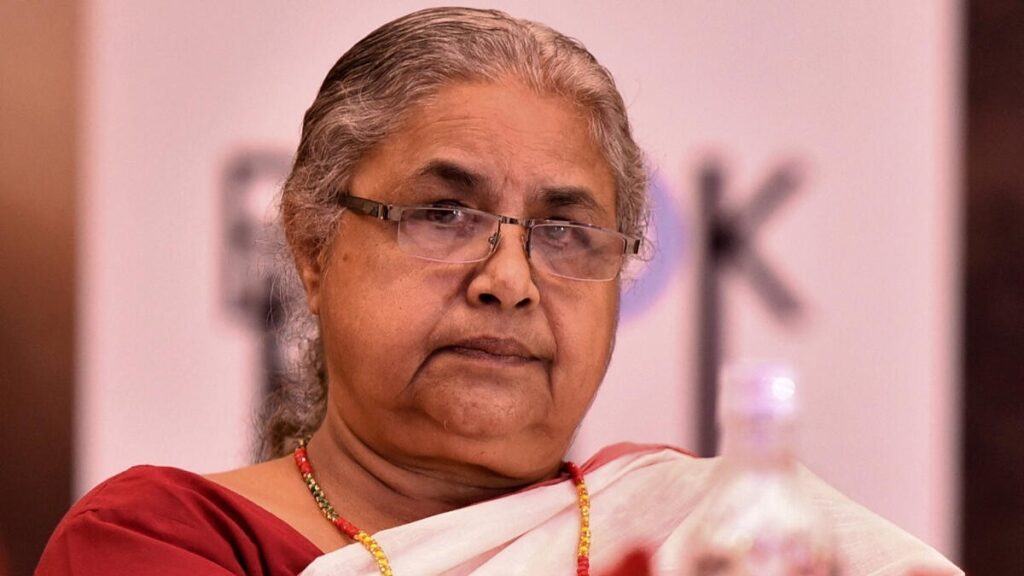
Historic Appointment of Nepal’s First Woman Prime Minister Nepal has made history by appointing Sushila Karki, the country’s former chief justice, as its first female Prime Minister. The oath-taking ceremony took place at Rashtrapati Bhawan amid a backdrop of widespread demonstrations against corruption and unemployment. Background: Mass Protests Spark Political Change The appointment follows weeks of nationwide protests, largely led by young Nepalese frustrated with corruption and job scarcity. These protests intensified to a point where former Prime Minister KP Sharma Oli resigned, and more than 50 people lost their lives in clashes with security forces. Key Figures Present at the Ceremony The swearing-in ceremony was attended by President Ramchandra Paudel, Vice President Ram Sahay Yadav, Nepal Army chief General Ashok Raj Sigdel, and Chief Justice Prakash Man Singh Rawat, signaling a united front in Nepal’s political leadership. Sushila Karki’s Profile: A Symbol of Integrity and Reform Sushila Karki served as Nepal’s first female chief justice from 2016 to 2017. She is widely respected for her strict anti-corruption stance and judicial integrity. Despite facing political challenges during her tenure, including an unsuccessful impeachment attempt, Karki remains a strong reform advocate. Other Candidates Considered While Karki was the consensus candidate, other popular names included Kulman Ghising, credited with solving Nepal’s power shortages, and Balendra Shah, Kathmandu’s mayor and a notable young politician. Karki’s legal background gave her the edge. Looking Ahead: Scheduled General Elections Following Karki’s appointment, Nepal has announced that general elections will be held on March 5, 2026. The new leadership aims to steer the country through reforms and address the root causes of the recent unrest. Also Read: Nepal Gen Z Protests 2025: Youth Demand Parliament Dissolution & Constitutional Amendments Amid Deadly Unrest
Nepal Gen Z Protests 2025: Youth Demand Parliament Dissolution & Constitutional Amendments Amid Deadly Unrest
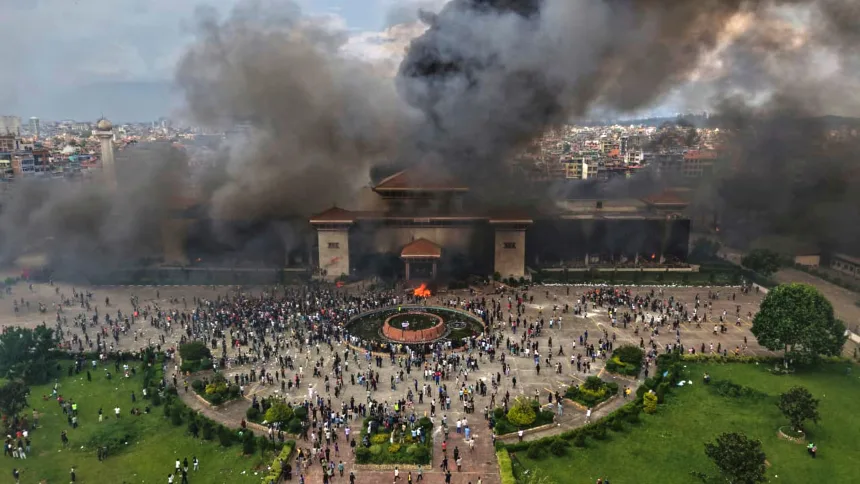
Nepal is witnessing one of its most intense uprisings in recent years, led predominantly by Generation Z activists demanding political reform, transparency, and an end to entrenched corruption. What began as a peaceful protest opposing a government-imposed ban on social media platforms rapidly escalated into violent clashes, resulting in at least 34 deaths and over a thousand injured, shaking the nation to its core. Origins and Escalation of the Nepal Gen Z Protests The Nepal gen z protests erupted following a government order issued on September 4, 2025, shutting down 26 popular social media platforms including Facebook, X (formerly Twitter), YouTube, Snapchat, and others. This move was part of regulatory demands but ignited widespread fury, particularly among Nepal’s youth, who rely heavily on these platforms for communication and expression. The ban became the “final straw” amid harassment scandals, rampant unemployment, rising inequality, and blatant political corruption, especially highlighting the undue privileges of political elites and their families. Tens of thousands, largely composed of young demonstrators from the Gen Z demographic (ages approx. 13-28), gathered initially in Kathmandu’s Maitighar Mandala and other key locations. The protests quickly grew, with demonstrators attempting to breach the Federal Parliament building, prompting a harsh security crackdown that involved tear gas, rubber bullets, water cannons, and live ammunition. The violence left at least 34 dead and hundreds injured, sparking national and international condemnation. Political Fallout and Calls for Reform In the face of escalating unrest, Nepal’s Prime Minister K.P. Sharma Oli resigned on September 9, 2025, acknowledging the “extraordinary situation.” However, the resignation has not quelled the demands of protestors who are pushing for deeper systemic changes. The youth activists advocate for the dissolution of the current Parliament and the formation of an interim government. They also call for necessary amendments to the Constitution to better reflect the will of the people but assert that the Constitution itself should not be dismantled. The Gen Z movement, characterized by its leaderless and decentralized nature, has proposed former Chief Justice Sushila Karki—the country’s first female chief justice—as the interim leader tasked with guiding Nepal through this political transition. Talks involving Gen Z representatives, the President Ramchandra Paudel, and Army Chief Ashok Raj Sigdel are ongoing at the army headquarters in Bhadrakali to facilitate this transition and restore order. Gen Z spokesperson Ojaswi Raj Thapa emphasized, “Right now, we need an interim government, for which we have proposed the name of Sushila Karki… We want to dissolve the current Parliament and maintain law and order in the country.” Despite the unrest, the movement stresses its commitment to peaceful, lawful action, seeking transformation without discarding Nepal’s democratic framework. Security and Humanitarian Concerns As protests engulfed the nation, the Nepali Army was deployed across Kathmandu to restore peace and enforce curfews, particularly near government buildings. The unrest also caused chaos at the district jail in Rajbiraj, where 192 prisoners attempted an escape; many were apprehended by security forces and border personnel. Shops, schools, and essential services remain largely closed, contributing to a tense and uncertain atmosphere. On the international front, the Government of India and various Indian state governments have been actively coordinating the safe evacuation of their citizens stranded in Nepal. Special flights arranged by Air India and efforts from states like Andhra Pradesh and Chhattisgarh have helped bring hundreds of Indian nationals safely home amidst the crisis. Indian politicians, including NCP’s Supriya Sule and BJP’s Anurag Thakur, have expressed concern and urged for peaceful resolution citing close India-Nepal ties. Impact and Future Outlook Nepal Gen Z protests have exposed deep-rooted dissatisfaction among the country’s youth over political corruption, lack of employment opportunities, and inadequate representation. Many see the movement as a historic step towards reclaiming Nepal’s democracy and addressing longstanding socio-economic issues. Despite the Prime Minister’s resignation, the movement shows no signs of abatement, focusing now on interim governance and constitutional amendments to pave the way for credible elections within six months, as noted by Gen Z leaders. The road ahead remains uncertain but signals a powerful demand from Nepal’s youth for transparency, accountability, and change. Summary of Key Developments This ongoing political upheaval marks a critical juncture for Nepal, highlighting the power of youth activism and pressing need for meaningful reforms. The nation—and the world—watch as Nepal’s Gen Z aims to reshape its political landscape for generations to come. For more insights, follow The Business Tycoon
Charlie Kirk Assassination: Manhunt Underway as Shooter Remains At Large
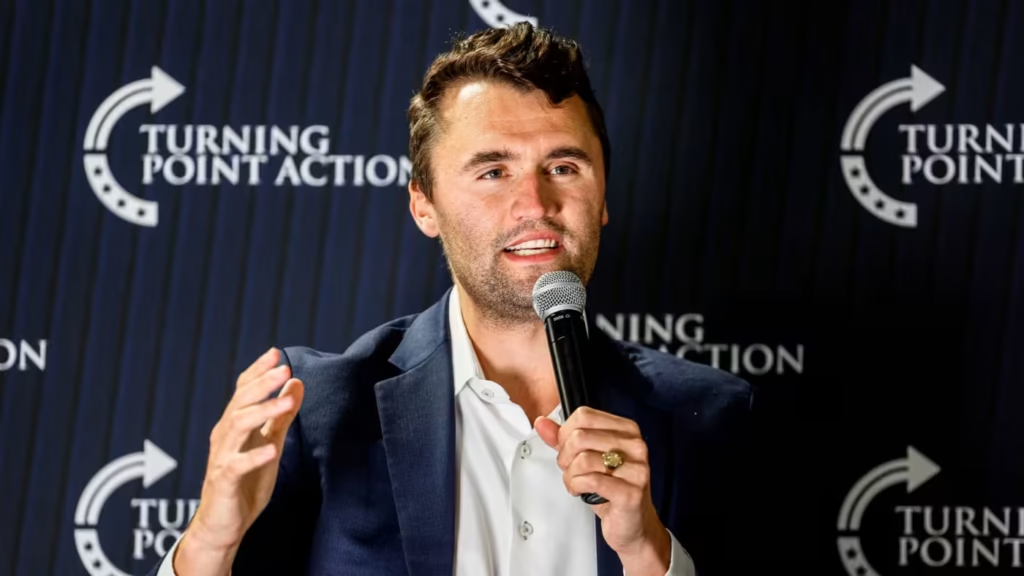
Charlie Kirk, a prominent conservative activist and close ally of former US President Donald Trump, was tragically shot dead at a public event held at Utah Valley University on September 10, 2025. The 31-year-old political figure, known widely as the co-founder of Turning Point USA and an influential voice among conservative youth, was fatally wounded during a “Prove Me Wrong” debate as part of his organization’s “The American Comeback Tour”. Details of the Charlie Kirk Assassination Kirk was seated under a white tent emblazoned with slogans like “Freedom” and “Prove Me Wrong,” engaging with several thousand attendees when a single gunshot rang out from a distant rooftop approximately 150 yards away. Witnesses and video footage reveal a sudden eruption of chaos as Kirk clutched his neck with blood visibly gushing from the injury, then collapsed. His security detail immediately transported him away on a stretcher amid screaming and panic from the crowd. The shooter reportedly used a high-powered bolt-action rifle, which was later recovered from a wooded area near the university. Despite an intense manhunt led by the FBI and Utah law enforcement agencies, the suspect remained at large as of the latest updates. Authorities have released photos of a person of interest while collecting forensic evidence such as footwear impressions and palm prints to aid in the investigation. Political and Public Reaction President Donald Trump, in a public address, confirmed Kirk’s death and described him as a “great, and even legendary” figure who deeply understood America’s youth. Expressing heartfelt condolences to Kirk’s family, Trump vowed decisive action against political violence, stating, “My administration will find each and every one of those who contributed to this atrocity and to other political violence, including the organizations that fund it and support it.” Trump also announced plans to posthumously award Kirk the Presidential Medal of Freedom, the nation’s highest civilian honor. Utah Governor Spencer Cox called the killing a “political assassination” and pledged to work closely with federal authorities to ensure justice. He expressed sympathy for Kirk’s family and upheld a commitment to finding the perpetrator. In addition, political leaders from across the spectrum condemned the attack and called for enhanced security measures for public political events. Context and Legacy of Charlie Kirk Charlie Kirk founded Turning Point USA at the age of 18 to promote conservative principles on university campuses, which are often viewed as liberal strongholds. His organization grew rapidly and currently boasts over 850 chapters nationwide. Kirk was known not only for his public speaking and debates but also for his active media presence, including podcasts and social media, becoming a pivotal figure in mobilizing conservative youth and supporting the MAGA movement. The Utah event at which Kirk was assassinated was part of his nationwide tour aiming to revive conservative values and engage younger generations on critical issues such as free speech, family rights, and national identity. His death has sparked widespread grief among his followers and sparked renewed discussions on political violence and security failures at public forums. Ongoing Investigation and Security Concerns At least two individuals detained shortly after the shooting were released after no ties to the crime were established. The FBI continues to encourage public tips and closely analyzes surveillance footage and physical evidence to identify and apprehend the shooter. Given the assassination took place outdoors with limited security screening, questions have been raised about the adequacy of safety protocols at such events with large crowds. The killing of Charlie Kirk comes amid growing fears of politically motivated violence in the United States, especially targeting conservative figures. Calls for better protection and prevention of such attacks have intensified in the wake of this incident, with some prominent voices advocating for the reduction of outdoor political rallies until security can be ensured. Conclusion Charlie Kirk’s assassination marks a deeply unsettling moment in contemporary US political life, spotlighting the risks faced by public political figures and activists. The manhunt for the shooter is ongoing, with federal and state authorities employing every resource available to ensure swift justice. Kirk’s legacy as a conservative youth leader and his impact on the political landscape continue to be commemorated as supporters rally in his memory For more insights, follow The Business Tycoon
Green is the New Gold: How Sustainable Finance is Merging Profit with Purpose

Rethinking Wealth in a Changing World As climate change accelerates, social inequalities deepen, and consumer consciousness rises, the financial world is undergoing a profound transformation. Gone are the days when success was measured by profits alone. Today, investors, corporations, and governments are aligning their financial strategies with a greater sense of responsibility. Enter sustainable finance, a movement that goes beyond mere returns and seeks to create long-term value for both shareholders and society. Sustainable finance is not a trend. It’s a fundamental shift in how capital is deployed, one where environmental, social, and governance (ESG) criteria play a critical role in decision-making. From green bonds to impact investing, this approach is revolutionizing the financial landscape, proving that doing well and doing good are not mutually exclusive. In this blog, we’ll explore the core principles of sustainable finance, its tools, benefits, real-world examples, challenges, and how it is redefining the future of money and meaning. I. What is Sustainable Finance? Sustainable finance refers to financial activities, investing, lending, and asset management that incorporate environmental, social, and governance considerations into decision-making processes. It seeks to support economic growth while reducing pressures on the environment, addressing inequality, and promoting ethical governance. Key Pillars of Sustainable Finance: This framework encourages capital to flow toward activities that contribute to a more resilient and equitable global economy. .II. Why It Matters Now More Than Ever The urgency for sustainable finance has never been clearer: According to the Global Sustainable Investment Alliance (GSIA), over $35 trillion was allocated to sustainable investments globally in 2022, representing more than a third of all assets under management. III. Tools and Instruments of Sustainable Finance Sustainable finance uses a range of financial tools to create both impact and income. 1. Green Bonds These are debt instruments specifically earmarked to finance environmentally friendly projects like wind farms, solar energy installations, or clean water infrastructure. 2. Social Bonds Similar to green bonds, but focused on social projects such as affordable housing, education, or healthcare. 3. Sustainability-Linked Loans These loans offer incentives such as lower interest rates to borrowers who meet ESG targets (e.g., reducing carbon emissions or increasing gender diversity). 4. ESG Funds Mutual funds and ETFs that screen investments based on ESG performance. These funds often exclude companies involved in fossil fuels, tobacco, weapons, or human rights abuses. 5. Impact Investing Goes beyond ESG by actively seeking measurable social and environmental outcomes alongside financial returns. IV. How Businesses Benefit from Sustainable Finance Aligning with ESG principles is not just about ethics; it’s a smart financial strategy. 1. Risk Mitigation 2. Access to Capital 3. Operational Efficiency 4. Brand Loyalty and Talent Retention V. Real-World Success Stories 1. Tesla, Inc. While controversial in some governance areas, Tesla revolutionized sustainable mobility. Its market valuation soared due to investor confidence in a clean-energy future. 2. Unilever Unilever’s Sustainable Living Plan integrated ESG into its core operations, leading to reduced costs and increased growth. Brands like Dove and Ben & Jerry’s, known for their ethical stances, outperform others in the company’s portfolio. 3. BlackRock The world’s largest asset manager made headlines by placing climate change at the center of its investment strategy. CEO Larry Fink’s annual letters emphasized that sustainability is the new standard for investing. VI. ESG Reporting and Measurement Measuring ESG impact can be complex, but several global frameworks help bring consistency and accountability: Many companies now publish annual sustainability reports alongside financial reports, increasing transparency for stakeholders. VII. Challenges in Sustainable Finance Despite its promise, sustainable finance faces several roadblocks: 1. Greenwashing: Some companies exaggerate or misrepresent their sustainability efforts to attract ESG investors without real impact. 2. Lack of Standardization: Different regions and institutions use different metrics, making comparison difficult. 3. Short-Termism: Financial markets are still heavily influenced by quarterly results, making it challenging to prioritize long-term sustainability goals. 4. Data Gaps: Reliable ESG data can be hard to come by, especially in developing markets or private companies. VIII. The Future of Sustainable Finance 1. Tech-Driven ESG Analytics: AI and blockchain are revolutionizing ESG analysis by improving transparency, tracking carbon credits, and ensuring traceability in supply chains. 2. Mandatory ESG Disclosures: Countries like the UK, the EU, and Canada are moving toward mandatory climate risk reporting for financial institutions and large businesses. 3. Rise of Sustainable FinTech: Startups are emerging to offer green digital banking, climate risk scoring, and personal finance apps with sustainability filters. 4. Blended Finance Models: Public-private partnerships are combining philanthropy, government funding, and private investment to scale impactful solutions in infrastructure, clean energy, and education. IX. Aligning Personal and Corporate Finance with Purpose Sustainable finance isn’t just for Fortune 500 companies. Small businesses, individual investors, and startups can contribute too: Ultimately, aligning money with mission creates a ripple effect across economies and ecosystems. Conclusion: Building a Greener, Fairer Future, One Dollar at a Time Sustainable finance is not a compromise. It is an evolution of capitalism, one where capital flows toward value that lasts, not just value that grows. Aligning profit with purpose is no longer an idealistic pursuit; it’s a practical strategy for resilience, relevance, and responsible growth. As the world grapples with urgent global challenges, sustainable finance empowers us to invest in the kind of future we want to live in. It asks every business, every investor, and every individual not just how much they earn, but how they earn it, and what kind of world that income creates. Because at the end of the day, the most valuable return isn’t just financial, it’s the future we’re able to secure for generations to come. For more insights, follow The Business Tycoon