
Balenciaga: A Case Study of Luxury, Controversy, and Resilience

In the ever-evolving world of high fashion, few brands have experienced as tumultuous a journey as Balenciaga. From its humble beginnings in Spain to becoming a global luxury powerhouse, and then facing near-cancellation due to controversial ad campaigns, Balenciaga’s story is one of innovation, provocation, and resilience. This case study delves into the brand’s rich history, its rise to prominence, the controversies that nearly toppled it, and its current position in the fashion landscape as of 2024. Brand History and Evolution The Founding Years (1919-1968) Balenciaga was established in 1919 by Cristóbal Balenciaga in San Sebastian, Spain. The brand quickly gained recognition for its innovative designs and high-quality craftsmanship. In 1937, due to the Spanish Civil War, Balenciaga relocated to Paris, opening a boutique on Avenue George V. This move marked the beginning of Balenciaga’s ascent in the world of haute couture. Cristóbal Balenciaga, often referred to as “The Master” by his contemporaries, revolutionized women’s fashion with his architectural designs and unconventional silhouettes. His bubble skirts, tunic dresses, and sack dresses challenged the fitted styles of the 1950s and earned him a devoted following among fashion’s elite. The Transition Years (1968-1997) In 1968, Cristóbal Balenciaga closed his fashion house, shocking the industry. The brand lay dormant for nearly two decades until it was revived in 1986. However, it struggled to regain its former glory, changing hands multiple times and experiencing varying degrees of success. The Kering Era and Revitalization (1997-Present) A significant turning point came in 2001 when Balenciaga was acquired by the Gucci Group, now part of Kering. This acquisition brought much-needed stability and resources to the brand. Under the creative direction of Nicolas Ghesquière (1997-2012), Balenciaga experienced a renaissance, blending its couture heritage with a modern, edgy aesthetic that appealed to a new generation of fashion enthusiasts. In 2015, Demna Gvasalia took over as creative director, ushering in a new era for Balenciaga. Demna’s vision combined the brand’s couture roots with streetwear influences, resulting in iconic pieces like the Triple S sneakers and oversized hoodies that became instant cult favorites. Rise to Prominence of Balenciaga Innovative Designs Balenciaga’s ascent in the fashion world during the 21st century can be traced back to its innovative and daring designs. Both under the creative direction of Nicolas Ghesquière and later Demna Gvasalia, the brand consistently pushed the boundaries of fashion. Balenciaga became known for creating avant-garde, trend-setting pieces that captured the essence of contemporary culture. The brand’s designs were often futuristic yet timeless, blending bold silhouettes with modern sensibilities. This allowed Balenciaga to stay relevant and influence key fashion movements, particularly during the rise of streetwear culture. Celebrity Endorsements Celebrity endorsements played a crucial role in elevating Balenciaga’s visibility and desirability. The brand’s collections quickly became favorites among high-profile celebrities, influencers, and fashion icons. A-list personalities such as Kim Kardashian, Justin Bieber, and Beyoncé embraced the brand, showcasing its pieces on red carpets, social media, and in public appearances. These endorsements not only cemented Balenciaga’s status as a luxury brand but also attracted a younger, more fashion-conscious audience. Digital Strategy Balenciaga embraced the digital transformation of the fashion industry, which helped propel its growth. The brand understood the importance of digital marketing, social media, and e-commerce. By effectively engaging with consumers on platforms like Instagram, TikTok, and YouTube, Balenciaga reached younger, tech-savvy consumers who were looking to make fashion a form of self-expression. Moreover, its strategic move into e-commerce allowed it to expand its global footprint, making its collections accessible to a wider audience. Collaborations In recent years, Balenciaga has been at the forefront of high-profile collaborations that further fueled its popularity. The brand’s partnerships with brands like Crocs and Adidas have generated significant buzz, attracting new customer segments. These collaborations allowed Balenciaga to break into new markets, appeal to diverse demographics, and tap into the cultural zeitgeist of collaboration-driven fashion. Whether through limited-edition sneakers or bold fashion statements, these collaborations helped Balenciaga maintain its relevance and create products that went viral. Cultural Commentary Creative Director Demna Gvasalia has been known for using his designs to incorporate social and political commentary. His collections often reflect pressing cultural issues, offering a unique perspective on the world through the lens of fashion. This resonated deeply with consumers who sought meaning in their fashion choices, elevating the brand’s image as more than just a luxury label but a powerful voice in the conversation surrounding modern societal challenges. By early 2022, Balenciaga’s innovative approach paid off, as it reached the top of Lyst’s influential Index, becoming one of the fashion industry’s “hottest” brands and solidifying its position as a leader in luxury fashion. Controversies and Challenges The 2022 Ad Campaign Scandal In November 2022, Balenciaga faced a major public relations crisis due to two controversial ad campaigns that shocked the fashion industry and the public alike. The “Gift Shop” Campaign One of the campaigns that sparked immediate outrage was the “Gift Shop” campaign, which featured child models holding teddy bear bags dressed in BDSM-inspired outfits. The imagery was widely criticized for its inappropriate and disturbing undertones, with many accusing Balenciaga of sexualizing children. The shock value of the campaign was intended to challenge norms, but it instead led to widespread condemnation. The Spring 2023 Campaign A separate ad campaign, which featured models like Bella Hadid, Isabelle Huppert, and Nicole Kidman, also caused a stir. The campaign featured a Balenciaga x Adidas bag placed on top of papers that included a page from a U.S. Supreme Court decision related to child pornography laws. This juxtaposition caused a firestorm of controversy, with critics accusing Balenciaga of irresponsibly referencing sensitive and disturbing legal issues in its fashion marketing. Initial Response and Missteps Balenciaga’s response to the crisis was widely criticized as insufficient and misguided. Initially, the brand attempted to deflect responsibility, blaming external factors rather than taking full accountability. Additionally, the brand filed a $25 million lawsuit against the production company North Six and set designer Nicholas Des Jardins, a move that was seen as an attempt
CIA Official Arrested for Leaking Classified Intel on Israel-Iran Plans

In a high-profile case involving leaked classified intelligence, a CIA official arrest has captured global attention due to its potential impact on national security and international relations. The official, identified as Asif Rahman, has been charged with disclosing sensitive U.S. intelligence regarding Israel’s military plans against Iran. This CIA official arrest highlights ongoing challenges in protecting classified data within intelligence agencies. According to The New York Times, Rahman, who served overseas for the Central Intelligence Agency, was apprehended by the FBI in Cambodia. The CIA official arrest led to his pending court appearance in Guam, scheduled for Thursday. Last week, Rahman was indicted in Virginia on two counts of willful retention and transmission of national intelligence, following the CIA official arrest. Details of the Leak The sensitive documents that led to the CIA official arrest reportedly outlined Israel’s strategic preparations for a potential military strike on Iran. While the documents did not disclose specific targets, they were shared on a Telegram channel named Middle East Spectator, raising concerns about compromised intelligence and international security. Rising Tensions Between Israel and Iran The CIA official arrest comes amid escalating conflict in the Middle East. On October 1, Iran launched close to 200 ballistic missiles at Israel in response to the targeted killings of senior figures associated with Hamas and Hezbollah. This prompted Israel to retaliate with a series of military strikes on Iranian targets later in October. These actions have intensified regional instability, making the CIA official arrest and the leak of sensitive information a matter of heightened urgency for U.S. intelligence and its allies. Legal Proceedings and Implications Rahman, who held a top-secret security clearance, faces severe charges stemming from the CIA official arrest. This situation underscores the importance of safeguarding national security data, particularly during periods of international tension. If found guilty, Rahman’s case will have significant legal and operational implications, reinforcing the need for stringent intelligence protections. The arrest and the ensuing legal battle continue to draw global attention, with further developments expected as Rahman’s court proceedings begin. For more insights, follow The Business Tycoon
Mystery of Russia’s “Spy Whale” Revealed in New Documentary

The beluga whale, famously known as the “spy whale,” may have been guarding sensitive “Kremlin property” before its death in Norway, as revealed in a recent documentary. The whale, nicknamed Hvaldimir—a blend of the Norwegian word for whale, hval, and Russian President Vladimir Putin’s name—was discovered floating in Risavika Bay, southern Norway, this past September. The “Spy Whale” and Its Mysterious Past Hvaldimir first gained worldwide attention in April 2019 when fishermen spotted him near Ingoya, northern Norway. His unusual harness, equipped with a small camera and a buckle marked “Equipment St Petersburg,” fueled suspicions that he had been trained for espionage. New Evidence from BBC Documentary The BBC documentary Secrets of the Spy Whale, after a 10-month investigation, posits that Hvaldimir was more likely a trained “guard whale” rather than a spy. Director Jennifer Shaw shared with The Observer: “Our findings about Hvaldimir’s potential role bring us closer to solving the mystery, but they also raise further questions about what Russia might be guarding in the Arctic, and why.” How Animals Could Be Trained for Security The documentary team consulted a former dolphin trainer and experts from early US Navy programs to understand the use of animals as guards. According to Blair Irvine, dolphins and belugas have sensitive hearing, allowing them to detect noises and movements underwater, making them effective at tracking intruders. Shaw pointed out that Hvaldimir’s behavior, which included using his nose to interact with specific objects, suggested he had been trained for security purposes rather than intelligence gathering. Hvaldimir’s Death and Investigation On September 1, Hvaldimir was found deceased, raising concerns among animal rights groups who initially speculated he had been shot. However, an autopsy revealed a 35 cm by 3 cm stick lodged in his mouth, alongside superficial injuries. Norwegian authorities stated there was no evidence to suggest that human activity directly caused his death, concluding: “There is nothing in the investigations to suggest that human activity directly caused Hvaldimir’s death.” Conclusion While the documentary uncovers potential answers about Hvaldimir’s life and role, it also poses new questions about the use of marine mammals in military or security operations. The case of Hvaldimir continues to capture international interest, symbolizing both the mystery and complexity of animal training in military contexts. For more insights, follow The Business Tycoon
Leverage Brand Value: Essential Entrepreneurship Lessons for Success

In today’s competitive business landscape, building and to leverage brand value is crucial for long-term success. Entrepreneurs who know how to create a strong brand can set themselves apart, attract loyal customers, and increase their company’s overall value. While developing brand value requires time and effort, the rewards are significant. This article will explore essential entrepreneurship lessons for leveraging brand value, offering practical business tips, insights from successful entrepreneurs, and startup advice. What is Brand Value? Brand value represents the worth a brand adds to a product or service. It includes consumer perceptions, recognition, trust, and loyalty. A stronger brand leads to higher perceived value, increased sales, customer retention, and competitive advantage. Entrepreneurs need to build a brand that resonates with their target audience and leaves a lasting impression. Why Brand Value Matters for Entrepreneurs Key Benefits of a Strong Brand For startups and new businesses, establishing a robust brand is vital for success. A well-defined brand helps companies differentiate themselves, fostering trust and loyalty. Successful entrepreneurs leverage brand value to gain benefits like: Entrepreneurship lessons often highlight the role of brand value in achieving long-term growth and sustainability. Building a Strong Brand: Key Entrepreneurship Tips 1. Define Your Brand Identity The first step in leveraging brand value is to define your brand identity clearly. This includes your mission, values, vision, and messaging. A strong brand identity provides direction and consistency for marketing efforts. Follow these business tips: Defining your brand identity early establishes a foundation for building lasting brand value. 2. Focus on Customer Experience A brand’s value is built not only on marketing but also on the customer experience. Entrepreneurs should focus on every touchpoint, from first interactions to post-purchase support. Consider these startup tips: Satisfied customers often become brand advocates, boosting brand value through word-of-mouth. 3. Consistency is Key One of the most important lessons for entrepreneurs is maintaining brand consistency. A consistent message, image, and experience build trust and recognition. To achieve this: Consistency reinforces brand value and creates a lasting impact. Leveraging Brand Value: Insights from Successful Entrepreneurs 1. Apple: Innovation Meets Brand Value Apple’s brand value is tied to its reputation for high-quality, innovative products and a premium customer experience. By consistently delivering on promises of innovation, Apple has cultivated a loyal customer base willing to pay a premium. Lesson: Innovate consistently while staying true to your brand’s core values. 2. Nike: The Power of Storytelling Nike’s “Just Do It” slogan exemplifies the power of storytelling. Nike’s marketing campaigns inspire customers to push their limits, creating a brand synonymous with motivation and success. Lesson: Connect emotionally with your audience through storytelling. 3. Tesla: A Mission-Driven Brand Tesla’s brand is built on its innovative electric vehicles and a mission to advance sustainable energy. Founder Elon Musk’s consistent communication of the company’s vision appeals to environmentally conscious consumers and investors. Lesson: Align your business with a mission that resonates with your audience’s values. Practical Steps for Leveraging Brand Value 1. Invest in Brand Awareness Building brand value requires investing in brand awareness through digital marketing strategies such as SEO, social media, and content marketing. Use these startup tips: 2. Collaborate with Influencers Partnering with influencers or brand ambassadors who share your company’s values can boost credibility and expand your reach. 3. Monitor and Protect Brand Reputation Regularly monitor reviews, feedback, and social media mentions to maintain a positive brand image. Address negative feedback promptly and professionally. Conclusion Leverage brand value by applying the entrepreneurship lessons shared here. Whether you’re launching a startup or leading an established business, focusing on brand identity, customer experience, consistency, and innovation will help you build a powerful brand. Learn from successful entrepreneurs, apply these tips and strategies, and enhance your brand’s value for long-term success. For more insights, follow The Business Tycoon
European Banks Brace for Competitive Pressure Under Possible Trump 2.0

As global financial markets respond to recent political shifts, the European banks sector faces renewed challenges in keeping pace with its U.S. counterparts. With anticipation building around potential financial deregulation under a second Donald Trump presidency, major American banks such as JPMorgan, Goldman Sachs, and Morgan Stanley have seen a surge in their share prices. In contrast, the STOXX Europe 600 Banks index has declined by over 1% this week, signaling a potential competitive disparity ahead. European Banks and the Struggle for Profitability Since the global financial crisis of 2008-09, European lenders have been grappling with low profitability and sluggish economic growth. These factors have left them lagging behind U.S. banks, which have experienced significant valuation growth and increased market share particularly in the investment banking arena. While some European banks have made incremental progress this year, a shift in U.S. financial policy could undermine these gains. A Glimpse of Hope Dims Earlier this year, European banks were performing relatively well compared to their American counterparts. Optimism was fueled by expectations that the U.S. might adopt aspects of the Basel III regulations, which would require American banks to hold more capital and potentially level the competitive playing field. However, the political landscape changed dramatically with Trump’s recent election victory. Shares of major U.S. financial institutions surged, reflecting investor confidence in potential deregulation and tax incentives under a Trump administration. Meanwhile, the STOXX Europe 600 Banks index suffered, underscoring concerns over the renewed competitive gap between European and U.S. banks. The Impact of Deregulation and Tax Cuts The expectation is simple: deregulation and tax cuts in the U.S. contrast with Europe strict oversight and low-interest-rate grind, said David Materazzi, CEO of Italy-based automated trading platform Galileo FX. If the U.S. banking sector receives anticipated policy support, it could expand loan volumes and optimize capital allocation in ways that European banks cannot currently match. The disparity is already clear. While U.S. banks have tripled their value since early 2010, European banking shares have declined by approximately 10%. A European Central Bank (ECB) report highlighted that eurozone banks return on equity hovers around 5%, compared to 10% in the U.S. This performance gap is attributed to higher fee income for American banks and persistent non-performing loans within European institutions. European Leaders Take Note European policymakers are aware of the potential challenges ahead. Swiss Finance Minister Karin Keller-Sutter revealed that she had discussed the implications of U.S. deregulation with her British counterpart, Rachel Reeves. It was said beforehand that a wave of deregulation was coming in the USA, Keller-Sutter told Reuters, emphasizing the need to balance competitiveness with financial stability. Analysts believe this could provide European banks with leverage to advocate for more lenient regulatory measures within the European Union. The Prospect of Regulatory Change A potential wave of U.S. deregulation could usher in changes to capital requirements and merger regulations, particularly if Trump appoints Republican regulators to key positions. This could ease restrictions that have been in place since the 2010 Dodd-Frank financial reform law, which was designed to prevent another financial crisis. We can expect an uptick in regional bank mergers and increased corporate M&A activity due to a less restrictive Federal Trade Commission (FTC), said Michael Ashley Schulman, Chief Investment Officer at Running Point Capital Advisors. This could translate to higher investment banking fees, further boosting U.S. bank profitability. Challenges for European Banks While U.S. banks anticipate new opportunities, their European counterparts remain hampered by stricter oversight and economic challenges. If regulatory measures in Europe remain stringent, the gap between the two financial sectors may widen, posing significant strategic concerns for European institutions. With key U.S. regulatory appointments pending, the pace and extent of any financial deregulation remain uncertain. However, as the European banking sector braces for this potential shift, the focus will be on how it can adapt and respond to an evolving competitive landscape. For more insights, follow The Business Tycoon
Black Americans Express Concerns and Resolve After Trump’s 2024 Election Victory
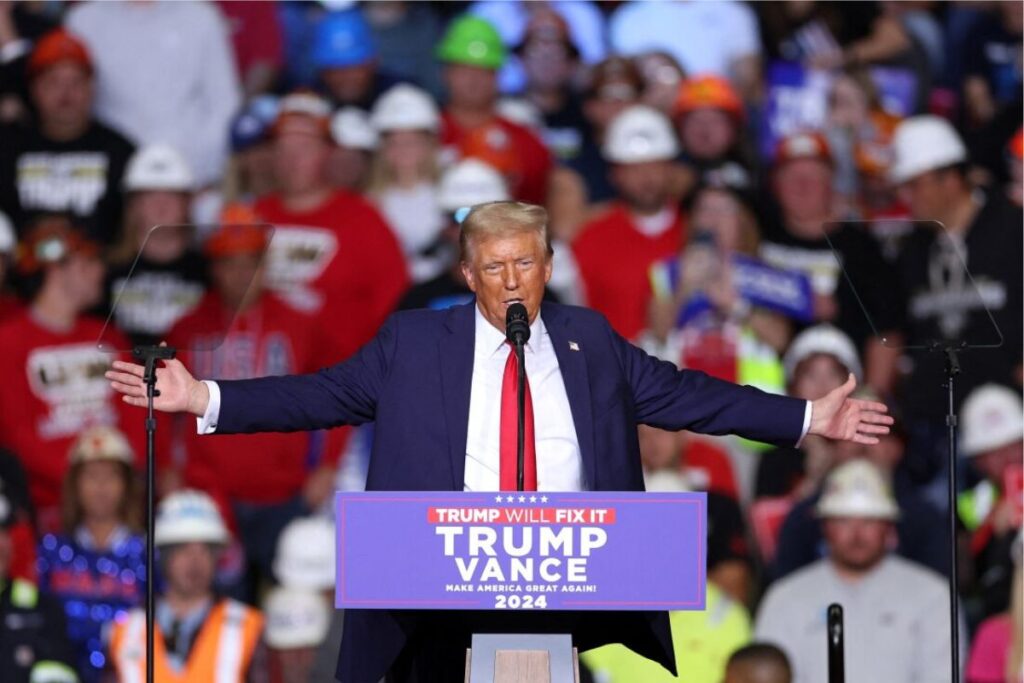
Donald Trump’s victory in the 2024 U.S. presidential election has sparked diverse reactions across Black American communities, with many expressing fears over potential setbacks in civil rights while others remain cautiously optimistic about economic opportunities. Reactions to Trump Re-Election Black Americans largely supported Democratic candidate Kamala Harris, even as Trump sought to win over Black male voters. While Trump made modest gains among Black voters in states like North Carolina, his overall share of the Black vote remained unchanged from 2020, according to an exit poll conducted by Edison Research. The poll also highlighted a significant shift in support for Trump among Hispanic voters. Black voter support was crucial in President Joe Biden\u2019s 2020 victory over Trump, and it also played a significant role in electing Kamala Harris as the first Black and Asian-American U.S. vice president. A Harris victory in 2024 would have marked a historic milestone as she would have become the first woman to hold the U.S. presidency. Concerns Over Civil Rights A majority of the Black Americans interviewed by Reuters voiced concerns that Trump second term could jeopardize civil rights progress. His campaign pledge to dismantle federal diversity and inclusion programs has raised alarm, fueling worries about the erosion of racial equality. Mary Spencer, a 72-year-old retired nurse and educator from Oak Creek, Wisconsin, expressed her dismay over Trump victory. Trump view of Black people is condescending,\u201d she said. \u201cHe believes we only aspire to jobs often associated with undocumented immigrants\u2014like housekeeping or landscaping\u2014positions he perceives as requiring little skill or education.\u201d In a July event with Black journalists, Trump asserted that immigrants were taking Black jobs,\u201d perpetuating negative stereotypes about the types of work Black Americans do. These statements have fueled skepticism and concern within the community. Trump Defense and Economic Claims Despite widespread criticism, Trump denies any accusations of racism and insists that his economic policies benefit all Americans, including Black citizens. His administration\u2019s agenda, he claims, will lower taxes, reduce housing costs, and create jobs across the board. The Trump campaign did not immediately respond to requests for further comment. Hopes for Economic Growth While many Black Americans are wary of the potential rollback of civil rights, some remain hopeful that Trump economic policies could foster job creation and boost economic growth. However, these potential benefits are often overshadowed by his history of polarizing rhetoric and controversial policy stances. Katrena Holmes, a 51-year-old entrepreneur from Riverdale, Georgia, voted for Harris with hopes of fostering national unity and addressing racial inequities. Reflecting on Trump re-election, Holmes noted that his leadership could stall or even reverse progress in closing racial gaps, given his policy approach and divisive language. Commitment to Continued Advocacy Civil rights groups have pledged to strengthen their advocacy efforts to ensure that racial equality remains a priority. Leaders of these organizations emphasize the importance of resilience and active engagement to protect civil rights and push for legislative measures that safeguard the interests of Black Americans. As Trump presidency resumes, Black American communities are preparing for both the opportunities and challenges that lie ahead. Balancing cautious optimism for economic growth with a vigilant eye on civil rights, they remain determined to continue the fight for equity and justice. For more insights, follow The Business Tycoon
Overcoming Fear in Entrepreneurship: Key Lessons for Success

Fear is a natural part of entrepreneurship. From the uncertainty of launching a business to the risks of scaling it, fear can paralyze even the most ambitious individuals. However, successful entrepreneurs understand that learning to manage fear is crucial for growth. This article explores the role of fear in entrepreneurship, offering entrepreneurship tips, valuable business lessons, and startup advice to help you transform fear into a driving force for success. The Role of Fear in Entrepreneurship Fear in entrepreneurship manifests in various forms—fear of failure, fear of financial loss, fear of criticism, and fear of the unknown. While it’s a common experience, fear can be a double-edged sword. It can either hinder progress or serve as motivation to innovate and succeed. Common Fears Entrepreneurs Face Why Fear Shouldn’t Hold You Back While fear is inevitable, it should not dictate your path. Fear can be a catalyst for growth when properly managed. Here’s how successful entrepreneurs turn fear into fuel for progress: How to Overcome Fear in Entrepreneurship The good news is that fear can be managed and even conquered. Here are some practical entrepreneurship tips for overcoming fear and building a successful business: 1. Educate Yourself Knowledge is power. When you understand the market, your competition, and your business model, fear diminishes. Arm yourself with information by attending workshops, reading business books, or taking entrepreneurship courses. By continuously learning, you’ll be better prepared to tackle any challenges that come your way. 2. Break Goals into Manageable Steps Fear often arises when a task feels too big or overwhelming. A helpful startup advice is to break down your business goals into smaller, actionable steps. Instead of focusing on the enormous task of building a successful company, concentrate on completing one milestone at a time. This approach not only reduces fear but also increases your chances of success. 3. Seek Mentorship and Support Every entrepreneur benefits from having a mentor or support network. Whether it’s fellow entrepreneurs, business coaches, or industry experts, surrounding yourself with experienced individuals can help you navigate fear and uncertainty. Learning from their business lessons and experiences can give you confidence in your journey. 4. Prepare for the Worst While optimism is essential, preparing for potential setbacks can reduce fear. Create a solid business plan, establish financial reserves, and develop contingency strategies. By preparing for worst-case scenarios, you’ll feel more confident and equipped to handle challenges when they arise. 5. Take Action Fear thrives on inaction. One of the most effective ways to overcome fear is to take small, consistent actions toward your goals. Even if you’re unsure of the outcome, moving forward will help dispel uncertainty and build momentum. Business Lessons from Successful Entrepreneurs Many well-known entrepreneurs have shared stories of how they overcame fear and failure on their path to success. Here are some inspirational business lessons: Conclusion Fear is a natural and unavoidable part of entrepreneurship. However, by using fear as a tool for motivation, building resilience, and seeking guidance from mentors, entrepreneurs can transform fear into a stepping stone for success. The entrepreneurship tips and business lessons from successful entrepreneurs mentioned above can provide valuable insight into managing fear effectively. Whether you’re launching a startup or scaling an existing business, overcoming fear is key to unlocking your full potential. Remember, success comes not from the absence of fear but from the courage to push through it. For more insights, follow The Business Tycoon
Donald Trump Triumphs in 2024 Presidential Election
US Election Results 2024: Trump Triumphs Over Harris, Secures Presidency Donald Trump has secured victory in the 2024 US Presidential Election by winning the state of Wisconsin, surpassing the required 270 electoral votes and achieving a total of 276. This victory positions him to return as America’s 47th president. Updated Details on US Presidential Polls 2024 In the highly anticipated 2024 US Presidential Election, Republican candidate Donald Trump defeated Vice President Kamala Harris, reclaiming the White House. With recent wins in critical states like Alaska and Wisconsin, Trump has accumulated 279 electoral votes compared to Harris’s 223. During a speech to a large crowd in West Palm Beach, Florida, Trump expressed his gratitude: “I want to thank the American people for the extraordinary honor of being elected your 47th president, and your 45th president… I will be fighting for you with every breath in my body. I will not rest until we have delivered the strong, safe, and prosperous America that our children deserve and that you deserve.” Latest Reactions and Statements Harris’s Response and Future Plans Vice President Kamala Harris did not address her supporters on election night but is expected to make a statement the following day, according to campaign co-chair Cedric Richmond, as reported by CNN. Richmond emphasized that while projections favor Trump, votes are still being counted. “We still have votes to count. We still have states that have not been called yet. We will continue overnight, to fight to make sure that every vote is counted, that every voice has spoken,” Richmond noted during a gathering. Impact on Battleground States Understanding the Vote Counting Process The final results of the election are contingent on the outcomes in key swing states such as Arizona, Nevada, Pennsylvania, and Wisconsin, which have complex absentee ballot procedures that could extend the counting process over several days. However, a decisive victory in other swing states could allow for a prompt declaration of the winner. Current Electoral Map Overview As of now, Donald Trump is projected to secure a majority, reinstating him to the presidency and bringing a significant shift to the political landscape of the United States. For more insights, follow The Business Tycoon
Small Business Website Development: Essential Tips for Entrepreneurs

In today’s digital age, having a well-designed, functional website is crucial for small business success. Whether you’re launching a startup or looking to grow your business, your website serves as the first point of contact with potential customers. Building an effective small business website requires more than just attractive design—it must provide a seamless user experience, optimized for search engines, and convey the brand’s message clearly. This article will walk you through essential entrepreneurship lessons for small business website development, helping you avoid common pitfalls while offering valuable tips for long-term success. Importance of a Small Business Website One of the most critical entrepreneurship lessons is understanding the role of a website in a business’s growth. It’s more than just an online presence—it’s a central hub for marketing, customer engagement, and lead generation. In fact, studies show that 75% of consumers judge a company’s credibility based on its website design. Thus, creating a professional, user-friendly website should be a top priority for any small business owner. Here’s why a website is crucial for small businesses: Key Elements of a Successful Small Business Website To build an effective small business website, there are several key elements you need to focus on. The following entrepreneurship tips will help ensure that your site not only looks great but also performs well in terms of usability and SEO. 1. User-Friendly Design A clean, easy-to-navigate design is essential for retaining visitors. Studies show that users form an opinion about a website in just 0.05 seconds, and a confusing layout can drive potential customers away. Tips for a user-friendly design: 2. SEO Best Practices Search engine optimization (SEO) is a critical component of small business website development. Without proper SEO, your website may not rank well on search engines, limiting its visibility. Here’s how to enhance your site’s SEO: 3. Compelling Content A successful website isn’t just about design; content plays a pivotal role in engaging and converting visitors. The content should not only inform but also reflect your brand’s voice and values. Best practices for content creation: Choosing the Right Website Platform When developing a small business website, choosing the right platform is one of the most critical decisions. Platforms like WordPress, Shopify, Wix, and Squarespace are popular choices for small businesses due to their ease of use and flexibility. Here’s a quick comparison of the most common website-building platforms: Platform Best For Pros Cons WordPress Customizable websites Highly customizable, SEO-friendly Steeper learning curve Shopify E-commerce businesses Built-in e-commerce tools Limited design customization Wix Beginners and small businesses Drag-and-drop simplicity Less SEO control Squarespace Design-focused businesses Beautiful templates Fewer third-party integrations Consider your business needs and technical expertise before selecting a platform. Security and Performance Optimization A critical aspect of startup advice for website development is ensuring your site is secure and performs well. Security is paramount, especially if you’re handling customer data or processing payments. Here are some tips to maintain a secure and high-performing website: Common Website Development Mistakes to Avoid Many new entrepreneurs make avoidable mistakes when creating their business websites. Here are some common pitfalls and how to avoid them: Startup Advice for Growing Your Online Presence Once your small business website is up and running, the next step is growing your online presence. Here are some strategies to help expand your reach: Conclusion Building an effective small business website is one of the most important investments an entrepreneur can make. By following the right business lessons, you can create a website that not only attracts visitors but also converts them into loyal customers. From user-friendly design to implementing SEO best practices, every element plays a vital role in your website’s success. Taking the time to carefully plan and execute your website development strategy will set your business on the right path toward growth and digital success. For more insights, follow The Business Tycoon
Google Cleared in Gift Card Scam Lawsuit

A proposed class action lawsuit accusing Google of profiting from Google Play gift card scams has been dismissed by a federal judge. The suit claimed that Google refused to refund millions of dollars stolen from victims, contributing to illegal profit. Background on the Case US District Judge Beth Labson Freeman ruled that the plaintiff, Judy May, failed to prove that Google caused her financial losses or was aware of receiving stolen funds. The case was dismissed late Monday in the US District Court, Northern District of California. May alleged that in April 2021, she lost $1,000 after being tricked by a scammer pretending to be a relative. The scammer instructed her to contact a supposed government agent who promised federal grant money in exchange for buying Google Play gift cards. May provided the gift card codes, which the scammers used for purchases. Judge’s Decision Judge Freeman stated that Google’s retention of 15% to 30% commission from purchases made with the stolen gift cards was not directly related to the original fraud. Therefore, the company could not be held liable for the plaintiff’s losses. The court found that May’s claims lacked sufficient evidence to show Google’s involvement or knowledge of the fraudulent activity. The judge noted that while May could attempt to refile her lawsuit, any claim for triple damages would remain dismissed. Plaintiff’s Allegations May contended that Google should have placed warnings on the gift card packaging to alert consumers to potential scams. She argued that this step could have prevented her from purchasing the cards, as scammers often demand gift cards as payment. Response to Requests for Comment Lawyers representing May did not respond to inquiries on Tuesday, and Google, a subsidiary of Alphabet Inc., also did not provide immediate comment. Statistics and FTC Data According to the Federal Trade Commission (FTC), Americans reported losing $217 million to gift card scams and reload card scams in 2023. However, the actual figure is believed to be higher since only reported incidents are included in the data. May highlighted that Google Play cards comprised around 20% of gift card scams, citing FTC data from 2021. Case Information The lawsuit, titled May v Google LLC et al, was filed in the US District Court, Northern District of California, under case number 24-01314. Alphabet Inc., Google’s parent company, is headquartered in Mountain View, California. For more insights, follow The Business Tycoon